Easy Honey Garlic Pork Chops Recipe | 25 Minute Sticky Glaze
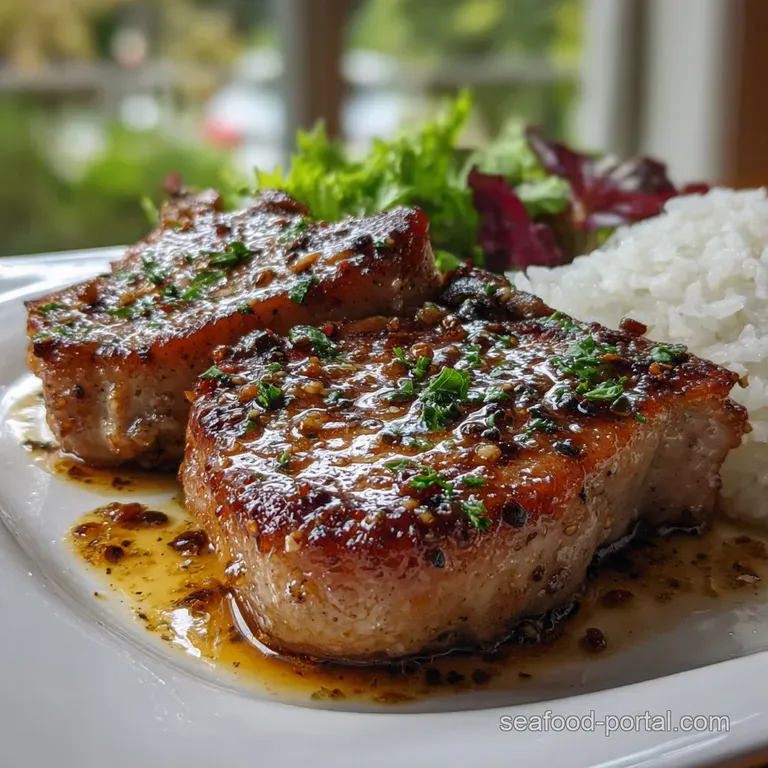
- Effort/Time: 25 minutes (Low effort, high technical yield).
- Flavor Hook: Sticky-sweet glaze with a sharp, garlic-forward finish.
- Perfect for: Weeknight-warriors seeking restaurant-quality protein tension.
- The Science of Surface Tension and Glaze Adhesion
- Essential Thermal Data and Nutritional Profile Metrics
- The Alchemy of Umami: Selecting Your Elements
- Professional Grade Hardware for Precision Heat Management
- Executing the Perfect Sear and Glaze Reduction
- Thermal Mass Failure and Moisture Loss Solutions
- ⚗️ The Scaling Lab
- Creative Flavor Architecture and Texture Adaptations
- Common Myths Debunked
- Preserving Structural Integrity and Moisture During Storage
- Aesthetic Plating and Strategic Side Dish Orchestration
- Recipe FAQs
- 📝 Recipe Card
There is nothing more frustrating than investing in thick, center cut pork only to end up with a gray, rubbery slab that resembles a hockey puck more than a meal. I’ve seen countless home cooks myself included ruin a promising Easy Honey Garlic Pork Chops Recipe by crowding the pan or mismanaging the sugar-to-acid ratio.
We’ve all been there: the kitchen is full of smoke, the garlic is bitter and burnt, and the meat is bone dry in the center while the outside remains pale and uninviting.
Earlier in my journey, I used to throw cold meat straight from the fridge into a lukewarm pan, wondering why I never got that shattered crust texture. I ruined dozens of batches by over glazing too early, which led to the honey burning before the pork reached its safe internal temperature.
It took me years of testing the physics of heat transfer to realize that a successful Easy Honey Garlic Pork Chops Recipe isn't about the quantity of sauce, but the timing of the Maillard reaction.
The secret to this Masterclass level dish is understanding protein denaturation and the specific caramelization point of glucose and fructose in honey. By dredging the pork in a seasoned flour barrier, we create a micro texture that allows the sauce to cling through surface tension rather than just sliding off.
This Easy Honey Garlic Pork Chops Recipe works because we manipulate the pH levels with apple cider vinegar to tenderize the muscle fibers while the soy sauce provides the necessary amino acids for a deep, savory umami explosion.
The Science of Surface Tension and Glaze Adhesion
- Maillard Reaction Optimization: The all-purpose flour coating increases the surface area for amino acids and reducing sugars to react, creating a mahogany crust that traps internal juices.
- Hygroscopic Glazing: Honey acts as a humectant, pulling moisture toward the surface of the meat while simultaneously creating a viscous barrier that prevents evaporation.
- Enzymatic Tenderization: The acetic acid in the apple cider vinegar begins breaking down connective tissues on the surface, ensuring the exterior isn't tough despite the over high heat sear.
- Aromatic Infusion: Sautéing the minced garlic in butter at the end of the process prevents the sulfur compounds from turning bitter, maintaining a sweet, nutty profile.
Essential Thermal Data and Nutritional Profile Metrics
- Recipe Yield: 4 servings
- Preparation Phase: 10 minutes
- Thermal Application Phase: 15 minutes
- Total Cycle Time: 25 minutes
- Caloric Load: 532 kcal per serving
- Macronutrient Protein: 42.4 g
- Macronutrient Lipid (Fat): 18.5 g
- Macronutrient Carbohydrate: 44.8 g
- Dietary Fiber: 0.8 g
- Total Saccharides (Sugar): 35.2 g
The Alchemy of Umami: Selecting Your Elements
Selecting the right components for this Easy Honey Garlic Pork Chops Recipe is the difference between a mediocre meal and a culinary triumph. Using Diamond Crystal Kosher Salt allows for better coverage control compared to fine table salt, preventing localized over salting.
For the fat source, a combination of high smoke point olive oil and unsalted Kerrygold Butter provides both searing capability and rich mouthfeel.
- 4 center cut pork chops (boneless or bone-in, 1 inch thick) Why this? 1 inch thickness provides the necessary thermal mass to sear without overcooking the center.
- 1/2 cup (60g) All-purpose flour
- 1 tsp (5g) Smoked paprika
- 1 tsp (5g) Garlic powder
- 1 tsp Salt
- 1/2 tsp Black pepper
- 2 tbsp (30ml) Olive oil
- 1 tbsp (14g) Unsalted butter
- 1/2 cup (170g) Honey Why this? The high fructose content ensures rapid caramelization at lower temperatures than table sugar.
- 4 cloves Garlic, minced
- 2 tbsp (30ml) Low-sodium soy sauce
- 1 tbsp (15ml) Apple cider vinegar Why this? The acidity balances the cloying sweetness of the honey and deglazes the pan.
- 1/2 tsp Red pepper flakes
Ingredient Chemistry Breakdown
| Ingredient | Chemical/Physical Role (Science) | The Pro Secret (Why This Matters) |
|---|---|---|
| Pork Chops | Myofibrillar protein structure | Requires resting to allow protein fibers to reabsorb expelled moisture. |
| All-purpose Flour | Starch gelatinization | Creates a porous "scaffold" for the honey glaze to grip onto effectively. |
| Honey | Fructose caramelization | Breaks down into complex flavor compounds at 230°F (110°C) for a deep amber color. |
| Soy Sauce | Glutamate driven umami | Provides the salt needed to balance the sweet honey via the suppression of bitterness. |
Professional Grade Hardware for Precision Heat Management
To execute this Easy Honey Garlic Pork Chops Recipe correctly, you need tools that offer high thermal retention. A Lodge 12 inch Cast Iron Skillet is non-negotiable here; its massive thermal mass prevents the temperature from plummeting when you add the room temperature meat.
You will also need a ThermoWorks Thermapen to monitor internal temperatures, as even a 2 minute difference can result in dry meat.
Standard stainless steel pans can work, but you run the risk of the honey glaze sticking and burning too quickly. A set of OXO Good Grips Stainless Steel Tongs provides the leverage needed to flip the chops without piercing the meat and losing precious internal moisture. If you are also preparing a side dish like my Homemade Spicy Garlic Hummus recipe, ensure your prep space is organized for rapid transitions.
Executing the Perfect Sear and Glaze Reduction
- Pat the 4 pork chops dry with paper towels. Note: Surface moisture causes steaming instead of searing, preventing the Maillard reaction.
- Combine the 60g flour, 5g smoked paprika, 5g garlic powder, salt, and pepper in a shallow bowl.
- Dredge each chop in the flour mixture until a fine, even dust covers every millimeter of the meat.
- Heat the 30ml olive oil in a Lodge Cast Iron Skillet over medium high heat until the oil shimmers and a faint wisp of smoke appears.
- Place pork in the pan for 4–5 minutes until the bottom develops a deep, mahogany colored crust.
- Flip the chops and add the 14g butter to the center of the pan until it foams and smells slightly nutty.
- Toss the 4 minced garlic cloves into the foaming butter for 30 seconds until the fragrance is pungent and the garlic is translucent.
- Pour the 170g honey, 30ml soy sauce, 15ml apple cider vinegar, and red pepper flakes directly into the pan.
- Simmer the liquid for 2–3 minutes until the sauce bubbles aggressively and thickens into a viscous, syrupy glaze.
- Baste the pork continuously with a spoon for 1 minute until the internal temperature reaches 145°F (63°C) and the meat feels firm with a slight spring.
Chef's Note: Never pour the sauce directly over the top of the chops initially; pour it into the negative space of the pan to allow the sugars to emulsify with the pork fat before coating the meat. This ensures the Easy Honey Garlic Pork Chops Recipe has a cohesive flavor profile rather than a separate "meat and sauce" experience.
Thermal Mass Failure and Moisture Loss Solutions
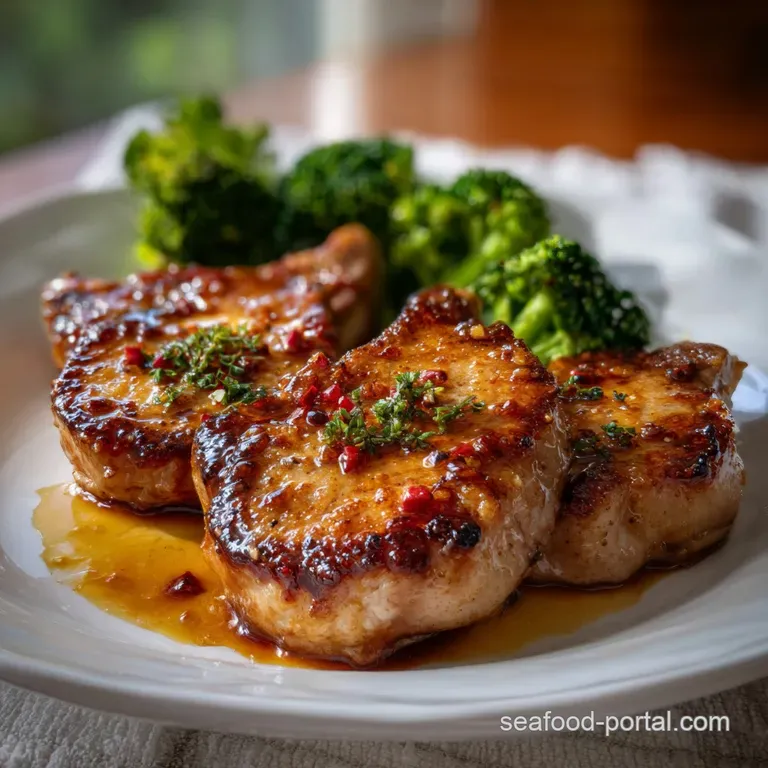
The most common issue with any Easy Honey Garlic Pork Chops Recipe is the "boil-in-pan" effect. This happens when the pan isn't hot enough or too much meat is added at once, causing the temperature to drop below the threshold for browning.
When this occurs, the meat releases its internal myoglobin, and you end up simmering the pork in its own juices, resulting in a gray, leathery texture.
Another frequent failure is the "Garlic Burn." Garlic contains high amounts of natural sugars and very little water, meaning it can transition from aromatic to acrid in under 20 seconds if the heat is uncontrolled. Similar to the delicate balance found in a Garlic Butter Sauce recipe, timing is everything.
Troubleshooting the Glaze and Texture
| Problem | Root Cause | The Fix | Pro Protocol |
|---|---|---|---|
| Grainy Sauce | Flour clumping in the glaze | Insufficient fat-to-flour ratio during the deglazing phase. | Whisk in 1 tbsp of warm water to re-emulsify the starch. |
| Bitter Aftertaste | Burnt garlic or over reduced honey | Sugars reached the carbonization stage (past 350°F). | Add a squeeze of fresh lemon juice to mask the bitterness. |
| Pale Crust | Low thermal energy in the skillet | Adding the meat before the oil reached the shimmering point. | Remove meat, wipe pan, and restart the sear with fresh oil. |
⚗️ The Scaling Lab
Scaling this Easy Honey Garlic Pork Chops Recipe requires an understanding of thermodynamics. If you double the recipe to 8 chops, do not simply double every ingredient and throw them in one pan.
- The Evaporation Paradox: When doubling the sauce volume in the same pan, the surface area doesn't change. This means it will take nearly twice as long for the sauce to reduce. Reduce the added apple cider vinegar by 10% to prevent the sauce from becoming too acidic during the longer reduction time.
- Pan Crowding (Maillard Killer): Doubling the meat in a single skillet will drop the temperature below 300°F (150°C), causing the meat to steam. Mandatory instruction: Sear the pork in two separate batches, then combine them only when adding the liquid glaze.
- Flavor Saturation: Scale spices (paprika, garlic powder) to 1.5x (NOT 2x). Spices provide a more potent punch in larger volumes, and over seasoning the flour can lead to a gritty texture.
- Carry Over Cooking: A larger mass of meat in a crowded pan retains more heat. Pull the pork at 140°F (60°C) instead of 145°F, as the residual heat will carry it to the safe zone during the 5 minute rest.
Creative Flavor Architecture and Texture Adaptations
While this Easy Honey Garlic Pork Chops Recipe is balanced as written, you may need to pivot based on dietary needs or pantry availability. For instance, if you're looking for a lighter seafood alternative on a different night, our Poached Cod with recipe offers a similar focus on moisture retention.
Substitution Architecture
| Original Ingredient | Substitute | Why It Works |
|---|---|---|
| Honey (1/2 cup) | Maple Syrup (Grade A) | Lower viscosity but higher mineral content; adds a woody, autumnal note. |
| Soy Sauce (2 tbsp) | Tamari or Coconut Aminos | Tamari provides the same umami; Aminos are sweeter and lower in sodium. |
| Apple Cider Vinegar | Rice Vinegar | Similar pH level but a milder, less fruity acidity. |
Flavor Variations
- Spicy Korean Style Twist: Add 1 tbsp of Gochujang to the honey mixture. The fermented chili paste adds depth and a lingering heat that complements the garlic.
- gluten-free Adaptation: Replace the all-purpose flour with a 1:1 ratio of cornstarch. Cornstarch creates an even crispier, "shattering" texture known in velveted stir fry techniques.
Common Myths Debunked
Myth: You must cook pork until it is white all the way through to be safe. Truth: Modern agricultural standards mean pork is safe at 145°F (63°C), which leaves a hint of pink and significantly more juice.
Using a thermometer is the only way to guarantee safety without sacrificing texture.
Myth: Searing "seals in" the juices. Truth: Searing creates flavor via the Maillard reaction but actually causes the meat to lose a small amount of moisture. The "juice" is retained by resting the meat, allowing the protein fibers to relax and reabsorb the liquid.
Preserving Structural Integrity and Moisture During Storage
This Easy Honey Garlic Pork Chops Recipe holds up surprisingly well, but the reheating process is where most people fail.
- Fridge: Store in an airtight glass container for up to 3 days. The honey glaze will thicken into a gel-like consistency; this is normal.
- Freezing: You can freeze the cooked chops in a vacuum sealed bag for 2 months. However, the flour coating may lose its crispness upon thawing.
- Reheating: Avoid the microwave. Reheat in a skillet over medium low heat with 2 tablespoons of water or chicken stock. Cover the pan to create steam, which gently warms the meat without drying it out.
💡 ZERO WASTE PHILOSOPHY
Don't discard the pork fat/oil left in the pan if you're not making the sauce immediately. Transform: Use it to roast potatoes or sauté green beans. Science: The rendered pork fat (lard) has a high smoke point and is packed with fat-soluble flavor compounds from the smoked paprika and garlic.
If you have leftover garlic skins, toss them into a freezer bag for your next vegetable broth to add a subtle, papery sweetness.
Aesthetic Plating and Strategic Side Dish Orchestration
The visual appeal of an Easy Honey Garlic Pork Chops Recipe relies on the contrast between the dark, glossy glaze and vibrant green sides. I recommend serving these atop a bed of garlic mashed potatoes or jasmine rice to soak up the extra glaze.
For a balanced plate, pair the chops with blanched broccolini or a crisp cucumber salad. The alkalinity of green vegetables provides a necessary counterpoint to the high sugar content of the honey.
If you want a more complex flavor profile, a side of roasted carrots seasoned with the same smoked paprika used in the pork dredging will create a "flavor bridge" across the entire meal.
Trust me, once you master the timing of the reduction, this Easy Honey Garlic Pork Chops Recipe will become your go-to for proving that "easy" doesn't have to mean "basic." Let's crack on and get that skillet hot.

Recipe FAQs
Can I sear the chops ahead of time and finish them later?
No, timing the glaze is critical. Searing alone is fine, but adding the sauce prematurely prevents proper honey caramelization. You must complete the glaze reduction and basting in one continuous step for adhesion.
What is the absolute minimum safe internal temperature for pork chops?
145°F (63°C). USDA guidance indicates this temperature achieves necessary pathogen elimination while maintaining juiciness. Protein fibers contract heavily after 155°F, leading to dryness.
Can I substitute brown sugar for honey in the glaze?
Use maple syrup instead. Brown sugar has a different sucrose/molasses ratio than honey, leading to crystallization rather than smooth coating. Maple syrup offers a similar liquid viscosity.
Why does my garlic taste bitter after making the sauce?
Garlic scorched due to insufficient fat coverage. Garlic burns rapidly because its sulfur compounds begin oxidizing at lower temperatures than the honey's caramelization point.
- Add garlic after butter foams
- Deglaze pan immediately with vinegar
- Keep heat on medium low (not high)
Should I use bone-in or boneless chops for this recipe?
Boneless chops cook faster and glaze more evenly. Bone-in chops require longer cooking times, risking the honey burning before the center reaches the target temperature of 145°F.
What if I only have thin, half inch chops?
Reduce searing time significantly. Thin chops lack the thermal mass needed for high heat; they will overcook during the 5-minute sear. Cut your sauce simmering time by half to prevent burning the glaze.
Myth: You should always rest meat right after taking it out of the pan.
Myth: You must rest meat before adding the glaze. Correction: For this recipe, resting is reserved for after the glaze is fully applied and the meat hits 145°F. Resting before glazing loses the surface heat required for sauce adhesion.
Easy Honey Garlic Pork Chops
Ingredients:
Instructions:
Nutrition Facts:
| Calories | 532 kcal |
|---|---|
| Protein | 42.4 g |
| Fat | 18.5 g |
| Carbs | 44.8 g |
| Fiber | 0.8 g |
| Sugar | 35.2 g |
| Sodium | 815 mg |
