Easy Homemade Poke Bowl
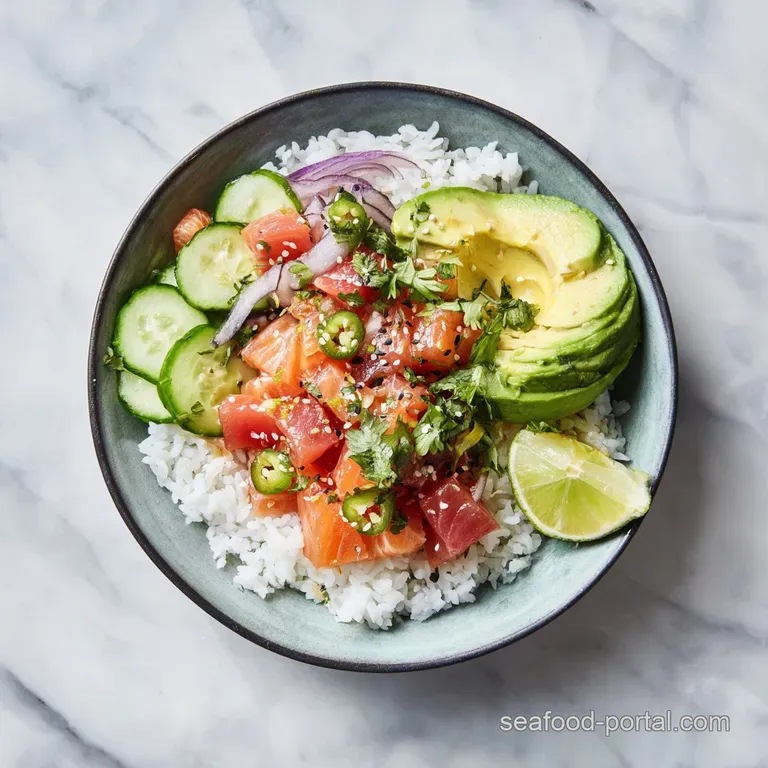
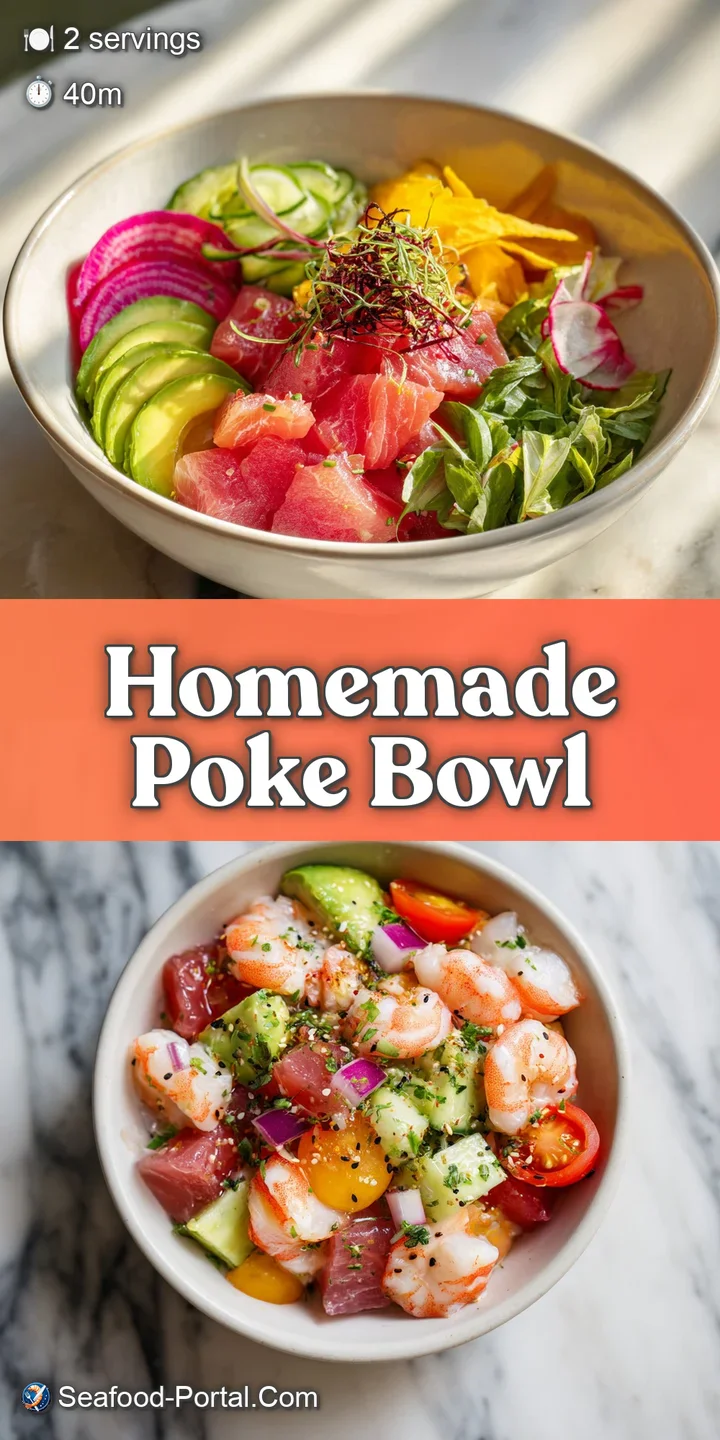
- Time: Active 20 minutes, Passive 20 minutes, Total 40 minutes
- Flavor/Texture Hook: Silky salmon paired with tangy, chewy rice and crisp radishes
- Perfect for: A refreshing weeknight dinner or an impressive meal prep lunch
- Authentic Flavor and the Best Poke Bowl
- Balance Cool Fish and Warm Rice
- Numeric Checkpoints and Key Specs
- Sourcing Fresh Poke Bowl Ingredients
- Minimal Tools for Maximum Flavor
- Mastering the Art of Slicing
- Fixing Texture and Flavor Issues
- Creative Toppings and Sauce Variations
- Adjusting Portions for Different Needs
- Misconceptions About Raw Fish Preparations
- Safe Seafood and Zero Waste
- Professional Styling and Presentation Tips
- Very High in Sodium
- Recipe FAQs
- 📝 Recipe Card
Authentic Flavor and the Best Poke Bowl
There is a specific smell that hits you when you walk into a traditional seafood shack on the North Shore of Oahu. It's not just the salt air, it's the sharp, clean aroma of rice vinegar hitting hot steam and the earthy, toasted scent of sesame oil.
The first time I tried to make this at home, I made the classic mistake of using leftover jasmine rice from the night before. It was a disaster, the grains were too dry, the fish didn't "cling" to the base, and the whole thing felt like a sad salad rather than a cohesive meal.
You're looking for that specific mouthfeel where every bite contains a bit of everything. We're going to focus on getting that rice texture exactly right, because honestly, the fish is only half the story. If the rice is mushy or cold, the whole experience falls apart.
We want it "body temperature" so it softens the chilled salmon just enough to release those fatty, buttery flavors without actually cooking the meat.
Trust me on this, once you nail the balance of the dressing and the rice seasoning, you'll stop paying twenty dollars at those trendy shops. We are going for a version that feels fresh, accessible, and deeply satisfying. Let's get into how we make that happen without overcomplicating the process.
Balance Cool Fish and Warm Rice
Thermal Contrast: The residual heat from the rice gently warms the fats in the salmon, making the fish feel more tender on the tongue.
Osmotic Exchange: The salt in the soy sauce draws a tiny bit of moisture out of the fish, allowing the ginger and sesame flavors to penetrate the surface.
Starch Retrogradation: Cooling the rice slightly after seasoning allows the starch to firm up, giving each grain a distinct, chewy personality.
| Preparation Type | Time Investment | Primary Texture | Best Context |
|---|---|---|---|
| Quick Prep | 20 mins | Softer, less structured | Rapid lunch break |
| Traditional Method | 40 mins | Chewy, distinct grains | Dinner or hosting |
| Marinated Style | 1 hour | Deep flavor, firmer fish | make-ahead meal prep |
The rice is the foundation of the entire experience. If you rush the rinsing process, you'll end up with a sticky mass that masks the delicate flavor of the salmon. Rinsing the rice at least five times removes the excess surface starch that causes clumping.
Component Analysis
| Ingredient | Science Role | Pro Secret |
|---|---|---|
| Sushi Rice (300g) | Structural Base | Use short grain only, long grain lacks the amylopectin needed for that "clinging" texture. |
| Rice Vinegar (3 tbsp) | Flavor Brightener | Season the rice while it's hot so the vinegar penetrates to the core of the grain. |
| Salmon (450g) | Lean Protein | Buy skinless fillets to ensure every cube is consistent and easy to eat. |
| Sesame Oil (1 tsp) | Aromatic Lipid | A little goes a long way, it acts as a bridge between the soy and the fish. |
Numeric Checkpoints and Key Specs
Before we start, keep these three numbers in your head. First, 300 grams of rice is your magic number for two generous portions. Second, you want to rinse that rice until the water is clear, which usually takes about five cycles. Finally, try to cut your salmon into 1.5 centimeter cubes.
If they're too small, they'll turn to mush in the sauce, and if they're too big, you won't get that perfect ratio in every spoonful.
If you find yourself craving a slightly different protein, the techniques here work beautifully with other seafood too. You can easily adapt this into a Tuna Poke Bowl Recipe by swapping the salmon for ahi tuna, keeping the marinade exactly the same. The science of the salt and acid remains consistent across most fatty fish.
Sourcing Fresh Poke Bowl Ingredients
- 1.5 cups sushi rice (300g): Look for "Koshihikari" or "Calrose" varieties.
- Substitute: Quinoa. Why this? Provides a similar bite and holds dressing well for a nutty, grain free base.
- 2 cups cold water (475ml): For the rice cooker or stovetop.
- 3 tbsp rice vinegar: Essential for that classic "sushi" tang.
- Substitute: Apple cider vinegar. Why this? It has a similar acidity level, though it's slightly fruitier.
- 1 lb sashimi quality salmon fillet (450g): Ensure it smells like the ocean, not "fishy."
- Substitute: Firm tofu. Why this? Absorbs the soy and ginger marinade perfectly for a vegetarian version.
- 0.25 cup low sodium soy sauce (60ml): Provides the umami base without over salting.
- Substitute: Tamari. Why this? A direct swap for anyone needing a strictly gluten-free option.
- 1 tsp toasted sesame oil: For that deep, nutty aroma.
- 1 tsp fresh ginger, grated: Adds a peppery, clean heat.
- 1 tsp rice vinegar: For the fish marinade specifically.
- 0.5 cup edamame: Shelled and steamed for a protein boost.
- 1 small English cucumber: Thinly sliced for a watery crunch.
- 0.5 avocado: Sliced for a creamy fat element.
- 2 radishes: Provides a peppery snap and color.
- 1 tbsp pickled ginger: To cleanse the palate between bites.
- 1 tsp furikake: For a salty, seaweed forward finish.
- 2 scallions: Finely sliced green parts for a fresh onion bite.
For the most authentic experience, try to get your salmon from a dedicated fishmonger. Many grocery stores now carry "sushi grade" labels, which usually means the fish was flash frozen to a specific temperature to kill parasites. If you're looking for more inspiration on different seafood bases, check out my Salmon Poke Bowl recipe for a deep dive into different salmon varieties.
Minimal Tools for Maximum Flavor
You don't need a high end sushi kit to make this. A standard rice cooker (like a Zojirushi) is my preferred method because it's set and forget, but a heavy bottomed pot works just as well. You will definitely want a very sharp knife, preferably a chef's knife or a Santoku.
A dull knife will "tear" the salmon instead of slicing it, which ruins the velvety texture we're aiming for.
A wide wooden or plastic bowl is better than metal for seasoning the rice. Metal can sometimes react with the vinegar and leave a faint metallic taste. I also like using a rice paddle (or a flat spatula) to "cut" the vinegar into the rice rather than stirring it, which prevents the grains from breaking and getting gummy.
Mastering the Art of Slicing
- Rinse the rice. Place 300g rice in a bowl and swirl with cold water, draining and repeating until the water is no longer milky. Note: This prevents a "gluey" texture.
- Cook the base. Combine rice and 475ml water in your pot or cooker. Cook for about 20 minutes until all water is absorbed and the grains are plump.
- Season the grains. While the rice is still steaming, gently fold in 3 tbsp rice vinegar, 1 tbsp sugar, and 0.5 tsp salt. Note: You should smell a sharp, sweet tang as the vinegar hits the hot starch.
- Cool slightly. Spread the rice onto a flat tray or wide bowl and let it sit for 10 minutes. Wait until it's just warm to the touch, not piping hot.
- Prep the salmon. Cube 450g salmon into 1.5cm pieces. Add them to a bowl with 60ml soy sauce, 1 tsp sesame oil, 1 tsp grated ginger, and 1 tsp rice vinegar.
- Marinate the fish. Toss the salmon gently and let it sit in the fridge for 10-15 minutes until the fish looks slightly glossy and darkened.
- Slice the vegetables. Thinly slice the English cucumber and radishes while the fish marinates.
- Assemble the base. Scoop a generous portion of warm rice into two bowls.
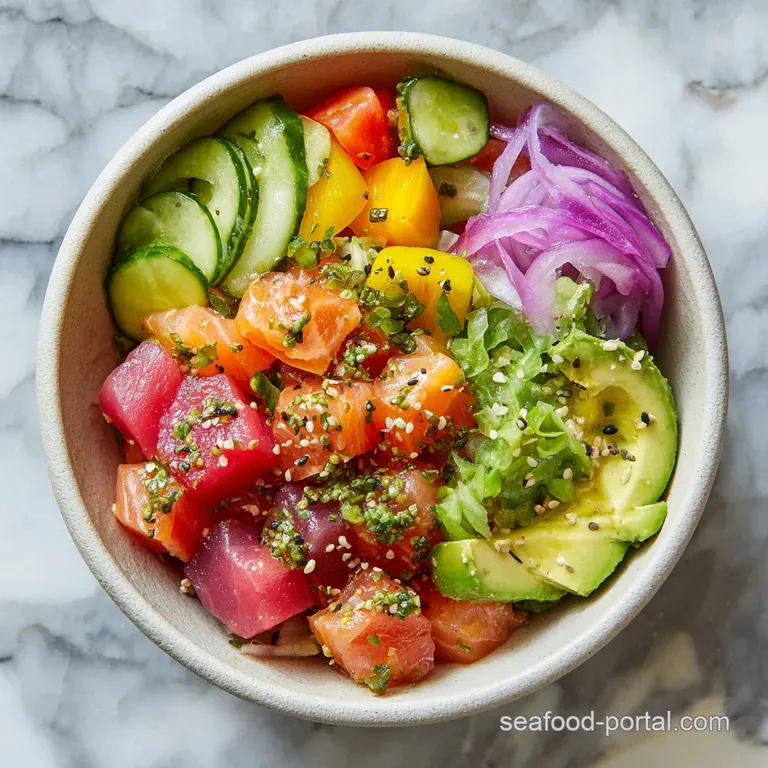
- Arrange the toppings. Place the marinated salmon in the center, then arrange the edamame, cucumber, avocado, and radishes around the perimeter.
- Add the finish. Sprinkle with 1 tsp furikake, 2 scallions, and a dollop of pickled ginger. The bowl should smell fresh, nutty, and slightly spicy.
Chef's Tip: Freeze your salmon fillet for 15 minutes before slicing. This firms up the fat and proteins, making it incredibly easy to get those clean, sharp edged cubes you see in professional kitchens.
Fixing Texture and Flavor Issues
Why Your Rice is Mushy
If your rice feels like a sticky paste, it's usually because it wasn't rinsed enough or too much water was used. The starch on the outside of the grain acts like glue when heated. If it's already cooked and mushy, there isn't a perfect "fix," but spreading it out on a baking sheet to air dry for 10 minutes can help separate the grains slightly.
Why the Salmon Lacks Zing
Sometimes the marinade can feel a bit flat. This usually happens if the ginger isn't fresh or the soy sauce is too dominant. A tiny squeeze of fresh lime juice or an extra splash of rice vinegar can wake up the fats in the salmon and make the whole bowl feel much lighter.
| Problem | Root Cause | Solution |
|---|---|---|
| Grains are hard/crunchy | Not enough water or lid was lifted | Add 2 tbsp water and steam on low for 5 more mins. |
| Fish tastes too salty | Marinated for too long | Add extra avocado or cucumber to dilute the saltiness. |
| Avocado is browning | Oxidation from air exposure | Toss slices in a little rice vinegar or lime juice. |
Common Mistakes Checklist
- ✓ Rinse the rice until the water is completely clear to ensure individual grains.
- ✓ Use a "cutting" motion with your spatula when adding vinegar to avoid mashing.
- ✓ Pat the salmon dry with a paper towel before cubing to help the marinade stick.
- ✓ Keep the fish in the fridge until the very moment you are ready to assemble.
- ✓ Don't skip the sugar in the rice seasoning; it balances the high acidity of the vinegar.
Creative Toppings and Sauce Variations
If you're looking for a spicy kick, I love mixing two tablespoons of Japanese mayonnaise with a teaspoon of Sriracha. Drizzle this over the top of the bowl at the end. It adds a creamy heat that pairs beautifully with the cucumber.
For those who want more crunch, try adding crushed macadamia nuts or crispy fried onions. These provide a great textural contrast to the soft fish and rice.
If you are looking for a grain free version, cauliflower rice works surprisingly well, though you'll want to sauté it briefly with a bit of sesame oil first to remove the raw "cabbage" smell.
For a more tropical vibe, adding small cubes of fresh mango or pineapple can add a sweetness that cuts through the salt of the soy sauce perfectly.
Serving Size Shortcut
| Servings | Rice (grams) | Water (ml) | Salmon (grams) |
|---|---|---|---|
| 1 Person | 150g | 235ml | 225g |
| 2 People | 300g | 475ml | 450g |
| 4 People | 600g | 950ml | 900g |
Adjusting Portions for Different Needs
When scaling down for one person, the cook time for the rice stays almost the same, but watch the water levels closely as smaller pots tend to lose steam faster. If you're doubling the recipe for a group, don't double the salt or sesame oil immediately. Start at 1.5 times the amount and taste.
Intense aromatics like sesame oil can quickly become overwhelming when used in large quantities.
If you are cooking for a crowd, I recommend setting this up as a "build your own" station. Keep the rice in the cooker on the "warm" setting and have the marinated fish in a bowl set over a larger bowl of ice. This keeps everything at the safe and ideal temperature while letting people customize their own toppings.
Misconceptions About Raw Fish Preparations
A common myth is that "sushi grade" is an official FDA legal term. In reality, it is a label used by wholesalers to indicate the fish has been handled safely for raw consumption, usually through deep freezing.
Don't be afraid of frozen fish; in many cases, high-quality frozen salmon is "fresher" than "fresh" fish that has been sitting in a display case for two days.
Another misconception is that the marinade "cooks" the fish like a ceviche. While the acidity in the rice vinegar does affect the proteins, a 10 minute soak isn't long enough to change the texture significantly. The goal here is flavor infusion, not chemical cooking.
You still want that beautiful, translucent raw center in every cube.
Safe Seafood and Zero Waste
Storage: The salmon is best eaten immediately. If you have leftovers, they will keep in the fridge for about 24 hours, but the texture of the fish will become firmer as it sits in the salt. The rice can be stored in an airtight container for up to 2 days.
To reheat rice, add a teaspoon of water and microwave it covered for 30 seconds to restore the moisture.
Zero Waste: Don't throw away those scallion whites! You can plant them in a small jar of water on your windowsill, and they'll regrow in about a week. If you have leftover cucumber or radish, toss them with any remaining rice vinegar and a pinch of sugar for a quick pickle that makes a great snack the next day.
The salmon skin, if you bought a whole fillet, can be salted and pan-fried until crispy for a delicious "bacon" topping.
Professional Styling and Presentation Tips
To get that restaurant look, think about color placement. Don't just dump the toppings on; place them in distinct "wedges" around the salmon. This makes the bowl look more organized and appetizing.
Use a small ring mold for the rice if you want to be extra fancy, though a simple, clean scoop usually looks best for a homemade feel.
Finally, the furikake and scallions should be the very last thing you add. They provide a hit of vibrant green and dark specks that make the other colors pop. If you have black sesame seeds, a tiny sprinkle of those alongside the white ones adds a lot of visual depth.
Serve it immediately while the rice is still holding that gentle warmth and the fish is perfectly chilled.
Very High in Sodium
1340 mg mg of sodium per serving (58% % of daily value)
The American Heart Association recommends limiting sodium intake to about 2,300mg per day.
Sodium Reduction Strategies for Your Salmon Bowl
-
Reduce Added Salt-25%
Eliminate the 0.5 tsp kosher salt added to the rice. The other ingredients contribute enough sodium for flavor.
-
Dilute Soy Sauce-20%
Use half the amount of low-sodium soy sauce (0.125 cup) and mix with an equal amount of water to reduce sodium content without sacrificing flavor completely.
-
Limit Pickled Ginger-15%
Pickled ginger is high in sodium. Reduce the amount used to 0.5 tbsp or omit it entirely for a significant sodium reduction.
-
Unsalted Rice-15%
Consider making the sushi rice without any added salt or sodium containing ingredients, like rice vinegar with added salt. This can be a significant change, use with caution.
-
Spice it Up!
Enhance flavor with sodium free herbs and spices like black pepper, garlic powder (not garlic salt!), or red pepper flakes to compensate for reduced sodium.
Recipe FAQs
What are the ingredients in a poke bowl?
The core ingredients are sushi rice, sashimi grade raw fish (like salmon or tuna), and a soy-based marinade. Essential additions include rice vinegar for the rice seasoning, sesame oil, and fresh elements like avocado, cucumber, and edamame for texture and color.
What does a poke bowl have in it?
It has a foundation of warm, seasoned sushi rice topped with chilled, marinated cubes of fish, along with complementary fresh vegetables and garnishes. Key components are the protein, the rice, and a savory tangy dressing that binds the flavors together.
What to put inside a poke bowl?
Prioritize quality protein, seasoned rice, and three contrasting textures: creamy, crunchy, and fresh. Aim for marinated salmon, warm sushi rice, creamy avocado, crunchy radishes, and fresh scallions for balance. If you prefer a poultry twist, the seasoning logic applies to simple white meat preparations, similar to our Chicken and Rice Soup recipe base, just applied differently.
What veggies do you put in a poke bowl?
Use a mix of crisp, hydrating vegetables and creamy fruit for the best textural contrast. Standard choices include thinly sliced cucumber, shelled edamame, sliced radishes for a peppery snap, and creamy avocado slices. You can also use shredded carrots or seaweed salad.
Must the fish in a poke bowl be cooked?
No, authentic poke uses raw, sashimi grade fish, usually marinated briefly. The residual heat from the warm rice slightly softens the chilled fish fats, enhancing flavor without cooking the meat. If you prefer a cooked topping, try swapping in glazed fish from our Teriyaki Salmon Bowl recipe.
Is it true you must use specific short grain sushi rice?
Yes, sticking to short grain sushi rice is crucial for the right texture. This rice variety has the necessary starch (amylopectin) to become slightly sticky and "cling" to the other ingredients when seasoned with vinegar, unlike long grain varieties which tend to stay dry and separate.
How do you ensure the marinade deeply flavors the fish?
Cut the fish into uniform 1.5 cm cubes and ensure the marinade contains both acid and salt to penetrate the proteins effectively. After tossing, let the fish sit for only 10 to 15 minutes before serving; this allows flavor absorption without turning the fish tough like a ceviche.
Easy Homemade Poke Bowl
Ingredients:
Instructions:
Nutrition Facts:
| Calories | 1182 kcal |
|---|---|
| Protein | 63.4 g |
| Fat | 40.2 g |
| Carbs | 137.5 g |
| Fiber | 7.9 g |
| Sugar | 8.8 g |
| Sodium | 1340 mg |
