Garlic Butter Cod: Flaky and Buttery
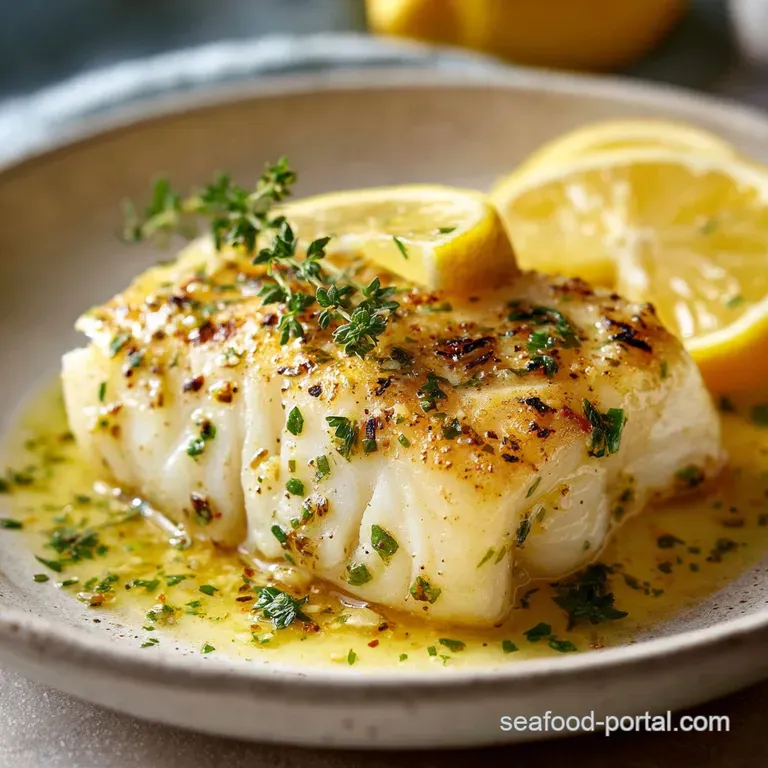
- Time: Active 5 minutes, Passive 7 minutes, Total 12 minutes
- Flavor/Texture Hook: Flaky, buttery fillets with a smoky, golden crust
- Perfect for: A fast weeknight dinner that feels fancy
- How to Prep and Sear the Best Cod
- Understanding the Secret to Flaky Texture
- Gathering Essentials for a Balanced Meal
- Selecting Tools for Searing Success
- Step by Step Guide for Flawless Fish
- Solving Common Issues for Flaky Results
- Flavor Swaps for a Custom Experience
- Keeping Your Leftovers Fresh and Tasty
- Side Dish Pairings for Balanced Plates
- Recipe FAQs
- 📝 Recipe Card
How to Prep and Sear the Best Cod
There is nothing quite like the sound of cold fish hitting a hot pan. That initial sizzle tells you exactly what kind of dinner you're going to have. For a long time, I struggled with white fish because it always felt so fragile, like it wanted to fall apart or turn into a watery mess the second I touched it.
I realized that the secret wasn't some fancy gadget, but rather how you prepare cod before it even sees the heat.
I used to just toss the fillets in the pan and hope for the best, but they always stuck or came out bland. One night, I decided to treat the fish like a steak. I patted it dry until the paper towel couldn't soak up another drop, seasoned it aggressively with smoked paprika and salt, and waited for the oil to shimmer.
The result was a revelation. The exterior took on a gorgeous golden hue, and the inside remained tender and juicy.
Now, whenever someone asks me how do you prepare cod so it doesn't taste like "nothing," I tell them it's all about the layers. We start with a dry rub to build color, move to a over high heat sear for texture, and finish with a cold butter baste to create a silky sauce right in the pan.
This method is foolproof if you follow the cues, and it’s honestly faster than ordering takeout.
The Physics of the Flake
Albumin Coagulation: High heat quickly firms the outer proteins, creating a structure that holds the delicate flakes together. This prevents the fish from weeping moisture into the pan and steaming itself.
Chef Tip: Freeze your butter for 10 minutes before cubing it. When cold butter hits the hot pan during the final minute, it creates a much more stable, creamy emulsion with the lemon juice rather than just melting into a greasy puddle.
Understanding the Secret to Flaky Texture
The magic of this dish lies in the contrast between the firm, seasoned exterior and the large, moist flakes inside. Cod is a lean protein, which means it doesn't have much fat to keep it lubricated if you overcook it.
To keep things succulent, we rely on "carryover cooking." By pulling the fish off the heat just before it hits its final temperature, the residual heat finishes the job without drying out the fibers.
When you prepare cod, you are essentially managing moisture. If the surface is wet, the heat of the pan goes into evaporating that water instead of browning the fish. This is why that paper towel step is non negotiable. You want the Maillard reaction to happen instantly.
That smoky paprika isn't just for flavor; the tiny particles help create a micro crust that the butter can cling to later.
If you are looking for a different vibe, you might enjoy a Mediterranean Baked Cod recipe which uses a slower heat to infuse herbs. But for that classic, pan seared finish, speed and heat are your best friends. It is the difference between a soggy fillet and one that has a distinct, satisfying flake.
| Method | Cook Time | Texture | Best For |
|---|---|---|---|
| over High heat Sear | 7 minutes | Crispy crust, buttery interior | Quick weeknight dinners |
| Classic Baking | 15 minutes | Uniformly tender, very moist | Large groups/hands off |
| Poaching | 10 minutes | Silky, soft, clean flavor | Healthy meal prep |
The chart above shows why we’re choosing the sear today. It’s the fastest way to get that deep flavor profile.
Gathering Essentials for a Balanced Meal
The ingredient list here is tight because every component has a specific job to do. We aren't just adding fat; we are adding aromatics that change the character of the fish.
| Ingredient | Science Role | Pro Secret |
|---|---|---|
| Fresh Cod | Primary Protein | Look for thick cut loins; they sear better than thin tail pieces. |
| Avocado Oil | High Smoke Point | Prevents the pan from smoking at the high temps needed for a crust. |
| Cold Butter | Emulsifier | Cold fat bonds with lemon juice to create a thick, velvety glaze. |
| Smoked Paprika | Color/Flavor | The natural sugars in paprika caramelize to give a deep mahogany finish. |
- 1.5 lbs fresh cod fillets
- Cut into 4 even portions so they cook at the same rate. Why this? Thick loins hold up better to over high heat searing without overcooking.
- 1 tsp kosher salt
- Essential for drawing out surface moisture. Why this? Larger grains are easier to distribute evenly.
- 1/2 tsp cracked black pepper
- Provides a sharp bite against the rich butter.
- 1/2 tsp smoked paprika
- Adds a hint of wood fired flavor.
- 1 tbsp avocado oil
- A neutral oil that won't burn at 400°F. Why this? It has a higher smoke point than olive oil.
- 3 tbsp unsalted butter
- Cold and cubed for the finish.
- 4 cloves garlic
- Minced finely to release all those oils.
- 1 tbsp fresh lemon juice
- To cut through the richness of the butter.
- 1/2 tsp lemon zest
- This is where the real citrus aroma lives.
- 1 tbsp fresh parsley
- For a hit of grassy freshness at the end.
If you don't have cod on hand, you can easily use haddock or pollock. They have a similar structure, though haddock is slightly sweeter. For a completely different texture, a Fried Cod recipe uses a batter, but here we are letting the fish itself shine.
Selecting Tools for Searing Success
You don't need a kitchen full of gadgets, but a heavy bottomed pan is mandatory. A cast iron skillet or a heavy stainless steel pan (like All Clad) distributes heat evenly, preventing "hot spots" that burn one side of your fish while the other stays raw.
I prefer stainless steel because you can see the color of the butter changing, which helps you avoid burning the garlic.
A fish spatula is another tool I swear by. It’s thin and flexible, allowing you to slide right under the delicate crust without tearing it. If you use a thick plastic spatula, you risk snapping the fillet in half when you go for the flip.
Finally, a digital meat thermometer is the only way to be 100% sure you aren't overcooking. We are aiming for an internal temperature of 145°F, but I usually pull mine at 140°F and let the rest time handle the last 5 degrees.
This ensures the center is still glistening and moist.
step-by-step Guide for Flawless Fish
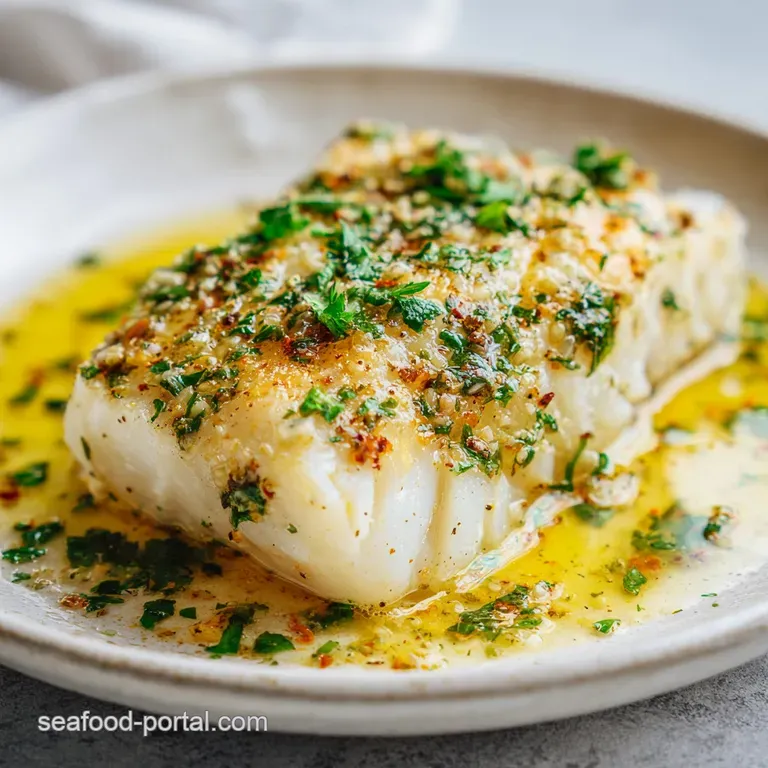
- Dry the fish. Use paper towels to pat the 1.5 lbs of cod fillets completely dry on all sides. Note: Surface moisture is the enemy of a good sear.
- Season thoroughly. Mix the salt, pepper, and smoked paprika, then sprinkle evenly over both sides of the fillets.
- Heat the pan. Add 1 tbsp avocado oil to a large skillet over medium high heat until the oil shimmers and barely wisps smoke.
- Sear the first side. Carefully lay the fish in the pan. Press down gently for 5 seconds. Note: This ensures the entire surface makes contact with the heat.
- Wait for release. Cook for 3-4 minutes without moving the fish until the edges are opaque and the bottom is golden.
- Flip carefully. Use a thin spatula to turn the fillets over. Note: If it sticks, give it another 30 seconds; it will release when the crust is formed.
- Create the sauce. Lower the heat to medium and drop in the 3 tbsp cold cubed butter and 4 cloves of minced garlic.
- Baste the fish. Once the butter melts and foams, tilt the pan and spoon the garlic butter over the cod repeatedly for 2 minutes until the fish flakes easily with a fork.
- Add acidity. Stir in the 1 tbsp lemon juice, zest, and parsley, then remove the pan from the heat immediately.
- Rest and serve. Let the fish sit in the pan for 2 minutes before plating. Note: This allows the juices to redistribute so they don't run out when you cut in.
Chef Tip: When basting, don't let the butter turn dark brown. You're looking for a "beurre noisette" (nut brown butter) smell toasty and fragrant, but not burnt. If it gets too dark, add a teaspoon of water or more lemon juice to stop the cooking.
Solving Common Issues for Flaky Results
The most common heartbreak with cod is when it sticks to the pan and leaves half its beautiful crust behind. Usually, this happens for one of two reasons: the pan wasn't hot enough, or you tried to flip it too early.
Protein bonds to the metal initially, but as it browns, those bonds break this is called "self releasing."
Another issue is rubberiness. This happens when the fish is cooked too long at a low temperature, causing the proteins to tighten up and squeeze out all the moisture. High heat for a short time is the antidote to "bouncy" fish.
Why Your Fish Falls Apart
If your cod is crumbling into pieces, it usually means you're moving it too much or the pan is overcrowded. When you crowd the pan, the temperature drops, and the fish starts to stew in its own juices. This softens the structure and makes it impossible to flip in one piece.
| Problem | Root Cause | Solution |
|---|---|---|
| Fish sticks to pan | Pan too cold or surface was wet | Preheat oil until it shimmers; pat fish bone dry. |
| Tough or rubbery | Internal temp exceeded 150°F | Use a thermometer; pull fish at 140°F. |
| Bland flavor | Not enough salt or acidity | Season before cooking; finish with extra lemon juice. |
Common Mistakes Checklist
- ✓ Skipping the paper towel step (guarantees a soggy result)
- ✓ Using a non stick pan that can't handle high heat (prevents a hard sear)
- ✓ Flipping the fish more than once (increases the chance of breakage)
- ✓ Forgetting to zest the lemon (you lose 80% of the citrus flavor)
- ✓ Putting cold fish into a cold pan (the fish will definitely stick)
Flavor Swaps for a Custom Experience
This recipe is a fantastic base, but you can easily pivot based on what's in your pantry. If you want a more robust, earthy vibe, you can swap the parsley for fresh thyme or oregano. This works particularly well if you're serving the cod alongside roasted root vegetables.
For those who like a bit of heat, adding a pinch of red pepper flakes to the butter while you baste will infuse the whole dish with a gentle glow. If you're out of avocado oil, grapeseed oil is another great over high heat option. Just avoid extra virgin olive oil for the initial sear, as it will smoke and turn bitter.
| Original Ingredient | Substitute | Why It Works |
|---|---|---|
| Unsalted Butter | Ghee (3 tbsp) | Same rich flavor but with a much higher smoke point. |
| Avocado Oil | Grapeseed Oil | Neutral flavor and handles high heat perfectly. |
| Fresh Parsley | Fresh Cilantro | Changes the profile to a bright, zesty, Southwest feel. |
Another great variation is to try a Grilled Cod recipe if you want that charred, smoky flavor from the coals. But if you're staying inside, the butter baste method remains the king of flavor.
Keeping Your Leftovers Fresh and Tasty
Fish is always best eaten right out of the pan, but if you have leftovers, you can keep them in an airtight container in the fridge for up to 2 days. The key to reheating cod without it becoming "fishy" or dry is to avoid the microwave at all costs.
The microwave heats unevenly and vibrates the water molecules so fast that it toughens the protein.
Instead, place the cold fillets in a small pan with a splash of water or a knob of butter. Cover the pan with a lid and heat over low for 4-5 minutes. This creates a gentle steam environment that wakes up the fats without overcooking the delicate flakes.
For zero waste, if you have smaller broken pieces of cooked cod, don't throw them out! They make incredible fish cakes. Just mash them with a little leftover potato, an egg, and some breadcrumbs, then fry them up for breakfast.
You can also toss leftover cold cod into a salad for a hit of protein that doesn't feel heavy.
Side Dish Pairings for Balanced Plates
Since this cod is so buttery and rich, I love pairing it with something that has a bit of crunch or acidity. A crisp green salad with a sharp vinaigrette is the easiest win. If you want something heartier, a bed of jasmine rice or quinoa is perfect for soaking up all that extra garlic lemon butter from the pan.
Vegetable wise, quick sauteed asparagus or blanched green beans provide a nice color contrast. If you're feeling fancy, a silky parsnip puree or a cauliflower mash keeps the meal low carb while feeling incredibly indulgent.
The "you prepare cod" mantra applies to the sides too keep them simple so the fish remains the star.
For a Mediterranean Profile
You can lean into the coastal flavors by adding halved cherry tomatoes and kalamata olives to the pan during the last 2 minutes of cooking. The tomatoes will blister and release their juices, mingling with the butter to create a rustic sauce. It’s a shortcut to that Mediterranean Baked Cod recipe feel without the long oven time.
For a Low Carb Alternative
Skip the rice and serve the cod over a big pile of zoodles (zucchini noodles) or shredded cabbage. The heat from the fish and the butter sauce will soften the vegetables just enough while keeping a satisfying bite. It turns a 12 minute meal into a nutritional powerhouse that doesn't leave you feeling sluggish.
The Truth About Searing Fish
One myth I hear all the time is that you should only cook fish on the skin side. While skin on cod is great, many fillets come skinless. You can absolutely get a "crust" on the flesh itself as long as your pan is hot and your fish is dry. Another myth is that you shouldn't use butter because it burns.
By using oil for the sear and adding the butter at the very end, you get all the flavor without any of the bitterness.
Finally, remember that cod is a very forgiving fish if you treat it with respect. It’s accessible, flavorful, and incredibly fast to cook. Whether you're a beginner or a pro, focusing on those layers of flavor the dry rub, the sear, and the butter finish will guarantee a result that everyone will swear came from a high end bistro.
Recipe FAQs
How is cod supposed to be cooked?
Over high heat searing is best for texture. A high heat sear creates a necessary crust on the lean flesh, locking in moisture while developing deep flavor quickly. This method transforms cod faster than baking or poaching, especially when finishing with a butter baste.
How do you best season cod?
Season aggressively with salt and smoked paprika before cooking. Cod is mild, so it needs strong initial seasoning to penetrate the flesh. Always pat the fish completely dry first so the seasoning adheres to the crust, not the moisture.
How to cook the perfect piece of cod?
Sear hard on high heat for 3-4 minutes per side, then finish with a butter baste. Ensure the pan is shimmering hot before the fish hits the oil to achieve an immediate crust that prevents sticking. Pull the fish off the heat around 140°F to account for carryover cooking.
How should I season cod?
Use salt, pepper, and smoked paprika as a foundational dry rub. This combination builds color and flavor before the heat even hits the fish. For brightness, always finish the cooking process with fresh lemon juice and zest.
Is it true you must use high smoke point oil for searing cod?
Yes, a high smoke point oil is necessary for the initial sear. Using an oil like avocado or grapeseed prevents your pan from smoking excessively and burning the seasoning before the fish has time to form its crust. Save the butter for basting at the end.
How long should I cook cod fillets in the pan?
Cook for approximately 3-4 minutes per side over medium high heat. The total cooking time depends on thickness, but the goal is transparency in the center before the final baste.
If you are using thick loins, you will want to ensure you master mastering the Maillard reaction for optimal flavor development.
Can I reheat leftover cod without it becoming dry?
No, avoid the microwave when reheating cod fillets. Instead, gently steam them in a covered pan over low heat with a splash of water or butter for about 5 minutes. This low, moist heat rehydrates the protein without overcooking the delicate flakes.
Easy Garlic Butter Cod
Ingredients:
Instructions:
Nutrition Facts:
| Calories | 252 kcal |
|---|---|
| Protein | 30.8 g |
| Fat | 13.3 g |
| Carbs | 1.3 g |
| Fiber | 0.2 g |
| Sugar | 0.1 g |
| Sodium | 584 mg |
