Easy Fried Smelt Recipe with Lemon Sauce
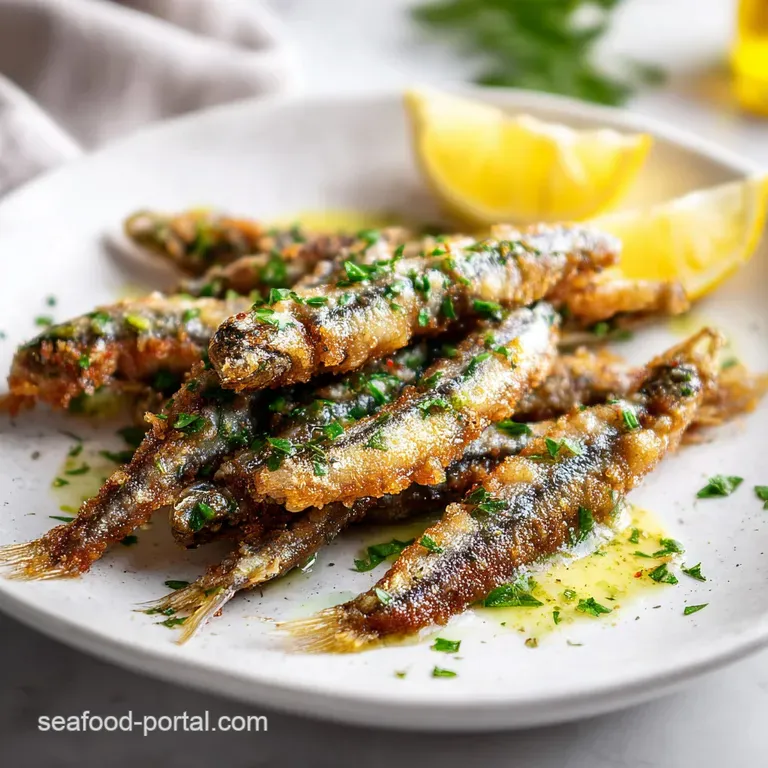
- Time: Active 15 minutes, Passive 10 minutes, Total 25 minutes
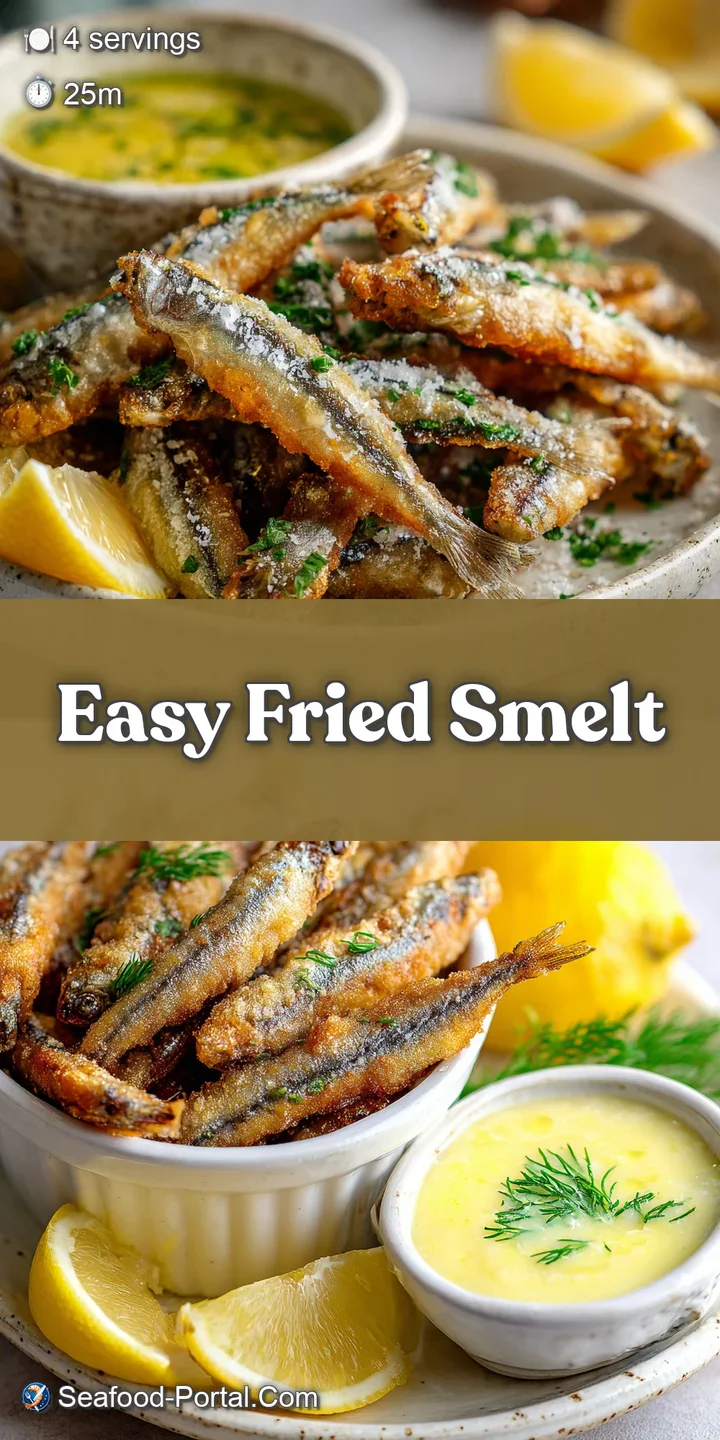
- Flavor/Texture Hook: Shatter crisp exterior with a velvety, caper flecked citrus cream
- Perfect for: A quick weeknight seafood fix or a coastal style appetizer party
- Mastering the Easy Fried Smelt Recipe with a Quick and Tasty Lemon Sauce
- Understanding the Science of the Snap
- Component Analysis for Culinary Success
- Gathering the Tools for Success
- Executing the Perfect Golden Fry
- Navigating Potential Pitfalls and Fixes
- Exploring Regional Variations and Substitutes
- Maintaining Freshness and Proper Storage
- Refining Visual Appeal for a Professional Plated Finish
- Debunking Common Frying Myths
- Recipe FAQs
- 📝 Recipe Card
Mastering the Easy Fried Smelt Recipe with a Quick and Tasty Lemon Sauce
The first time I stood over a bubbling pot of oil in a tiny kitchen on the coast, the sound was hypnotic a fierce, energetic sizzle that promised something special. I remember the air smelling intensely of salt spray and lemon zest as my grandmother tossed a handful of tiny, silver skinned fish into a paper bag filled with flour.
Within minutes, she handed me a plate of golden, crackling smelts, their tails as brittle as potato chips and their meat sweet and delicate. This easy fried smelt recipe, complete with a quick and tasty lemon sauce, will become your go to seafood dish.
We often overcomplicate seafood, but smelts are the ultimate "honest" fish; they don't need fancy techniques, just high heat and a bright, zippy sauce to cut through the richness. I've spent years trying to replicate that exact "shatter" I heard in her kitchen, and honestly, the secret isn't in a complex batter.
It is all about the moisture management and the temperature of the oil. You want a crust that sings when you bite into it, followed immediately by the bright pop of capers and lemon.
If you have ever been intimidated by frying fish at home, let me tell you, this is the place to start. Smelts are forgiving, quick cooking, and sustainable. We are going to treat them with respect, dredging them in a seasoned mix that provides a structural snap without weighing them down.
By the time we are done, you'll have a mountain of golden fish that disappears faster than you can pour a cold glass of white wine.
Understanding the Science of the Snap
To get that restaurant quality crunch, we have to look at how moisture escapes the fish during the frying process.
- Amylose Content: Using cornstarch introduces high levels of amylose, which creates a more rigid, crystalline structure upon cooling than flour alone.
- Vapor Pressure: High heat (375°F) turns internal moisture into steam instantly, pushing outward to prevent oil from soaking into the flesh.
- Emulsification Stability: The lemon sauce relies on lecithin in the mayonnaise to keep the lemon juice and zest suspended in a silky, uniform texture.
| Smelt Source | Texture Result | Prep Requirement | Best Use Case |
|---|---|---|---|
| Fresh (Never Frozen) | Ultra delicate, sweet | Must be used within 24 hrs | Gourmet appetizers |
| Thawed Frozen | Slightly firmer meat | Pat dry with extreme care | Casual weeknight dinner |
| Pre Cleaned | Consistent sizing | Quick rinse and dry | High volume party prep |
The difference between a "good" fried fish and a "stellar" one often comes down to the surface prep. Even the best easy fried smelt recipe a quick and tasty sauce won't save a fish that was damp when it hit the flour. Moisture is the enemy of the crunch; it creates a gummy interface between the skin and the coating.
I always tell my friends to treat the drying process like a sacred ritual every drop of water you remove is a tiny victory for the final texture.
Component Analysis for Culinary Success
Selecting your elements with care ensures the final dish feels intentional rather than haphazard.
| Component | Culinary Role | Pro Secret |
|---|---|---|
| Smelts | Primary Protein | Choose fish roughly 4-5 inches for the best bone to meat ratio |
| Cornstarch | Crisping Agent | Prevents the flour from becoming too "bread like" and heavy |
| Capers | Acidic Pop | Chop them finely to release brine into every bite of sauce |
| Cayenne Pepper | Flavor Bridge | Adds a subtle back end warmth that wakes up the palate |
For the fish itself, look for 1 lb fresh or thawed smelts, cleaned. Ensure they have clear eyes and a fresh, oceanic scent. The dredge requires 0.5 cup all purpose flour mixed with 0.25 cup cornstarch. This specific ratio is what gives you that "shatter" rather than a soft chew.
For the seasoning, we use 1 tsp garlic powder, 1 tsp dried oregano, 0.5 tsp cayenne pepper, 1 tsp sea salt, and 0.5 tsp cracked black pepper.
The sauce is where we bring the brightness. You’ll need 0.5 cup mayonnaise, 1 tbsp fresh lemon juice, 1 tsp lemon zest, 1 clove garlic (grated into a paste), 1 tbsp chopped capers, and 1 tsp fresh minced parsley.
This combination provides the "tasty lemon" element that makes the fried smelts recipe Italian style feel authentic and vibrant. Finally, ensure you have 2 cups neutral oil for frying, such as grapeseed or canola, which can handle the high heat without smoking.
Gathering the Tools for Success
You don't need a commercial deep fryer to nail this recipe, but a few specific items make the process significantly cleaner and safer. A heavy bottomed skillet or a cast iron pan is your best friend here because it holds heat beautifully even when you drop cold fish into the oil.
- Cast Iron Skillet: Provides superior thermal mass to maintain frying temperatures.
- Wire Cooling Rack: Essential for letting steam escape from all sides of the fish.
- Microplane Grater: For the garlic and lemon zest to ensure a silky sauce texture.
- Spider Strainer: Allows you to lift the fish out of the oil quickly without bringing excess fat with it.
If you find yourself loving the texture of this coating, it actually works brilliantly for other delicate seafood as well. Much like the technique used in our Spicy Southern Fried recipe, the goal is to create a barrier that protects the protein while adding its own distinct flavor profile. Using a heavy pan prevents those "cold spots" that result in greasy, oil logged fish.
Executing the Perfect Golden Fry
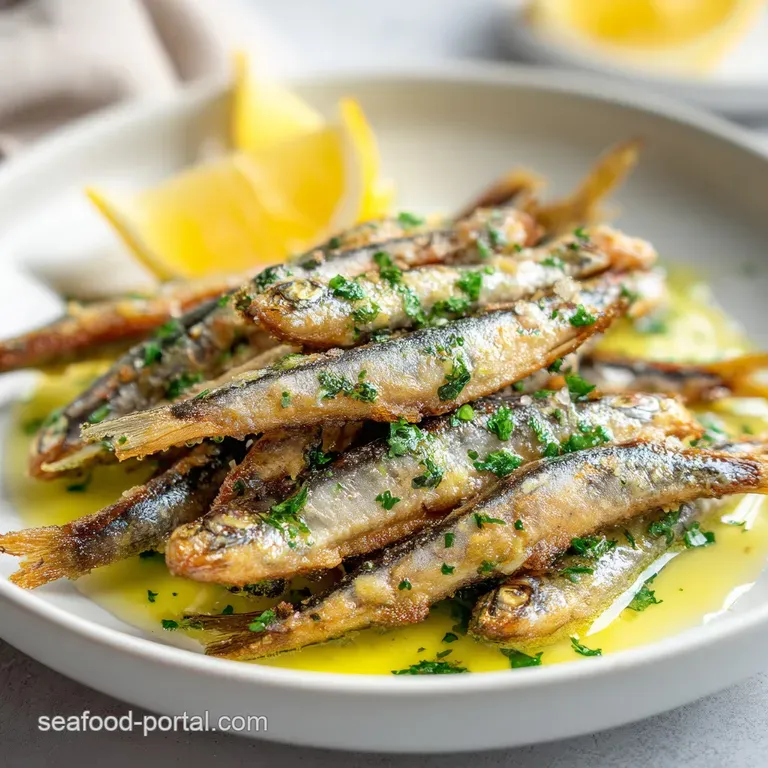
Follow these steps closely, paying attention to the sensory cues like the sound of the oil and the color of the crust.
- Dry the fish. Pat the 1 lb smelts with paper towels until they are bone dry to the touch. Note: This ensures the flour sticks to the skin, not to the water.
- Mix the dredge. Combine 0.5 cup flour, 0.25 cup cornstarch, garlic powder, oregano, cayenne, sea salt, and black pepper in a shallow bowl.
- Whisk the sauce. Stir the mayonnaise, lemon juice, zest, grated garlic, capers, and parsley in a small bowl until the mixture is velvety and pale yellow.
- Heat the oil. Pour 2 cups neutral oil into your skillet and heat to 375°F until a pinch of flour sizzles instantly.
- Coat the smelts. Toss the fish in the flour mixture, shaking off every bit of excess until only a fine, translucent dust remains.
- Fry in batches. Carefully lower the fish into the oil, avoiding overcrowding.
- Monitor the color. Cook for 2-3 minutes until the exterior is deeply golden and crackling.
- Drain properly. Transfer the fish to a wire rack set over a baking sheet. Note: Paper towels can trap steam and make the bottom side soggy.
- Final seasoning. Sprinkle a tiny pinch of extra sea salt over the fish while they are still glistening with hot oil.
- Serve immediately. Plate the hot smelts with a generous dollop of the lemon sauce and extra wedges.
Chef's Tip: If you want an even lighter crust, try using a hairdryer on the "cool" setting to dry the smelts for 2 minutes before dredging. It sounds crazy, but it removes microscopic moisture that towels miss.
Also, keep your flour in the freezer for 10 minutes before mixing the temperature difference between the cold flour and hot oil creates tiny air pockets for extra crunch.
Navigating Potential Pitfalls and Fixes
Frying can be temperamental, but most issues come down to temperature control or moisture.
Maintaining Coating Integrity
If your coating is sliding off the fish like an oversized coat, it’s usually because the fish was too wet before dredging. The moisture turns to steam under the flour, creating a gap that prevents the starch from bonding to the skin.
Next time, let the dredged fish sit on a plate for 2 minutes before frying; this allows the flour to "set" slightly.
Managing Oil Temperature
If the fish is pale and greasy, your oil temperature was too low. If it’s burnt on the outside but raw inside (rare for smelts but possible), the oil was too hot. Use a thermometer don't guess.
If you don't have one, the handle of a wooden spoon should send up a steady stream of bubbles when dipped in the oil.
| Problem | Root Cause | Solution |
|---|---|---|
| Soggy Crust | Oil temp dropped too low | Fry in smaller batches to maintain heat |
| Excessive Smoke | Oil has low smoke point | Switch to Grapeseed or Canola oil |
| Bland Flavor | Flour wasn't seasoned | Add extra salt and cayenne to the dry mix |
Common Mistakes Checklist
- ✓ Never crowd the pan; leave at least an inch of space between each fish.
- ✓ Don't skip the cornstarch - it's the secret to the "shatter" texture.
- ✓ Grate the garlic for the sauce instead of mincing; you want an infusion, not chunks.
- ✓ Only dredge the fish right before they go into the oil to prevent gummy coating.
- ✓ Use a wire rack for cooling paper towels are the enemy of crispiness.
Exploring Regional Variations and Substitutes
While this Italian style approach is a classic, smelts are enjoyed globally, and you can easily pivot the flavor profile with a few simple swaps.
If you are looking for a different vibe, try making a "Japanese Style Fried Smelt" by swapping the oregano and garlic for ginger paste and using Panko breadcrumbs for a thicker crunch.
Alternatively, for those asking how to cook smelts without flour, you can use a pure cornstarch dredge or even rice flour for an incredibly light, gluten-free option.
| Original Ingredient | Substitute | Why It Works |
|---|---|---|
| All Purpose Flour | Rice Flour | Creates an even lighter, crispier gluten-free crust |
| Mayonnaise | Greek Yogurt | Higher protein, tangier finish. Note: Less rich than mayo |
| Cayenne Pepper | Smoked Paprika | Adds deep earthiness without the sharp spicy kick |
For a similar textural experience with a different fish, you might enjoy a PanSeared Flounder Recipe. Both dishes rely on that beautiful contrast between a brittle exterior and succulent meat. If you are serving a crowd, a quick smelt recipe is much easier to scale up than individual fillets.
Maintaining Freshness and Proper Storage
Fried fish is undeniably best the moment it leaves the oil, but if you have leftovers, there are ways to save them without losing the "snap."
Storage: Keep leftover smelts in an airtight container in the fridge for up to 2 days. The sauce will stay fresh for about 4 days. Do not freeze the fish after they have been fried; the delicate cell structure of the smelt will break down, leaving you with a mushy mess upon thawing.
Reheating: Avoid the microwave at all costs! To bring back the crunch, place the smelts on a baking sheet in a 400°F oven for 5-6 minutes.
Better yet, if you have an air fryer, 3 minutes at 380°F will make them taste almost as good as fresh.
Zero Waste Tip: If you have extra sauce, it makes an incredible spread for a leftover fish sandwich or even a dip for roasted potatoes. Leftover fried smelts can be chopped up and tossed into a seafood pasta the next day the breading acts as a thickener for the sauce!
Refining Visual Appeal for a Professional Plated Finish
Presentation is about contrast. The golden brown fish looks best against a pops of vibrant color. I like to serve these on a wide, wooden board or a slate platter to lean into that rustic, Mediterranean feel.
- Height: Pile the smelts into a loose pyramid rather than laying them flat.
- Color: Use oversized lemon wedges and a heavy dusting of fresh, bright green parsley.
- The Sauce: Serve the lemon sauce in a small ceramic ramekin on the side, or "swoosh" it across the plate for a modern look.
If you want to know what to serve with fried smelts, think light and acidic. A crisp fennel salad or a cold arugula toss with shaved parmesan balances the fried elements perfectly. This dish is all about the "tasty lemon smelt recipe" vibe keep it breezy, keep it fresh, and don't be afraid to eat with your hands. That’s how it was done in my grandmother’s kitchen, and trust me, it tastes better that way. For a different but equally vibrant citrus experience, you could also check out our Zesty LemonDill Crab recipe for your next gathering.
Debunking Common Frying Myths
Myth: Searing or frying "seals in the juices." Actually, the high heat of frying causes the muscle fibers to contract, which technically pushes moisture out. The "juiciness" we perceive is actually a combination of the protective crust slowing down evaporation and the rendered fats from the fish itself.
The crust isn't a seal; it's a thermal buffer.
Myth: You need a gallon of oil to deep fry. For small fish like smelts, "shallow deep frying" is perfectly effective. As long as the fish can submerge at least halfway, you can flip them to achieve the same result as a full vat of oil.
This saves money and makes cleanup significantly less daunting for a home cook.
Myth: Fresh fish shouldn't smell like anything. While "fishy" is bad, fresh smelts actually have a very specific, pleasant scent often compared to fresh cucumbers. If you open a bag of smelts and smell garden fresh veggies, you’ve hit the jackpot.
That clean scent is the hallmark of a high-quality smelt fish recipe.
Recipe FAQs
What oil is best for achieving the "shatter" crisp texture on smelt?
Canola or grapeseed oil. These oils have high smoke points, allowing you to safely reach the necessary 375°F without burning, which is crucial for the quick cook time.
How do I prevent the lemon sauce from separating or tasting too sharp?
Use grated garlic paste and zest the lemon before juicing it. The small surface area of the paste emulsifies better with the mayonnaise, keeping the sauce silky smooth instead of chunky.
Is it true that a thicker coating makes the fish cook slower and stay juicier?
No, this is a common misconception. A thick coating absorbs more oil and steams the fish, resulting in a soggy texture; use a thin dredge and rely on high heat for tenderness.
How to properly dry smelts before dredging to ensure the coating adheres?
Pat them thoroughly with paper towels until they feel completely dry to the touch. Any residual moisture will turn to steam upon hitting the oil, preventing the starch from bonding to the skin.
Can I substitute cornstarch with another thickener in the coating mixture?
Yes, you can use rice flour for an equally light result. Rice flour creates a very fine, rigid crust, similar to the technique used when preparing The Homemade Fried recipe.
What is the minimum safe internal temperature for perfectly cooked smelt?
Since they are so small, focus on the visual cue of the crust. When the coating is deep golden brown and crackling, the fish is done; for verification, aim for 145°F, but the quick fry usually exceeds this.
How should I reheat leftover fried smelt to maintain maximum crispness?
Bake them in a 400°F oven or use an air fryer. Avoid the microwave entirely, as it introduces moisture which guarantees a soft, unappetizing result.
Easy Fried Smelt Lemon Sauce
Ingredients:
Instructions:
Nutrition Facts:
| Calories | 584 kcal |
|---|---|
| Protein | 19.4 g |
| Fat | 43.2 g |
| Carbs | 20.1 g |
| Fiber | 0.8 g |
| Sugar | 0.5 g |
| Sodium | 524 mg |
