Easy Crispyskin Branzino with Roasted Olives
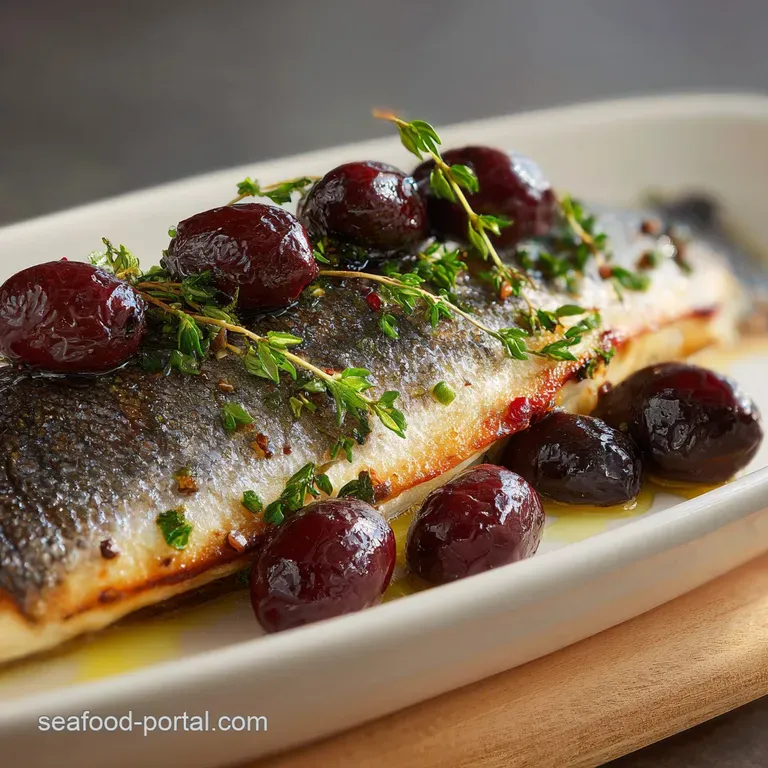
- Time: Active 10 minutes, Passive 12 minutes, Total 22 minutes
- Flavor/Texture Hook: A shatter crisp exterior giving way to buttery, velvety flakes paired with salty, concentrated bursts of fruit.
- Perfect for: A high impact date night or an impressive, light weeknight dinner.
- Easy CrispySkin Branzino with Roasted Olives
- Silky Fish Meets Briny Roasted Olives
- Science Behind the Perfect Fish Sear
- Essential Specs for Two Servings
- Sourcing the Best Mediterranean Ingredients
- The Best Skillets for Seafood
- Step-by-Step Sizzle and Roast Method
- Fixes for Soggy or Broken Fillets
- Flavor Swaps for Every Season
- Storage and Zero Waste Methods
- Plating Like a Professional Chef
- High in Sodium
- Recipe FAQs
- 📝 Recipe Card
Easy CrispySkin Branzino with Roasted Olives
Close your eyes and listen. That high pitched, rhythmic crackle hitting the hot oil is the sound of success. I still remember the first time I tried to sear a piece of fish without any guidance, and it was a total disaster.
The skin stuck to the pan, the meat shredded into a sad pile of mush, and I ended up eating what looked like fish flavored scrambled eggs. It was heartbreaking because I knew how incredible it could be when done right.
That frustration led me down a rabbit hole of technique. I realized that achieving that legendary shatter crunch skin isn't about luck or expensive gear. It's about managing moisture and patience. This Easy CrispySkin Branzino with Roasted Olives is the culmination of those kitchen scars.
When you finally flip that fillet and see that even, mahogany gold crust, you'll feel like a absolute rockstar.
The contrast here is what makes it so special. You have the clean, mild sweetness of the branzino playing against the intense, salty funk of Kalamata olives that have been transformed by the oven's heat.
Add in the zing of lemon and the aromatic warmth of oregano, and you have a plate that feels like a summer evening on the Mediterranean coast. It's simple, it's fast, and honestly, it's one of the most rewarding things you'll ever cook.
Silky Fish Meets Briny Roasted Olives
The magic of this dish lies in the balance of elements that wake up every corner of your palate. We aren't just tossing things in a pan; we're layering textures and flavors to create a cohesive experience. This recipe focuses on the interplay between the rich fats of the fish skin and the bright acidity of the citrus.
- Salty/Briny
- Pitted Kalamata olives
- Bright/Acidic
- Fresh lemon juice and slices
- Earthy/Pungent
- Smashed garlic and dried oregano
- Rich/Fatty
- Extra virgin olive oil and cold pressed finishing oil
- Savory/Umami
- Maillard browned fish skin
Science Behind the Perfect Fish Sear
- Maillard Reaction
- High heat triggers a chemical reaction between amino acids and reducing sugars, creating that savory crust.
- Moisture Evaporation
- Surface water must vanish before the skin can exceed 212°F and begin the browning process.
- Protein Coagulation
- Rapid heat sets the fish structure, preventing it from falling apart when you attempt the flip.
- Lipid Rendering
- The thin layer of fat under the skin melts, essentially shallow frying the skin from the inside out.
| Fillet Thickness | Internal Temp | Rest Time | Visual Cue |
|---|---|---|---|
| 0.5 inch | 135°F | 2 mins | Opaque and flakes easily |
| 0.75 inch | 140°F | 3 mins | Center is just barely translucent |
| 1.0 inch | 145°F | 3 mins | Flesh is fully white and firm |
The internal temperature is vital because fish carries over a lot of heat. Pulling it just before it hits the target ensures it stays moist rather than turning into dry tinder. Using the right technique here is similar to the precision needed for a Fish Recipes that relies on gentle heat to preserve flake integrity.
Essential Specs for Two Servings
This recipe is designed specifically for two people, making it an ideal choice for a quiet dinner at home. Because we are working with delicate fillets, the timing is tight and requires your full attention. You aren't just cooking; you're managing a 22 minute window of heat and aroma.
| Method | Time | Texture | Best For |
|---|---|---|---|
| Cast Iron Sear | 12 mins | Maximum crunch | Deeply savory skin |
| Non Stick Pan | 15 mins | Delicate finish | Beginners worried about sticking |
| over High heat Bake | 18 mins | Uniformly tender | Cooking for larger groups |
Each method has its merits, but for this specific Easy CrispySkin Branzino with Roasted Olives, the cast iron approach is the gold standard. It provides the thermal mass needed to keep the pan hot even when the cold fish hits the surface.
Sourcing the Best Mediterranean Ingredients
The success of a simple dish like this depends entirely on the quality of what you put into it. You cannot hide behind heavy sauces or complex spices. Every ingredient must stand on its own. If you want another example of how simple ingredients create a "wow" factor, look at the butter basting technique in this Crispy Skin Salmon recipe.
| Component | Science Role | Pro Secret |
|---|---|---|
| Branzino Fillet | Protein base | Bone dry skin is non negotiable for crunch |
| Kalamata Olives | Acidic salt burst | Pat them dry to avoid "steaming" the pan |
| Smashed Garlic | Aromatic infusion | Keep skins on to prevent bitter burning |
| Cold Pressed Oil | Flavor finisher | Adds a velvety mouthfeel at the very end |
- 2 Branzino fillets (6 oz each)
- Skin on and scaled. Why this? Branzino has a high fat content that renders beautifully for a crisp finish.
- 1 tbsp Extra virgin olive oil
- high-quality oil for searing.
- 0.5 tsp Flaky sea salt
- For crunch and seasoning.
- 0.75 cup Pitted Kalamata olives
- Pitted and patted dry. Why this? Their brine provides the primary salt profile for the entire dish.
- 1 Organic lemon
- Half thinly sliced, half for juicing.
- 2 Cloves garlic
- Smashed but left mostly whole.
- 1 tsp Dried oregano
- Concentrated herbal notes.
- 1 tbsp Fresh parsley
- Roughly chopped for brightness.
- 1 tsp cold pressed finishing oil
- To add a rich, raw olive flavor at the end.
The Best Skillets for Seafood
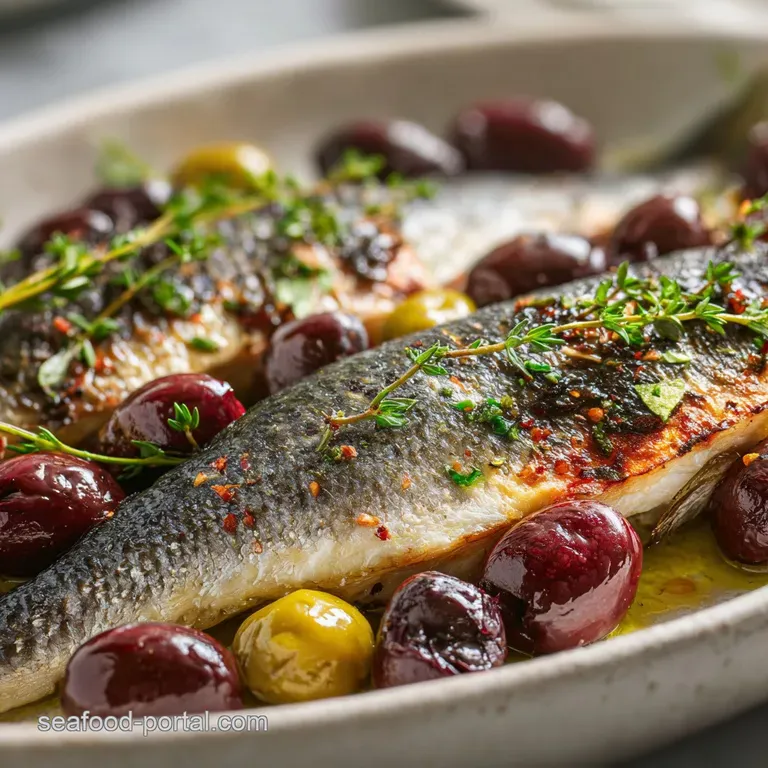
You need a pan that can handle high heat and distribute it evenly. I prefer a heavy bottomed stainless steel pan or a well seasoned cast iron skillet. These materials hold onto their heat, which is essential because the second that fish touches the metal, the pan temperature will drop.
Chef Tip: If you're using stainless steel, use the "Leidenfrost" test. Drop a bead of water into the dry pan. If it rolls around like a marble without evaporating, the pan is perfectly preheated for a non stick sear.
Avoid flimsy, thin aluminum pans. They create hot spots that will burn the skin in one corner while leaving it flabby in another. A good fish spatula, which is thin and flexible, is also your best friend here. It allows you to get under the delicate skin without tearing it.
step-by-step Sizzle and Roast Method
- Dry the fish. Use paper towels to blot the skin of the 2 Branzino fillets until it feels tacky and bone dry. Note: This prevents the fish from steaming instead of searing.
- Season the skin. Sprinkle the flaky sea salt and black pepper onto the skin side only.
- Preheat the skillet. Heat 1 tbsp extra virgin olive oil in a heavy pan over medium high heat until it starts to shimmer and smoke slightly.
- The initial sear. Place fillets skin side down. Press firmly with a spatula for 30 seconds to prevent the natural curling.
- Add the aromatics. Toss in the 0.75 cup Kalamata olives, 2 smashed garlic cloves, and lemon slices around the fish.
- Sizzle and render. Cook undisturbed for 4-5 minutes until the skin is dark gold and releases easily from the pan.
- The flip. Gently turn the fillets over. Add the 1 tsp dried oregano to the oil in the pan.
- Finish the roast. Transfer the pan to a preheated 400°F oven (if using a stovetop only method, simply lower the heat and cover).
- Doneness check. Roast for 4-6 minutes until the fish is opaque and the olives are slightly blistered.
- Garnish and serve. Drizzle with the 1 tsp cold pressed finishing oil, fresh lemon juice, and the 1 tbsp fresh parsley.
Fixes for Soggy or Broken Fillets
The most common heartbreak with this dish is the "stuck skin." If your fish is sticking, the most likely culprit is a lack of patience. Most fish will naturally release from the pan once the proteins have fully browned and the skin has dehydrated.
Why Your Fish Skin is Soggy
If the skin comes out chewy or soft, it’s usually because of residual moisture. Even if the fish looks dry, moisture can hide in the scales. Use the back of a knife to "scrape" the skin before seasoning; you'll be surprised how much water comes off. This is the same logic used for a Pan Seared Salmon recipe where the fat needs to render completely.
| Problem | Root Cause | Solution |
|---|---|---|
| Skin sticks to pan | Pan wasn't hot enough | Wait for oil to shimmer before adding fish |
| Meat is dry/tough | Overcooked in the oven | Use a thermometer; pull at 135°F |
| Bitter flavor | Garlic burnt in pan | Add garlic later or keep skins on |
Common Mistakes Checklist:
- ✓ Pat the skin dry at least twice with fresh paper towels.
- ✓ Don't move the fish for the first 2 minutes of searing.
- ✓ Ensure the olives are dried so they don't leak water into the oil.
- ✓ Use a heavy weight or spatula to keep the fillet flat during the initial sear.
- ✓ Rest the fish for 3 minutes before serving to allow juices to redistribute.
Flavor Swaps for Every Season
Branzino is wonderfully versatile, but don't feel locked into it if your local market is out of stock. You can apply this exact technique to many other types of seafood. The roasted olive base is also a canvas that can be adjusted to suit your mood or the season.
| Original Ingredient | Substitute | Why It Works |
|---|---|---|
| Branzino Fillets | Red Snapper Fillets | Similar thickness and skin texture. |
| Kalamata Olives | Castelvetrano Olives | Sweeter, buttery flavor; less punchy salt. |
| Dried Oregano | Fresh Thyme | Adds a more floral, woodsy aroma. |
If you are looking for a completely different profile that still offers that luxurious mouthfeel, you might enjoy the techniques used in a Silky Salmon with recipe. It swaps the sharp brine of olives for a velvety herb cream.
Storage and Zero Waste Methods
Fish is always best eaten immediately, but life happens. If you have leftovers, store them in an airtight container in the fridge for up to 2 days. To reheat, do not use the microwave! It will turn the fish into rubber.
Instead, place the fillets in a cold pan with a teaspoon of water, cover with a lid, and heat over medium low until just warmed through.
For zero waste, save those lemon rinds and garlic skins. You can simmer them with fish bones (if you bought the whole fish) to make a quick, light stock for risotto. The leftover roasted olives and garlic are incredible when chopped up and stirred into a morning omelet or tossed with some cold pasta and a bit of feta for a quick lunch.
Plating Like a Professional Chef
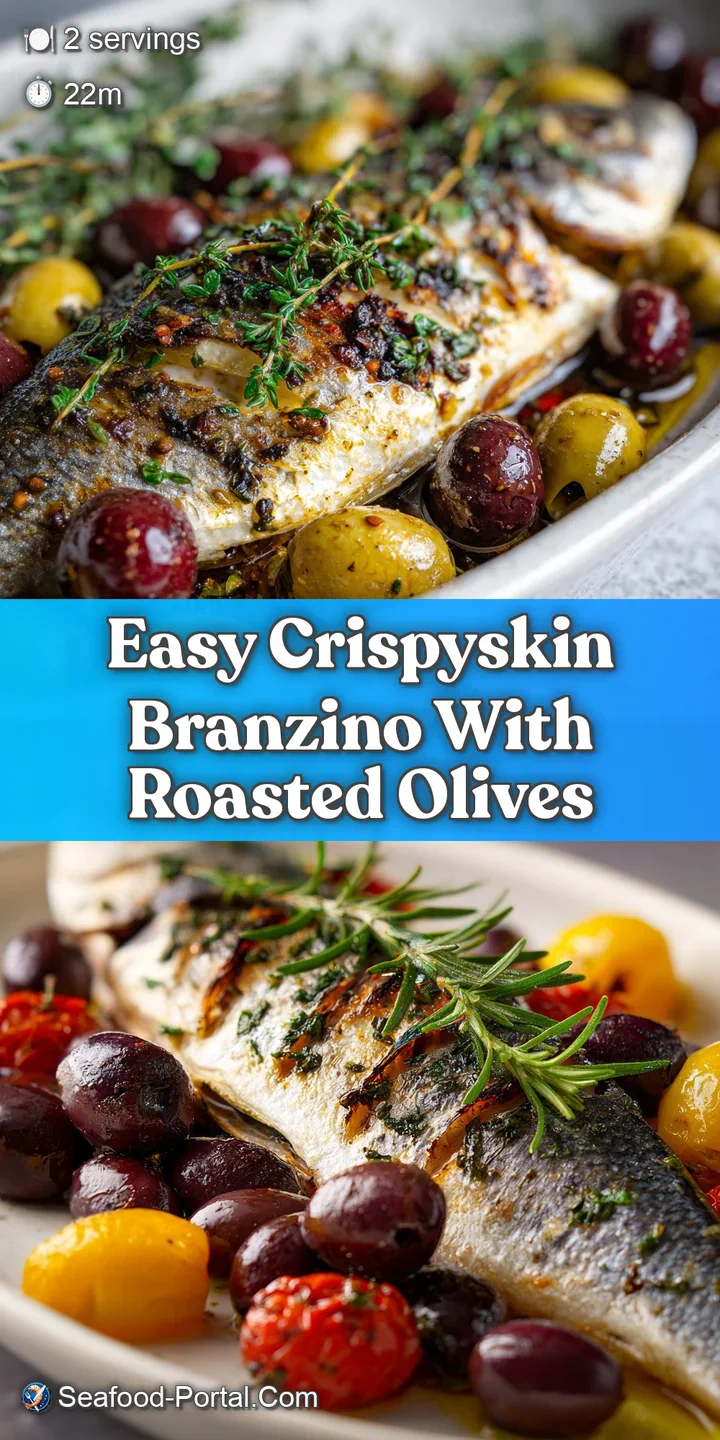
To make this Easy CrispySkin Branzino with Roasted Olives look as good as it tastes, think about height and color. Start by placing a small bed of the roasted olives and charred lemon slices in the center of the plate.
Rest the branzino fillet on top, skin side up, so the "shatter" crunch is the first thing your guest sees.
Drizzle the remaining oil from the pan over the top it’s infused with garlic and oregano and is liquid gold. Finish with a shower of fresh parsley and a final pinch of flaky sea salt.
The contrast of the dark, blistered olives against the white fish and bright green herbs creates a vibrant, appetizing look that screams freshness. It’s a simple meal, but with these small touches, it feels like a total triumph. Trust me, once you master that skin, you'll never look at fish the same way again.
High in Sodium
1075 mg of sodium per serving (47% of daily value)
The American Heart Association recommends limiting sodium intake to about 2,300mg per day for overall cardiovascular health.
Smart Swaps to Lower Sodium
-
Olive Reduction-20%
Kalamata olives are a significant source of sodium. Reduce the quantity to 1/4 cup, or substitute with a lower sodium olive variety like Castelvetrano. This will noticeably decrease the sodium content of the dish.
-
Salt Control-15%
Eliminate the flaky sea salt entirely and rely on other flavors for seasoning. A squeeze of lemon juice and the herbs provide ample taste without added sodium.
-
Lemon Power-5%
Enhance the lemon flavor by using the zest of the lemon in addition to the juice and slices. Zest adds a bright, intense flavor without any sodium.
-
Herb & Spice Boost
Experiment with different combinations of fresh and dried herbs and spices, such as thyme, rosemary, or chili flakes, to enhance the flavor profile without adding any sodium.
Recipe FAQs
What is the secret to achieving truly crispy branzino skin?
Pat the skin until it is completely dry. Moisture is the enemy of crispness; any surface water will steam the skin instead of searing it. You must ensure zero moisture remains before the fish hits the hot oil.
How long should the branzino sear on the skin side before I can flip it?
Sear undisturbed for 4 to 5 minutes over medium high heat. The fillet will naturally release from the pan when the skin is sufficiently browned and dehydrated, signaling it is safe to flip without tearing.
Can I substitute the branzino with another fish like cod or tilapia?
Yes, but monitor the cooking time closely. This technique works best with fish that have skin that crisps well, like snapper or trout. If using a thinner fillet like tilapia, reduce the initial sear time to prevent overcooking the meat before the skin sets, similar to the technique in our Pan-Seared Tilapia with recipe.
Is it necessary to roast the olives with the fish, or can they be cooked separately?
No, roasting them together is crucial for flavor infusion. The heat activates the residual oil and salt from the olives, allowing their intense flavor to permeate the air around the fish during the final bake.
What internal temperature should the branzino reach for perfect doneness?
Pull the fish from the heat when the thickest part reads 135°F. Fish carries over significant heat after removal, so cooking it to 140°F or higher on the stove will likely result in dry flesh.
How do I prevent the garlic cloves from burning during the initial sear?
Add the garlic and oregano halfway through the skin side sear, right before flipping. This protects them from the initial high heat of the oil. If you notice them darkening too fast, pull them out and add them back in during the oven roast phase.
What is the best method for reheating any leftover crispy branzino?
Use the lowest possible heat on the stovetop, covered. Do not microwave leftover fish, as it rapidly ruins the texture. Reheating gently with a splash of water and a lid restores some moisture without sacrificing the remaining crispness.
Easy Crispy Skin Branzino
Ingredients:
Instructions:
Nutrition Facts:
| Calories | 352 kcal |
|---|---|
| Protein | 33 g |
| Fat | 21 g |
| Carbs | 5 g |
| Fiber | 1.5 g |
| Sugar | 1 g |
| Sodium | 1075 mg |
