Easy Boiled Octopus Thats Shockingly Tender
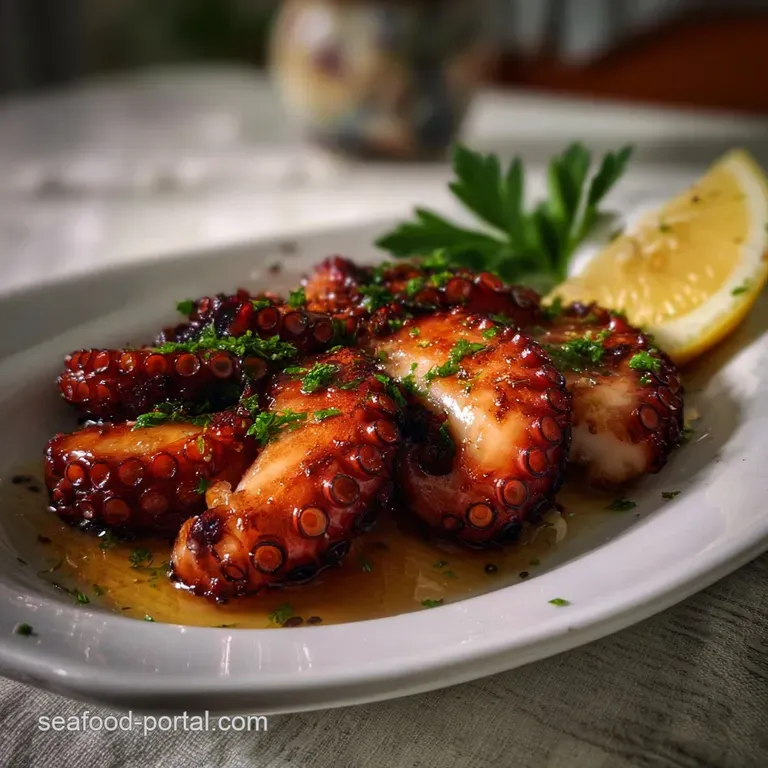
- Time: Active 15 minutes, Passive 1 hours 30 mins, Total 1 hours 45 mins
- Flavor/Texture Hook: Silky, tender tentacles with a bright, lemony finish
- Perfect for: Impressive dinner parties, healthy meal prep, or a Mediterranean feast
- Mastering This Easy Boiled Octopus Thats Shockingly Tender Recipe
- The Science of Collagen and Heat Mechanics
- Necessary Ingredients for This Silky Seafood Dish
- Essential Tools for Consistent and Tender Results
- Step-by-Step Guide to Achieving a Velvety Texture
- Fixing Common Mistakes for a Flawless Result
- Simple Ways to Adjust Your Batch Size
- Traditional Storage and Repurposing Your Cooking Liquid
- Plating and Pairing for a Mediterranean Dinner
- Breaking the Myths of the Pot
- Recipe FAQs
- 📝 Recipe Card
Mastering This Easy Boiled Octopus Thats Shockingly Tender Recipe
I still remember the first time I tried to cook octopus at home. It was a disaster. I followed a random recipe that said to just "boil it until done," and I ended up with something that had the texture of a thick rubber band and the flavor of... well, nothing.
It was frustrating because I knew how velvety and rich it could be when done right. I almost gave up on it entirely until an old chef friend told me the secret isn't just the heat, but the ritual of the preparation itself.
Getting that Easy Boiled Octopus Thats Shockingly Tender isn't about some secret ingredient or fancy machinery. It's about understanding how to treat the protein with a bit of respect and a lot of patience.
If you've ever been intimidated by those long, curly tentacles at the fish market, this is your sign to grab them. We're going to use a low and slow approach that breaks down the tough bits while keeping the skin perfectly intact and the flavor concentrated.
This method is surprisingly hands off once you get the pot going. You'll have plenty of time to whip up a side dish or pour yourself a glass of crisp white wine while the kitchen starts to smell like a coastal taverna.
Trust me, once you slice into that first tender tentacle, you'll never settle for the pre cooked, rubbery versions again. We're aiming for a texture so soft a butter knife could glide through it.
The Science of Collagen and Heat Mechanics
The reason octopus often turns out like a tire is its massive amount of connective tissue. Unlike a steak, which has fat marbled throughout, an octopus is almost pure muscle and collagen. To get it right, we have to look at how these fibers react to temperature over time.
- Collagen Conversion: Long chain proteins in the octopus's muscles require steady heat at 180-190°F to transform into silky gelatin.
- Acid Induced Tenderization: The acetic acid in vinegar and citric acid in lemon help break down protein bonds before they tighten up too much.
When you use this tender octopus recipe, you're essentially performing a slow motion magic trick on the cellular structure. If you're looking for more seafood inspiration after this, you might also enjoy my Almondine Fish recipe which uses similar gentle heat principles for a different result.
| Cooking Method | Cook Time | Texture Profile | Effort Level |
|---|---|---|---|
| Stovetop Simmer | 1 hours 30 mins | Silky, consistent, traditional | Medium |
| Oven Braise | 2 hours | Drier, more concentrated flavor | Low |
| Pressure Cooker | 15 minutes | Soft but skin often falls off | Very High |
Selecting the right method depends on your goals, but for that classic Mediterranean feel, the stovetop simmer is the gold standard. It allows you to monitor the doneness perfectly.
Necessary Ingredients for This Silky Seafood Dish
| Ingredient | Science Role | Pro Secret |
|---|---|---|
| Red Wine Vinegar | Protein Denaturation | Helps the skin stay purple and vibrant rather than grey. |
| Whole Lemon | pH Balance | The oils in the zest add a floral note that cuts through the richness. |
| Sea Salt | Osmotic Pressure | Seasoning from the inside out ensures every bite is flavorful. |
| Garlic Cloves | Aromatic Base | Smashed cloves release allicin slowly for a mellow, sweet undertone. |
The foundation of a great easy boiled octopus starts with these pantry staples. Each one plays a part in the chemistry of the pot.
The Component List
- 2.5 lbs whole octopus, cleaned (beak and eyes removed) Why this? Larger specimens have better fat to muscle ratios for tenderness.
- 5 quarts water Why this? Plenty of volume prevents temperature drops when adding the fish.
- 0.25 cup red wine vinegar Why this? Softens the exterior skin while adding subtle tang.
- 1 tbsp sea salt
- 3 dried bay leaves
- 1 tbsp whole black peppercorns
- 1 whole lemon, halved
- 4 cloves garlic, smashed
Essential Tools for Consistent and Tender Results
You don't need much, but a heavy bottomed pot is non negotiable. I use a large Dutch oven because it holds heat like a champion. If you use a thin, cheap pot, the temperature will fluctuate every time a breeze hits it, and that’s a recipe for unevenly cooked meat.
You also want a good pair of long handled tongs to manage the "triple dip" ritual without getting splashed by the hot liquid.
A sharp chef's knife is also vital for the final prep. Once the octopus is chilled or rested, you'll want to make clean, diagonal slices to showcase the beautiful suction cups. If your knife is dull, you'll just tear the delicate skin we worked so hard to preserve.
Honestly, skip the fancy gadgets and just focus on a solid pot and a sharp blade.
step-by-step Guide to Achieving a Velvety Texture
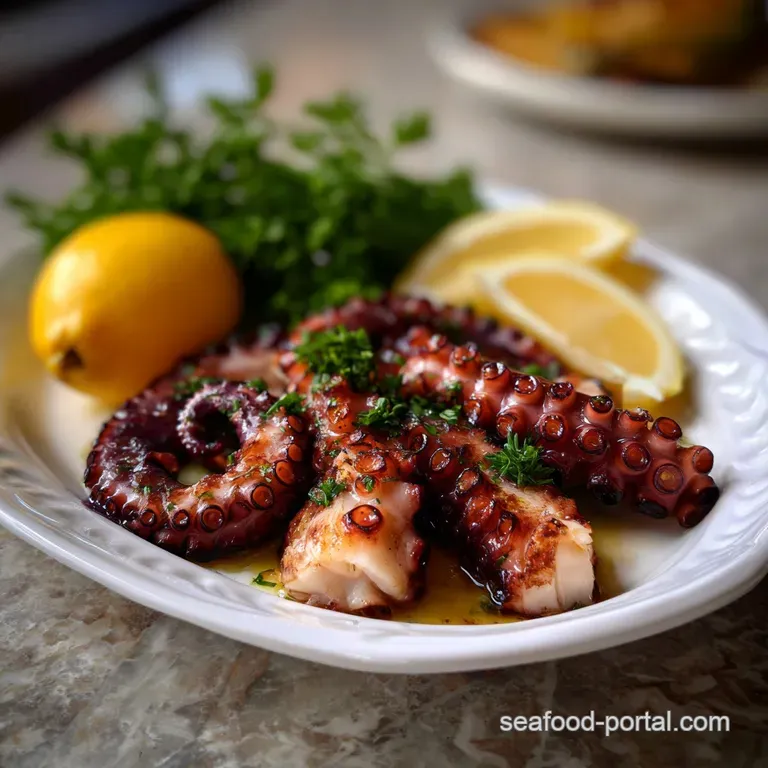
Phase 1: Prep Work
Rinse your 2.5 lbs of cleaned octopus under cold running water. Even if it came "cleaned" from the market, I always check the head cavity for any remaining bits and double check that the beak (the hard bit in the center of the legs) is gone.
Phase 2: The Dip
Bring the 5 quarts of water, 0.25 cup red wine vinegar, 1 tbsp sea salt, bay leaves, peppercorns, lemon halves, and smashed garlic to a rolling boil. Hold the octopus by the head and dip the tentacles into the boiling water for 5 seconds, then lift it out.Note: Repeat this 3 times until the tentacles curl into beautiful spirals.
Phase 3: The Simmer
Lower the octopus fully into the pot and reduce the heat to a very gentle simmer. You should see only a few bubbles breaking the surface. Simmer for 1 hours 30 mins. Note: Boiling too hard will cause the skin to rupture and the meat to become stringy.
Phase 4: The Rest
Test for doneness by inserting a paring knife into the thickest part of a tentacle. It should slide in with zero resistance. Turn off the heat. Let the octopus sit in the cooking liquid for 20 minutes.
Note: This "carryover" period allows the fibers to relax and soak up the aromatics.
Phase 5: The Final Prep
Lift the octopus out of the liquid and place it on a cutting board. If you're serving it cold, let it reach room temperature before refrigerating. If you're going for a char, pat it bone dry with paper towels immediately.
Fixing Common Mistakes for a Flawless Result
One of the most common issues people face when learning how to cook octopus tender is the skin falling off. It looks messy and ruins the presentation. Usually, this happens because the water was boiling too violently. The agitation of the bubbles literally shakes the skin off the meat.
Keep it low, keep it slow.
Why Your Octopus is Tough
The most common culprit for rubbery results is undercooking. Many people get scared of "overcooking" seafood and pull it out too early. Octopus is the opposite of shrimp; it needs time. If it’s tough, it almost always needs another 15 or 20 minutes in the pot.
| Problem | Root Cause | Solution |
|---|---|---|
| Skin Slighting Off | Boiling too vigorously | Keep the water at a gentle simmer, barely bubbling. |
| Rubbery/Chewy Meat | Undercooked collagen | Continue simmering in 10 minute increments until knife tender. |
| Bland Flavor | Lack of salt in water | Ensure the simmering liquid is as salty as a light soup. |
Common Mistakes Checklist
- ✓ Don't skip the "triple dip" it sets the shape and protects the skin.
- ✓ Avoid adding the octopus to cold water; the thermal shock is necessary for the curl.
- ✓ Never discard the cooking liquid immediately; it’s liquid gold for other dishes.
- ✓ Don't rush the cooling process; letting it sit in the pot prevents the meat from drying out.
Simple Ways to Adjust Your Batch Size
If you're cooking for a crowd and doubling the recipe to 5 lbs, don't just double everything. You’ll need a much larger pot, but you only need to increase the salt and aromatics by about 50% (1.5x). Too much vinegar can start to pickle the meat if the volume is too high.
You might need to add an extra 15 minutes to the cook time because the sheer mass of the meat will lower the water temp more significantly at the start.
For a smaller portion (1.25 lbs), you can halve the water and vinegar, but keep at least 2 bay leaves and 2 cloves of garlic to ensure the flavor is still present. The cook time usually stays the same regardless of weight, because the thickness of the individual tentacles is what dictates how long it takes for the heat to reach the center.
If you are a fan of traditional methods but want a different flavor profile, you might want to see my How to Grill Octopus recipe for when you want that smoky, charred finish after the boil.
Traditional Storage and Repurposing Your Cooking Liquid
Once you've finished this boiled octopus recipe, you can store the cooked meat in the fridge for up to 3 days. I actually think it tastes better on day two because the flavors have time to penetrate deeper.
To keep it moist, store it in a container with a little bit of olive oil and a splash of the strained cooking liquid.
Freezing Guidelines
Octopus freezes remarkably well. You can freeze the boiled tentacles for up to 2 months. Thaw them overnight in the fridge before using. They won't lose their texture, which makes this perfect for meal prepping.
Zero Waste Tips
Don't throw away that purple water! It is packed with octopus essence and gelatin. - Risotto Base: Use it instead of some of the chicken or veg stock for a stunning purple seafood risotto.
- Pasta Sauce: Reduce it down with some tomato paste and chili flakes for a rich, briny pasta topping.
Plating and Pairing for a Mediterranean Dinner
Now that you have your tender octopus recipe finished, how do you eat it? The most classic way is "Pulpo a la Gallega" style. Slice the tentacles into rounds, arrange them on a wooden board over boiled potato slices, and dust heavily with smoked paprika (pimentón) and a generous drizzle of high-quality extra virgin olive oil.
For something lighter, toss the chilled octopus pieces with fresh parsley, red onion, lemon juice, and capers. The contrast between the rich, fatty feel of the octopus and the sharp, acidic dressing is what makes Mediterranean food so addictive. If you're looking for a crunchy side to balance the softness, a simple Crunchy and Classic recipe could be an interesting, albeit unconventional, textured pairing for a seafood feast.
Breaking the Myths of the Pot
There's an old Mediterranean myth that says you must put a wine cork in the pot to make the octopus tender. Some say it’s the enzymes in the cork, others say it’s just tradition. The truth? It’s complete nonsense. A piece of bark isn't going to change the cellular structure of a cephalopod.
What makes it tender is the temperature control and the vinegar.
Another myth is that you should never salt the water because it toughens the meat. This comes from the idea that salt draws out moisture. While that's true for a quick sear scallop, in a 90 minute simmer, you want the salt to penetrate the meat so it isn't bland in the middle.
We are essentially poaching it, not dehydrating it. Forget the corks and the salt phobia; stick to the science and you'll get the best results every single time.

Recipe FAQs
How do you cook octopus so it's tender?
Simmer gently for a prolonged period. Octopus requires slow, steady heat to break down its tough collagen into gelatin. Avoid rapid boiling, which makes it rubbery. This is similar to how gentle heat works in recipes like our Delightful Fish Salome with Peanut Sauce: A Quick Family Favourite.
Does octopus get more tender the longer it boils?
Yes, but only up to a point. Prolonged simmering breaks down collagen, making it tender. However, cooking it for too long after it's already tender will eventually cause the fibers to disintegrate and become mushy, or even tough again.
Why do you dip octopus in boiling water three times?
To curl the tentacles and set the shape. This traditional step causes the tentacles to contract and curl elegantly. It also helps to set the skin, preventing it from peeling off during the longer simmering process.
What are the common mistakes when cooking octopuses?
The most common mistakes are boiling too vigorously, undercooking, and not salting the water. Rapid boiling can cause the skin to slough off and the meat to become tough. Undercooking leaves it rubbery. Salting the water is crucial for seasoning the meat from the inside out, much like preparing a good Seafood Boil Seasoning: Chefs Signature Homemade Mix.
Is it true that a wine cork makes octopus tender?
No, this is a common misconception. The idea of using a wine cork is a culinary myth. Tenderness comes from controlled, prolonged simmering which breaks down the connective tissues, not from any supposed enzyme in the cork.
How long should I boil octopus for?
For a 2.5 lb octopus, aim for about 1 hour and 30 minutes of simmering. The key is to test for doneness by inserting a paring knife into the thickest part of a tentacle; it should slide in with no resistance. Cooking time can vary based on size and thickness.
Can I use frozen octopus?
Yes, frozen octopus can work well, but thaw it properly. Thaw it slowly in the refrigerator for at least 24 hours to ensure even defrosting and prevent moisture loss. Properly thawed frozen octopus can achieve a tender texture, similar to fresh, especially if cooked using methods like those in our Classic Louisiana Boiled Crawfish: How to Cook Crawfish Like a Pro.
Easy Boiled Octopus Tender
Ingredients:
Instructions:
Nutrition Facts:
| Calories | 244 kcal |
|---|---|
| Protein | 42.6 g |
| Fat | 3.0 g |
| Carbs | 8.6 g |
| Fiber | 1.0 g |
| Sugar | 0.5 g |
| Sodium | 782 mg |
