Baked Halibut: Elegant with Lemon-Dill Panko Crust
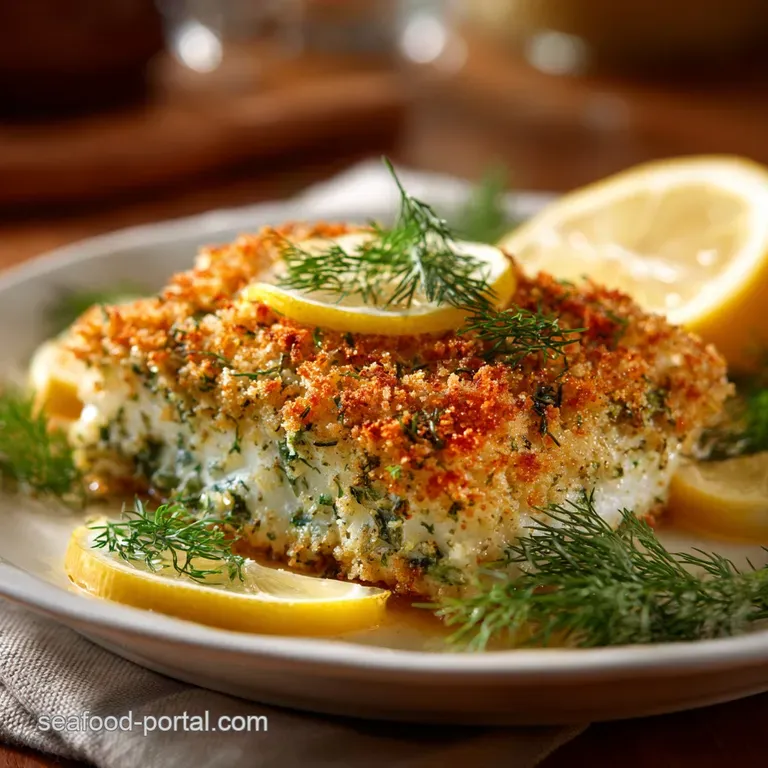
- Introducing the Champion of White Fish: Elegant Baked Halibut
- The Science of Success: Why This Halibut Stays Perfectly Moist
- Everything You Need: Essential Ingredients for Baked Halibut Perfection
- Precise Execution: How to Perfectly Bake Halibut Fillets
- Troubleshooting and Expert Pointers for Flawless Fish
- What to Serve Alongside Your Baked Halibut Dinner
- Making the Most of Leftovers: Storage and Reheating Guide
- Recipe FAQs
- 📝 Recipe Card
Introducing the Champion of White Fish: Elegant Baked Halibut
That moment when perfectly baked fish hits the counter? You get that gorgeous, subtle aroma of lemon and dill, mixed with a hint of toasted breadcrumbs. Honestly, I live for that sound the satisfying crunch of the panko giving way to the velvety, snow white flakes of the fish inside.
This Baked Halibut recipe isn't just dinner; it’s proof that sophisticated meals don't need complexity.
For years, I avoided cooking expensive white fish, terrified of ruining the fillet and creating a dry, sad disaster. But once I nailed this technique, making Easy Baked Halibut became my absolute weeknight lifesaver.
It requires maybe 15 minutes of hands-on effort and the oven handles the rest, freeing you up to pour a glass of wine or deal with whatever chaos the kids have created.
We are talking restaurant quality flavour and texture with zero fuss, zero fear, and maximum reward. This approach gives you consistently moist, flavourful fish, making it the Best Halibut Recipe you will ever try.
Let's crack on and master the art of the perfect, simple Baked Halibut .
The Science of Success: Why This Halibut Stays Perfectly Moist
The secret to truly great Baked Halibut lies in creating a flavorful moisture barrier that keeps the delicate protein from drying out, even under high heat. We're using a couple of old-school chef tricks here that totally eliminate the risk of serving cardboard textured fish.
It’s not magic; it’s just smart application of fat and crunch.
Why Halibut Excels in the Oven
Halibut is the heavyweight champion of white fish. Unlike sole or flounder, which are very delicate, halibut is firm and thick, possessing a satisfyingly meaty texture when cooked properly.
Because the fillets are robust, they hold up incredibly well under the high, quick heat necessary to achieve a crispy topping, which is why it makes such a perfect candidate for Baked Halibut .
The Bright, Zesty Flavor Profile of This Dish
We are using a classic combination of fresh lemon and dill, which perfectly complements the subtle, sweet flavor of the fish. Halibut loves acid and herbaceous notes; they wake up the whole dish. This ensures that every bite of this Baked Halibut is light and fresh, never heavy or greasy.
Prep Time vs. Cook Time: A Quick Dinner Solution
Seriously, the longest part of this entire process is waiting for the oven to preheat. The active preparation for this Easy Baked Halibut is just mixing the butter and patting the fish dry that’s it.
You can achieve this glorious Weeknight Dinner Recipe in less than 30 minutes from start to finish, which is faster than ordering takeaway.
Utilizing the Panko Crust for Moisture Protection
Here is the genius part: the Panko breadcrumb topping isn't just for crunch; it seals the butter and moisture into the top layer of the fish. Panko, being large and airy, browns beautifully without absorbing too much fat, creating a golden shield that locks the steam inside, ensuring the interior of your Baked Halibut remains fudgy and tender.
The Magic of Lemon Dill Butter Melting Technique
We start with softened, spreadable butter mixed with lemon zest and dill, not melted liquid butter. This paste creates a much thicker layer on top of the fillet than oil or liquid butter ever could.
As the fish bakes, this seasoned butter slowly melts, basting the fillet continuously from above, resulting in incredibly rich and flavorful Baked Halibut .
Understanding Halibut’s Optimal Internal Temperature
If you take away only one piece of advice from this entire blog post, make it this: use a thermometer. Halibut is done when it hits 145°F (63°C), but because of carryover cooking, we pull the fillets out at 140°F (60°C).
This precision is what separates perfectly flaky fish from tough, dry fish. It is the single most important factor for perfect Baked Halibut results every single time.
Everything You Need: Essential Ingredients for Baked Halibut Perfection
Using high-quality ingredients matters tremendously, especially when working with delicate proteins like this. Since we aren't masking the flavour, every ingredient counts. This list is tight, focusing on maximum flavour return for minimal effort, essential for the best Baked Halibut results.
Selecting the Best Halibut Fillets (Fresh vs. Frozen)
Always prioritize thickness over width; aim for fillets that are at least one inch thick. Fresh, never frozen Pacific Halibut is ideal, but high-quality frozen halibut (thawed slowly overnight in the fridge) works perfectly well for this Baked Halibut Recipe .
Just ensure they are fully thawed and patted bone dry before seasoning.
Must Haves for the Crunchy Panko Topping
Panko is mandatory here, full stop. Don't substitute it with regular breadcrumbs, which absorb too much moisture and turn into a paste. The Japanese style Panko flakes are designed to stay light and crispy, providing that satisfying texture contrast to the soft, flaky Baked Halibut .
Oil vs. Butter: Achieving Richness and Flavour
We use a tiny bit of olive oil on the fish itself to help the seasoning stick, but the main flavour delivery system is butter. Unsalted butter allows us to control the salinity, and the milk solids brown beautifully in the oven, adding a nutty richness to the crust.
Using butter is key to the overall success of this Baked Halibut .
Fresh Herbs: Optimizing Dill and Parsley
Dill provides the primary flavour element, offering a clean, slightly anise like freshness. You need fresh dill; dried dill simply won't cut it here. If you hate dill (we can still be friends!), try substituting it with fresh tarragon or a mix of parsley and chives for an equally appealing Baked Halibut .
Ingredient Substitutions at a Glance
Sometimes you’re missing one little thing, right? Don't stress, the world doesn't end if you sub out a herb. Here are my reliable swaps for mastering this Healthy Baked Fish Recipe :
| Ingredient | My Recommended Substitution | Why it works |
|---|---|---|
| Halibut Fillets | Cod, Haddock, or even thick cut Mahi Mahi | They have a similar firm texture and cook well at this temperature. |
| Fresh Dill | Fresh Tarragon or Finely Chopped Chives | Provides a similar green, herbaceous, slightly peppery lift. |
| Panko Breadcrumbs | Crushed Ritz Crackers or Flaky Almond Meal | Creates a salty, crunchy topping when mixed with butter. |
| Lemon Zest/Juice | Lime Zest/Juice or a splash of White Wine Vinegar | Provides necessary acidity to cut through the richness of the butter. |
| Unsalted Butter | high-quality Vegan Butter Block | Ensures the necessary high fat moisture barrier remains intact. |
Precise Execution: How to Perfectly Bake Halibut Fillets
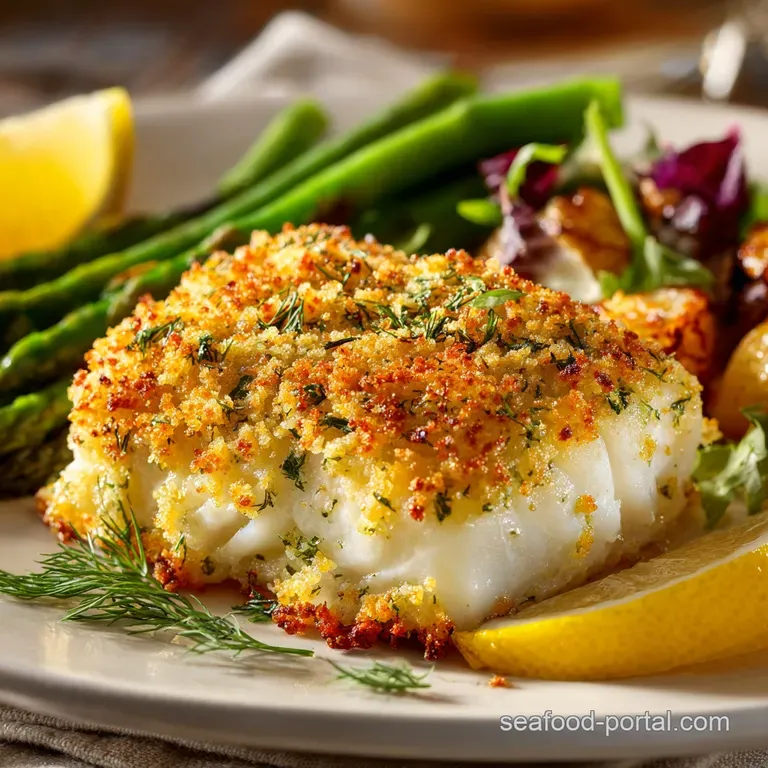
This is where the rubber meets the road. Follow these steps exactly, and you will achieve flawless, juicy Baked Halibut every single time. I know I sound bossy, but these little details make a huge difference!
Prepping the Halibut and the Baking Vessel
Preheat your oven to 400°F (200°C) and line your baking sheet with parchment paper. This parchment paper is vital; it prevents sticking and makes cleanup a dream. Next, pat those halibut fillets DRY with paper towels. I mean really dry.
Damp fish will steam, preventing that amazing crust from forming on your Baked Halibut .
Layering the Lemon Dill Butter Base
Get that softened butter, dill, lemon zest, lemon juice, and optional garlic all mixed up until it looks like a creamy, pale green paste. Spread this mixture generously and evenly across the top of the dry, seasoned halibut fillets.
Don't skimp on the butter ; this is the moisture insurance policy for your Baked Halibut .
Applying and Setting the Crunchy Panko Crust
After applying the butter, sprinkle the Panko breadcrumbs over the top. Use your fingertips to gently press the Panko into the butter layer so it adheres well. This ensures that the crust forms a stable structure before it hits the oven. Now your Baked Halibut is ready for its transformation.
The Final Bake: Temperature and Timing Calibration
Place the fillets on the middle rack. Bake for 12 to 15 minutes, depending on thickness. If your fillets are closer to 1 inch thick, check them at 11 minutes. If they are closer to 1.5 inches, plan for 14- 15 minutes.
High heat speeds up the cook time, keeping the interior tender and perfect.
Preventing Overcooking: The Flake Test vs. Thermometer
Yes, you can use the fork test (fish should flake easily), but I promise, the only true way to guarantee non-dry Baked Halibut is using a thermometer. Pull it at 140°F (60°C).
Trust me, those residual few degrees will push it right to 145°F (63°C), leaving you with a perfectly tender centre.
Crucial Chef’s Note: If your crust is still pale after 12 minutes but the fish is perfectly cooked (140°F), slide the tray under a hot broiler (grill) for 30 seconds. Do not walk away!
This quick blast will toast the Panko beautifully without drying out the interior of the Baked Halibut .
Avoiding a Soggy Panko Topping
The biggest enemy of the Panko topping is moisture migrating up from the fish. We solved this with the dry pat-down and the thick butter layer, which acts as a shield. Make sure you don't crowd the pan, either; space allows air to circulate, guaranteeing a crisp crust on every piece of Baked Halibut .
Troubleshooting and Expert Pointers for Flawless Fish
I’ve made every mistake in the book, from unevenly cooked fillets to crusts that slide right off. These pointers will help you sidestep the rookie errors when making your Baked Halibut .
The Mistake I Once Made: Under Seasoning
Halibut is dense, and it needs robust seasoning. I once just put a tiny sprinkle of salt on the exterior, and the finished fish tasted bland and disappointing. Remember, we need to season the fish itself and the butter mixture generously for truly delicious Garlic Halibut Recipes .
Why Your Crust Might Be Falling Off
If your panko crust isn't sticking, the butter layer was likely too thin or too cold. Ensure the butter is truly room temperature and spreadable (like thick frosting), not hard. This soft base allows the panko to be pressed firmly into the butter, creating structural integrity before baking your Baked Halibut .
What to Serve Alongside Your Baked Halibut Dinner
This bright, zesty fish pairs wonderfully with textures that are either creamy or lightly crisp. You need something to soak up those lovely lemon butter juices left on the plate! This is truly one of the most versatile White Fish Recipes Oven can produce.
Ideal Starch Pairings (Beyond Rice)
While rice is fine, I prefer starches with a bit more complexity. Try a creamy Saffron Risotto or my recipe for simple roasted fingerling potatoes tossed in rosemary and garlic. If you want something quick, a simple polenta cooked with a splash of cream works beautifully with Baked Halibut . For something lighter, consider my Baked Lemon Cod: The 25 Minute Zingy Weeknight Dinner Recipe served over a bed of quinoa.
Green Vegetable Complements that Enhance the Lemon Zest
Asparagus or green beans are classic for a reason. Blanch them quickly, then toss them in a pan with a tiny bit of olive oil and a squeeze of fresh lemon juice. They echo the flavour profile of the Baked Halibut without overwhelming it.
A simple side salad dressed with a bright vinaigrette also works wonders.
Wine and Beverage Pairings for Delicate White Fish
You want something crisp and dry that can stand up to the acidity of the lemon but won't overpower the delicate fish. A sharp Sauvignon Blanc or a Pinot Grigio are excellent choices. If you prefer red, stick to something very light and chilled, perhaps a Beaujolais.
When serving this gorgeous Baked Halibut , keep the drinks light and refreshing.
Making the Most of Leftovers: Storage and Reheating Guide
Because halibut is relatively lean, handling leftovers requires a little finesse to prevent drying them out. But does Baked Halibut freeze well? Yes, under the right conditions!
Safely Storing Cooked Halibut (Fridge Longevity)
Once completely cool, transfer any leftover Baked Halibut to an airtight container. It will last safely in the refrigerator for up to 3 days. I find that on day two, it’s still fantastic crumbled over a fresh salad or tucked into fish tacos.
Best Techniques for Reheating Without Drying Out the Fish
DO NOT microwave it unless you enjoy rubbery fish and an aroma that permeates your house for hours. The best way to reheat Baked Halibut is in a low oven (300°F / 150°C) for about 8 to 10 minutes, covered loosely with foil. This gently warms the interior without incinerating the crust. If you are having people over, and need another quick appetizer, check out my recipe for Butter Parmesan Baked Scallops: Easy, Crispy, Restaurant Quality Appetizer .
Can You Freeze Halibut After Baking?
Yes, you can, but the texture of the crust will suffer slightly. To freeze cooked Baked Halibut , wrap individual fillets tightly in plastic wrap, then place them inside a freezer bag, squeezing out all the air. It will keep for up to 2 months.
Thaw overnight in the fridge and reheat gently using the low oven method described above for the best results. This makes preparing several pieces of Baked Halibut ahead of time a viable option!
I hope this recipe helps you conquer your fear of cooking expensive fish. Achieving perfect, tender Baked Halibut really boils down to having a great lemon dill butter paste, a crunchy Panko shield, and, most importantly, pulling it out of the oven at precisely the right temperature.
Enjoy this fantastic, foolproof Baked Halibut dinner!
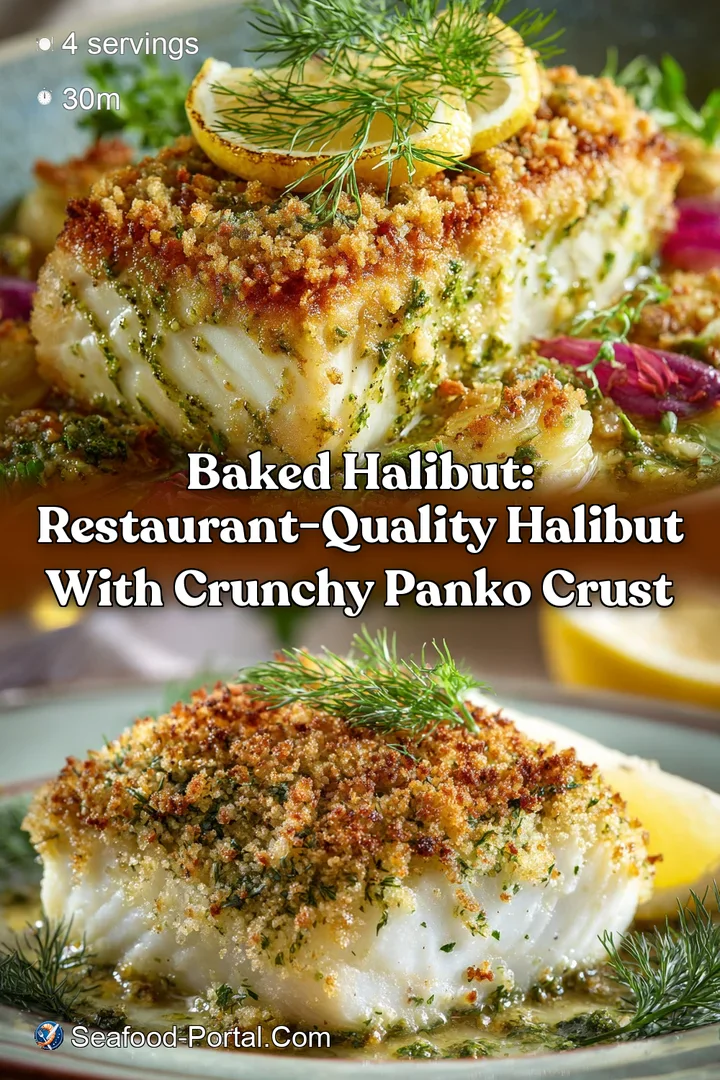
Recipe FAQs
Why is my baked halibut dry or tough?
Halibut is a lean fish, meaning it lacks the internal fat necessary to stay juicy when overcooked. To prevent this, bake until the internal temperature reaches exactly 145°F (63°C) and remove it immediately, as carryover cooking will finish the process.
If you notice any liquid pooling (albumin), you are close to overcooking.
How do I ensure the Panko topping stays crunchy and doesn't get soggy?
The key to maximum crispness is ensuring the halibut fillets are patted completely dry before applying the topping. Additionally, you can pre-toast the panko breadcrumbs in a dry skillet for 2 minutes before mixing them with the lemon dill butter, intensifying the crunch and flavor.
Can I substitute halibut with another type of fish?
Yes, you can use other firm, thick white fish, such as cod, black cod (sablefish), or thick sea bass fillets. Be mindful of thickness; thinner cuts like true cod loin may require 2-4 minutes less baking time to achieve the proper internal temperature.
I need to make this gluten-free or keto. How can I adapt the Panko crust?
For a gluten-free crust, substitute the Panko with a blend of almond flour and shredded Parmesan cheese for texture and flavor. For a keto alternative, crushed pork rinds (chicharrones) offer a fantastic, savory crunch and hold up well during baking.
How far in advance can I prepare the components of this recipe?
You can mix the lemon dill butter and crunchy panko topping up to 24 hours ahead of time and store it chilled in an airtight container. However, only apply the topping to the raw halibut fillets immediately before baking to prevent the seasoning from drawing moisture out of the fish.
What is the best way to reheat leftover baked halibut without drying it out?
Store leftovers in the refrigerator for up to three days. To reheat, place the fish on a baking sheet, cover it loosely with foil to lock in moisture, and warm it in a preheated oven at 300°F (150°C) for 8-10 minutes. Avoid the microwave, as it tends to make the fish rubbery.
Can I cook this recipe on the grill instead of baking it?
Yes, but use a cedar plank or place the halibut fillets inside a foil pouch to manage the heat and protect the delicate topping. Grill over medium high heat for approximately the same amount of time as baking, aiming for that critical internal temperature of 145°F.
Easy Baked Halibut With Panko
Ingredients:
Instructions:
Nutrition Facts:
| Calories | 378 kcal |
|---|---|
| Protein | 37.1 g |
| Fat | 18.3 g |
| Carbs | 13.5 g |
