Easy Baked Halibut with Brown Butter and Crispy Sage
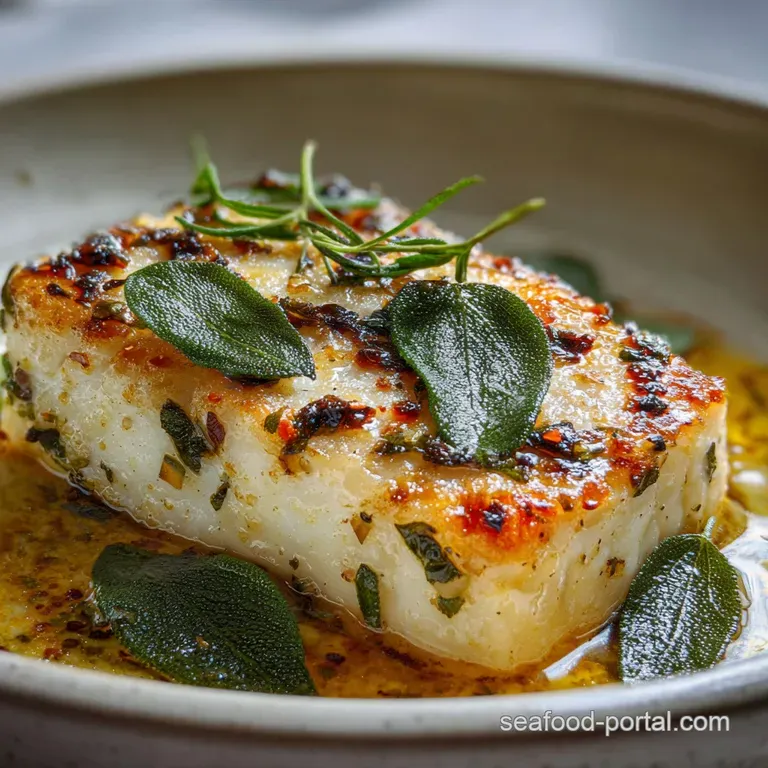
- Time: Active 10 mins, Passive 12 mins, Total 22 mins
- Flavor/Texture Hook: Flaky, velvety white fish with a buttery, shatter crisp sage finish
- Perfect for: An impressive weeknight dinner that looks far more technical than it actually is
- Why This Specific Method Succeeds
- Essential Specs for Timely Cooking
- Fresh Ingredients for Deep Flavor
- Tools Needed for Flawless Results
- How to Bake Perfect Halibut
- Solve Common Fish Cooking Issues
- Creative Ways to Change Flavors
- Guide for Storing and Reheating
- Serving Ideas for Elegant Dinners
- Debunking Fish Cooking Myths
- Recipe FAQs
- 📝 Recipe Card
The first time I tried to cook halibut, I treated it like a steak. I cranked the heat, threw it in a pan, and waited for a dark crust. The result? A dry, stringy mess that tasted like disappointment.
It took me years of experimenting to realize that halibut doesn't want to be bullied by high heat; it wants to be pampered. This article shares a simple baked halibut recipe elevated by rich brown butter and fragrant crispy sage.
There is a specific moment in this process that still gets me every time. It’s when the cold sage leaves hit the hot, bubbling butter and they start to sizzle and pop, releasing that earthy, autumnal aroma into the kitchen. The butter turns a deep mahogany, smelling like toasted hazelnuts and sunshine.
When you pour that liquid gold over the snow white flakes of the fish, something magical happens.
We are going for a texture that is firm yet gives way with the slightest pressure of a fork. If you've struggled with fish being either raw in the middle or tough as leather, this method is your safety net.
We’ll use the oven for the heavy lifting and the stovetop for the flavor, ensuring we get the best of both worlds without the stress of a sticking fillet.
Why This Specific Method Succeeds
Cooking fish often feels like a high stakes gambling game where the prize is either "silky" or "sawdust." This recipe removes the gamble by separating the cooking process into two distinct phases: gentle roasting and active basting.
This ensures the protein doesn't tighten up too quickly, which is the primary cause of moisture loss in lean white fish like halibut.
- Gentle Thermal Curve: Roasting at a moderate temperature allows the heat to penetrate the 1 inch thick fillets evenly, preventing the exterior from overcooking before the center reaches its target.
- Lipid Based Insulation: Coating the fish in olive oil before it hits the oven creates a thin barrier that reduces surface evaporation, keeping the interior juices where they belong.
- The Maillard Assist: While we aren't searing the fish, the milk solids in the brown butter undergo a Maillard reaction on the stovetop, providing the savory, toasted notes usually missing from baked dishes.
- Aromatic Infusion: The smashed garlic and sage leaves release fat soluble flavor compounds into the butter, which then act as a delivery system for seasoning every crevice of the fish.
| Method | Prep Time | Resulting Texture | Reliability |
|---|---|---|---|
| Stovetop Pan Sear | 5 mins | Crispy skin, high risk of sticking or drying out | Medium |
| Oven Baking (This Recipe) | 10 mins | Uniformly flaky, succulent, velvety interior | High |
| Poaching in Liquid | 15 mins | Extremely soft, but lacks the savory "browned" flavor | High |
Choosing the oven over the pan is especially helpful if you're cooking for a group. Instead of hovering over a spitting skillet, you can prep the brown butter sauce while the oven does the work. If you are looking for a different texture profile, you might enjoy comparing this to a PanSeared Halibut with recipe which focuses more on that direct heat crust. Both have their merits, but for a foolproof dinner, the bake and baste method is my personal favorite.
Control Fish Muscle Contraction
Halibut is a very lean fish, meaning it has almost no intramuscular fat to protect it. When heat is applied too fast, the muscle fibers contract violently, squeezing out all the moisture like a wrung out sponge.
By keeping the oven at a steady temperature, we allow those fibers to relax as they cook, maintaining a much softer "bite."
Use the Maillard Reaction
We often think the Maillard reaction only happens on the surface of the meat, but in this recipe, we perform it in the pan using butter. The milk solids in the butter are what actually brown.
When they reach that toasted stage, they develop hundreds of new flavor compounds that mimic the taste of a seared crust without us having to risk overcooking the delicate fish fillets.
Essential Specs for Timely Cooking
Success with Easy Baked Halibut with Brown Butter comes down to the details. Because halibut is expensive, we want to treat it with respect. I always recommend using a digital thermometer because "eyeing it" is how most people end up with dry fish.
You are looking for an internal temperature of 54°C (130°F) for a moist, translucent center that flakes easily.
| Servings | Halibut Weight | Butter Amount | Pan Size |
|---|---|---|---|
| 2 People | 340g (2 fillets) | 3 tbsp (42g) | Small baking dish |
| 4 People | 680g (4 fillets) | 6 tbsp (85g) | Large rimmed sheet pan |
| 6 People | 1.02kg (6 fillets) | 9 tbsp (127g) | Two sheet pans |
If you find halibut a bit pricey for a Tuesday night, you can use the same technique with other thick white fish. I've had great luck using this method with cod or even a thick sea bass.
Just keep an eye on the thickness; if your fillets are thinner than 1 inch, you’ll need to shave a few minutes off the bake time to prevent them from turning into "fish jerky."
Fresh Ingredients for Deep Flavor
The beauty of this dish is that there's nowhere for poor ingredients to hide. Since we only have a handful of components, each one needs to pull its weight. I always reach for European style butter because it has a higher fat content and fewer water bubbles, which results in a more consistent brown butter with better tasting toasted solids.
Ingredient Analysis
| Ingredient | Science Role | Pro Secret |
|---|---|---|
| Halibut Fillets | Lean Protein | Pat them bone dry with paper towels before oiling to ensure the seasoning sticks. |
| European Butter | Flavor Carrier | Use unsalted so you can control the seasoning perfectly at the end. |
| Fresh Sage | Volatile Aromatics | Ensure the leaves are dry; water causes the butter to splatter dangerously. |
| Lemon Juice | Acid Balance | Adds brightness to cut through the heavy, nutty fat of the brown butter. |
For the Halibut
- 4 halibut fillets (approx. 170g / 6 oz each): Look for pieces that are 1 inch thick for even cooking.
- Substitute: Cod or Sea Bass. Why this? They share a similar flaky structure and mild flavor profile.
- 1 tbsp (15ml) extra virgin olive oil: Helps the salt and pepper adhere.
- Substitute: Avocado oil. Why this? High smoke point and neutral flavor profile.
- 1 tsp (5g) fine sea salt: Essential for drawing out the natural sweetness of the fish.
- 0.5 tsp (2g) freshly cracked black pepper: Adds a subtle floral heat.
For the Brown Butter Sage Sauce
- 6 tbsp (85g) unsalted European style butter: Provides the base for our "liquid gold" sauce.
- 15 fresh sage leaves: These will become crispy, savory chips.
- Substitute: Fresh thyme. Why this? Thyme offers a woody aroma that survives browning well.
- 1 tbsp (15ml) fresh lemon juice: The acid "wakes up" the richness of the butter.
- 1 clove garlic, smashed: Infuses the butter with a mellow, savory undertone.
Tools Needed for Flawless Results
You don't need a professional kitchen, but a few specific tools make this much easier. A rimmed baking sheet or a ceramic baking dish is perfect for the fish. For the sauce, use a light colored stainless steel skillet (like an All Clad).
Using a dark or non stick pan makes it nearly impossible to see the butter changing color, which is the fastest way to end up with burnt, bitter sauce.
I also swear by a thin, flexible fish spatula. Regular spatulas are too thick and often break the delicate flakes as you try to plate the halibut. If you find yourself enjoying this style of cooking, you might also want to look into an Almondine Fish recipe which uses similar butter browning techniques and tools to achieve that classic French finish.
How to Bake Perfect Halibut
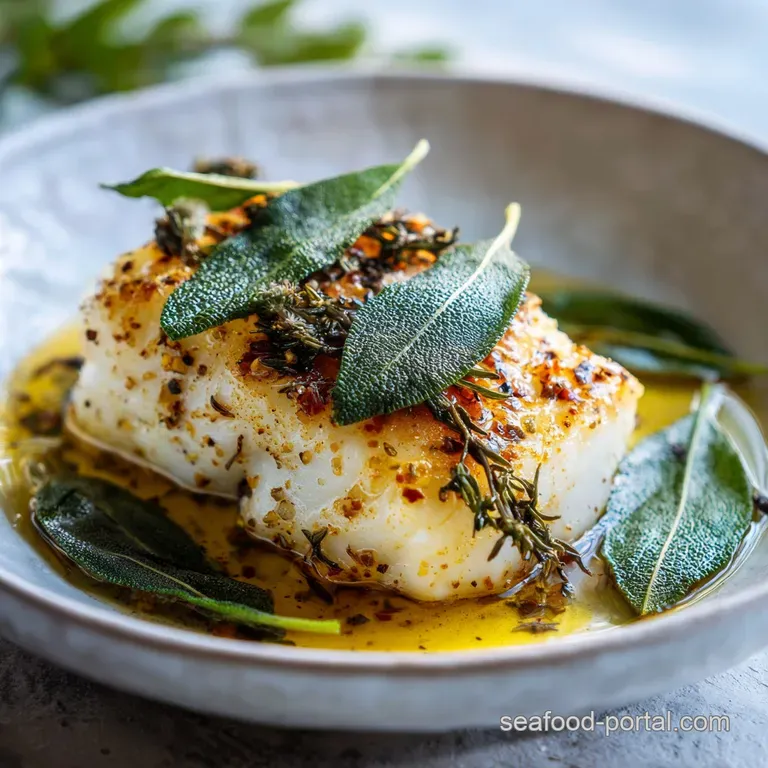
Tempering and Seasoning the Fish
- Preheat your oven to 200°C (400°F) and pull the 4 halibut fillets out of the fridge. Note: Letting them sit for 10 minutes takes the chill off for more even cooking.
- Pat each fillet completely dry with paper towels until the surface feels tacky rather than slippery.
- Drizzle the 1 tbsp olive oil over the fish and rub it in.
- Sprinkle the 1 tsp sea salt and 0.5 tsp black pepper evenly over all sides.
Achieving the Perfect Flake
- Place the fish on a parchment lined baking sheet and slide it into the center of the oven.
- Bake for 10 to 12 minutes until the fish is opaque and just begins to flake when poked. Note: Remember, the internal temp should be 130°F.
Crafting the Mahogany Brown Butter
- While the fish bakes, place the 6 tbsp butter in a small light colored skillet over medium heat.
- Melt the butter until it begins to foam and hiss.
- Add the 15 sage leaves and the smashed garlic clove to the pan.
- Continue cooking, swirling the pan constantly, until the butter bits turn amber and smell like toasted nuts.
The Finishing Basting
- Remove the pan from the heat immediately once the butter reaches a medium brown color and add the 1 tbsp lemon juice. Note: The juice stops the cooking process so the butter doesn't burn.
- Remove the halibut from the oven, plate it, and generously spoon the sizzling butter and crispy sage leaves over the top.
Solve Common Fish Cooking Issues
The biggest hurdle with Easy Baked Halibut with Brown Butter is usually timing. Because fish cooks so fast, a two minute distraction can be the difference between a five star meal and a rubbery mess. If your fish seems to be "leaking" white stuff, don't panic.
That's just albumin, a protein that pushes out when the muscle fibers contract too quickly. It's totally edible, just a sign you might want to lower your oven temp next time.
Why Your Fish is Tough
If the halibut feels bouncy or chewy, it’s overcooked. This usually happens because people wait until the fish looks "done" in the oven. Because of carryover cooking, you should pull the fish when it’s still just a tiny bit translucent in the very center of the thickest part.
It will finish cooking on the plate while you're spooning the butter over it.
Troubleshooting Guide
| Problem | Root Cause | Solution |
|---|---|---|
| Butter is black/bitter | Cooked too long or heat was too high | Start over with fresh butter; it only takes 3 minutes and you can't save burnt butter. |
| Sage leaves are soggy | Leaves were wet or butter wasn't hot enough | Dry leaves thoroughly and ensure butter is foaming before adding them. |
| Fish is stuck to pan | Not enough oil or no parchment paper | Always use parchment or grease the baking dish heavily with butter. |
Common Mistakes Checklist
- ✓ Never skip the "pat dry" step; moisture on the surface steams the fish instead of roasting it.
- ✓ Don't use a dark bottomed pan for the butter; you won't see the color change and it will burn.
- ✓ Avoid checking the fish every 2 minutes; opening the oven door drops the temperature significantly.
- ✓ Stop the butter's cooking with the lemon juice the second it smells nutty.
- ✓ Let the fish rest for 2 minutes before pouring the hot butter on to stabilize the flakes.
Creative Ways to Change Flavors
Once you’ve mastered the basic Brown Butter and Crispy Sage combo, the world is your oyster. You can swap the herbs or add "texture boosters" to make the dish your own. I once forgot the sage and used fresh rosemary instead it was much more intense but worked beautifully with a side of roasted potatoes.
Adding a Salty Kick
If you want more punch, toss in a teaspoon of drained capers into the butter along with the sage. They’ll fry up and become little salty flavor bombs that cut through the richness. It’s a trick I learned from making Pan Seared Halibut Cheeks recipe where the acidity is key to balancing the dense meat of the cheeks.
Try a Toasted Crunch
Add 2 tablespoons of sliced almonds to the butter at the same time as the sage. They will toast in the fat and provide a wonderful "shatter" that contrasts with the silky fish. This is essentially a hybrid between this recipe and a classic Almondine.
Go dairy-free Today
You can actually use a high-quality vegan butter for this, though the "browning" won't be as intense because of the lack of dairy milk solids. To compensate, add a pinch of nutritional yeast to the melting vegan butter to mimic that savory, nutty depth.
Guide for Storing and Reheating
Let's be honest: fish is always best the moment it's cooked. However, if you have leftovers of this Halibut with Brown Butter and Crispy Sage, you don't have to toss them. The key is to avoid the microwave at all costs it will turn the halibut into rubber in seconds.
- Storage: Keep in an airtight container in the fridge for up to 2 days. The butter will solidify, which actually helps protect the fish from drying out.
- Reheating: Place the fish in a cold oven, then set it to 135°C (275°F). Heat for about 10 to 12 minutes. This "low and slow" approach gently melts the butter back into the fish without overcooking the protein.
- Zero Waste: If the fish is too flaky to reheat as a fillet, flake it into a bowl, mix with a little mayo and lemon, and make the most incredible fish salad sandwiches you’ve ever had. Or, toss the leftovers into a hot pan with some pasta and a splash of pasta water for a quick "brown butter fish pasta."
Serving Ideas for Elegant Dinners
Because this dish is so rich, you want to pair it with things that are light, bright, or earthy. A pile of garlicky sautéed spinach or roasted asparagus works wonders. I also love serving this over a bed of creamy polenta or mashed parsnips something that can soak up all that extra sage infused butter.
Present Like a Chef
When plating, don't just dump the butter over the top. Place the halibut fillet slightly off center on a warm plate. Spoon the butter over the top, making sure some of it pools around the base of the fish. Arrange the crispy sage leaves in a little cluster on top for height.
A final sprinkle of flaky sea salt (like Maldon) adds a nice sparkle and a final crunch.
Choose Light Crisp Sides
A simple arugula salad with a sharp vinaigrette is the perfect foil for the heavy butter. The peppery bite of the greens cuts right through the fat. If you want something more substantial, a Classic Baked Rice recipe might seem like a dessert, but a savory version with herbs and broth would be a comforting companion to the flaky halibut.
Debunking Fish Cooking Myths
There is a long standing myth that you must sear fish at the highest possible heat to "lock in the juices." Science tells us otherwise. Moisture loss is a result of muscle fiber contraction, which is triggered by high heat.
By baking the fish at a moderate temperature, we actually retain more moisture than a over high heat sear ever could.
Another common misconception is that you can't use frozen halibut. Truthfully, most "fresh" fish at the grocery store was previously frozen anyway. If you buy high-quality, flash frozen halibut, it will be just as delicious as fresh, provided you thaw it slowly in the fridge overnight.
Just make sure to pat it exceptionally dry, as frozen fish tends to release more exterior moisture.
Finally, don't believe the idea that brown butter is difficult to make. People fear it because it goes from "perfect" to "burnt" in about ten seconds, but if you use your nose, you'll be fine. As soon as it smells like a bakery, it’s done.
Move it off the heat and add your acid (lemon juice), and you've successfully conquered the "scary" world of French sauces. Trust me, once you try this Baked Halibut with Brown Butter and Crispy Sage, it will become your go to for showing off in the kitchen.
Recipe FAQs
What is the best method to cook halibut?
Baking or gentle roasting at a moderate temperature. Halibut is lean and benefits from gentle, ambient heat to prevent muscle fibers from seizing up and expelling moisture.
What are the common mistakes when baking halibut?
Overcooking is the primary mistake, often caused by high initial heat. Pull the fish when it’s still slightly underdone in the center; carryover cooking will finish it perfectly, ensuring a velvety texture.
What seasoning is best on halibut?
Simple salt, pepper, and aromatics paired with rich fat work best. The mild flavor of halibut shines when complemented by nutty brown butter, fresh sage, and a squeeze of bright lemon juice.
How long does halibut take to cook in the oven?
Bake 1 inch thick fillets for 10 to 12 minutes at 200°C (400°F). Always check the internal temperature, aiming for 54°C (130°F) for optimal flakiness.
Can I substitute the brown butter sauce with a different sauce?
Yes, but the brown butter is key to the flavor profile. If you enjoy this flavor technique, you might want to see how we apply similar principles of flavor infusion in our Perfect Crispy Pan Seared Grouper with Lemon Butter Sauce.
Is it true I must use a professional grade thermometer?
No, this is a common misconception, but a reliable thermometer is essential. Use any instant read thermometer; accuracy is more important than brand when aiming for that 130°F finish.
How do I ensure the brown butter doesn't burn?
Watch the color and smell the butter constantly, then remove it immediately from the heat. Once the milk solids turn amber and the scent is nutty, add the lemon juice to stop the cooking process instantly.
Easy Baked Halibut Brown Butter
Ingredients:
Instructions:
Nutrition Facts:
| Calories | 372 kcal |
|---|---|
| Protein | 36 g |
| Fat | 24.5 g |
| Carbs | 1 g |
| Fiber | 0 g |
| Sugar | 0 g |
| Sodium | 583 mg |
