Seafood Boil Seasoning: the Deep South Zest Signature Blend
- Decoding the Ultimate Seafood Boil Seasoning: Flavor First
- The Culinary Science: Why This Blend Elevates Your Boil
- Sourcing the Spices: Ingredients for the Signature Seafood Boil Seasoning
- Crafting the Blend: Step-by-Step Seasoning Preparation
- Expert Tips for Mastering Your Homemade Seasoning
- Longevity and Freshness: Storing Your Seafood Boil Seasoning
- Application & Pairing: Maximizing Your Seafood Boil Seasoning Experience
- Recipe FAQs
- 📝 Recipe Card
Decoding the Ultimate Seafood Boil Seasoning: Flavor First
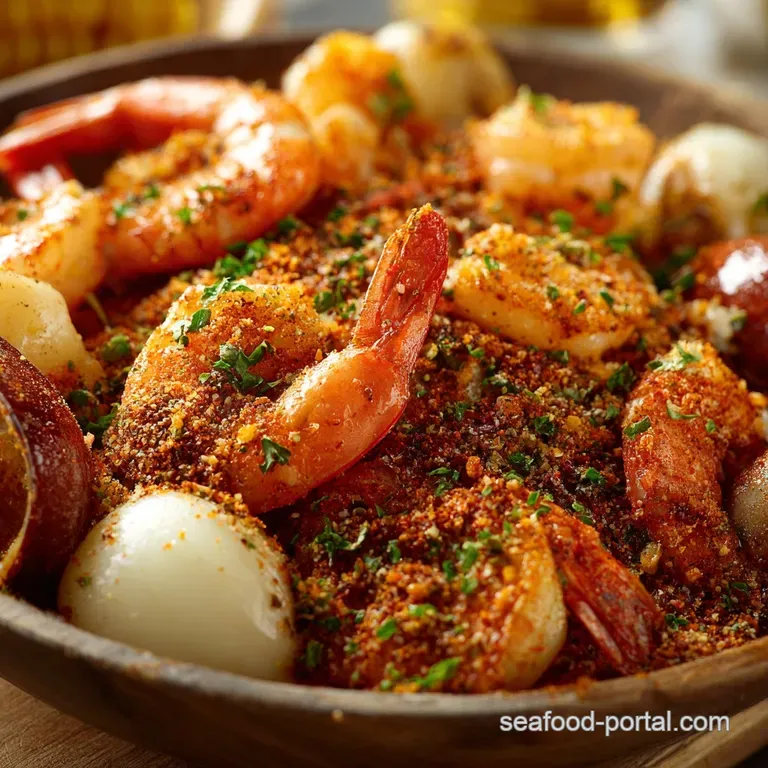
That glorious smell hits you right when the lid comes off: savory, spicy, deep, and perfectly oceanic. It’s the aroma of a proper seafood feast, the kind that makes you forget your manners and just start peeling.
The secret to that intense, addictive flavor explosion isn't just the fresh crab or shrimp; it's the seasoning mix, baby.
Ditch the pre-bottled stuff that’s been sitting on the store shelf since the Mesozoic era. Making your own custom blend is ridiculously fast, shockingly cheap, and totally game changing. Plus, you get total control over the heat and salt levels, which is crucial for a flavor packed boil.
Ready to unlock the legendary punch of the Deep South in your own kitchen? This DIY seafood boil seasoning recipe is my ultimate, perfected formula, guaranteed to penetrate the shell and leave that glorious red residue all over your fingers. Let’s crack on.
The Culinary Science: Why This Blend Elevates Your Boil
This isn't just random paprika and salt thrown together; there's a serious method behind the madness. A perfect boil blend needs complexity, managing intense heat while also providing a savory aromatic backbone. We want punch, but we also want depth.
What Makes a Southern Boil Blend Unique?
It’s all about the celery seed. Seriously, the moment you lightly crush those tiny seeds, you release the essential oils that deliver that quintessential, slightly bitter, savory note that screams "seafood boil." Without it, your seasoning falls flat and tastes like standard taco mix.
Beyond Salt: The Secret Pillars of a Complex Blend
Salt is the carrier, sure, but the complexity comes from the low and slow ingredients: smoked paprika and ground bay leaf powder. Paprika provides essential color and a rich, smoky depth that binds the sharper flavors.
And trust me, that sneaky little bit of brown sugar isn't just for sweetness; it balances the overwhelming salinity and helps prevent the heat from becoming metallic or abrasive.
Why Homemade Beats store-bought Every Time
Freshness, my friends, is the only answer. store-bought seasonings often sit for months, losing their potency and vibrancy. Homemade means you’re using spices that actually smell like something.
Also, commercial blends are often 90% cheap salt, but when you make it yourself, you control the quality and quantity of every single grain.
The Perfect Pungency: Balancing Garlic and Onion Powders
For a seafood boil, you need high impact aromatics that can withstand being boiled in gallons of water. Granulated garlic or onion won't cut it here; you need fine powders. The high concentration of garlic powder in this recipe ensures that savory, pungent backbone actually permeates the shells.
Heat Management: Mastering the Cayenne/Paprika Ratio
Cayenne delivers the immediate, sharp heat, hitting you on the back of the throat. Smoked paprika provides the warm, lingering body. This blend uses them in careful balance so you get a proper kick without sacrificing the complex aromatics.
I like it hot, so I lean heavier on the cayenne, but you can dial it back if you’re cooking for a crowd of lightweights.
The Role of Acidity and Herbs in Flavor Infusion
The dried herbs thyme and oregano act as the savory glue holding everything together. But the hidden MVP is the ground ginger. It offers a bright, vibrant, almost citrusy kick that cuts through the richness of the butter and heavy spices perfectly. Don't skip it; it lifts the entire profile!
Sourcing the Spices: Ingredients for the Signature Seafood Boil Seasoning
If you start with dusty, old spices, your final seasoning will taste dusty and old. Check the date stamp on those jars! This Seafood Boil Seasoning Recipe relies on volume and quality.
Essential Base Spices: Quality Checks and Shelf Life
Buy your spices from a source that has high turnover, ensuring freshness. If you open a jar of paprika and it smells like nothing, toss it it’s expired. A good rule of thumb? Whole spices last about 2 years; ground spices only about 6 to 8 months once opened.
Get fine kosher salt, not flaky sea salt, for even distribution.
Substitutions and Adjustments for Dietary Needs (Salt free, low-sodium options)
Need to cut the sodium? You absolutely can! Just know that salt acts as the primary flavor amplifier. If you reduce the Kosher Salt by half, you might need to double the onion powder and add a bit more brown sugar to compensate for the lost balance.
| If You Don't Have... | Substitute With... | Notes |
|---|---|---|
| Celery Seed | Celery Salt | CRITICAL: Reduce the overall Kosher Salt by 1.5 Tablespoons. |
| Ground Ginger | Dried Mustard Powder + Lemon Zest Powder (small amount) | Aim for that necessary pungent lift. |
| Smoked Paprika | Regular Paprika + A tiny drop of Liquid Smoke | Only 1/2 tsp of liquid smoke, mixed into the powders, or you’ll ruin it! |
| Light Brown Sugar | White Sugar or Maple Sugar | Used for balance, any granulated sugar will work. |
The Impact of Fresh vs. Dried Herbs on the Final Flavor Profile
For a dry seasoning blend like this, stick strictly to dried herbs. Fresh herbs release too much moisture and would ruin the stability and shelf life of the mix. However, the one exception is the celery seed: we crush it lightly, but we don't pulverize it.
Chef's Note: I once tried using granulated garlic instead of powder, and the seasoning refused to blend properly. When it hit the boil water, the big grains just sank to the bottom. Use powder, always!
Crafting the Blend: step-by-step Seasoning Preparation
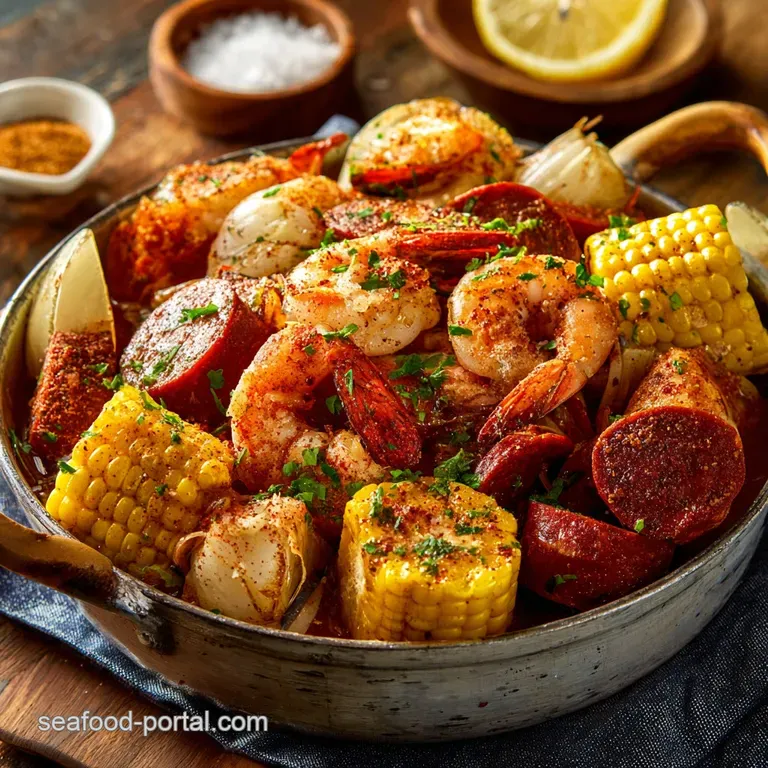
Making this Homemade Seafood Boil Seasoning is easier than making toast, but attention to detail still matters. We are aiming for perfect homogeneity.
Prep Work: Toasting Optional Spices for Depth
This is where the magic happens, elevating your blend from good to fantastic. If your black pepper is whole peppercorns, toast them lightly in a dry pan until you smell a nutty aroma takes about 30 seconds. Grind those freshly toasted corns and add them to the bowl.
Do the same for your celery seeds before lightly crushing them in a mortar and pestle.
Achieving Homogeneity: The Art of Thorough Mixing
Once all your measured powders, salts, and herbs are in the mixing bowl, whisk like you mean it. Whisking ensures that the heavy salt doesn't sink and that the fine garlic powder doesn't cling to the brown sugar.
Mix vigorously for at least 60 seconds until the color is a uniform, deep reddish brown with flecks of red pepper.
Curing Time: Letting the Flavors Marry Before Use
I know you want to dump this immediately into a pot of water, but stop! This is the most overlooked step in any DIY spice blend. Transfer the mix to an airtight jar and let it sit for a minimum of 24 hours.
This "curing" time allows the oils from the stronger spices to permeate the lighter ones, creating a deeper, more cohesive flavor profile.
Expert Tips for Mastering Your Homemade Seasoning
The Butter Slurry Secret: Never, ever just dump this beautiful DIY Crab Boil Seasoning directly into the pot water at the end. For that restaurant quality, buttery shine, melt one cup of unsalted butter, whisk in a generous half cup of this seasoning, and pour that rich slurry over the finished boiled seafood, potatoes, and corn.
Taste Test It First: Before seasoning a huge pot of expensive crab, mix a teaspoon of the blend into a small spoonful of warm, melted butter. Taste it carefully. Is it spicy enough? Is the salt level right?
You can always adjust the batch now, but once it’s on the crab, you’re committed!
Longevity and Freshness: Storing Your Seafood Boil Seasoning
You’ve put in the effort to make a great Boil Seasoning Mix ; now let’s make sure it lasts.
Common Mistake: The Danger of Uneven Grinding
I see people trying to save time by using granulated powders or, worse, whole, dried herbs. Don’t do it. The different particle sizes will lead to uneven seasoning and rapid settling in storage. Stick to fine powders for the best blend quality.
Boosting the Lemon Zest Factor
If you want a truly bright, cutting flavor, look for dried lemon peel powder at a specialty spice shop. Adding just one tablespoon to the final mix will give it an incredible burst of brightness that perfectly complements richer seafood like crab or lobster. It makes a huge difference!
Scaling the Recipe: Adapting for Large Crowd Boils
This recipe yields about one cup, which is usually enough for two medium boils or one massive party feast. If you're hosting a dozen people, it’s super simple: just double or triple all the measurements exactly. The ratios are locked and proven.
Optimal Containers for Maximum Potency
Skip the plastic bags. Use clean, dry glass jars with tightly sealing lids. Glass doesn't absorb the spice oils, keeping the flavor locked inside the seasoning until you’re ready to use it.
Signs of Spoilage: When to Refresh Your Spice Stock
Spice blends don't technically "spoil" like fresh food, but they lose their potency. If the deep red color of the paprika has faded to a dull orange, or if you stick your nose in the jar and smell nothing much, it’s time to start fresh. This usually happens around the nine month mark, depending on storage.
Extending Shelf Life (Addressing temperature and light)
Never store spices directly above your stove or near a window. The combination of heat and light rapidly degrades essential oils and color. Keep your jar in a cool, dark pantry; doing this will keep your Seafood Seasoning Recipe potent for up to a year.
Application & Pairing: Maximizing Your Seafood Boil Seasoning Experience
This Crab Seasoning Recipe isn't just for boiling water! I use it everywhere.
First, obviously, use it for your classic shrimp, crab, or crawfish boil alongside smoked sausage and potatoes. Second, try dusting it over freshly shucked oysters before grilling them the heat brings out the smoky paprika beautifully.
If you have any leftover seasoned seafood (a rarity, I know), shred the meat and toss it into a comforting dish like my Seafood Cornbread Dressing: Coastal Comfort with Crab and Shrimp . The deep flavor of the seasoning pairs incredibly well with the richness of the cornbread. You could also sprinkle it on top of popcorn for a killer movie night snack, just saying.

Recipe FAQs
How should I store the finished Deep South Zest seasoning blend for maximum freshness?
Store your homemade blend in an airtight container, ideally a glass jar, away from direct sunlight, heat, and humidity. Properly stored, it will maintain peak flavor potency for 6 to 12 months, though it remains safe indefinitely. Always ensure your jar is completely dry before adding the blend to prevent clumping.
The recipe calls for cayenne pepper. How can I easily adjust the heat level up or down?
To decrease the heat, substitute half of the cayenne pepper amount with mild paprika or additional black pepper. If you desire a significantly spicier blend, incorporate a teaspoon of quality smoked ghost pepper powder or increase the cayenne by 25%. Taste and adjust in small increments.
Can I use this seasoning for applications other than a traditional seafood boil?
Absolutely! This versatile blend works beautifully as a rub for grilled chicken, pork ribs, or even dusted over roasted potatoes and corn on the cob. It also makes an excellent addition to homemade gumbo or étouffée bases, offering a powerful aromatic background.
My seasoning blend is starting to clump. What caused this, and how can I fix it?
Clumping is usually caused by exposure to moisture or high humidity during storage. If the clumping is mild, simply shake the jar vigorously or run the seasoning through a coarse sieve. To prevent future clumping, consider adding a few grains of white rice to the container before sealing.
I only have fine sea salt. Can I substitute it for the coarse kosher salt recommended in the blend?
Yes, but you must adjust the quantity carefully. Fine sea salt is denser than coarse kosher salt, meaning you should use about 20-25% less by volume to achieve the same salinity level. Be cautious, as using too much fine salt can make the resulting blend overly aggressive.
How much seasoning should I typically use per gallon of water in a boil?
For a traditional water based seafood boil, the rule of thumb is 1 to 1.5 tablespoons of the seasoning blend per gallon of liquid. Remember that much of the seasoning stays in the water, so if you want an intensely coated product, you will need a separate dry shake.
For a finishing dry shake mixed with butter, use 1 to 1.5 teaspoons per pound of boiled seafood.
Can I prepare this seasoning with fresh garlic and onion instead of dried powders?
It is strongly recommended to use dried powders for spice blends intended for long term storage, as fresh ingredients introduce moisture. Moisture drastically decreases the blend's shelf life and encourages microbial growth.
If you wish to use fresh aromatics, incorporate them directly into the boiling water or the finishing butter mixture.
Diy Seafood Boil Seasoning Mix
Ingredients:
Instructions:
Nutrition Facts:
| Calories | 247 kcal |
|---|---|
| Protein | 6.5 g |
| Fat | 7.0 g |
| Carbs | 46.0 g |
