Lobster Butter Sauce: the Chefs Secret to Restaurant-Quality Seafood
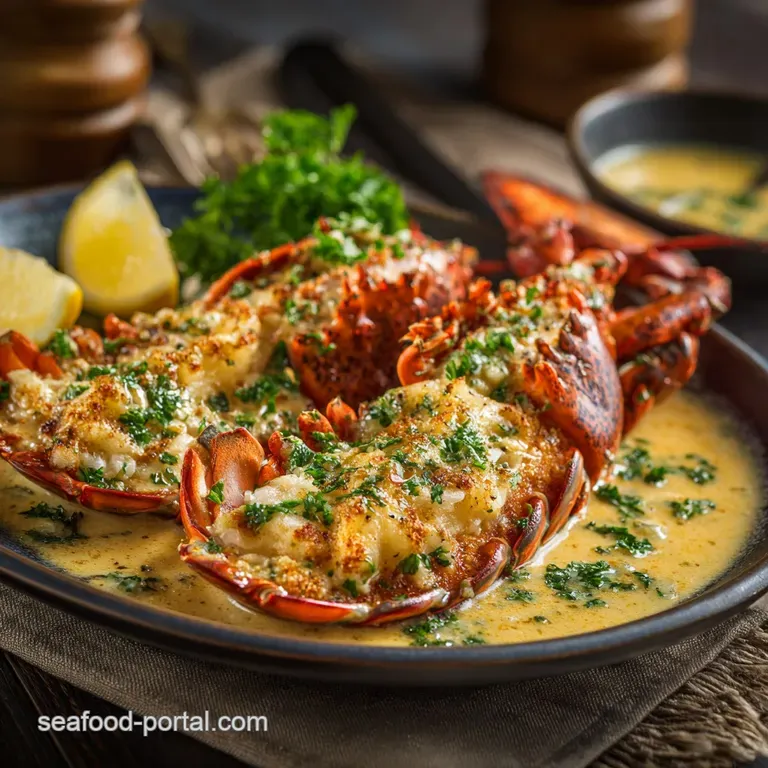
- The Cornerstone of Indulgence: Why Master Lobster Butter Sauce?
- Essential Ingredients for the Ultimate Lobster Butter Sauce
- Crafting the Homard Essence: Step-by-Step Method
- The Science of Silk: Achieving Perfect Emulsification
- Troubleshooting Your Lobster Butter Sauce
- Storage and Longevity: Keeping Lobster Butter Sauce Fresh
- Elevating the Plate: Perfect Pairings for Lobster Butter Sauce
- Recipe FAQs
- 📝 Recipe Card
The Cornerstone of Indulgence: Why Master Lobster Butter Sauce?
The moment you whisk this Lobster Butter Sauce into its final, velvety sheen, your whole kitchen smells like an upscale French bistro. Seriously. It’s that deep, savory perfume of concentrated lobster essence, mixed with bright lemon and a hint of tarragon.
The texture is the real winner, though; forget that thin, oily puddle of melted butter, because this stuff is thick, silken, and clings perfectly to every bite of seafood.
I know, it sounds terribly fancy and intimidating, like something only a white hat chef could pull off. But I promise you, this French technique called Monter au Beurre —is entirely accessible for the home cook and incredibly forgiving once you master the temperature control.
This recipe proves that the shells, which we usually toss, are actually the most valuable part, transforming what would be waste into a showstopping, restaurant quality sauce.
This isn't just dipping sauce, friends. We’re building layers of flavor through careful reduction and then using science (don’t panic, the fun kind!) to create an emulsion that binds the rich lobster stock to the butter.
Get your finest shells ready, because we are about to crack the code on classic Beurre de Homard .
The Difference Between Melted Butter and a Sophisticated Reduction
Melting butter is easy; the water and the fat separate instantly, leaving you with an oily pool. This sophisticated sauce, however, is an emulsion meaning the fat and water are forcefully and stably suspended together.
We achieve this by creating a highly concentrated, flavorful lobster stock base (the water component) and then gradually whisking in cold butter. The cold temperature and rapid whisking prevent separation and help the milk solids bind everything into a stable, silky mass.
A Brief History of Classic French Beurre de Homard
While many people know the sauce as simply "lobster butter," this method is heavily inspired by classical French techniques like Sauce Américaine or a simple Beurre Blanc . The principle is all about reduction.
You extract every ounce of flavour from the shells through heat and alcohol, reduce that liquid down until it's almost syrupy, and then finish it off with rich butter. It's elegance built on thriftiness.
What Makes This Sauce Truly Restaurant Quality?
Two things make this the sauce your dinner guests will ask about: roasting the shells and ice-cold butter. Roasting the shells introduces a nutty, deep, almost caramelized note (that beautiful Maillard reaction) that raw shells can’t give you.
Then, incorporating chunks of ice-cold butter into the warm reduction base is the essential trick for that rich, velvety finish you see in high end spots.
Essential Ingredients for the Ultimate Lobster Butter Sauce
The ingredient list is minimal, which means the quality of each component really shines through. Don't skimp on the good stuff here.
Selecting the Best Lobster Carcasses (Heads, Shells, and Claws)
You need those shells! I save mine whenever I make something like Warm and Buttery Lobster Rolls: Classic Maine Style Recipe and keep them frozen until I have enough. The trick is using the shells from the tails and claws , and if you can get them, the heads contain the most flavour.
| Ingredient | Why We Need It | Viable Substitution |
|---|---|---|
| Lobster Shells | Deepest flavour extraction | 400g of large prawn/shrimp shells (with heads attached if possible) |
| Unsalted Butter | The emulsifying agent | Must be unsalted; no viable fat substitute for this process. |
| Dry White Wine | Acidity helps balance richness | Dry Vermouth or Dry Sherry |
| Brandy/Cognac | Adds complexity and helps deglaze | Omit, or use high-quality cooking sherry. |
Aromatics Breakdown: Shallots, Garlic, and Bouquet Garni
Shallots are preferred over onions because they offer a gentler, sweeter flavour that won't overwhelm the delicate lobster. The bouquet garni (thyme and bay leaf) lends a herbaceous, classic note.
I skip fancy herbs until the end, opting for tarragon or chives, but thyme and bay leaf in the stock are non-negotiable. Fresh garlic adds necessary depth.
Clarified vs. Whole Butter: Achieving Maximum Richness
We are using whole, unsalted butter here, but it must be ice cold. Why? Clarified butter (ghee or drawn butter) is pure fat, and it lacks the milk solids and water needed to create a stable, creamy emulsion. We need those proteins to bind everything together perfectly.
Choosing the Right Dry White Wine for Reduction
You need a dry, crisp white wine. Pinot Grigio or Sauvignon Blanc works perfectly because they offer good acidity without too much sugar. Crucially, never cook with wine you wouldn't drink . If it tastes bad in the glass, it will taste bitter and sharp when reduced.
Crafting the Homard Essence: step-by-step Method
This entire process is about patience and temperature control. Don't rush the reduction!
Phase I: Roasting the Shells and Sweating the Aromatics
I always recommend roasting the shells first. It’s a game changer. Preheat your oven to 400°F (200°C), toss the shells with a little olive oil, and bake them for about eight minutes until they start to turn a deep, rosy color and smell wonderfully nutty.
While those are cooling slightly, sauté your shallots until they are translucent, then add the garlic and tomato paste. The tomato paste needs about sixty seconds of cooking to lose its metallic edge and darken slightly.
Phase II: The Critical White Wine Deglazing and Reduction
Add the roasted shells to the pot, then pour in your Brandy or Cognac. I once skipped the alcohol, thinking it was unnecessary, and the final sauce definitely lacked that professional depth!
If you're comfortable, briefly flambé the alcohol to burn off the sharp edges, otherwise, just let it bubble fiercely for 30 seconds. Next, add the white wine, immediately scrape the bottom of the pan to lift all those delicious browned bits ( the fond ), and reduce the wine by half.
Phase III: Straining and Refining the Lobster Nage (The Stock Base)
Now you add the water or stock, the bay leaf, and the thyme. Bring it to a low simmer and let it cook for twenty minutes don't boil it aggressively, or the flavor gets muddy. After simmering, strain the liquid through a fine mesh sieve into a new, clean saucepan.
Do not squeeze the shells ; pressing too hard releases starch and tiny solids that can make your final sauce cloudy. Discard the spent shells. Now, reduce this strained liquid rapidly until you have about 1/4 cup (60 ml) of intensely concentrated, slightly syrupy lobster essence.
Phase IV: The Final Emulsion (The Monter au Beurre Process)
This is the magic moment. Turn the heat to the absolute lowest setting, or better yet, take the pan completely off the heat. The base must be warm, not hot. You are aiming for approximately 150°F (65°C). Start whisking vigorously and drop in one or two cubes of ice-cold butter.
Only add the next cubes once the previous ones are completely incorporated. It will look thin at first, then suddenly, it will thicken into a luxurious, pale, velvety sauce. Whisk in the lemon juice and seasoning, taste, and adjust.
Chef’s Note: The cold butter finish is what stabilizes this sauce. If your reduction is screaming hot, the butter will just melt into oil. Cold butter slowly emulsifies, making the sauce stable and opaque.
The Science of Silk: Achieving Perfect Emulsification
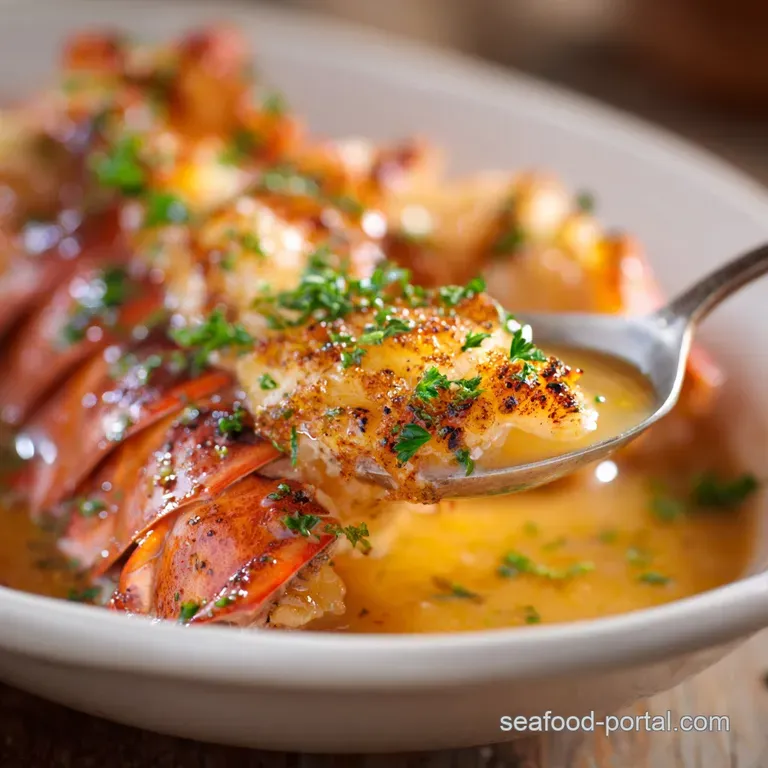
Emulsification is just a fancy word for binding fat and water, and it relies entirely on temperature and agitation. By whisking in cold butter slowly, we introduce the fat in small, manageable doses, allowing the proteins and the constant motion to hold the fat molecules suspended in the concentrated liquid.
This slow addition creates that beautifully silky mouthfeel without needing heavy cream.
Troubleshooting Your Lobster Butter Sauce
This sauce requires attention, and I’ve certainly messed it up more than once! Here are the two most common pitfalls.
| Mistake | Cause | Solution |
|---|---|---|
| Separated Sauce (Breaking) | Sauce got too hot during Monter au Beurre . | Remove from heat. Whisk in 1 tsp of ice-cold water or cream vigorously. Start whisking from the center outward. |
| Bitter Taste | Over reduced the wine/stock, or boiled the shells too aggressively. | Try adding a tiny pinch of sugar and a squeeze more lemon juice to brighten it up. |
Why Your Sauce Tastes Bitter (Over Reducing the Stock)
Bitterness usually occurs when you cook the shallots or tomato paste too aggressively, or you reduce the wine and the final stock past the point of concentration and into the realm of scorching. Remember, the final reduction should be thick and syrupy, but it should still taste clean and bright.
If it looks like tar, it’s gone too far.
Storage and Longevity: Keeping Lobster Butter Sauce Fresh
Because this sauce relies on a delicate emulsion, it’s definitely best eaten immediately. However, if you must store it, you have a couple of options. It keeps well in an airtight container in the fridge for up to 3 days.
To reheat, the key is gentle heat and moisture. Put the sauce in a small saucepan over the lowest possible heat. Whisk constantly. If it looks like it’s starting to separate, whisk in a tablespoon of cold water or a splash of cold cream to help bring the emulsion back together.
I don't recommend freezing it; the emulsion almost always breaks upon thawing.
Elevating the Plate: Perfect Pairings for Lobster Butter Sauce
This sauce is intensely luxurious, so pair it with delicate flavors that can handle the richness. Drizzle it over simple grilled scallops, or serve it alongside pan-seared halibut. If you’re making my Lemon Garlic Butter Tilapia: Quick 20 Minute Weeknight Dinner , spooning a bit of this lobster butter sauce on top takes it from weeknight easy to Sunday spectacular.
It’s also incredible served simply with freshly cooked linguine, finished with a generous sprinkle of fresh tarragon and chives.
The Maillard Reaction: Why We Roast the Shells for Depth
The Maillard reaction is just the fancy term for browning, and it's essential here. When the lobster shells hit the high heat of the oven, the naturally occurring sugars and proteins react, creating hundreds of new, complex flavour molecules.
This is why roasted shells give you a darker, deeper stock than simply simmering raw shells.
Deglazing and Reduction: Building the Foundation (The 'Fond')
Deglazing (scraping up the fond ) is crucial. That sticky, caramelized residue left at the bottom of the pan after sautéing the aromatics and shells is pure concentrated flavor. By dissolving it into the wine, we ensure that deep, complex essence becomes part of the final sauce.
The Cold Butter Finish (The Key to Stabilizing the Sauce)
I can’t say this enough: The butter must be cold! We are shocking the warm reduction with the cold fat, which allows the constant whisking to trap the fat evenly throughout the liquid. If your butter is soft or warm, it just melts instantly and separates immediately.
Preventing the Sauce from Breaking (Separation Anxiety)
If you see tiny droplets of oil separating from the sauce that's separation anxiety! It means your sauce is too hot. Immediately pull the pan off the heat and vigorously whisk in one teaspoon of cold water. Sometimes, you can save it by slowly incorporating a fresh, cold piece of butter. Keep whisking!
Adjusting Consistency: Too Thick or Too Thin?
If the finished sauce is too thin, return it to the very lowest heat, add one more cube of cold butter, and whisk rapidly until incorporated. If it’s too thick, whisk in a tiny splash of warm water or stock until it reaches that perfect, nappé consistency where it coats the back of a spoon beautifully.
Recipe FAQs
Why did my Lobster Butter Sauce separate or 'break'?
This common issue occurs when the emulsion is heated too high after the butter is incorporated, or if the initial reduction was too hot. If your sauce breaks, remove it from the heat immediately, add a teaspoon of cold water or heavy cream, and whisk vigorously from the edges inward to restore the emulsification.
How do I achieve the maximum intensity of lobster flavor?
The key step is roasting the lobster shells thoroughly until they are deep red and fragrant before adding any liquid. Additionally, ensure you reduce the wine and stock mixture by at least 60 to 75% before straining; this concentrates the flavor dramatically into the foundation of your sauce.
Can I use shells from pre-cooked or frozen lobster for the sauce base?
It is best to use raw or fresh shells, as the flavor compounds in already steamed or boiled lobster tend to leech out into the cooking water. If using frozen shells, ensure they were raw prior to freezing to maximize the flavorful oils and proteins that contribute to the sauce’s richness.
My sauce tastes slightly bitter. What went wrong?
Bitterness often results from over roasting the shells or reducing the liquid too aggressively, causing the solids at the bottom of the pan to scorch. Ensure you only sweat the aromatics (mirepoix) gently, and closely monitor the liquid reduction so it never fully evaporates down to dry crust.
What is the correct way to store and reheat this delicate sauce?
Store the sauce refrigerated in an airtight container for up to three days. To reheat, use a double boiler (bain marie) over very low heat, gently stirring until warm. Never boil or microwave the sauce, as high heat will immediately destroy the delicate butter emulsion.
Can I substitute crab or shrimp shells instead of lobster?
Yes, you can substitute crab or shrimp shells, although the resulting flavor profile will be noticeably different and perhaps less rich than lobster. Follow the exact same technique of roasting the shells and then reducing the stock, but be mindful that the shells of smaller crustaceans require slightly less roasting time.
Is it possible to freeze the finished Lobster Butter Sauce for long term storage?
Freezing is highly discouraged for this specific emulsified butter sauce (Beurre de Homard) because the water and fat components will separate upon thawing. While you might attempt to re-emulsify it, the sauce's texture and overall stability will likely be compromised significantly.
Decadent Lobster Butter Sauce Recipe
Ingredients:
Instructions:
Nutrition Facts:
| Calories | 505 kcal |
|---|---|
| Protein | 14.6 g |
| Fat | 39.7 g |
| Carbs | 5.2 g |
