Creamy Rice Pudding with a Custard Twist: the Kings Silky Comfort Dessert
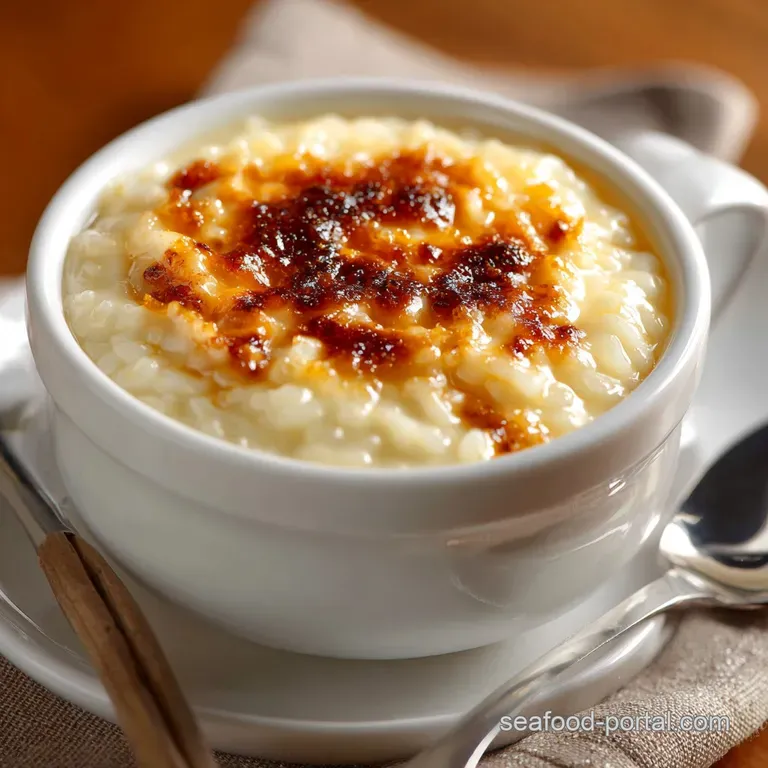
- The Definitive Guide to Luxury Rice Pudding
- The Science of Silk: Why the Custard Twist Works
- Essential Pantry List for the Ultimate Custard Rice Pudding
- Step-by-Step: Mastering Creamy Rice Pudding with a Custard Twist
- Troubleshooting Your Pudding: Expert Tips and Common Pitfalls
- Making Ahead: Storing and Reheating Custard-Set Rice Pudding
- Elegant Pairings: Serving Suggestions for Your Dessert
- Recipe FAQs
- 📝 Recipe Card
The Definitive Guide to Luxury Rice Pudding
The first time you scoop into this pudding, you'll instantly know what true comfort food tastes like. Forget the sad, watery versions from the school canteen; this is pure silk, intensely fragrant with vanilla.
It feels like a hug in a bowl, perfect for those evenings when you just need something profoundly warm and satisfying.
I call this my emergency comfort dessert because it relies on basic pantry staples rice, sugar, milk, and eggs meaning you can easily whip it up even when the grocery run seems miles away.
It’s incredibly cheap to make, totally forgiving (if you follow my tempering trick!), and always impresses guests who think they hate rice pudding.
We are taking the classic slow simmered approach and upgrading the finish by incorporating a true, rich crème anglaise —that’s the custard twist. Trust me, treating the end stage like a pastry technique is the secret to achieving that perfect, unctuous mouthfeel every single time.
Let’s crack on!
The Science of Silk: Why the Custard Twist Works
Why the Traditional Recipe Falls Short on Texture
Traditional rice pudding often suffers from a few key flaws. First, it can be grainy because the starches break down inconsistently during the long cook time, or worse, it ends up separating and looking watery. This happens because the dairy solids separate from the liquid when overheated for too long.
What Makes Our Custard Twist So Special?
The custard twist, which involves tempering egg yolks with a stabilizer like cornflour, changes the game entirely. Egg yolks are phenomenal emulsifiers; when cooked gently, they thicken the pudding structure beautifully and permanently bind the dairy and starch together.
This prevents separation and imparts an unbelievable richness and gloss that straight milk and rice simply can’t achieve.
Quick Overview: Prep Time, Cooking Duration, and Yield
| Metric | Time/Amount |
|---|---|
| Prep Time | 15 minutes |
| Cook Time | 65– 75 minutes |
| Yield | 6 generous servings |
Achieving the Perfect 'Unctuous' Mouthfeel
"Unctuous" is a fancy word for luxurious smoothness, and that’s exactly what we want here. Using heavy cream (double cream) alongside whole milk boosts the fat content, while the slow simmer ensures the rice releases its starch gently.
The combination creates a body that's rich but not heavy, velvety smooth, and never, ever stodgy.
The Role of Tempering Egg Yolks in Dessert Stability
Tempering is the critical step that separates the pros from the novices, but it’s easy once you understand the logic. By slowly introducing hot liquid to the raw yolks, you raise their temperature gradually, allowing them to activate as thickeners without scrambling them.
This pre-cooked yolk mixture then integrates flawlessly into the hot pudding base, ensuring a stable, lump free final texture.
Maximizing Starch Release for Inherent Creaminess
We use Arborio rice, or dedicated pudding rice, specifically because of its high amylopectin content that's the sticky, creamy starch. The key is stirring just enough: you need to stir occasionally to prevent scorching and encourage starch release, but don't over stir, or you'll break the grains down too much, resulting in a gloppy mess rather than distinct, plump grains suspended in creamy custard.
Essential Pantry List for the Ultimate Custard Rice Pudding
Choosing the Right Rice: Arborio vs. Pudding Rice
Honestly, either dedicated pudding rice or Arborio rice works perfectly, but I prefer Arborio. It holds its shape beautifully and releases starch like crazy, giving you that lovely, plump texture and super creamy base.
If you only have standard long grain rice, you can use it, but rinse it less and be prepared for a looser final consistency.
Dairy Decisions: Milk Fat Content and Double Cream Necessity
Go for whole milk (full fat); skim milk just won’t give you the necessary body or flavour. The double cream (heavy cream) isn't optional for this luxury version. It provides the essential fat content needed to carry the vanilla flavour and maintain the silky smoothness when the eggs are added.
Flavor Profiles: Vanilla Bean vs. Extract and Citrus Zest Options
A whole vanilla bean, split and scraped, offers depth that no extract can match. Throw the entire spent pod into the pot during the simmer for maximum infusion. Don't skip the lemon zest! It doesn't make the pudding taste overtly lemony; it just brightens and cuts through the intense richness of the custard and dairy.
Essential Substitutions for Dietary Needs (dairy-free Alternatives)
| Ingredient | Recommended Substitute | Notes/Caveat |
|---|---|---|
| Whole Milk/Cream | Full Fat Canned Coconut Milk | The flavour is detectable, but delicious. Skip the eggs or use a vegan egg replacer and thicken only with extra cornflour. |
| Arborio Rice | Pearled Barley or Quinoa | Pearled barley needs longer cooking time, quinoa will yield a much looser, less traditional texture. |
| Granulated Sugar | Maple Syrup (less liquid) | Reduce the milk slightly if using a liquid sweetener like maple syrup or honey. |
| Cornflour | Plain Flour (All-Purpose) | Use 2 Tbsp of plain flour instead of 1 Tbsp cornflour, and whisk very thoroughly to prevent lumps. |
step-by-step: Mastering Creamy Rice Pudding with a Custard Twist
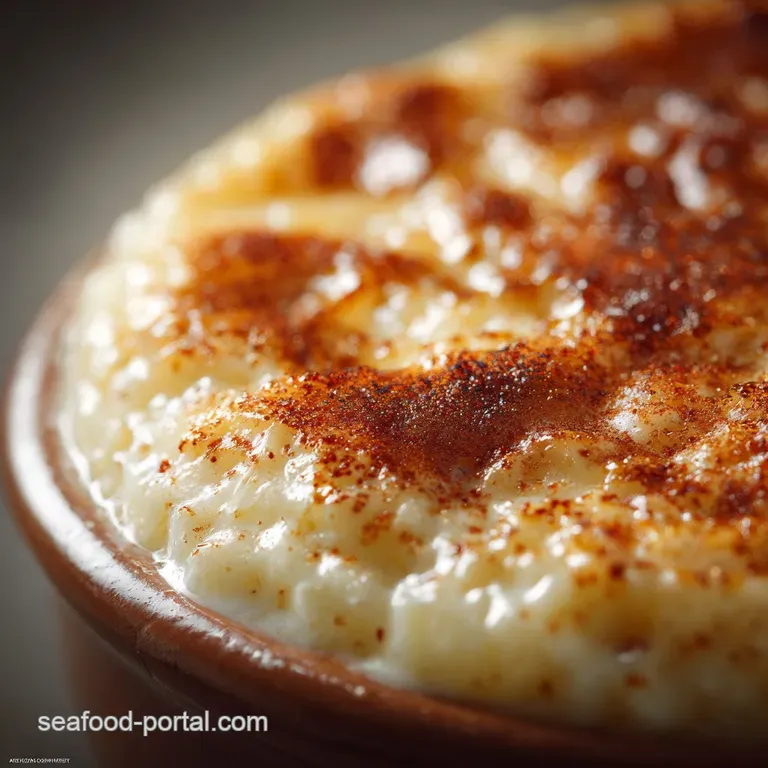
Phase I: Preparing and Slowly Simmering the Rice Base
First, rinse your rice quickly under cold water just to remove any excess dust. Combine all the milk, cream, sugar, salt, lemon zest, and the vanilla (seeds and pod) in your heaviest saucepan. Bring this mixture slowly up to a gentle simmer over medium heat.
Once it's simmering lightly, add the rinsed rice, turn the heat down to the absolute lowest setting, and let it burble away. This is crucial: you must stir every 5 to 10 minutes, making sure you scrape the very bottom of the pot, or you'll end up with a layer of scorched, black rice.
Cook until the rice is tender and the liquid is visibly thick about 50 to 60 minutes. Remove that vanilla pod!
Phase II: Creating and Tempering the Crème Anglaise (The Crucial Step)
While the rice is simmering, get your custard mixture ready. In a separate bowl, whisk those four egg yolks and the cornflour until they are pale and completely smooth; then whisk in the reserved cold milk. It should look like a thick, yellow paste.
Now comes the moment of truth: tempering! Scoop about a cup of the hot rice/milk mixture and slowly drizzle it into the yolk paste while whisking continuously and quickly. Whisk like your life depends on it! This gently heats the yolks.
If you pour too fast, you risk instantly scrambling them, and that’s a tragedy you don’t need.
Phase III: Folding the Custard and Setting the Pudding
Pour the now-tempered yolk mixture back into the main saucepan with the remaining rice pudding. Return the pot to a very low heat. Stir constantly for 3 to 5 minutes until the pudding visibly thickens and coats the back of your spatula. Do not let it boil vigorously!
If you see it aggressively bubbling, remove it from the heat immediately.
Chef's Note: If you want the ultimate silky finish, push the entire warm pudding through a fine mesh sieve into your serving dish. This catches any tiny bits of cooked egg or stray zest and guarantees that restaurant quality smoothness.
Optional Finish: Baking for a Golden Top Layer
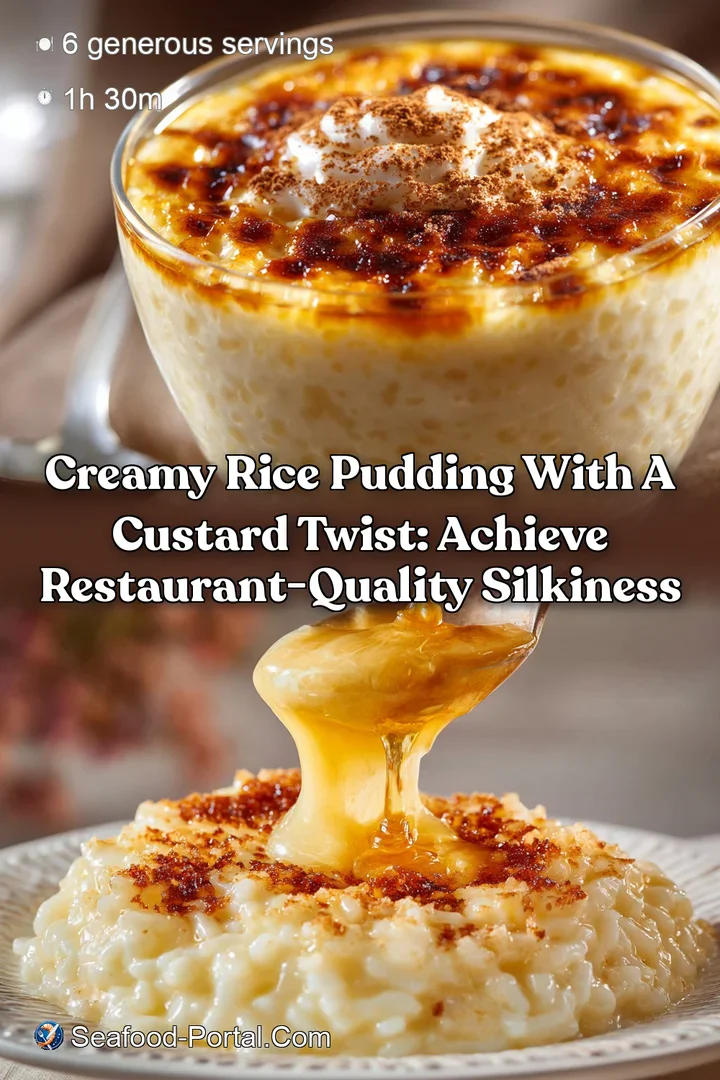
If you love that slightly chewy, golden skin (I know, some people hate it!), transfer the finished, custard infused pudding to a buttered oven safe dish. Bake it at 350°F (175°C) for about 15- 20 minutes until a light golden skin forms on top. This is pure, old-fashioned comfort.
Troubleshooting Your Pudding: Expert Tips and Common Pitfalls
Preventing Scorch Marks and Sticking to the Pot
This is the number one destroyer of good rice pudding. Always use a heavy bottomed pan. Heat distribution is key. If you smell even a hint of burning, immediately transfer the unburned portion to a fresh, clean pot; don't scrape the bottom.
Stirring every few minutes is essential for even cooking.
What to Do If Your Custard Splits or Curdles (Recovery Steps)
If you overheated the custard and see small lumps (scrambled egg bits), don't panic entirely! Immediately remove the pot from the heat and try whisking in a couple of tablespoons of cold milk or cream. If the lumps are still visible, run the entire mixture through a fine mesh sieve.
It might lose a little thickness, but you'll save the flavour and the texture will still be close to smooth.
How to Adjust Sweetness and Flavor Intensity
It’s always safer to start with less sugar than the recipe calls for. You can easily stir in an extra tablespoon or two of sugar right at the end once the pudding is off the heat.
If you find the vanilla or lemon too subtle, add a dash of quality vanilla extract or a quick, fresh microplane zest once the cooking is completely finished.
Making Ahead: Storing and Reheating Custard Set Rice Pudding
Best Practices for Refrigeration and Keeping the Skin Off
Once the pudding is cooked and still warm, the best way to prevent that rubbery skin from forming is to use contact wrap. Press a piece of plastic film directly onto the surface of the pudding, ensuring no air is trapped between the film and the dessert. This keeps the moisture in and allows it to cool evenly.
It will keep beautifully in the fridge for up to 4 days.
Can You Freeze Creamy Rice Pudding with a Custard Twist?
But does it freeze well? You bet, but there's a trick. Because of the high dairy and egg content, freezing can sometimes make the texture a bit grainy upon thawing. To minimize graininess, portion the pudding into individual freezer safe containers and let it thaw slowly overnight in the fridge, not on the counter.
Reheating Methods: From Cold Comfort to Warm Delight
The best way to reheat is on the stovetop. Transfer the pudding to a clean saucepan, add a splash of extra milk or cream (about 1 2 tablespoons per serving), and warm it gently over very low heat, stirring constantly until heated through. Do not blast it in the microwave; it makes the custard structure break.
Elegant Pairings: Serving Suggestions for Your Dessert
This rice pudding is already rich, so you need something bright to complement it. A tart raspberry or blackberry compote is absolutely perfect for cutting through the creamy intensity.
- A dollop of sharp, homemade lemon curd stirred in just before serving.
- A dusting of cinnamon and a sprinkle of toasted pistachios for crunch.
- The grown-up treat: serve with a small glass of medium dry Sherry or a quality Tawny Port for a sophisticated finish.
- For a fun twist, try topping it with lightly caramelized bananas, similar to what you might serve with my Teriyaki Salmon: 20 Minute Weeknight Dinner with Sticky Glaze if you swap the salmon for ice cream kidding! Stick to the compote.
Recipe FAQs
Which type of rice is best for achieving this exceptionally creamy texture?
A short grain or medium grain starchy rice, such as Arborio, Carnaroli, or traditional pudding rice, is absolutely essential for this recipe. These types release the most starch during cooking, which helps bind the liquids and creates that signature velvety, unctuous consistency.
My egg yolks scrambled when I added them to the mixture. What went wrong, and how do I prevent it?
This common issue occurs because the rice mixture was too hot or the yolks were not adequately tempered. To prevent scrambling, ensure the rice mixture is slightly cooled off the heat before slowly whisking in the warm egg yolk/cream mixture, allowing the yolks to gently integrate and stabilize before returning to very gentle heat.
How should I store the finished rice pudding, and how long will it keep?
Rice pudding must be stored in an airtight container and refrigerated immediately after cooling, where it will keep well for 3 to 4 days. Be aware that the texture will firm up considerably once chilled due to the starch and the gelatinized custard base, which is normal.
My pudding became too thick and gluey once it cooled. How do I fix the texture for serving?
This is a natural occurrence due to starch retrogradation and the chilling process. To restore the luxurious, flowing consistency, simply stir in a splash of warm milk or heavy cream a tablespoon at a time until the desired velvety texture returns before serving.
Can I make this luxurious rice pudding dairy-free or vegan?
While the rich custard twist relies heavily on dairy fat and egg yolks, you can substitute whole milk with full fat coconut milk or cashew cream for similar richness. For the thickening effect of the eggs, use 1-2 tablespoons of cornstarch mixed into the substitute milk, whisking constantly as the pudding thickens.
What are some sophisticated flavor variations I can incorporate besides classic vanilla?
For a deep aromatic note, infuse the milk with a cinnamon stick, star anise, or cardamom pods during the initial simmering stage, removing them before adding the custard. Alternatively, fold in the zest of an orange or lemon right after the pudding finishes cooking for a bright citrus lift, avoiding the bitter white pith.
Is it possible to freeze leftover rice pudding for later consumption?
Freezing is generally not recommended for custard based rice puddings. The high fat content and the structure created by the egg yolks tend to separate upon thawing, resulting in a grainy, watery texture that loses the desired smooth, luxurious mouthfeel this recipe is known for.
Custard Twist Creamy Rice Pudding
Ingredients:
Instructions:
Nutrition Facts:
| Calories | 487 kcal |
|---|---|
| Protein | 17.8 g |
| Fat | 22.4 g |
| Carbs | 53.7 g |
