Southern Fried Catfish: the Crispy, Buttermilk-Soaked Comfort Classic Recipe
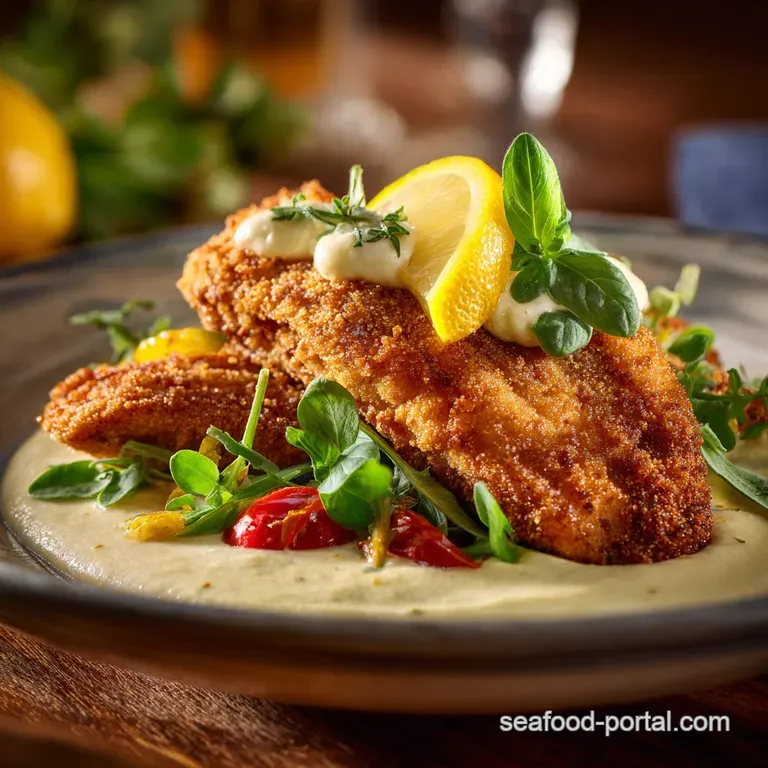
- Mastering Southern Fried Catfish: The Ultimate Guide to Comfort Food
- The Science of Crispness: Why This Catfish Dredge is Superior
- Gathering Your Gear: Essential Ingredients for Southern Fried Catfish
- The Proper Method: Step-by-Step Instructions for Frying Catfish
- Troubleshooting and Expert Frying Tips
- Handling Leftovers: Storage, Reheating, and Keeping Catfish Crisp
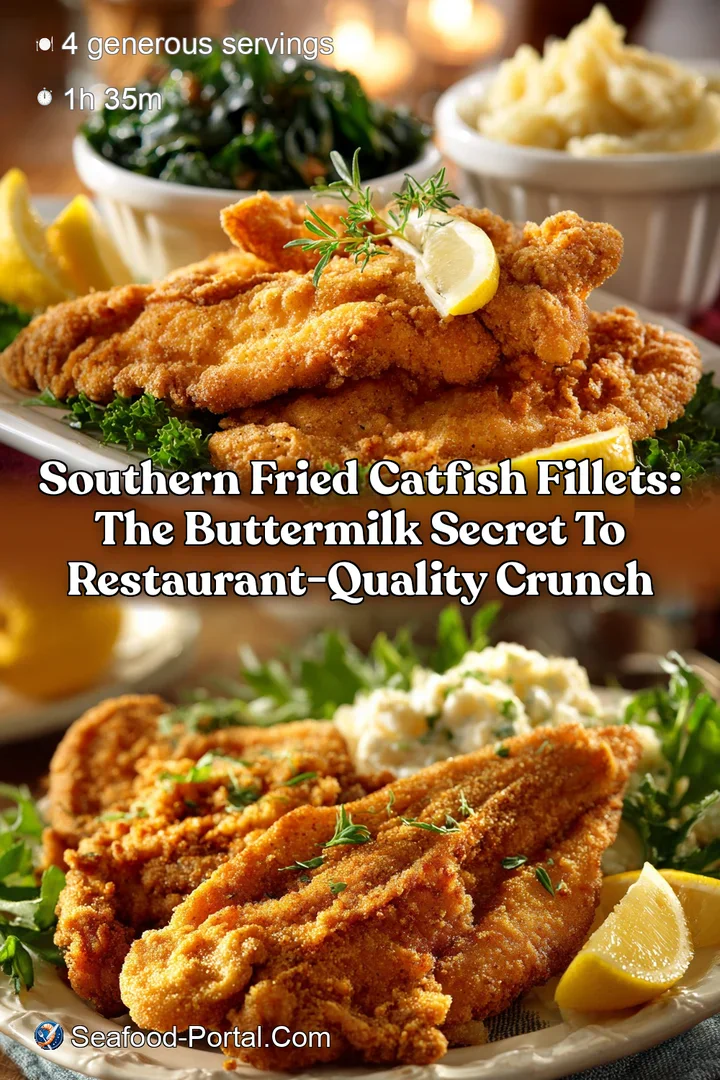
- Perfect Pairings: What to Serve Alongside Fried Catfish
- Recipe FAQs
- 📝 Recipe Card
Mastering Southern Fried Catfish: The Ultimate Guide to Comfort Food
That unique aroma of hot peanut oil mixed with savory cornmeal hitting the air? That’s not just dinner; that is pure, unadulterated Southern comfort calling your name. The perfect [Southern Fried Catfish] should have a crust so shatteringly crisp it almost flakes away, protecting the moist, clean white fish inside.
It’s seriously the best kind of Friday night food.
This recipe is my absolute secret weapon when I need something fast, cheap, and deeply satisfying for a crowd. Forget fussy techniques; we are focusing on simple ingredients that deliver massive flavor payoff in under two hours, including the essential soaking time.
It proves that proper, delicious Southern food doesn't need to be complicated or expensive.
I’ve made every mistake in the book greasy crusts, burnt seasoning, and fish that tasted slightly "muddy." But I’ve boiled down the process to a few non-negotiable steps that guarantee success every single time. Trust me on this blend of seasonings and technique; it's the real deal.
The Science of Crispness: Why This Catfish Dredge is Superior
Why Buttermilk is the Secret to Tender Catfish
Buttermilk is your best friend in Southern frying, full stop. Its mild acidity works wonders by tenderizing the fish protein, resulting in a super moist, flaky interior that cooks perfectly.
Critically, the buttermilk also strips away that slightly earthy or "muddy" taste that some people dislike about catfish, leaving only a clean flavor behind. The final bonus? That tangy viscosity helps the dredge stick like glue, which is vital for a robust crust.
What Does Catfish Actually Taste Like?
Catfish is a wonderfully firm, white fish with a delicate, slightly sweet flavor. When sourced correctly, it should not taste strongly "fishy." Farm raised varieties often have a cleaner, milder flavor profile than wild catches, making them ideal for frying since the strong seasoning can truly shine through.
An Overview of Recipe Difficulty and Timing
The actual hands-on work in this recipe is super easy, just mixing and dipping. We’re classifying this as Medium difficulty only because deep frying requires careful oil temperature management. If you have an instant read thermometer, you are basically cheating your way into a professional kitchen experience.
We’re talking about 15 minutes of prep and then only 20 minutes of active frying time.
Flour vs. Cornmeal Ratios for Maximum Crunch
This is where many recipes mess up, relying too heavily on plain flour, which gives you a dull, heavy crust. We are using a 2:1 ratio of fine yellow cornmeal to all-purpose flour. The cornmeal provides that fantastic, gritty texture and superior crunch that defines proper [Southern Fried Catfish].
Achieving a Non-Greasy, Golden Brown Crust
The secret to avoiding a greasy crust is all about that beautiful 350°F (175°C) oil temperature. If the oil is too cold, the coating absorbs it like a sponge, becoming heavy and oily gross! If it’s too hot, the crust burns long before the fish inside is properly cooked.
Stabilize that temperature, people.
The Essential Role of a Deep Spice Blend
You cannot rely solely on salt and pepper for Southern frying; you need bold flavor. Our dredge includes smoked paprika, onion powder, garlic powder, thyme, and a good dose of Cajun seasoning. These savory spices bloom spectacularly in the hot oil, ensuring that every bite of that crispy crust is packed with flavor.
Gathering Your Gear: Essential Ingredients for Southern Fried Catfish
| Ingredient | Why We Use It | Viable Substitution |
|---|---|---|
| Buttermilk | Tenderizes, removes 'muddy' notes, acts as the glue. | Whole Milk + 1 Tbsp White Vinegar (let sit 10 min). |
| Yellow Cornmeal | Provides the signature texture and crunch. | Semolina flour or finely crushed plain corn flakes. |
| Catfish Fillets | Firm, mild white fish perfect for frying. | Tilapia, Cod, or Swai fillets work well. |
| Peanut/Canola Oil | High smoke point, neutral flavor. | Lard or shortening (if you're feeling really Southern). |
Selecting the Best Catfish Fillets (Farm raised vs. Wild)
I almost always lean toward farm raised fillets for frying. They are consistently sized, easier to find, and generally have a milder flavor, which means less risk of that earthy taste. Aim for fillets that are 6 8 ounces; anything thicker might cook unevenly unless you cut it down the middle.
The Ideal Frying Oil Temperature and Smoke Point
You need a neutral oil that can handle high heat without breaking down or smoking immediately. Peanut, canola, or vegetable oils are perfect choices for this [southern fried catfish recipe]. Target exactly 350°F (175° C) and use a deep fry or instant read thermometer religiously.
Seriously, don't guess this temperature, or you will regret it.
Dry Mix Substitutions (Cornmeal alternatives)
If you don't have cornmeal, what do you do? While cornmeal is essential for that traditional, gritty crunch, you can sub it out. If you're going for a lighter, almost puffy coating, swap in rice flour.
If you prefer a lighter, lower carb approach, you could even try almond flour mixed with a bit of baking powder, though the texture won't be as traditional.
Making a Quick Homemade Buttermilk Substitute
Don't panic if you reach for the fridge and realize you're out of buttermilk. It’s an easy fix! Just measure out 2 cups of regular whole milk and stir in two tablespoons of white distilled vinegar or lemon juice.
Let that mixture sit for 10 minutes; it will curdle slightly and thicken up just enough to do the job.
The Proper Method: step-by-step Instructions for Frying Catfish
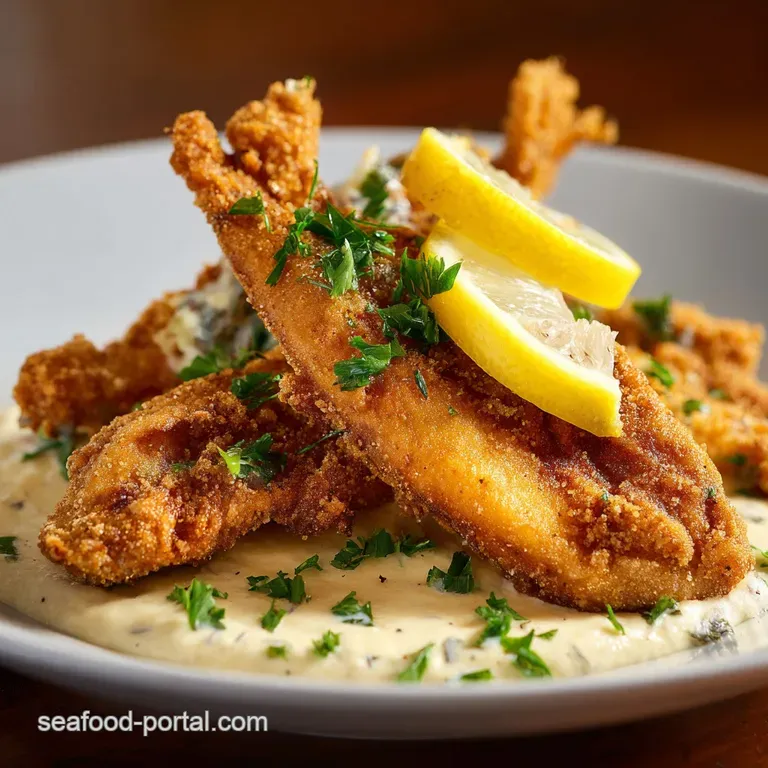
Prepping and Marinating the Catfish Fillets
First, rinse your fillets quickly and pat them bone dry. Now, mix your buttermilk and hot sauce (yes, the hot sauce adds flavor and helps the tenderizing process!). Submerge the dried fish in the buttermilk, cover it, and let it chill for at least one hour in the fridge. Don't skip this soak!
The Double Dredge Technique for a Thick Crust
While the fish soaks, mix every single dry dredge ingredient (cornmeal, flour, and all those amazing spices) in a shallow dish. When the fish is ready, pull a fillet out of the buttermilk and let the excess drip off we want it wet, but not soaked.
Then, bury it in the dry mix, pressing firmly to make sure that coating adheres to every single curve.
Chef's Note: After coating the fish, set it on a clean wire rack, not a plate. Let it rest for 5– 10 minutes. This resting period allows the moisture from the buttermilk to hydrate the starch, creating a sticky layer that prevents the crust from falling off when it hits the oil.
Deep Frying Safety and Optimal Batch Cooking
Set up your Dutch oven or heavy pot with at least 3 inches of oil and bring it right up to 350°F (175°C). Use tongs to gently lower 1 or 2 fillets into the hot oil. Crucial rule: Never overcrowd the pot. Overcrowding instantly crashes the oil temperature, leading to heavy, greasy fish.
Fry them for about 5 to 7 minutes total, turning once until they are gorgeously deep golden brown.
Draining and Seasoning the Fried Fish
As soon as the fish is done, lift it out and place it on a clean wire cooling rack again, over paper towels if you must, but never directly on them, or you'll steam the bottom crust instantly. Now, immediately hit the hot fish with a generous pinch of finishing kosher salt.
The salt sticks beautifully to the hot oil residue and prevents the fish from tasting bland.
Troubleshooting and Expert Frying Tips
Preventing Soggy Catfish: The Rest Before the Fry
A soggy crust is usually caused by one of two things: oil that is too cold, or not resting the dredge. If you want that perfect shatter, the rest period after dredging is non-negotiable. If you rush it, the wet coating immediately detaches and sinks, leaving you with patchy, sad fish.
Give it 5 minutes!
Common Mistake: Overcrowding the Frying Pan
I know you want to get dinner on the table quickly, but please resist the urge to drop four fillets into the oil at once. This is the single biggest culprit for greasy, undercooked [Southern Fried Catfish]. Cook in small batches and patiently wait for the oil to reheat to 350°F before dropping the next batch.
When to Know Your Catfish is Perfectly Cooked (Internal Temp)
The fish will look beautifully golden and stop bubbling quite as violently when it's done. If you want a guarantee, the internal temperature of the thickest part of the fillet should register 145°F (63°C). At that point, the fish will be flaky and opaque, with no translucent spots remaining.
Handling Leftovers: Storage, Reheating, and Keeping Catfish Crisp
How to Store Cooked Southern Fried Catfish
Cooked catfish stores remarkably well in the fridge, but only if you follow the rules. Ensure the fish is completely cooled before storing it in an airtight container for up to 3 days. Do not stack pieces unless separated by paper towels, or you'll lose that crispness!
The Best Way to Reheat Catfish Without Losing Crispness
Microwaving is a crime against crispy fried fish; don't even think about it. The best method for reheating [Southern Fried Catfish] is in the oven or air fryer. Pop the fillets onto a wire rack set over a baking sheet and bake at 350°F (175°C) for about 10– 12 minutes, or until piping hot and re-crisped.
If you have an air fryer, 5 minutes at 375°F (190°C) works wonders.
Can I Prepare the Dredged Fillets Ahead of Time?
This is tricky. You can certainly do the buttermilk soak hours ahead, or even overnight. However, I strongly advise against coating the fish more than 30 minutes before frying.
The cornmeal dredge will slowly absorb moisture from the buttermilk, becoming pasty and heavy, leading to a much duller crust. If you need a lighter option you can prep ahead, try my [Baked Catfish: Crispy Cornmeal Fillets in the Oven (Lighter Recipe)] instead.
Perfect Pairings: What to Serve Alongside Fried Catfish
Southern Fried Catfish demands classic, bright, contrasting sides to balance the richness of the fry.
- Tangy Salads: A creamy, tart coleslaw or maybe even a scoop of [SouthernStyle Tuna Macaroni Salad: Creamy, Tangy Picnic Classic] cuts through the oiliness beautifully.
- Hearty Sides: For a true comfort plate, you absolutely need some cheesy grits or perhaps some baked beans.
- Mustard Sauce: If you're feeling ambitious, pair these fillets with a zesty mustard sauce it's phenomenal. If you love that combo, you should check out my recipe for [Spicy Southern Fried Catfish With Mustard Sauce: Crisp Tangy Dinner].
- The Ultimate Meal: If you're having a big seafood feast, serving these alongside a bowl of rich, smoky [Shrimp Gumbo: Rich, Smoky Southern Stew with Traditional Dark Roux] is truly legendary.
Recipe FAQs
Why is my fried coating soggy or falling off the fish fillets?
This usually happens if the oil temperature is too low, causing the coating to absorb grease rather than crisping instantly. Ensure your oil stays accurately between 350°F and 375°F (175°C 190°C) during frying.
Also, after dredging, let the coated fish rest on a wire rack for 10 minutes; this allows the coating to "set" and adhere better to the moist fish.
I don’t have buttermilk. What is a good substitute for the soak?
You can easily create a buttermilk substitute by combining 1 cup of whole milk with 1 tablespoon of white vinegar or fresh lemon juice. Let the mixture sit for about 5 minutes until it slightly thickens and curdles.
The acidity is crucial as it tenderizes the fish and effectively neutralizes any strong, muddy flavor inherent to catfish.
Can I use only flour or only cornmeal for the dredge?
While possible, it is not recommended; the flour/cornmeal blend provides the optimal balance of texture and adherence. Pure cornmeal tends to result in a loose, coarse, and sandy crust, while using only flour yields a soft, cakey coating lacking that signature Southern crunch.
The flour acts primarily as the necessary binder.
Can I air fry or bake this catfish for a healthier alternative?
Yes, the air fryer is the best alternative to deep frying; lightly spray the dredged fillets with cooking oil and cook at 400°F (200°C) for about 12 15 minutes, flipping halfway through.
While baking at 425°F (220°C) works, the air fryer provides a much closer approximation of the desired crispness. Ensure the internal temperature reaches 145°F (63°C).
How do I know when the catfish is cooked through, and what is the target temperature?
Catfish is typically done after 5 7 minutes of frying, depending on the thickness of the fillet, when the exterior is deep golden brown and the fish floats slightly in the oil.
For food safety, the internal temperature must reach 145°F (63°C), at which point the flesh will be opaque and flake easily when tested with a fork.
How should I store and reheat leftover fried catfish to maintain crispness?
Store leftovers in an airtight container in the refrigerator for up to 3 days; reheating in a microwave will destroy the crispy texture and should be avoided. To restore the crunch, place the fish on a baking rack in a 350°F (175°C) oven or toaster oven for about 10 minutes until it is fully heated through.
Crispy Southern Fried Catfish Fillets
Ingredients:
Instructions:
Nutrition Facts:
| Calories | 468 kcal |
|---|---|
| Protein | 42.1 g |
| Fat | 10.9 g |
| Carbs | 36.7 g |
