Salmon with Herb and Garlic Cream Sauce: Pan-Seared, Crispy Skin, Silky Sauce

- The Definitive Guide to Pan-Seared Salmon with Herb and Garlic Cream Sauce
- The Culinary Science Behind This Flawless Salmon Dish
- Essential Ingredients for the Best Salmon with Herb and Garlic Cream Sauce
- Step-by-Step: Mastering the Pan-Seared Salmon and Silky Sauce
- Expert Chef's Tips and Troubleshooting for Pan-Seared Salmon Success
- Perfect Pairings: What to Serve Alongside Your Creamy Salmon Dish
- Storing and Reheating Leftover Salmon with Cream Sauce
- Recipe FAQs
- 📝 Recipe Card
The Definitive Guide to Pan-Seared Salmon with Herb and Garlic Cream Sauce
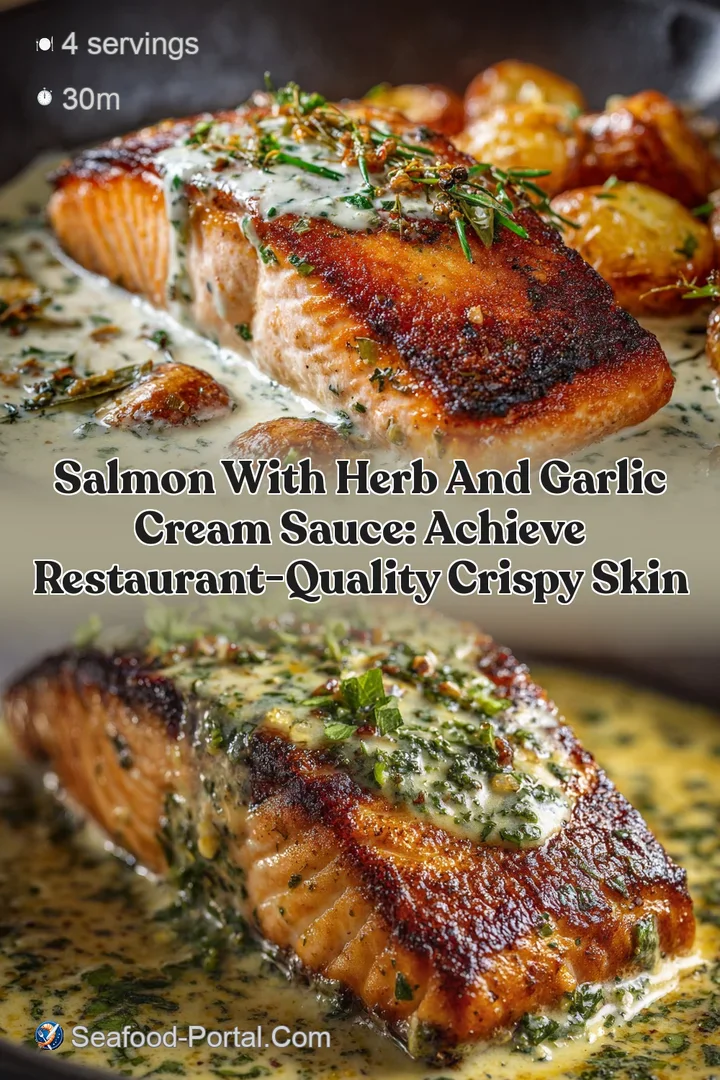
When you slice into that salmon fillet, hearing the satisfying crunch of the perfectly seared skin, you realize everything is right with the world. Then, that incredibly rich, yet brightly flavoured herb and garlic cream sauce starts pooling around the fish, smelling overwhelmingly like a sunny Mediterranean kitchen.
This isn't just dinner; it’s a moment of culinary peace, a perfect balance of texture and aroma.
I know what you're thinking: fancy cream sauces are a weekend project, totally fussy, and probably require three types of obscure flour. Nope. This Salmon with Herb and Garlic Cream Sauce is legitimately a 30 minute wonder, easily making it the fanciest, most satisfying weeknight dinner you can pull off when you’re utterly exhausted.
It’s fast, forgiving, and tastes wildly expensive.
Trust me, I have burned enough garlic and mangled enough salmon fillets in my day to know exactly where this recipe can go sideways. Now that I’ve nailed the technique especially the searing process it’s time to share the secrets.
Let's make the best, creamiest salmon dinner you’ve ever had.
The Culinary Science Behind This Flawless Salmon Dish
Why This Classic Cream Sauce Elevates Simple Salmon
Salmon is already naturally rich and buttery thanks to those healthy fats, but it needs a counterpoint. If you just served a dry-seasoned fillet, it would feel a bit… boring, right?
The key here is using the creamy base as a flavour vehicle for the herbs and the garlic, delivering richness that adheres perfectly to the flaky fish. The tiny splash of lemon at the end is non-negotiable; it cuts through the fat and keeps the whole dish tasting fresh, not heavy.
How Quickly Can I Master This Medium Difficulty Recipe?
Because we cook the sauce directly in the same pan as the fish, you capture all those beautiful brown salmon bits ( fond ) that add incredible depth. The active cooking time is seriously only about 15 minutes.
The only reason I call this "medium difficulty" is the searing technique itself. High heat means high reward, but it also means you have to move quickly once the oil is shimmering.
A Flavor Breakdown: Dill, Chives, Garlic, and Lemon Zest
This is where the magic happens and where we get that lovely "creamy herb and garlic sauce" flavour profile. Dill brings a clean, slightly anise like note that pairs traditionally with salmon. Chives offer a gentle, savoury onion element without being overpowering.
The minute you mix them with that warm garlic butter and a touch of lemon zest, the sauce transforms from merely rich to wonderfully balanced and bright.
Achieving the Ultimate Crispy Salmon Skin: The Technique
The crunch factor is everything! The secret lies in a concept I hammer home constantly: moisture control and initial heat. If the skin isn't dry, it steams, and steamed skin is rubbery skin a tragic waste of a good piece of fish.
Searing it hot and hard on the skin side establishes a protective crust while allowing the interior of the fish to gently cook.
Chef's Note: Aim for high heat initially. If your pan isn't hot enough when the fish goes in, the skin will stick, and you lose the crispy crust completely.
Why Lemon Zest is Crucial for Cutting Through Rich Cream
If you skip the acidity, the Garlic Cream Sauce For Salmon just tastes heavy. The fresh lemon juice (and ideally a tiny bit of zest stirred in right before serving) acts as a palate cleanser.
It prevents the thick cream from dominating the delicate flavour of the salmon and enhances the fresh notes of the dill and chives.
The Maillard Reaction: Maximizing Flavor While Pan-Searing
The Maillard reaction is just the fancy term for browning, and it’s why seared food tastes amazing! When you cook the salmon at a high temperature, the proteins and sugars rearrange, creating hundreds of new flavour compounds.
That deep, caramel brown crust on the skin delivers complex, savoury flavour that you just can't get from baking or poaching. This is the difference between good salmon and great salmon.
Essential Ingredients for the Best Salmon with Herb and Garlic Cream Sauce
Choosing the Right Salmon Fillets (Skin-On vs. Skinless)
I am always, always going to recommend skin-on fillets for this Pan-Seared Salmon Recipe . The skin acts like a natural heat shield, helping the fish cook evenly and preventing the delicate flesh from drying out. Plus, that crispy skin is just divine!
If you absolutely hate skin, choose skinless, but be prepared to reduce your searing time slightly.
Heavy Cream vs. Crème Fraîche: Which to Use for Thickness
For this specific recipe, I prefer classic heavy cream (or double cream in the UK) because it gives that truly luxurious, velvety texture without adding too much tang. Crème fraîche is fantastic, but it adds a sharp, sour note that sometimes conflicts with the freshness of the dill.
If you want maximum richness, stick to the heavy stuff.
Substitutions for Fresh Dill and Chives
Fresh herbs are non-negotiable for the best flavour, but life happens, right? If you're short on fresh herbs, you have options.
| Original Ingredient | Acceptable Substitution | Notes |
|---|---|---|
| Salmon | Cod or Halibut | Use thick cuts; pat dry and adjust cook time. |
| Heavy Cream | Half and Half (US) or Crème Fraîche | Half and half makes a thinner sauce; Crème Fraîche adds tang. |
| Fresh Herbs (Dill/Chives) | Dried Italian Seasoning Mix | Use only 1 teaspoon total. Add them with the garlic so they soften. |
| Dry White Wine | Chicken or Vegetable Stock | Stock is the best non-alcoholic substitute for the deglazing stage. |
Pantry Staples: Garlic, Butter, and Dry White Wine (Optional)
We use butter for the sauce because it emulsifies better than oil and adds richness. Don’t skimp on the garlic! Four cloves sounds like a lot, but once it melts into the cream, it mellows out wonderfully. I also love using a splash of dry white wine (like a cheap Sauvignon Blanc) for deglazing.
The alcohol cooks off, leaving a beautiful complexity. If you skip the wine, just use extra chicken stock instead.
step-by-step: Mastering the Pan-Seared Salmon and Silky Sauce
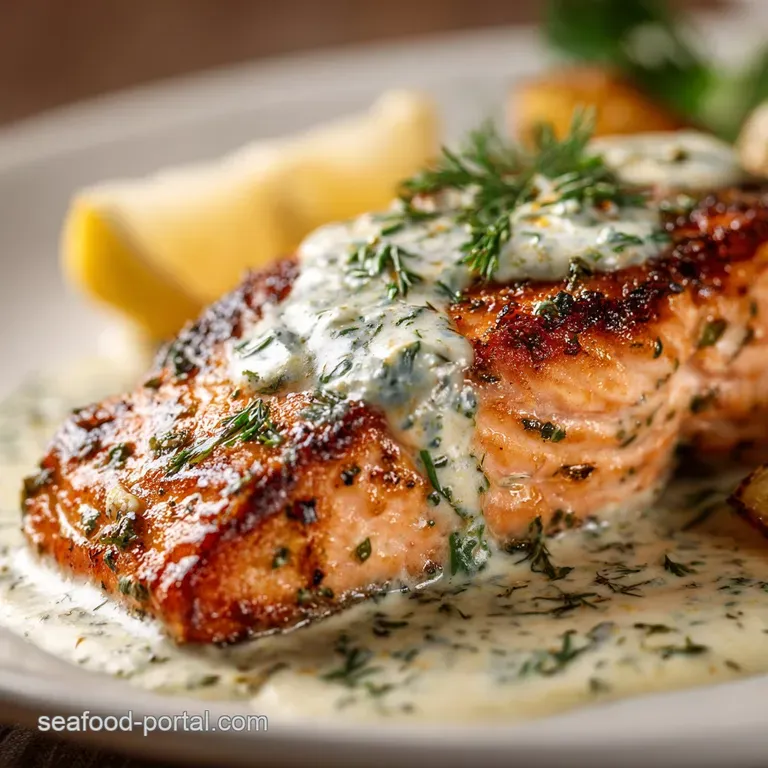
(Based on the structured outline provided)
Stage 1: Prep and Seasoning
- Prep Salmon: Take those fillets and pat them down until they are bone dry using paper towels. This is the most critical step for crispy skin. Score the skin 2 3 times diagonally; this stops the salmon from curling up in the hot pan.
- Season: Season the fish generously. I use a slightly heavier hand with the salt on the skin side.
Stage 2: Pan-Searing the Salmon
- Heat Pan: Place your heaviest pan (cast iron is perfect) over medium high heat and add the high smoke-point oil. Wait patiently until the oil is shimmering and almost smoking. Seriously, wait for it.
- Sear: Place the salmon, skin side down, into the smoking hot oil. Immediately press down gently on each fillet for 30 seconds to ensure full contact.
- Cook Skin Side: Leave the salmon totally undisturbed for 4– 5 minutes. You will see the colour of the fillet changing and moving up the side, indicating it is cooking through.
- Flip & Finish: Flip the fish quickly. Cook for only 1– 3 minutes on the flesh side, depending on thickness, until the internal temperature reaches 140°F (it will climb to 145°F while resting).
- Rest: Remove the salmon and let it rest on a clean plate. Do not wipe out that flavourful pan!
Stage 3: Building the Cream Sauce
- Sauté Garlic: Reduce the heat to medium low. Add the butter to the residual oil and fond. Once melted, add the minced garlic and sauté for 30 60 seconds, until wonderfully fragrant. Do not burn the garlic!
- Deglaze: Pour in the white wine (or stock). Immediately scrape up all the brown bits stuck to the bottom of the pan that's your hidden flavour base. Let this reduce by half, which should take just over a minute.
- Simmer: Pour in the heavy cream and the rest of the stock. Bring this mixture to a gentle simmer, stirring frequently. Cook for 3– 5 minutes until the sauce coats the back of a spoon nicely.
- Finish & Season: Take the pan off the heat. Stir in the chopped dill, chives, parsley, and the lemon juice. Taste it and adjust your seasoning with salt and that beautiful, clean white pepper.
Stage 4: Plating
- Serve: Spoon a generous ladle of your silky Garlic Cream Sauce For Salmon onto a warm plate. Place the rested salmon on top, ensuring the crispy skin faces upward so it stays perfectly crunchy. Dig in!
Expert Chef's Tips and Troubleshooting for Pan-Seared Salmon Success
Preparing the Salmon: Seasoning, Scoring, and Patting Dry
I know I said it already, but I’m saying it again: dry your fish! Think of it like a sponge; if it’s full of water, it can't absorb oil and get crispy. Scoring the skin lightly helps fat render out faster, resulting in better texture.
Don't worry about measuring your salt too carefully; salmon can handle a good amount of seasoning.
The Golden Rule of Searing: 90% Skin Side Down
Aim to cook the salmon 70 80% of the way through while it’s skin side down. When you flip it for the final minute or two, you are just kissing the flesh side and warming it up. If you look closely, you should see the flesh turn opaque nearly to the top before you even consider flipping.
Building the Herb and Garlic Crème Sauce Foundation
The secret to maximizing flavour here is the fond (those crusty bits). Make sure you thoroughly scrape up those bits during the deglazing step. If you skip this, you miss out on the deep, savoury salmon flavour infused into your Salmon with creamy herb and garlic sauce .
Combining the Sauce and Fish for the Perfect Finish
Never cook the salmon in the cream sauce, or the crispy skin will immediately turn soggy. That’s why we always rest the fish and make the sauce separately. The ideal presentation is placing the creamy sauce down first, then settling the fish on top, protecting the delicious crust.
How to Prevent Your Cream Sauce From Splitting or Becoming Too Thick
Cream sauces split when they are boiled too aggressively or when a cold, acidic liquid is dumped suddenly into a hot pan. The fix: Always keep the sauce at a gentle simmer, never a hard, rolling boil. When adding the lemon juice, remove the pan from the heat first and then stir it in slowly.
If the sauce gets too thick while reducing, just whisk in a tiny splash of extra stock until it reaches your desired consistency.
Using Residual Heat: When to Remove the Salmon from the Pan
Salmon continues to cook once it leaves the pan this is called carryover cooking. If you aim for an internal temperature of 145°F (well done) or 135°F (medium rare), remove the fish from the heat 5 degrees before that point.
Letting it rest also allows the internal juices to redistribute, leading to a much more succulent fillet.
Perfect Pairings: What to Serve Alongside Your Creamy Salmon Dish
The Ideal Starches: Creamy Mashed Potatoes vs. Fluffy Rice
For a rich dish like this Salmon and garlic cream sauce , you need something stellar to soak up all that leftover deliciousness. Creamy mashed potatoes are an absolute classic pairing they are like a sponge for the sauce. However, if you want something lighter and faster, plain white rice or even a simple Shrimp Orzo: Creamy One-Pot Lemon Garlic Recipe (if you sub out the shrimp for more veggies) provides a lovely foundation.
Complementary Greens and Roasted Vegetables
Since the main dish is rich, I usually go for simple, clean vegetable sides. Blanched asparagus is perfect, especially if you toss it with a little bit of butter and lemon zest. Roasted broccoli or green beans tossed simply with olive oil and salt also work wonders. If I’m looking for another quick seafood option that uses similar bright flavours, I sometimes pair this with my quick Lemon Garlic Butter Tilapia: Quick 20 Minute Weeknight Dinner for variety.
Suggested Wine Pairings to Enhance the Dill and Garlic Notes
You need a wine with enough acidity to stand up to the richness of the cream but enough character to complement the herbs. A dry, crisp Sauvignon Blanc or an unoaked Chardonnay is phenomenal. If you prefer red, stick to something very light and chilled, or honestly, just stick with the whites.
Storing and Reheating Leftover Salmon with Cream Sauce
How Long Does the Herb and Garlic Cream Sauce Last in the Fridge?
The beautiful thing about the cream sauce (when made with fresh ingredients) is that it stores well. Store the sauce separately from the fish in an airtight container. It will keep safely in the fridge for up to 3 days.
When reheating, you might need to whisk in a splash of milk or stock to restore that smooth consistency.
The Best Way to Reheat Salmon Without Drying It Out
Reheating salmon is tricky because it loves to dry out quickly. Never microwave it! The best method is in the oven: Preheat your oven to a very low temperature (around 275°F / 135°C).
Place the salmon on a lined baking sheet and heat for about 10– 15 minutes, or until just warmed through. This low, slow method gently brings it back up to temperature without turning it to cardboard.
Why Freezing Cream Based Sauces Is Not Recommended
I know you want to know: Can I freeze the sauce? Unfortunately, I strongly advise against freezing anything thickened heavily with dairy cream. When thawed, the fat and water separate (the sauce splits), resulting in a grainy, unappetizing texture.
If you must freeze, freeze only the salmon, and make a fresh batch of Quick Salmon Recipes cream sauce when you are ready to serve.
Recipe FAQs
How do I ensure my salmon skin gets perfectly crispy and doesn't stick to the pan?
The key is moisture and heat control. Ensure your salmon fillets are completely patted dry before seasoning, and use a high smoke point oil (like grapeseed or avocado) in a very hot pan. Do not move the fish for the first 3 to 4 minutes of searing to allow a proper crust to form.
My herb and garlic cream sauce looks grainy or has split. What did I do wrong?
Splitting usually occurs if the heat is too high when adding the cream, or if the acidic component (lemon juice) is added while the sauce is rapidly boiling. Always reduce the heat to low or medium low before incorporating the cream, and only stir in the lemon juice at the very end when the sauce is simmering gently.
Can I make the cream sauce ahead of time, and how should I store leftovers?
The sauce can be made up to 1 day ahead and stored in an airtight container in the refrigerator. To reheat, use very low heat on the stovetop and whisk constantly, adding a splash of milk or water if it seems too thick, as cream sauces thicken upon cooling.
I don't have salmon. What other fish works well with this creamy sauce?
This rich, robustly flavored cream sauce pairs wonderfully with almost any firm white fish. Excellent substitutions include pan-seared halibut, sea bass, or thick cod fillets, though you may need to adjust the searing time based on the fillet thickness.
What is the internal temperature for perfectly cooked salmon?
For a perfect medium rare, aim for an internal temperature of 125°F (52°C) in the thickest part of the fillet; for medium, target 135°F (57°C). Use an instant read thermometer and remember to remove the fish from the heat slightly before reaching the target, as it will continue to cook as it rests.
Can I make the herb and garlic cream sauce dairy-free?
Yes, you can substitute heavy cream with full fat coconut milk (the canned variety) or a high-quality, unflavored oat cooking cream. Be mindful that coconut milk may impart a subtle sweetness and slightly different texture to the finished sauce.
I don't have fresh dill and chives. What dried herbs can I use instead?
While fresh herbs are strongly recommended for maximum flavor, you can substitute with dried dill and dried parsley. Use about one-third the amount of dried herbs compared to fresh, and incorporate them earlier into the sauce simmer to give them time to rehydrate fully.
Crispy Salmon With Herb Garlic Cream Sauce
Ingredients:
Instructions:
Nutrition Facts:
| Calories | 360 kcal |
|---|---|
| Protein | 39.0 g |
| Fat | 19.0 g |
| Carbs | 5.0 g |
