Sockeye Salmon: the Proper Pan-Seared Recipe with Crispy Skin Brown Butter
- Mastering the Perfect Pan-Seared Sockeye Salmon Fillet
- The Culinary Science of Searing Sockeye Skin
- Essential Components & Sourcing the Best Sockeye Salmon
- The Proper Technique: From Prep to Plate in 15 Minutes
- Chef's Top Tips for Flawless Fish & Common Mistakes
- Extending Shelf Life: Storing Cooked Sockeye Salmon
- Elegant Side Dishes and Wine Pairings
- Recipe FAQs
- 📝 Recipe Card
Mastering the Perfect Pan-Seared Sockeye Salmon Fillet
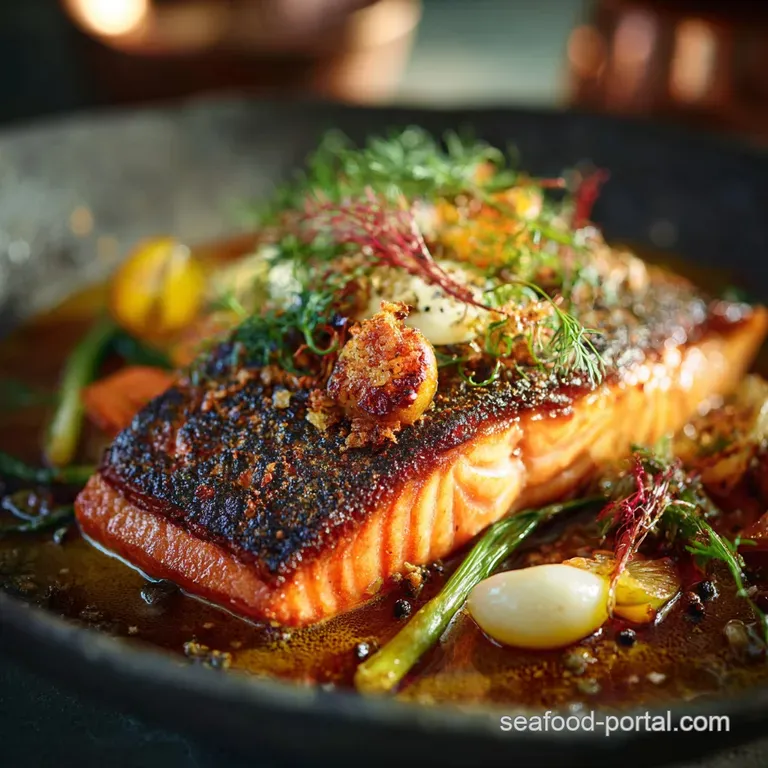
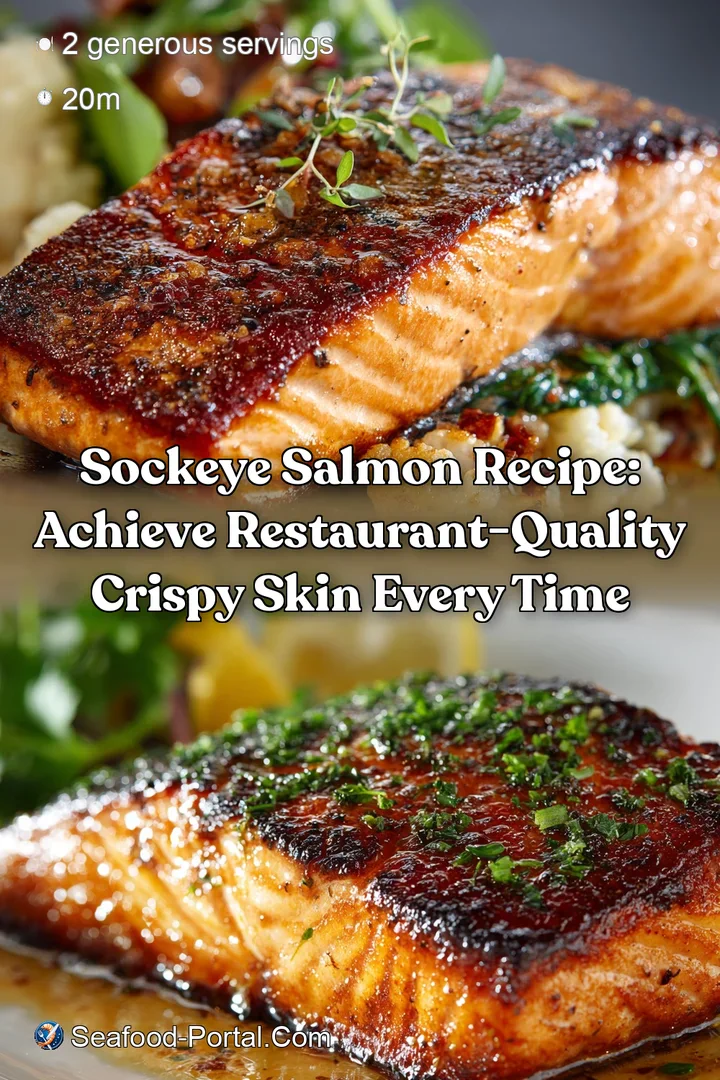
Listen up, because we need to talk about Sockeye. When a fillet of beautiful, wild Alaskan Sockeye Salmon hits a hot pan, the sound is magic. That deep ruby red flesh starts to turn opaque, releasing that clean, rich marine scent, while the skin crisps up like a savoury potato chip.
If you haven't mastered searing this fish yet, you are missing out on one of life's greatest, simplest pleasures.
I know, I know cooking fish at home feels intimidating, but Sockeye is sturdy. It’s leaner than Atlantic salmon, which means it holds its beautiful form, and this whole process takes less than 15 minutes.
This technique is my absolute lifesaver on weeknights when I need something incredibly healthy, outrageously delicious, and faster than calling for takeaway.
We are going to focus entirely on technique today, moving beyond the simple salt and pepper routine. We're chasing the best Sockeye Salmon Recipe by utilizing brown butter, fresh lemon, and dill.
This guide will give you the confidence to achieve that ridiculously crispy skin and perfectly tender interior every single time.
The Culinary Science of Searing Sockeye Skin
Sockeye Salmon: Why Texture and Color Matter Most
Sockeye salmon is the athlete of the salmon world; it's intensely flavoured, vibrantly coloured, and relatively lean. This leanness is a double edged sword: the flavour is clean and bright, but it’s also highly susceptible to drying out if you overcook it.
We embrace its lean, firm texture by searing it hot and fast, ensuring the moisture stays locked inside. When you look at Sockeye versus Atlantic salmon, the Sockeye's darker red flesh is a dead giveaway of its higher astaxanthin content and distinctive flavour.
The Secret Weapon: Cracking Brown Butter Infusion
If you’re just finishing your salmon with melted butter, you’re leaving flavour on the table. Browning the butter transforms the milk solids into toasted, nutty morsels that deliver layers of complexity and aroma.
This "cracking brown butter" finish, combined with the acid from the lemon, cuts through the richness of the fish fat beautifully. It’s a simple French technique that seriously elevates the dish without any extra effort.
Prep Time and Active Cook Time Snapshot
| Stage | Time Required | Notes |
|---|---|---|
| Prep Time | 10 minutes | Patting dry is key. |
| Cook Time | 8 – 10 minutes | Skin side is 80% of the cook time. |
| Total Time | 20 minutes | Includes resting the fish properly. |
Achieving Maillard Reaction: Maximum Crisp
The Maillard reaction is just a fancy term for browning, and it’s our goal for the skin. How do we get that chip like crispness? You must eliminate water. Water boils at 100°C (212°F); the Maillard reaction needs temperatures up to 155°C (310°F).
If the skin is wet, all that energy goes into steaming the fish instead of searing it. Bone dry skin + high heat oil = maximum, spectacular crisp.
Temperature Control: Flaky Flesh vs. Tough Protein
Sockeye protein denatures (becomes tough and dry) quickly. We want the fish to be medium rare to medium, landing right at 55°C (130°F) after resting. We achieve this delicate internal cook by starting hot to set the crust, then immediately lowering the heat.
This allows the heat to penetrate gently without annihilating the delicate proteins.
Why Acid (Lemon) Balances Rich Brown Butter
Rich fats need bright acid, end of story. The sharp lemon juice and aromatic zest cut through the toasted nuttiness of the brown butter and the richness of the salmon fat. This balance is what makes the dish feel sophisticated and light, instead of heavy or oily.
It’s the finishing touch that brings everything into delicious harmony.
Essential Components & Sourcing the Best Sockeye Salmon
You only need a few things, but quality matters, especially with this wild Alaskan Sockeye Salmon recipe .
Selecting Premium Sockeye: Wild Caught vs. Farmed Notes
Always prioritize wild caught Sockeye . Farmed salmon (usually Atlantic) is much fattier and has a pale colour, whereas Sockeye is naturally deep red and packed with flavour.
Because Sockeye is leaner, the technique needs to be precise, but the result is a fish with a cleaner, more robust flavour profile. Trust me on this: Splurge on the good stuff here; it makes all the difference.
The Fresh Herb Choice: Specifics on Dill and Parsley
For this brown butter sauce, fresh herbs are non-negotiable. Dill is classic, bright, and pairs magically with both lemon and Sockeye’s robust flavour. We also use a little parsley if we need some bulk and freshness, but dill is the star. Don't even try using dried herbs here; you’ll ruin the whole vibe.
Butter vs. Ghee: Fat Selection for High Heat Searing
For the initial sear, stick to a high smoke point neutral oil like grapeseed or canola. Olive oil will burn and taste bitter before you hit the required searing temperature. We only introduce butter for the very final step, when we create the brown butter sauce. We use butter for flavour, not for searing.
Ghee (clarified butter) is a great substitute for the oil if you want a buttery flavour from the start, as it won't burn.
Quick Swaps: Alternative Citrus and Herbs
| Ingredient | Substitute | Why it Works |
|---|---|---|
| Sockeye Salmon | Coho Salmon or Arctic Char | Similar lean texture; needs careful cooking. |
| Neutral Oil | Ghee or Avocado Oil | Higher smoke point, better for searing. |
| Fresh Dill | Fresh Tarragon or Chives | Both offer anise like/onion notes that compliment fish and lemon. |
| Lemon | Lime or Orange | Lime offers sharper acidity; orange adds subtle sweetness (great if you lean toward a Baked Teriyaki Salmon Recipe Easy: Sticky, Savoury Weeknight Hero variation). |
The Proper Technique: From Prep to Plate in 15 Minutes
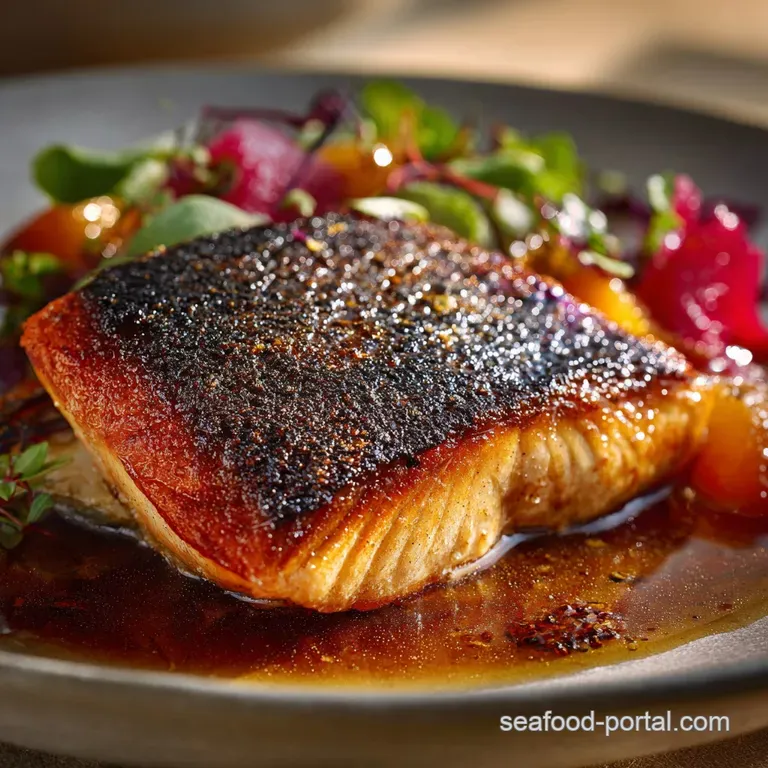
This is where we turn theory into a flawless dinner. Follow these steps exactly, and you will be hailed as a kitchen legend.
Critical Prep: Drying the Sockeye Skin for Maximum Crisp
Pat the Sockeye fillets until they feel tacky, not damp. I mean really dry, like you’re trying to polish silver with the paper towel. If you have 30 minutes, place the dried fillets, skin side up, on a plate in the fridge.
This draws out residual moisture, giving you that spectacular crispness we talked about earlier. Season the skin heavily with coarse salt only.
The Sizzle Point: Preheating the Pan and Oil Calibration
Use a heavy pan (cast iron is best). Place it over medium high heat for a full 2 minutes until it is scorching hot. Add the neutral oil; it should shimmer immediately but not smoke wildly. If it’s smoking instantly, your pan is too hot pull it off the heat for 30 seconds.
Searing with Confidence: Pressing Down and Timing the Flip
Gently place the salmon skin side down away from you. This is the moment of truth. Immediately press firmly on the fish with a spatula for the first 10 seconds. This prevents the edges from curling up (the dreaded ‘fish curl’!). Now, turn the heat down to a steady medium.
Do not touch the fish for 3- 4 minutes. You will know it’s ready to flip when the skin has released from the pan, and the opaque colour has travelled 70 80% up the fillet.
Creating the Cracking Brown Butter Finish
Remove the salmon and let it rest, skin side up. In the same pan, or a small saucepan, add the butter over medium heat. Let it melt, foam, and then watch the magic: the milk solids sink and turn a beautiful deep amber, smelling distinctly nutty. This takes 2 minutes max, so watch it closely!
Pull it off the heat immediately and stir in your garlic, lemon zest, and dill. Finally, add the lemon juice and flaky salt. That fresh acidity stops the cooking and brightens the sauce instantly.
Chef’s Note: Never add the fresh herbs or citrus while the butter is browning on the heat. The high temperature will immediately dull the fresh flavour and turn the herbs bitter. Pull the pan off the heat before mixing in the aromatics.
Chef's Top Tips for Flawless Fish & Common Mistakes
Avoiding the Curl: How to Maintain Flat Fillets
The key is pressure. When fish hits high heat, the skin contracts, causing the ends of the fillet to curl up, which ruins the surface area contact needed for searing. Always press the fillet flat with your spatula for the first 10 15 seconds of cooking.
This sets the initial shape and ensures even crisping.
Knowing When to Rest: Carryover Cooking Essentials
Fish, like meat, continues to cook after it leaves the pan. Sockeye, being leaner, cooks fast. I pull mine off when the internal temperature hits 52°C (125°F). Resting it for 3 minutes, skin side up, brings that temperature perfectly up to 55°C (130°F).
Resting redistributes the juices, preventing dry edges.
The ‘Gummy’ Center: Troubleshooting Undercooked Fish
If your Sockeye is translucent and sticky, not flaky, it’s undercooked. This is a common mistake when people fear overcooking. The fix: Always use a thermometer.
If you don't have one, the thickest part should flake easily when gently poked with a fork; the white albumin should just barely start to weep out of the flesh. If you accidentally remove it too soon, put it back in the pan on the flesh side for 30 seconds, then remove and rest.
Extending Shelf Life: Storing Cooked Sockeye Salmon
Refrigeration Guidelines and Reheating the Next Day
Cooked Sockeye Salmon keeps brilliantly in an airtight container in the fridge for up to 3 days. It’s perfect cold, flaked over a salad for lunch. If you must reheat it, do it low and slow.
Place it on a baking tray and reheat in a 120°C (250°F) oven for about 10- 15 minutes, until warmed through. High heat reheating will destroy that moisture and ruin the beautiful crispy skin.
Can You Freeze Cooked Salmon? (Spoiler: Use Caution)
You technically can freeze cooked salmon, but I don't recommend it for Sockeye. Because it’s so lean, freezing and thawing will often make the texture dry and mushy. Save your wild Sockeye Salmon recipes for fresh cooking. If you have leftovers, repurpose them into something like a Salmon Poke Bowl Recipe Easy: Fresh Hawaiian Style Dinner instead.
Elegant Side Dishes and Wine Pairings
This rich but bright pan-seared Sockeye deserves some solid supporting actors.
Complementary Vegetable Sides (Focus on Greens/Starches)
I usually lean into sides that balance the richness. Think steamed or roasted asparagus, quick blanched green beans tossed with sea salt, or a simple risotto. If you’re feeling ambitious, this recipe is elegant enough to stand up to a side like a quick, simple potato hash. For a different twist, serving this salmon alongside rice and pickled ginger, inspired by my Salmon Bowls: Miso Ginger Glazed Recipe for Quick Healthy Dinner technique, is heavenly.
Wine Pairings
Sockeye’s robust flavour means it can handle a slightly bolder wine than softer fish. A crisp, unoaked Sauvignon Blanc is always a winner. If you prefer red, look for something extremely light and chilled, like a Beaujolais.
Recipe FAQs
Why is my pan-seared Sockeye salmon dry and tough?
Sockeye is significantly leaner than Atlantic or King salmon, making it very susceptible to overcooking. Ensure you are using an instant read thermometer and removing the fillet from the pan when it reaches 125 130°F, as it will continue cooking from residual heat.
The high heat of pan-searing requires vigilance; if the skin is crisp, reduce the heat immediately to avoid drying out the interior.
How do I ensure the skin gets crispy without burning the flesh?
The key to crisp skin is dryness and initial high heat. Pat the salmon skin completely dry with paper towels before seasoning, and place it skin side down in a very hot pan with oil, allowing it to cook 70-80% of the way through on that side alone.
Use a spatula to gently press down on the fillet for the first minute to guarantee maximum surface contact, then flip briefly for the final minute.
I don't have fresh dill. What other herbs pair well with the brown butter and lemon?
While dill is a classic match for salmon and lemon, fresh parsley or chives make excellent and versatile substitutions. For a more sophisticated flavor profile that stands up well to the nutty brown butter, consider using fresh tarragon, though use it sparingly as its flavor is quite potent.
What causes the white "gunk" (albumin) to ooze out, and how can I prevent it?
The white substance is albumin, a harmless protein that coagulates and squeezes out when the fish is cooked too quickly or at excessively high temperatures. To minimize this, you can brine the salmon fillets for 10 minutes in a solution of water and salt before drying and cooking them.
Alternatively, try cooking the salmon at a slightly lower temperature for a longer period of time.
How can I tell when the sockeye salmon is perfectly cooked (medium)?
The most reliable method is using an instant read thermometer, aiming for an internal temperature between 130°F and 135°F in the thickest part for a medium finish. If you don't have a thermometer, gently press the top of the fillet; it should begin to flake easily with resistance, but the very center should still look translucent when peeked at.
My brown butter burned instead of reaching a nutty brown. What went wrong?
Burning happens quickly when the milk solids hit a temperature that is too high, especially after the water has evaporated. Ensure you are melting the butter over medium heat and swirling the pan constantly once the foaming subsides.
Remove the pan from the heat the instant you see golden flecks forming at the bottom and smell that distinctive nutty aroma.
Can I cook the salmon ahead of time and reheat it later?
While technically possible, pan-seared fish loses much of its desirable crispness and moist texture when reheated, often resulting in a dry, tougher piece of fish. If necessary, cook the salmon slightly underdone, refrigerate, and then flash reheat gently in a 250°F oven to warm it through without drying it out further.
It is always best served fresh off the pan.
Crispy Pan Seared Sockeye Salmon Recipe
Ingredients:
Instructions:
Nutrition Facts:
| Calories | 450 kcal |
|---|---|
| Fat | 30 g |
| Fiber | 1 g |
