Crispy Golden Haddock Fillets with Lemondill Butter the Perfect Panfry
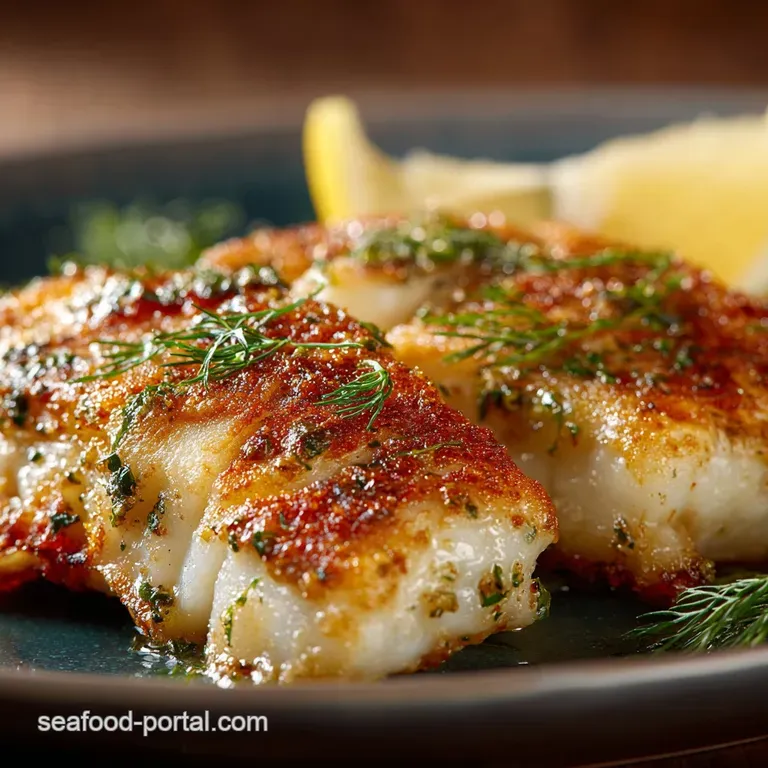
- Achieving That Perfect Golden Crunch on Pan-Fried Fish
- Introducing the Best Way to Make Crispy Pan Fried Haddock
- Prepping Your Fillets for Maximum Crispiness
- Pantry Staples and Fresh Herbs for the Zesty Finish
- Mastering the High-Heat Method for Crispy Pan Fried Haddock
- Final Touches and Serving Suggestions
- Troubleshooting Common Pan-Frying Mistakes
- Recipe FAQs
- 📝 Recipe Card
Achieving That Perfect Golden Crunch on pan-fried Fish
The quest for truly fantastic seafood often ends not in a deep fryer, but right on your stovetop. Achieving that highly sought after, aggressively golden, and satisfyingly crunchy crust on fish is less about complex technique and more about controlled variables: moisture and heat.
When done correctly, the crispy pan-fried fish recipe delivers a culinary experience that rivals any restaurant dish a crust that shatters under the fork, giving way to perfectly steamed, flaky white flesh.
This method utilizes high heat searing combined with a specialised coating to achieve a textural contrast that transforms simple seafood into a weeknight masterpiece. Forget oily, heavy results; we are aiming for lightness, freshness, and maximum auditory pleasure when you tap that gorgeous crust.
Introducing the Best Way to Make Crispy pan-fried Haddock
This method focuses on efficiency and flavour, delivering exceptional Crispy pan-fried Haddock using a zesty lemon dill butter finish. We’re moving beyond the standard fry-and-serve approach by building a comprehensive breading station that locks in moisture while creating an impenetrable barrier against the hot oil, ensuring every bite of these Crispy pan-fried haddock fillets is sublime.
Why Haddock is the Superior Choice for Pan Frying
Haddock is the unsung hero of white fish. Compared to its denser cousin, cod, haddock possesses a beautiful, mild flavour and a firmer structure that stands up remarkably well to high heat cooking.
This structural integrity means it’s far less likely to fall apart when you flip it, which is crucial in any list of successful Pan Seared Haddock Recipes. Its delicate taste also acts as the perfect canvas for the bright, zesty flavour profile we are incorporating in the final finish.
The Simple Secret to Avoiding Soggy Fish Skin
The cardinal rule when learning How To Cook Haddock, or any delicate fish, is moisture management. Soggy fish skin (or a soggy crust) happens when surface moisture turns to steam, steaming the coating off the fish instead of crisping it.
The simple secret to success lies in two steps: aggressive pat-drying of the fresh haddock fillets and using the wire rack rest period after breading. This short break allows the egg wash and the specially formulated Crispy pan-fried fish batter (the panko coat) to "set" before hitting the heat, guaranteeing maximum crispness.
Moving Beyond Deep Fried: A Weeknight Winner
While traditional Fried Haddock holds a special place in British cuisine, deep frying is often messy and time consuming. This pan-fry technique is a swift, elegant alternative. By utilizing a thin, perfectly seasoned panko crust, we get all the satisfying crunch of deep fried fish without the heavy oil absorption.
This is an incredibly quick dinner, clocking in at around 25 minutes total, making it the definition of a weeknight winner.
Flavor Profile Breakdown: Zesty Lemon Dill Butter
The finishing touch elevates this preparation into a truly memorable meal. Once the Cooking Haddock Filets are perfectly golden, we utilize the residual heat in the pan to melt butter with fresh lemon juice and finely chopped dill.
This quick emulsion creates a light, fragrant sauce bright and acidic to cut through the richness of the frying oil, transforming the simple Crispy pan-fried Haddock into an elegant dish.
Prepping Your Fillets for Maximum Crispiness
Preparation is non-negotiable for achieving high level crispness. Before you even think about lighting the stove, you must establish a highly efficient three stage breading process. This standard procedure the flour base, the egg wash, and the crisp coat ensures total adhesion.
After seasoning the completely dry Fresh Haddock Recipes fillets with salt and pepper, they are lightly dusted in spiced flour (paprika and garlic powder), dipped in the egg wash, and finally, firmly pressed into the Panko blend.
Setting these fully coated pieces aside on a wire rack for 10– 15 minutes allows the crust to firm up, making the subsequent pan-fry foolproof.
Related Recipes Worth Trying
- The Bees Knees Foolproof OvenFried Catfish Recipe Crunchy Light — Get that classic golden crunch without the deepfryer faff This foolproof OvenFried Catfish recipe is one of our best healthy catfish recipes Flaky fillets...
- Crispy Golden Prawns Recipe The Ultimate DeepFried Shrimp Batter — Achieve restaurantlevel crunch with our foolproof tripledredge method for the Best Fried Shrimp Batter This Homemade Fried Shrimp Appetizer uses Panko for...
- Ultimate Crispy Beer Battered Shrimp Recipe PubStyle Prawns — Stop making soggy seafood Learn the secret to light shatteringly crisp Beer Battered Shrimp with cornstarch Proper pub grub guaranteed Grab your lager and...
Pantry Staples and Fresh Herbs for the Zesty Finish
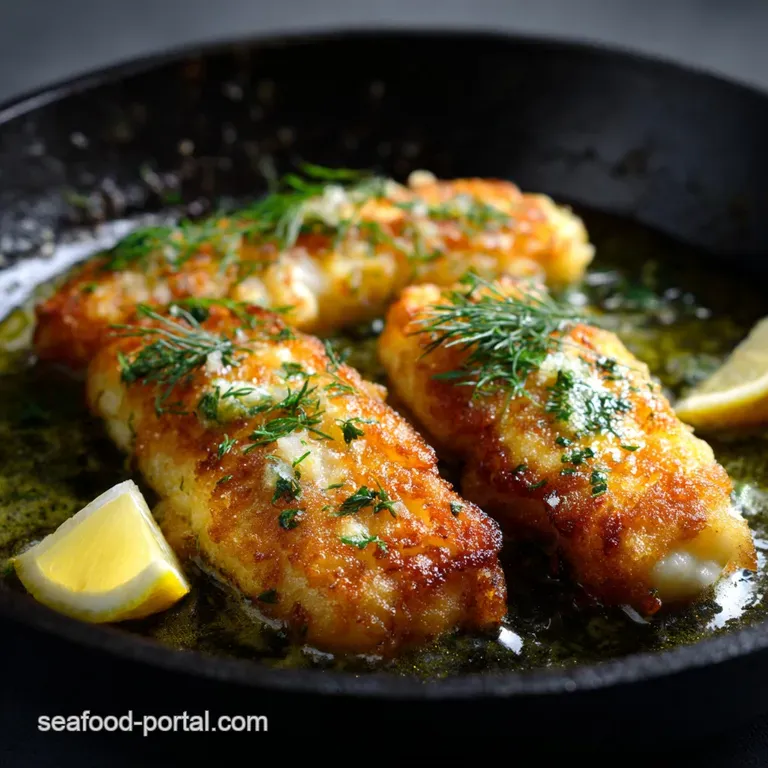
The beauty of this recipe lies in its simplicity. high-quality ingredients, particularly the fish and the fresh herbs, make all the difference.
Essential Equipment for a Chef Grade Sear
While a non-stick pan works, the ideal tool for Pan Seared Haddock Recipes is a large, well seasoned cast iron skillet (12 inch or 30 cm is ideal). Cast iron holds heat consistently, preventing temperature drops when the cold fish is introduced, which is vital for a golden crust.
You will also need three shallow dishes for your breading station, a roll of paper towels (your most important tool!), and, critically, a thin, flexible fish spatula for turning the fillets without damaging that beautiful coating.
Sourcing and Preparing the Haddock Fillets
For the best results, use skinless haddock fillets, roughly 2 cm (three quarters of an inch) thick. If your fillets are particularly wet upon removal from the packaging, ensure they are absolutely bone dry using paper towels before seasoning.
We need to eliminate all exterior moisture before they are dipped into the flour blend of the Crispy pan-fried fish batter.
Building the Lemon Dill Compound Butter
While we aren't creating a compound butter in the traditional sense beforehand, the finishing step is a quick pan sauce that delivers the same flavour punch. Using the residual heat from the skillet, we melt fresh unsalted butter, adding a good squeeze of fresh lemon juice and a generous scatter of finely chopped fresh dill.
This step must be quick a simple swirl to prevent the butter from burning and keep the dill bright green.
Coating Options: Flour vs. gluten-free Alternatives
Our preferred Crispy pan-fried fish batter utilizes all-purpose flour seasoned with paprika and garlic powder, followed by the star: Japanese Panko breadcrumbs. Panko is essential here because its flake structure is larger and airier than standard breadcrumbs, meaning it absorbs less oil and delivers maximum crunch.
If you are preparing a gluten-free version, substitute the all-purpose flour for a blend of rice flour and tapioca starch, and use crushed gluten-free cornflakes or dedicated GF Panko for the exterior crust.
Mastering the High Heat Method for Crispy pan-fried Haddock
This is where the magic happens. Success depends entirely on heat control. We start high to set the crust and then reduce the temperature slightly to ensure the interior cooks fully without scorching the coating.
Step One: Ensuring the Fillets Are Bone Dry
As detailed in the prep stage, this is the foundational requirement. Once the breaded fillets have rested on the wire rack and the coating feels slightly dry to the touch, they are ready for the pan.
The Sizzle Start: Achieving the Initial Sear
Heat your skillet over medium high heat. Add your neutral, high heat oil (rapeseed or canola). Once the oil shimmers, introduce one piece of butter. The combination of oil for smoke point stability and butter for flavour and colour is key.
Carefully place two fillets into the pan, making sure the pan is not crowded, which would instantly drop the temperature. Listen for that immediate, satisfying sizzle.
Flipping Timing: When to Turn for Even Goldening
Patience is paramount when cooking haddock filets. Do not attempt to move the fish until a deep, rich golden brown colour is clearly visible on the bottom edges (usually 3 to 4 minutes). If the fish resists your spatula, it's not ready. Once the crust is fully set, it will lift easily.
Use a flexible fish spatula to gently flip the fillets.
The Five Minute Finish: Melding the Fish and Butter
After the flip, reduce the heat to medium. Cook the second side for an additional 3 to 4 minutes. Once both sides are golden and the fish flakes easily when pierced, remove them to the wire rack. Immediately repeat the frying process for the remaining fillets.
Once all the fish is cooked, turn the heat off, but keep the pan on the hob. Add the remaining butter, lemon juice, and dill to the warm pan, swirling rapidly until the sauce emulsifies slightly.
Final Touches and Serving Suggestions
Plating Perfection: Presentation Ideas for Your Golden Fillets
The key to a visually appealing dish is contrasting colours and textures. Lay the beautiful, golden brown Crispy pan-fried Haddock fillets on a clean white plate. Drizzle the luminous lemon dill butter generously over the fish.
For accompaniment, keep it classic: a side of homemade chunky chips and a vibrant spoonful of crushed minted peas offers a traditional, hearty counterpoint. Alternatively, pair the rich texture of the Fried Haddock with a sharp vinaigrette dressed green salad for a lighter meal.
Troubleshooting Common Pan-Frying Mistakes
Successful Cooking Haddock Filets requires precision, but common mistakes are easy to remedy once you know the cause.
Why Is My Fish Sticking to the Pan?
Fish sticks for three main reasons: the pan wasn't hot enough initially, you didn't use enough oil, or you attempted to flip the fish before the crust had fully set. Ensure the oil is shimmering before adding the fish, and never flip before the crucial 3 to 4 minute mark.
The crust must caramelise and release naturally from the metal.
Adjusting Cook Time for Thicker or Thinner Cuts
Our recipe is based on a standard 2 cm (three quarter inch) thick fillet, requiring 6 to 8 minutes total cooking time. If your cuts are significantly thinner (closer to 1 cm), reduce the time to 2– 3 minutes per side.
For thicker cuts, reduce the heat slightly after the initial sear and cover the pan for the last minute of cooking to ensure the centre reaches the safe internal temperature of 63° C ( 145° F) without burning the exterior.
Safe Storage and Best Practices for Leftovers
Store leftover Crispy pan-fried Haddock in an airtight container in the refrigerator for up to two days. Reheating should always be done in a toaster oven or standard oven (not the microwave) at 180° C ( 350° F) for 5- 8 minutes.
This gentle, dry heat method ensures the coating re-crisps, preserving the integrity of the Crispy pan-fried fish recipe.
Variations: Spices, Marinades, and Other Fish Substitutes
While haddock is excellent, this method works beautifully for other firm white fish, such as cod, pollock, or tilapia. For flavour variations, skip the dill and substitute it with fresh tarragon and chives for an anise forward profile.
If you desire a completely different texture, omit the Crispy pan-fried fish batter entirely and instead try a simple Blackened Haddock preparation, using cayenne, oregano, and thyme rubbed directly onto the Fresh Haddock Recipes fillet before searing.
Recipe FAQs
I want my Crispy pan-fried Haddock to be truly golden and crunchy, not soggy. What’s the secret?
A good chef knows that moisture is the enemy of crunch! The absolute secret here is patting the haddock bone dry before you start breading seriously, use plenty of kitchen roll.
Secondly, ensure your oil/butter mixture is adequately hot, and always use Panko breadcrumbs (the Japanese ones), as they resist moisture absorption far better than standard breadcrumbs. Don't crowd the pan, otherwise the temperature drops dramatically and you’ll end up steaming your fillets.
I'm always a bit rubbish at breading fish. Why does the coating slide off when I flip the fillets?
That is a common kitchen calamity! The key issue is usually impatience or insufficient 'glue.' Ensure you press the Panko coating firmly onto the fillet and, crucially, allow the breaded fish to rest on a wire rack for 10 minutes before frying.
This rest period often called “setting the coat” allows the egg wash to semi dry and act as proper adhesive, keeping everything firmly in place when you turn it over like a professional.
I can’t find Haddock at the fishmonger. Can I use Cod or something else instead?
Absolutely! Haddock is fantastic, but we’re not going to faff about searching everywhere. This recipe works brilliantly with other mild, white, flaky fish like Cod, Pollack, or even Tilapia.
If you choose Cod, remember it is often a bit denser, so you might need to add a minute or two to the cooking time to ensure it flakes perfectly right through the middle. Just maintain that high heat for the crust!
If I have leftovers, how should I store and reheat this crispy fish without turning it into a rubber boot?
Store any leftovers in an airtight container in the fridge; they’ll be fine for up to two days. Reheating is the tricky bit: never use the microwave, or you’ll lose the crispness entirely.
The best method is to reheat them on a tray in a 180°C (350°F) oven or in an air fryer for about 5 to 7 minutes until piping hot. This dry, gentle heat will re-crisp the panko coating beautifully.
Is this dish considered healthy, given the butter and frying elements?
While this isn't a steamed fish dish, Haddock is a superb lean source of protein and essential nutrients like Vitamin B12 and Selenium. The recipe uses a small amount of fat per serving (a blend of neutral oil and butter) primarily to create the crust, not saturate the fish.
Compared to the deep fried behemoth you’d find at the local chippy, this pan-fried version is a considerably lighter and healthier way to enjoy crispy fish.
Crispy pan-fried Haddock With Dill Butter
Ingredients:
Instructions:
Nutrition Facts:
| Calories | 776 kcal |
|---|---|
| Protein | 36.8 g |
| Fat | 36.5 g |
| Carbs | 77.3 g |
| Fiber | 12.8 g |
| Sodium | 13948 mg |
