Fried Cod Fish Recipe: Crispy Pan-Fried Fillets (The Chip Shop Classic)
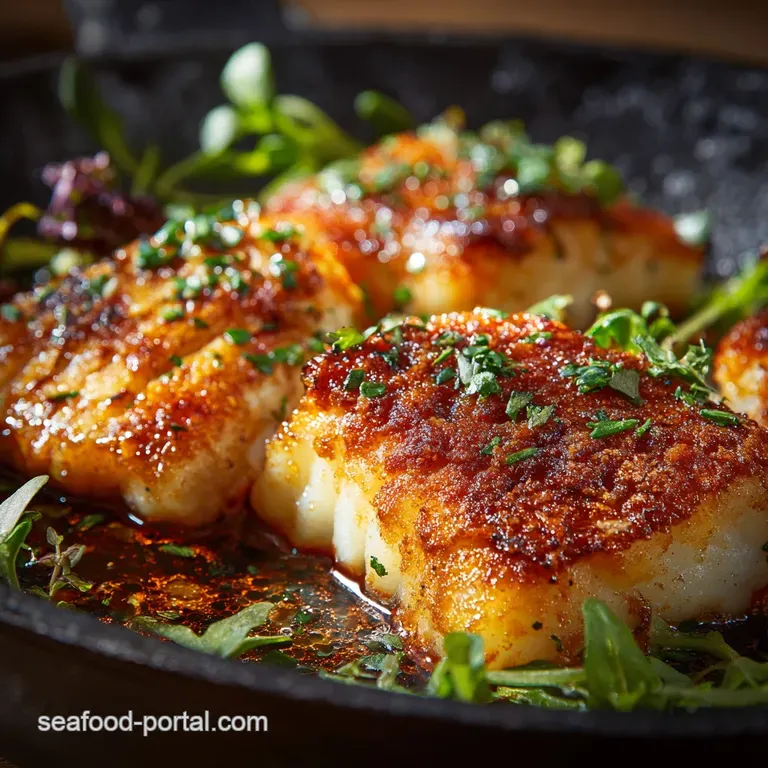
- The Ultimate 15 Minute Crispy Fried Cod
- The Science of Crunch: Achieving Flaky Fried Cod Texture
- Essential Components for Perfectly Pan-Fried Cod Fillets
- Mastering the Sear: Step-by-Step Guide to Cooking Fried Cod
- Troubleshooting Your Pan-Fried Cod: Pro Tips and Mistakes to Avoid
- How to Store and Reheat Leftover Crispy Cod
- Perfect Pairings: Sides and Sauces for Your Cod Dish
- Recipe FAQs
- 📝 Recipe Card
The Ultimate 15 Minute Crispy Fried Cod
If there is one scent that instantly makes me hungry, it’s the sizzle of cod hitting hot oil, yielding that deeply savory, almost nutty aroma. The crust transforms into this incredible golden brown shell, totally shattering the second your fork touches it. Inside, the fish remains impossibly steamy and flaky.
Look, weeknights are tough, and sometimes you just need dinner, like, five minutes ago. This fried cod recipe is your secret weapon; it’s faster than ordering takeout and way cheaper than your local fish and chip shop.
I know many people are scared of frying fish, but trust me, this simple pan-sear method removes all the fuss and delivers maximum crunch.
We are skipping the deep fryer entirely today, thank goodness, and focusing on a simple technique that seals in moisture and builds an epic crust. This isn't just a recipe; it's a guarantee for perfectly cooked fried cod fillets every single time. Let’s crack on!
The Science of Crunch: Achieving Flaky Fried Cod Texture
Moving Beyond Deep Fryers: The Perfect Pan-Sear
You don't need gallons of oil to make satisfyingly crispy fish. The real trick is using just enough oil about 1/2 inch to conduct high heat quickly and efficiently against the coating. This high contact method creates intense browning and crispness without fully submerging the cod. It's truly brilliant.
Why This Recipe Replaces the Traditional Chip Shop Visit
Traditional deep fried cod often uses thick, heavy batter, which soaks up oil like a sponge if the temperature isn't perfect. We are ditching that heavy batter for a dry, double dusted crust that sets fast.
This thin crust barrier prevents the tender cod fish from drying out while achieving supreme texture.
The Secret Weapon: Maximizing Crispness with Minimal Oil
It all comes down to controlling moisture. The two biggest culprits for soggy fish are surface water on the fish and steam trapped under the crust. We solve the first by aggressively patting the fish dry and the second by placing the finished fish on a wire rack instead of paper towels.
Never, ever put fried fish on paper towels; it kills the crunch immediately.
The Double Dusting Technique Explained
This is the key to maximum adhesion. The first layer of plain flour soaks up residual surface moisture and gives the egg wash something to cling to. The egg wash binds, and then the final seasoned flour mix creates the complex, intensely flavorful crust. It is simple, but structurally crucial for the final texture.
Retaining Moisture: The Thermal Barrier Effect
The immediate crisping of the coating acts as a thermal shield, protecting the delicate proteins within the cod. Because the pan is hot and the fish is relatively thin, the outside crisps up instantly, and the internal temperature rises quickly and evenly.
This ensures your fried cod is juicy and flaky right to the center.
The Role of Paprika and Lemon Zest in Flavor Depth
A simple coating of flour, salt, and pepper is fine, but why settle for fine? Smoked paprika adds a gorgeous smoky, reddish hue and a depth of flavor that feels familiar and comforting. The lemon zest, mixed directly into the dredge, brightens the whole profile right from the first bite.
Essential Components for Perfectly pan-fried Cod Fillets
Sourcing the Best Cod: Fresh vs. Frozen Fillets
I prefer center cut cod fillets because they are uniform in thickness, which is a big help for even cooking. Fresh is fantastic, but flash frozen cod is a brilliant substitute, often retaining better texture than "fresh" fish that’s sat on ice for a few days.
Just make sure you thaw it fully overnight in the fridge and then pat it ridiculously dry before cooking.
The Ideal Dredging Mix: Flour and Spice Ratios
Our mix is mostly all-purpose flour, seasoned aggressively. Don't be shy with the salt and pepper! The paprika and garlic powder are non-negotiable for that classic golden brown color and savory depth.
Selecting the Right Cooking Fat for High Heat and Flavor
You need an oil with a high smoke point for this type of frying. Vegetable, canola, or refined peanut oil works perfectly because they won't smoke and burn before the crust develops.
I always add a tablespoon of butter right at the end for an amazing nutty flavor finish, which is totally optional but highly recommended.
Substitutions: Alternative White Fish and gluten-free Dredging
We all need options, right? If cod isn't available, Haddock or even Tilapia are excellent substitutes, though you might need to adjust cooking time slightly based on thickness. If you are looking for a baked alternative that uses a similar white fish, check out my recipe for 15Minute Parmesan Almond Baked Cod: Crispy, Keto Weeknight Fish .
| Ingredient | Viable Substitution | Chef’s Note |
|---|---|---|
| Cod Fillets | Haddock, Halibut, or thick Walleye | Thicker fish requires slightly lower heat and longer cook time. |
| All-Purpose Flour | Rice flour + cornstarch (50/50 mix) | Rice flour yields an unbelievably light, crispy, gluten-free crust. |
| Whole Milk/Egg Wash | Beer or sparkling water | Carbonation can sometimes enhance the lightness of the binder. |
| Smoked Paprika | Cajun seasoning or Old Bay seasoning | This radically changes the flavor profile, but adds great complexity. |
Mastering the Sear: step-by-step Guide to Cooking Fried Cod
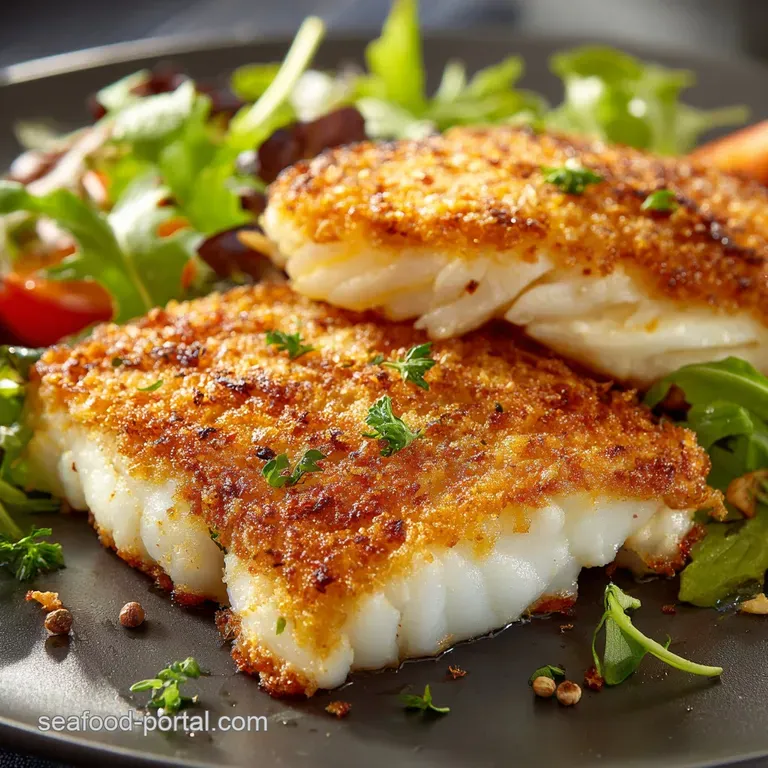
Prep Work: Preparing the Fillets and the Dredge
First, pat those cod fillets until they look offended; moisture is the enemy of all things crisp. Then season them heavily with salt and pepper. Set up your three dredging stations plain flour, egg wash, and seasoned flour. Organization prevents chaos, especially when frying.
The Initial Sear: Heat Control is Everything
Heat your heavy bottomed pan (cast iron is my favorite for this) over medium high heat with the oil until it shimmers beautifully. Gently place the coated fish away from you, and then step back. Do not touch the fish for 4- 5 minutes.
This undisturbed time is vital for forming that structural crust.
CRITICAL CHEF'S NOTE: If the oil starts smoking intensely, it's too hot. Remove the pan from the heat immediately for 30 seconds before continuing. If it’s not sizzling enough, the crust will just absorb the oil and become greasy.
The Flip and Finish: Ensuring Even Cooking and Browning
Use a thin, sturdy fish spatula to gently slide under the fillet and turn it carefully. Now, reduce the heat slightly to medium. The second side takes a bit less time, usually 4- 6 minutes, because the fish is already partially cooked.
In the last minute, if you are feeling fancy, drop in the butter and baste the fish using a spoon.
Resting the Fish: Why You Must Wait Before Serving
As soon as the fried cod fish recipe is complete, lift the fillets out and place them on a wire rack. Resting allows the residual heat to finish cooking the center and lets the steam escape from the bottom crust.
A quick 2 minute rest helps everything settle and ensures the cod is perfectly flaky.
Troubleshooting Your pan-fried Cod: Pro Tips and Mistakes to Avoid
Handling Fillets That Are Too Thin or Thick
If your fillets are under 1 inch thick, reduce the cooking time to 3 minutes per side. If they are over 1.5 inches thick, start them on medium heat instead of medium high, and definitely cover the pan for the last 2 minutes after the flip to trap steam and guarantee doneness inside.
Preventing the Crust from Peeling Off
This happened to me constantly when I first started frying! The fix is two-fold: 1) aggressively pat the fish dry first, and 2) use the double dusting technique. The plain flour acts like primer. Also, make sure you don't flip the fish too early before the initial crust has set solid.
Dealing with Smoke and Oil Splatter
Smoke usually means your oil is too hot, or you used a low smoke point oil like olive oil. Splatter can be managed by ensuring the fish is completely dry before hitting the pan. A splatter screen is also a lifesaver, especially if you’re cooking in batches. If you want a similar flavor but truly intense deep fry crunch, my recipe for Deep Fried Catfish: The Classic Golden Southern Comfort Food details how to manage large amounts of hot oil safely.
Checking Doneness Without Overcooking (Internal Temperature Guide)
The fish should flake easily when gently probed with a fork. If you want to be completely certain, the internal temperature should read 145°F (63°C) at the thickest part. Overcooked cod becomes rubbery and dry, so pull it off the heat as soon as it hits the target.
How to Store and Reheat Leftover Crispy Cod
Safe Refrigeration Practices for Cooked Fish
Cooked fried cod fillets can be stored safely in an airtight container in the refrigerator for up to 3 days. Make sure the fish cools down completely before sealing it away, otherwise the trapped steam will make everything soggy immediately.
The Best Way to Reheat Fried Cod (Spoiler: Not the Microwave)
Do you want sad, chewy, rubbery fish? Then use the microwave. If you want to recapture that amazing crispiness, use a toaster oven or the air fryer. Preheat your device to 350°F (175°C) and reheat the fish for 5 to 8 minutes, flipping halfway through.
It will come out nearly as crispy as it was the first time.
Perfect Pairings: Sides and Sauces for Your Cod Dish
This beautiful fried cod deserves sides that complement its richness and crunch.
For the traditional route, serve it with homemade chips, perhaps some tart malt vinegar, and a side of quick pickled red onions. The acidity cuts through the fat perfectly.
A great accompaniment is a simple homemade tartar sauce I mix mayonnaise with finely chopped capers, gherkins, fresh dill, and a dash of hot sauce. Or, keep it fresh with a vibrant lemon dressed coleslaw. These easy seafood dinner recipes are truly satisfying!
Recipe FAQs
Why is the crispy crust sometimes soggy after a minute or two?
A soggy crust is typically caused by oil temperature being too low or by overcrowding the pan during frying. Ensure the oil is shimmering hot (about 375°F / 190°C) before adding the cod, and fry the pieces in small batches. This allows moisture to evaporate quickly, maintaining that desirable, crisp texture.
Can I use other types of white fish, like Haddock or Tilapia, for this recipe?
Absolutely. This pan-frying method works beautifully with almost any mild, firm white fish, including haddock, pollock, or snapper. You may need to slightly adjust the cooking time based on the thickness of the fillet, but the goal remains the same: a final internal temperature of 145°F (63°C).
How do I ensure the cod doesn't end up dry and tough?
The primary culprit for dry fish is overcooking, as cod is extremely lean and cooks quickly. Use an instant read thermometer and remove the fish from the heat when it reaches 140°F (60°C).
The carryover heat will safely bring the temperature up to the required 145°F (63°C), resulting in perfectly moist flakes.
What type of oil is best for achieving this level of crispness?
For high heat frying, you must select an oil with a high smoke point, such as refined avocado oil, canola oil, or peanut oil. These oils prevent burning and breaking down at the required high temperatures, which is crucial for forming the protective, crispy crust. Avoid standard olive oil, which will smoke excessively.
Can I make the breading gluten-free or low-carb?
Yes, you can easily substitute the standard all-purpose flour for a high-quality gluten-free flour blend or use rice flour for the coating. For a low-carb alternative, consider a thin almond flour crust blended with egg and parmesan, though the texture will be slightly less ephemeral than the flour crust.
What is the best way to store leftover fried cod and reheat it?
Store cooled leftovers in an airtight container in the refrigerator for up to three days. To preserve the crispness, avoid reheating the cod in a microwave, which steams the coating.
Instead, place the fillets on a wire rack and reheat them in a preheated oven or air fryer at 350°F (175°C) for 8 10 minutes until hot.
I don't have fresh cod; can I use frozen cod fillets?
Using frozen cod is acceptable, but proper thawing is essential to prevent a watery result. Ensure the fillets are completely thawed overnight in the refrigerator and patted thoroughly dry with paper towels before seasoning and dredging. Any residual moisture will severely compromise the crispness of the coating.
Crispy pan-fried Cod Fillets Recipe
Ingredients:
Instructions:
Nutrition Facts:
| Calories | 585 kcal |
|---|---|
| Protein | 26.3 g |
| Fat | 35.9 g |
| Carbs | 35.6 g |
