Pan-Fried Catfish: Ultimate Crispy Cornmeal Recipe in 25 Minutes
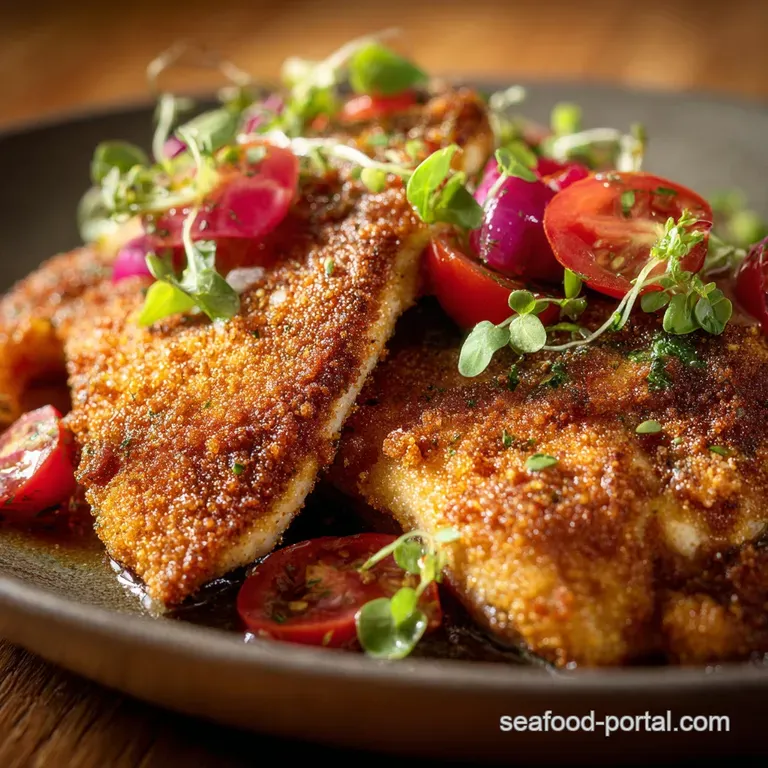
- Welcome to the Best Pan-Fried Catfish Recipe You'll Ever Try
- Achieving Next-Level Crunch: The Science of Our Crispy Coating
- Essential Ingredients for Southern-Style Pan-Fried Catfish
- Step-by-Step Guide: How to Make Crispy Pan-Fried Catfish
- Mastering the Shallow Fry: Expert Tips and Troubleshooting
- Storing Leftover Pan-Fried Catfish (And Reheating Strategies)
- The Perfect Companions for Your Crispy Pan-Fried Catfish Dinner
- Recipe FAQs
- 📝 Recipe Card
Welcome to the Best pan-fried Catfish Recipe You'll Ever Try
That sound, you know the one. It's the unmistakable, glorious fzzzzz of cornmeal crusted catfish hitting hot oil, instantly filling your kitchen with that deep, savory Southern aroma.
When done right, the crust is crackling gold, paper thin, and the fish inside is ridiculously moist, practically dissolving on your tongue. If you’ve struggled to achieve that perfect crunch before, trust me, we are fixing that today.
This pan-fried Catfish recipe is my absolute weeknight hero. Forget the stress and massive oil cleanup of traditional deep frying; we are going shallow, fast, and unbelievably flavorful.
It's cheap, it’s ready in under 30 minutes, and frankly, it tastes exactly like the comfort food you grew up dreaming about, even if you’ve never seen the Mississippi Delta.
I’ve made all the mistakes so you don’t have to we’re talking crusts that fell off, fish that tasted muddy, and oil that was too hot or too cold. This precise, foolproof method is the result of years of trial and error, focusing on key temperature control and a secret resting step.
Grab your skillet; we are about to make the crispiest pan-fried catfish fillets you’ve ever served.
Achieving Next Level Crunch: The Science of Our Crispy Coating
The Secret to the Perfect Golden Crust
The goal of pan-frying is to maximize the crust texture while keeping the center cooked just right. This isn’t just about the seasoning; it’s about structure. We are using a highly specific ratio of cornmeal to flour, ensuring the crust is sturdy enough to crisp up without becoming heavy or doughy.
This technique guarantees that satisfying, aggressive crunch.
Catfish: The Southern Kitchen Staple
Catfish is built for frying. Its flesh is sturdy yet flaky, and it holds up beautifully to the buttermilk soak without falling apart. It also has a naturally sweet, mild flavor that balances perfectly with our smoky, spicy Southern blend.
It’s affordable, easy to find, and genuinely one of the most underrated white fish options out there.
Why Pan-Frying Beats Deep Frying
While I love a proper Deep Fried Catfish: The Classic Golden Southern Comfort Food on occasion, pan-frying offers several advantages. You use less oil, meaning less mess and a quicker cleanup. More importantly, using a heavy skillet (cast iron is my jam) allows you to achieve incredibly even heat distribution, which is key for uniform browning. This process gives you a pan-fried catfish fillet recipe that is just as crispy as its deep fried cousin.
The Role of Fine Cornmeal vs. Flour
Listen, if you want that classic, beautiful, speckled gold crust, you must use cornmeal. Flour alone creates a fine, pale coating, but cornmeal especially a fine grind gives the texture and nutty flavor we crave.
We include a little all-purpose flour just to act as the binder, sticking everything together perfectly. You can try a Panko Crusted Catfish variation if you like, but the cornmeal is traditional and, in my opinion, superior.
Balancing Heat for Maximum Crispy Texture
Oil temperature is everything. If the oil is too cool, the coating soaks it up, and you get a greasy, sad fish. If it's too hot, the crust burns before the fish cooks through. We are aiming for a steady medium high heat, ideally holding the oil between 350°F and 375°F (175 190°C).
This allows the crust to caramelize quickly while the moisture in the fish turns to steam, keeping the inside tender.
Flavor Deep Dive: Our Signature Southern Spice Blend
The spice blend needs punch! Don't be shy with the paprika I always go for smoked paprika for depth and the cayenne. Even if you don't love super spicy food, a tiny bit of cayenne rounds out the flavor profile and adds warmth.
The goal is seasoning that tastes delicious on its own, not just as a vehicle for the fish.
Essential Ingredients for Southern Style pan-fried Catfish
Choosing the Best Catfish Fillets (Wild vs. Farmed)
Honestly, farmed catfish is generally the better choice here. It’s sustainably raised, reliable, and generally has a much milder flavor, helping you avoid the "muddy" taste that some wild varieties can carry.
Look for fillets that are uniform in thickness, about 1 inch thick, to ensure even cooking.
Which Oil Provides the Ultimate Crisp and Flavor?
You need a high smoke point oil because we are using medium high heat. Canola, vegetable, or peanut oil are perfect workhorses for this. I love to add a tablespoon of butter toward the end of the heating phase; it slightly lowers the smoke point but injects incredible flavor into the crust without burning.
Do not use olive oil; it burns too easily.
Making Your Own Custom Breading Mix (Spice Ratios)
This dredge is where the magic happens. We’re using 2 parts cornmeal to 1 part flour, which provides the best balance of texture and adhesion. Don't skip the dried thyme it's a small addition, but it gives that unmistakable classic Southern background note.
Understanding the Importance of the Wet Dip
We are using buttermilk, and this is non-negotiable for flavor and crust adhesion. The slight acidity in the buttermilk tenderizes the surface of the fish and helps the pan-fried catfish with cornmeal coating stick like glue.
Plus, whisking in a little hot sauce adds a subtle, deep heat right at the surface of the fish.
| Ingredient | Why We Use It | Substitution (If Needed) |
|---|---|---|
| Buttermilk | Acidity and binding power. | 1 cup Milk + 1 tbsp white vinegar (rest 5 mins to curdle). |
| Catfish Fillets | Mild flavor, firm texture. | Tilapia or Cod loins (check for thinness). |
| Cornmeal | The essential Southern crunch. | Fine Panko breadcrumbs (for a less traditional but very crispy crust). |
| Canola Oil | High smoke point, neutral flavor. | Vegetable or Peanut Oil. |
step-by-step Guide: How to Make Crispy pan-fried Catfish
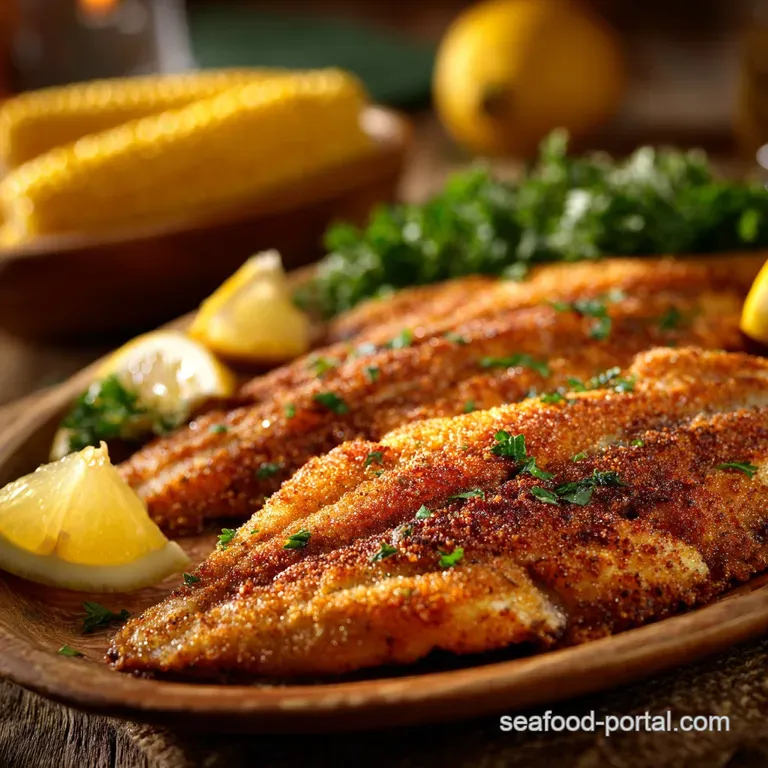
Prep Phase: Trimming and Seasoning the Fillets
First things first: pat those fillets DRY. I mean surgically dry. Any surface moisture will prevent the buttermilk and subsequently the cornmeal from adhering properly. After patting them down, a quick dip in the buttermilk mixture for at least 5 minutes ensures the seasoning penetrates and the surface is ready for dredging.
The Professional Dredging Station Setup
Set up a simple three stage station: Wet, Dry, Rest. You'll move the fish from the buttermilk (Wet) to the cornmeal mixture (Dry), coating every surface completely. Use one hand for the wet ingredients and the other hand for the dry ingredients this is the trick that keeps your hands from turning into massive, clumsy clumps of batter.
Chef's Note: Press the cornmeal mixture into the fish firmly . You want to create a dense, complete blanket. I often lightly press the fish against the dry mix in the tray before placing it on the rack.
Timing the Perfect Flip for Even Browning
Place your fish gently into the hot oil, laying it away from you to prevent splatters. Once the fish is in, leave it alone! Don't fuss with it for the first three minutes. You’ll know it’s ready to flip when the edges look dark golden and you can see the color traveling halfway up the sides of the fillet.
Using a thin, flexible fish spatula, flip it quickly and decisively.
Draining and Resting for Maximum Crispness
When the second side is perfectly golden (around 3- 4 minutes total cook time per side), remove the fillets immediately. Do not, under any circumstances, place them on paper towels.
Paper towels are great for oil absorption, but they trap heat and steam the bottom crust, making it instantly soggy. We want to place them on a wire rack set over a baking sheet . This allows air to circulate underneath, maintaining that gorgeous crunch.
Mastering the Shallow Fry: Expert Tips and Troubleshooting
Why Overcrowding the Pan Kills the Crisp
This is the number one mistake home cooks make. When you cram four fillets into a pan built for two, the oil temperature drops like a stone. Cold oil means the crust seals slowly and the fish starts to steam and soak up fat.
Fry in batches two fillets at a time, seriously and let the oil return to temperature between batches. This is your insurance policy for maximum crispness.
Avoiding the "Muddy" Taste in Catfish
If you've encountered that earthy, slightly muddy flavor, it’s usually due to the source of the fish. As I mentioned, selecting farm raised fillets helps immensely. Another trick is to use that buttermilk soak: the acidity actively neutralizes any off-flavors lingering on the surface.
If you’re really worried, add a little extra lemon juice to the soak.
The Optimal Pan Choice for Pan-Frying
A heavy bottomed pan is non-negotiable. I use my cast iron skillet 99% of the time for this recipe because it holds heat incredibly well. Stainless steel works, but avoid thin, cheap aluminum pans, which create hot spots and unevenly cooked fish.
Best Way to Keep Cooked Catfish Crispy Immediately
If you are frying in batches and need to keep the first batch warm while you finish the rest, set your oven to 200°F (93°C). Place the wire rack holding the cooked fish inside the warm oven. The gentle heat keeps them hot without continuing to cook the fish or steaming the crust.
Freezing Raw Catfish Fillets Safely
If you buy in bulk, freezing raw catfish is totally fine. Wrap the individual fillets tightly in plastic wrap, then place them in a zip-top freezer bag, squeezing out all the air. They’ll last perfectly for about 3 months. Thaw them overnight in the fridge before proceeding with the buttermilk soak.
Reheating Catfish without Losing Texture
But does it freeze well once cooked? Not really. The crust suffers immediately. If you have leftovers, they’ll keep wonderfully in the fridge for 3 days. To restore the crust, never use the microwave .
Use an air fryer set to 350°F (175°C) for 4- 6 minutes, or place them on a rack in a 400°F (200°C) oven until piping hot and sizzling again. The dry heat is essential for reviving the crunch.
Storing Leftover pan-fried Catfish (And Reheating Strategies)
Cooked pan-fried catfish can be stored in an airtight container in the refrigerator for up to three days. The secret to minimizing sogginess during storage is to make sure the fish is completely cool before sealing it up.
If you seal a hot fillet, the steam creates condensation, and goodbye, crisp crust!
If you're looking for an alternative preparation that holds heat well, you might also like my guide on OvenFried Catfish Bites: Crispy Southern Crunch Without the Fryer , which is fantastic for meal prepping.
The Perfect Companions for Your Crispy pan-fried Catfish Dinner
You need sides that cut through the richness of the fried fish. Think bright, acidic, and cool. I always serve mine with a huge dollop of homemade tartar sauce, heavy on the dill and lemon.
Here are a few other favorites:
- Classic Southern Sides: A creamy, vinegar based coleslaw and a side of hearty collard greens are traditional, and for a reason they are perfection!
- The Carb Factor: Crispy French fries or, even better, classic, savory hush puppies complete the fish fry experience.
- A Zesty Dip: If you want more flavor, mix up a quick homemade Rémoulade sauce it adds a spicy, tangy kick that complements our Southern spice blend beautifully.
Recipe FAQs
Why is my pan-fried catfish greasy or failing to get crispy?
A lack of crispness or greasiness is usually due to the oil temperature being too low. If the oil is not hot enough (ideally 350°F or 175°C), the coating absorbs the fat instead of crisping instantly upon contact.
Ensure you use a thermometer or test the oil with a tiny pinch of cornmeal before adding the fish, and avoid overcrowding the pan, which drastically lowers the temperature.
Can I use flour or panko breadcrumbs instead of cornmeal for the coating?
While traditional Southern frying relies on cornmeal for its distinctive grainy texture and superior crunch, you can use a combination of all-purpose flour and panko breadcrumbs for a different style of crispiness.
If substituting, use a 1:1 ratio of flour to fine panko, and ensure the mixture is heavily seasoned, as flour tends to absorb less flavor than cornmeal.
How do I know when the catfish is fully cooked without cutting into it?
The catfish is done when the exterior is a deep golden brown and the internal temperature reaches 145°F (63°C). For standard fillets, this usually takes 4 to 5 minutes per side. You should be able to press lightly on the center of the fillet and see the meat flake easily, appearing opaque white throughout.
Can I prepare the coated fillets ahead of time and store them?
It is not recommended to coat the fillets more than 30 minutes before frying. The moisture from the fish will quickly dampen the cornmeal mixture, causing the coating to become soggy and resulting in a chewy, inconsistent crust when fried.
For best results, dredge the fillets immediately before they go into the hot oil.
What is the best type of oil to use for pan-frying catfish?
The best oils for pan-frying are those with a high smoke point and neutral flavor, such as peanut oil, canola oil, or vegetable oil. These oils can withstand the medium high heat required to crisp the coating without burning or imparting off-flavors to the delicate fish.
Avoid using olive oil, which has a lower smoke point.
Why is my fish bland even though the coating is well seasoned?
Flavor issues usually stem from failing to season the fish itself directly before dredging. Always pat the fillets dry and generously apply salt and pepper (or a dedicated fish rub) directly to the flesh first, allowing it to penetrate the meat.
The cornmeal coating should be viewed as the texture and secondary flavor layer, not the primary seasoning source.
What is the best way to store and reheat leftover pan-fried catfish?
Store leftover catfish in an airtight container in the refrigerator for up to three days. To re-crisp the coating, reheat the fish in a preheated 350°F (175°C) oven or toaster oven for 10 to 15 minutes, or use an air fryer. Never use a microwave, as it steams the coating and results in a rubbery texture.
Crispy pan-fried Catfish Fillets
Ingredients:
Instructions:
Nutrition Facts:
| Calories | 361 kcal |
|---|---|
| Protein | 34.3 g |
| Fat | 11.9 g |
| Carbs | 28.8 g |
