Salmon Cakes: the Crispy Lemon Dill Recipe (Your Weekday Hero)
- The Crispiest Salmon Cakes Recipe You Will Ever Make
- The Science of Texture: Why These Salmon Patties Hold Their Shape
- Core Ingredients and Essential Swaps for Lemon & Dill Salmon Cakes
- Mastering the Method: Step-by-Step Instructions for Making Salmon Cakes
- Troubleshooting Your Salmon Cakes: Expert Tips from the Kitchen
- Prep Ahead: Storage, Refrigeration, and Freezing Salmon Cakes
- Perfect Pairings: What to Serve Alongside Salmon Cakes
- Recipe FAQs
- 📝 Recipe Card
The Crispiest Salmon Cakes Recipe You Will Ever Make
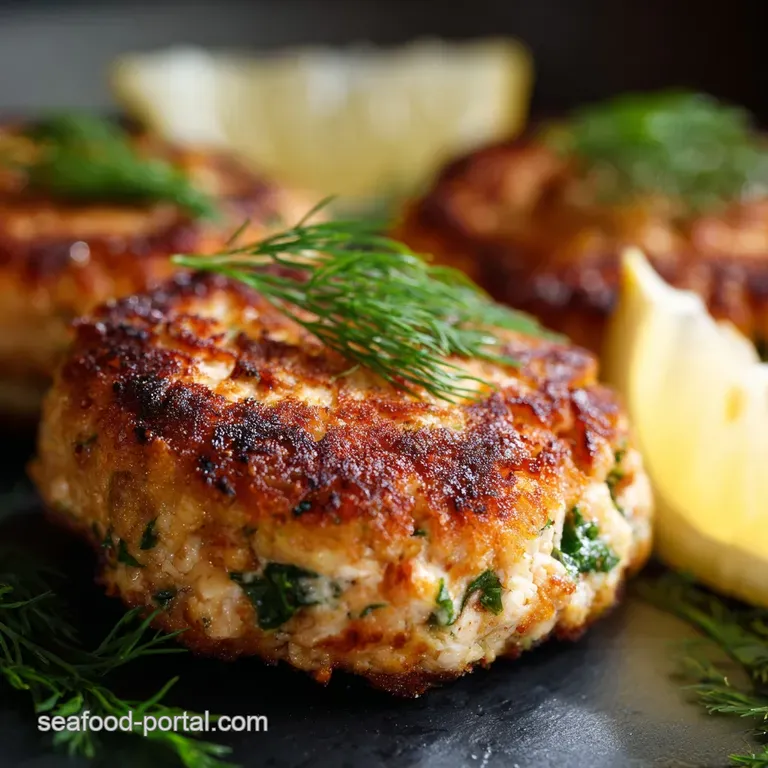
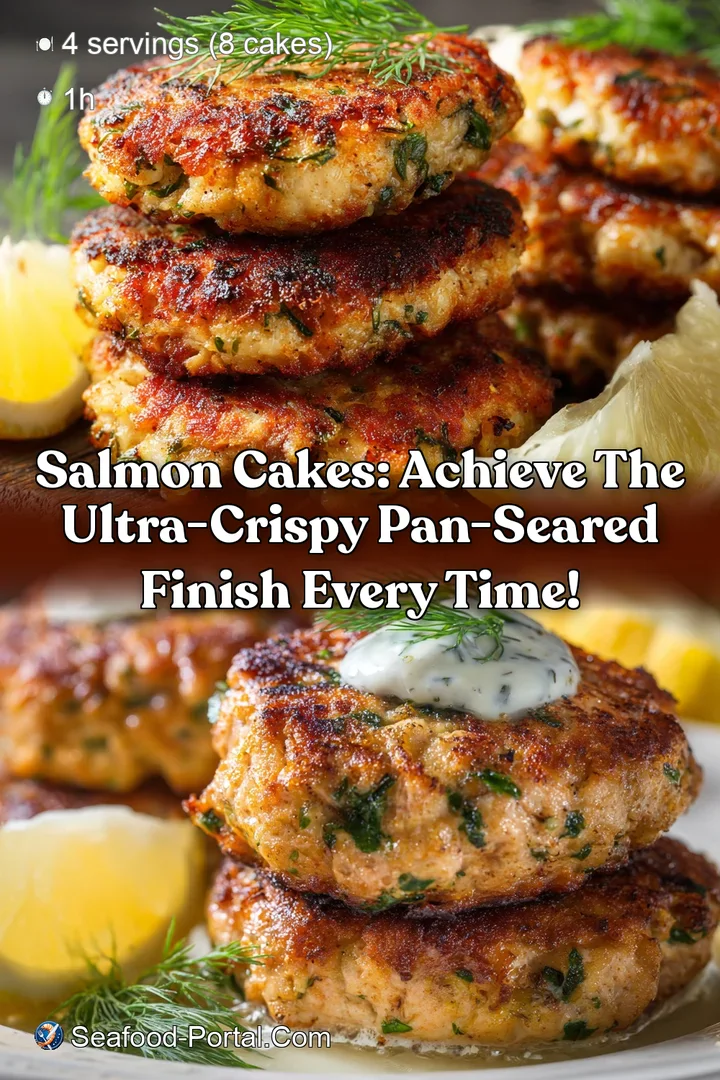
I know what you're thinking: another salmon cake recipe? But trust me, once you experience the almost violent crunch of the exterior giving way to the moist, deeply savoury, lemon dill interior, you will be hooked. The aroma alone is enough to drag grumpy teenagers out of bed.
These salmon cakes are my ultimate weekday lifesaver because they are lightning fast, relying mostly on pantry staples like canned salmon. They're cheap, they’re healthy, and they turn an otherwise boring leftover or budget ingredient into something truly special.
We’re not making dry, crumbly hockey pucks here, friend. We are focusing intensely on texture and structure. Let's crack on and talk about the simple kitchen science that makes this quick salmon dinner recipe truly reliable.
The Science of Texture: Why These Salmon Patties Hold Their Shape
What Makes a Perfect Salmon Cake?
A perfect salmon cake needs to balance moisture and structure; that is the entire secret. If you have too much wet binder, the cakes steam instead of searing, turning into sad, soggy blobs.
We use just enough mayonnaise and egg to keep the fish moist, but we rely heavily on the Panko breadcrumbs to absorb that moisture and act as scaffolding. The goal is a mixture that feels delicate but holds its press.
Canned Salmon vs. Fresh Salmon: Which is Best?
Honestly, canned salmon is often superior for this specific healthy salmon dinner. It’s pre-cooked, perfectly flaky, and the fat content is managed, making it far easier to achieve the right texture than using leftover cooked salmon.
If you insist on using fresh salmon, ensure it's baked or poached, then cooled completely and flaked very finely. Either way, you must drain the salmon thoroughly this is non-negotiable!
Equipment Checklist: Essential Tools for Pan-Searing
You really don't need fancy equipment for this quick salmon recipe, but the right pan makes all the difference. Get out your largest, heaviest non-stick skillet; it distributes heat evenly, preventing the centers from burning.
A thin, flexible metal spatula is also crucial for flipping without smashing your carefully formed cakes.
The Role of Dijon Mustard and Dill in Flavor Binding
Dijon mustard is absolutely crucial here, not just for its mild, sharp kick. It acts as an emulsifier, helping the fat (from the mayo and fish) blend seamlessly with the lemon and egg.
Fresh dill, of course, is the classic pairing for salmon; it brightens up the whole dish and keeps the flavour profile light and refreshing.
Achieving the Golden Crust: The Secret to Crispy Salmon Cakes
This is where we part ways with every other basic salmon cakes recipe easy on the internet. We use a double dredge: a light dust of flour followed by a firm press into Panko breadcrumbs. The flour dries the surface just enough, allowing the Panko to adhere completely.
Panko is key; its size and light texture mean it provides superior crunch without getting heavy.
The Critical Importance of the Chilling Period
If you skip the chilling period, I promise your beautiful patties will fall apart in the hot oil. I made this mistake early in my cooking days I was too impatient and ended up with salmon hash.
Chilling for 30 minutes solidifies the fats and gives the binders time to hydrate and lock everything in place. Think of it as setting the foundation for a skyscraper.
Chef’s Note: Thirty minutes in the fridge or fifteen minutes in the freezer is non-negotiable. It truly makes the difference between "crumbly mess" and "perfect structure."
Core Ingredients and Essential Swaps for Lemon & Dill Salmon Cakes
| Ingredient | Role | Viable Substitution |
|---|---|---|
| Canned Salmon | Protein/Base | Flaked canned tuna or 12 oz cooked, flaked cod (Try my Cod Cakes: The Best Crispy Fish Cake Recipe with Flaky Cod ). |
| Panko Breadcrumbs | Binder/Texture | Crushed cornflakes (for GF) or finely grated day-old white breadcrumbs. |
| Mayonnaise | Moisture/Richness | Full fat Greek yogurt (will add tang) or a small amount of heavy cream. |
| Fresh Dill | Flavour | Fresh tarragon or a combination of parsley and chives. |
| Dijon Mustard | Emulsifier/Tang | A pinch of dry mustard powder mixed with a few drops of white vinegar. |
Choosing Your Binder: Panko, Breadcrumbs, or gluten-free Options
I use Panko because it’s a non-negotiable for maximum crunchiness. Standard dry breadcrumbs are okay, but they soak up oil quickly and turn heavy. If you’re going gluten-free, crushed cornflakes offer a surprisingly good alternative, or you can use GF Panko if you can find it.
Detailed Notes on Canned and Cooked Salmon Preparation
Whether you use canned salmon or leftover Sockeye Salmon Recipe: Crispy Skin Pan-Seared with Brown Butter , the flaking process matters. For canned, open the tin, drain every drop, and then gently mash it with a fork. You want flakes, not purée, so stop when it’s just broken up.
Flavour Amplifiers: Lemon Zest vs. Lemon Juice Ratio Guide
We use lemon zest only in the mix because it delivers bright citrus essential oils without introducing extra liquid. Too much liquid leads to a soggy mix that struggles to hold shape. You can always add the juice later into your dipping sauce!
Making It dairy-free: Alternatives for Binding Agents
Luckily, this recipe is already naturally dairy-free thanks to the mayonnaise binder. If you need an alternative to the egg, you could experiment with a flax egg replacement, though the texture might be slightly denser.
Mastering the Method: step-by-step Instructions for Making Salmon Cakes
Prepping the Mix: How to Avoid Overworking the Ingredients
- Drain Everything: Take your canned salmon and drain it hard. Mash it lightly in a bowl.
- Combine Wet: Whisk the egg, mayo, Dijon, salt, pepper, and lemon zest together until smooth.
- Gentle Fold: Pour the wet mixture over the salmon. Add the fresh dill, chives, and just half the Panko. Fold gently. Don't overmix! Stop as soon as everything is incorporated.
Forming the Cakes: Tips for Uniform Thickness
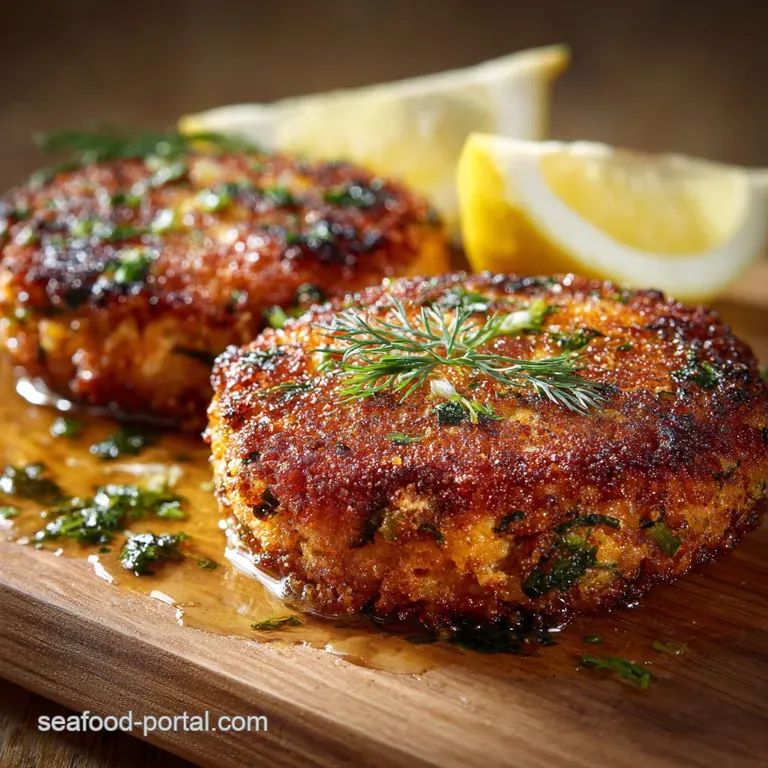
Scoop about 1/4 cup of the mixture and form it into neat, round patties about 1 inch thick. Uniformity is key for even cooking. Use cold hands, or lightly dampen your hands, to prevent the sticky mixture from clinging.
The Pan-Searing Technique: Oil Temperature and Timing
- Dredge & Chill: Dredge the cakes first in flour, shaking off excess, then firmly press them into the remaining Panko until fully coated. Place them on a parchment lined tray and chill for 30 minutes.
- Heat the Oil: Get 3 Tbsp of over high heat oil (vegetable or rapeseed) shimmering over medium high heat . The oil must be hot enough to sizzle immediately.
- Sear: Add the cakes, working in batches if necessary do not overcrowd the pan or the temperature will drop instantly. Cook for 5– 7 minutes until they are a deep, nutty brown color.
Knowing When They Are Done: Internal Temperature Check
Carefully flip the cakes and cook for another 5– 7 minutes. You are looking for an internal temperature of around 165°F (74°C), but honestly, you just need them to be piping hot all the way through and gorgeously golden on both sides.
Troubleshooting Your Salmon Cakes: Expert Tips from the Kitchen
"My Cakes Are Falling Apart": Fixes for Loose Patties
If you find the mixture is too wet before chilling, you need more binder. Slowly add another tablespoon of Panko breadcrumbs, mixing until it tightens up. But the real fix? Did you chill them? If you tried to cook them immediately, that’s your problem right there.
Avoiding a Soggy Exterior: The Power of Medium High Heat
Sogginess happens when the oil isn’t hot enough, and the cake absorbs oil instead of searing it off. Make sure the oil is truly shimmering before the cakes go in. Once they are searing, you can drop the heat slightly to medium to cook the interior, but never let the sizzle stop completely.
Adjusting Seasoning Before the Cook
You can’t really taste a raw salmon cake mix for seasoning, but you can smell it! If it smells flat, add more salt and pepper, or perhaps a tiny squeeze of lemon juice to your binder before mixing it in. Remember, the dill and mustard should be dominant, bright notes.
Prep Ahead: Storage, Refrigeration, and Freezing Salmon Cakes
Best Practices for Storing Uncooked Salmon Cakes
You can easily prep these ahead! Mix, shape, dredge, and chill the cakes on the parchment lined tray. Wrap the tray tightly in plastic wrap and store in the fridge for up to 24 hours. When it’s dinner time, you can pull them straight from the fridge and start cooking.
How to Properly Freeze Cooked and Uncooked Patties
Yes, they freeze beautifully! This is one of the best things about making a big batch of salmon cakes.
- To Freeze Uncooked: Place the prepared, chilled cakes (unstacked) on a tray and flash freeze them for 1 hour until solid. Then transfer them to a freezer bag or container, separated by parchment paper, and freeze for up to 3 months. Cook them straight from frozen, adding 3– 5 minutes to the cooking time per side.
- To Freeze Cooked: Cool the cakes completely, then store them the same way.
Reheating Instructions for Maximum Crispness
Do not reheat them in the microwave unless you want a rubbery, sad texture. The best way to reheat cooked salmon cakes is in a hot oven or an air fryer. Pop them in the air fryer at 375°F (190°C) for 5– 7 minutes, or bake them on a wire rack at 400°F (200°C) until sizzling hot and crispy again.
Perfect Pairings: What to Serve Alongside Salmon Cakes
These crispy patties are fantastic on their own, maybe alongside a sharp, lemony Tartar Sauce, but they also pair beautifully with fresh vegetables. We often serve them with a vibrant arugula salad, dressed with a light vinaigrette. If you want something quick but hearty, try making a simple slaw.
If you are planning a fancier seafood meal, these make a gorgeous appetizer before a stunning main like Salmon Wellington Recipe: Easy Puff Pastry Showstopper . For a lighter, summery option, try them over a bed of greens instead of the rice you might use in a Salmon Poke Bowl Recipe Easy: Fresh Hawaiian Style Dinner . Enjoy!
Recipe FAQs
Why are my salmon cakes falling apart when I try to pan-sear them?
The most common culprit is insufficient binder (like egg or mayonnaise) or skipping the crucial chilling stage. Ensure your mixture is thoroughly combined but not overworked, and always refrigerate the formed cakes for at least 30 minutes.
The cold temperature firms up the fat and binders, allowing the cakes to hold their structure beautifully under the heat.
My salmon cakes turned out dry. What did I do wrong?
Dryness usually results from overcooking or using too much breadcrumb, which aggressively absorbs the natural moisture of the salmon. Cook the cakes only until they are golden brown on both sides, typically 3-4 minutes per side for fresh salmon.
For extra insurance against dryness, consider adding a tablespoon of full fat mayonnaise or sour cream to your initial mixture before binding.
Can I bake or air fry these instead of pan-searing them?
Absolutely; this is a great low-oil alternative. For baking, preheat your oven to 400°F (200°C), lightly oil a baking sheet, and bake for 12-15 minutes, flipping halfway through to achieve even crispness.
If using an air fryer, cook at 375°F (190°C) for 8-10 minutes until golden brown, lightly misting the cakes with oil before cooking.
I only have canned salmon. Will that work for this recipe?
Yes, canned salmon is a perfectly viable and economical substitute, provided it is high-quality. However, you must ensure the canned salmon is exceptionally well drained and patted dry before mixing, as excess liquid will compromise the structure.
You may also need to slightly reduce the amount of added breadcrumbs compared to using fresh, cooked salmon.
What is the best way to freeze salmon cakes for later use?
It is best to freeze them uncooked to maintain texture. Place the formed, raw cakes on a parchment lined sheet tray and flash freeze them for two hours until completely solid. Once solid, transfer them to a freezer bag or airtight container, separated by small squares of parchment paper, where they will keep well for up to three months.
My cakes tasted bland how can I boost the flavor next time?
Blandness often stems from timid seasoning; remember that salmon, especially when combined with starch, needs aggressive seasoning. Ensure you are using enough salt and pepper, and don't be shy with the fresh herbs, Dijon mustard, and lemon zest recommended in the recipe.
A chef’s trick is to fry a teaspoon of the mixture before forming the cakes to check and adjust the seasoning level.
How far in advance can I prepare the salmon cake mixture?
You can prepare the entire mixture, form the cakes, and chill them in the refrigerator for up to 24 hours before cooking. This is actually beneficial to the recipe, as the extended chilling allows the binding agents to fully hydrate and the flavors to meld beautifully, resulting in perfectly firm and flavorful cakes.
Crispy Lemon Dill Salmon Cakes
Ingredients:
Instructions:
Nutrition Facts:
| Calories | 523 kcal |
|---|---|
| Protein | 28.2 g |
| Fat | 24.8 g |
| Carbs | 44.1 g |
