Fried Smelt: a Proper Chippy Treat with Zesty Lemon-Dill Dip
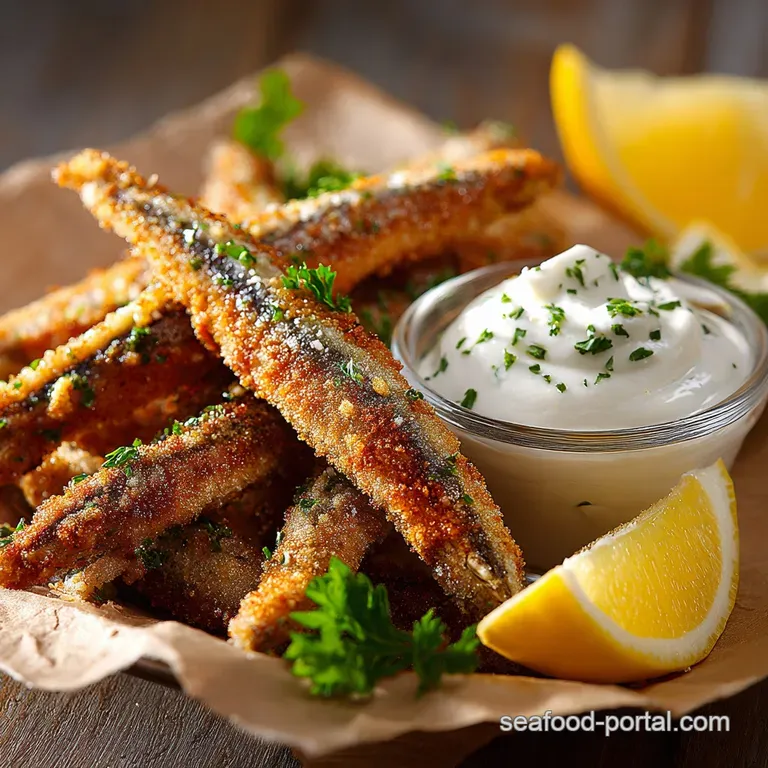
- The Coastal Secret: Why Fried Smelt is the Ultimate Finger Food
- Achieving the Perfect Crunch: The Science of Crispy Fried Smelt
- Essential Pantry Staples for Crispy Fried Smelt
- Mastering the Fry: Step-by-Step Instructions for Golden Smelt
- Troubleshooting Your Fry: Common Mistakes and Chef’s Secret Tips
- Storing Leftovers: Keeping Fried Smelt Crispy
- What to Serve Alongside Your Crispy Coastal Catch
- Recipe FAQs
- 📝 Recipe Card
The Coastal Secret: Why Fried Smelt is the Ultimate Finger Food
When that first batch of whole fried smelt hits the cooling rack, the kitchen instantly smells like a proper coastal holiday. You get that clean, savory scent of incredibly fresh fish mingling with the intoxicating aroma of sizzling, hot cornmeal and a hint of smoked paprika.
The satisfyingly loud crunch when you bite into the golden coating truly seals the deal.
Honestly, this recipe is pure weeknight magic, and it’s unbelievably forgiving if you’re new to frying. Smelt are typically inexpensive, they cook in literally minutes, and they are perfect for quick, satisfying dinners that feel way fancier than they are.
Forget scrubbing a giant pot or dealing with finicky fillets, this is the ultimate easy seafood starter.
I used to burn the coating before the middle cooked through, or I'd end up with a greasy, soggy mess because my technique was off. But after years of trial and error (and eating some truly sad, oil-logged smelt), I finally nailed the perfect ratio for the dredge and the killer oil temperature rule.
Let’s skip the sadness and jump straight to the shatteringly crispy perfection.
Achieving the Perfect Crunch: The Science of Crispy Fried Smelt
The biggest secret to spectacular Fried Smelt isn't the seasoning, although that helps; it's the specific dry mixture we use for the coating. Standard flour often goes soggy quickly, soaking up too much oil and leading to a heavy result. We fix that problem completely by introducing fine yellow cornmeal.
The cornmeal creates a wonderful, rugged texture that stands up beautifully to the frying process, guaranteeing that shatteringly crisp exterior we all crave. It also browns up perfectly in the oil, yielding that desirable golden hue that signals true perfection.
Finally, we must talk oil temperature, which needs to be precisely 375°F (190°C). Anything lower, and your smelt will soak up oil like a sponge; anything higher, and the coating burns before the fish is cooked.
Chef’s Note: Never underestimate the drying process. I made this mistake so many times you must pat the smelt bone dry before the dredge.
Residual moisture causes the oil to bubble violently and steams the coating right off the fish, resulting in a soggy, patchy mess. Don't skip the paper towels!
Essential Pantry Staples for Crispy Fried Smelt
We keep this ingredient list simple because the smelt should be the star of the show. If you don't have exactly what I recommend, don't worry, because I've got you covered with some excellent swap ideas.
Ingredients Detail 1
Here is what you need for the actual smelt and the dredge, which provides all that beautiful crunch. I always recommend using a good smoked paprika here; it provides a depth of flavor that is truly addictive.
- Smelt: 1 lb (450g), cleaned and heads removed (unless you’re feeling truly rustic!).
- All-Purpose Flour: 1/2 cup (60g). This is the base of our crispy shell.
- Fine Yellow Cornmeal: 1/4 cup (30g). This is non-negotiable for texture, honestly.
- Smoked Paprika: 1 tsp. It adds an earthy, savory colour and flavour.
- Salt & Pepper: 1 tsp of fine sea salt and 1/2 tsp pepper, plus extra for finishing.
- Neutral Oil: About 3 cups of vegetable or canola oil for frying.
Ingredients Detail 2
You absolutely need a bright, cooling dip to cut through the richness of the deep fried fish. This Lemon Dill version is my go-to, but feel free to sub in your favorite sauces. If you want something with more heat, check out my recipe for [Spicy Southern Fried Catfish With Mustard Sauce: Crisp Tangy Dinner].
| Ingredient | My Recommendation | Viable Substitute |
|---|---|---|
| Smelt | Fresh or flash frozen smelt | Whitebait or small, cleaned anchovies |
| Cornmeal | Fine Yellow Cornmeal | Finely ground semolina or rice flour |
| Smoked Paprika | Spanish Smoked Paprika | Standard sweet paprika or Old Bay seasoning |
| Greek Yogurt (for dip) | Full Fat Greek Yogurt | Sour cream or high-quality mayonnaise |
| Fresh Dill | Fresh, chopped dill | Fresh chives or parsley (but dill is best!) |
Mastering the Fry: step-by-step Instructions for Golden Smelt
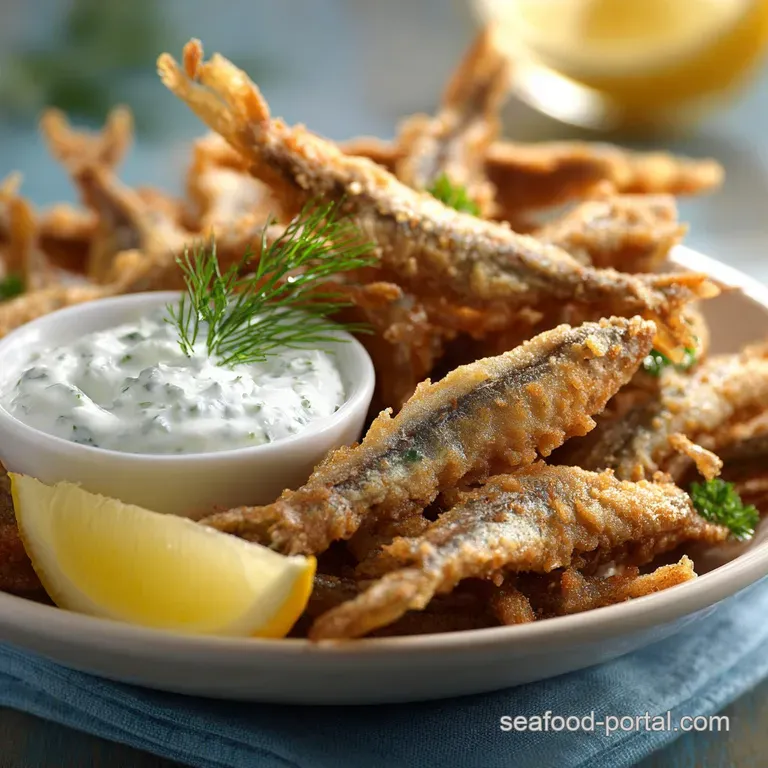
Frying might sound intimidating, but I promise if you manage your oil temperature, you’ll be a pro in minutes. Safety first, always use a deep, heavy bottomed pot and keep a close eye on the thermometer.
Instructions Detail 1: Prep and Dredge
- Dry the Fish: Rinse your smelt under cold water, then lay them on paper towels and pat them completely dry. Seriously, this step is everything.
- Make the Dip: While the fish dries, stir together the Greek yogurt, lemon juice, zest, chopped fresh dill, garlic, and seasoning in a small bowl. Cover it up and pop it in the fridge so it’s wonderfully cold when the fish is ready.
- Mix the Dredge: In a wide, shallow dish, whisk the flour, cornmeal, smoked paprika, salt, and pepper until everything is perfectly combined.
Instructions Detail 2: Fry Time!
- Heat the Oil: Pour your oil into the Dutch oven or deep pan, making sure it’s about 1.5 to 2 inches deep. Turn the heat to medium high and let it climb until the thermometer reads 375°F (190° C).
- Coat and Shake: Work with just a few smelt at a time. Toss them vigorously in the dredge mixture until fully coated. Pick them up and shake them well to remove any excess flour (we want a thin, crisp coating, not a doughy one).
- Fry in Batches: Carefully lower the coated fish into the hot oil. Do not overcrowd the pan. Overcrowding will instantly drop your oil temperature, which results in sad, greasy fish. I usually fry 5 6 pieces at a time.
- Cook and Drain: Fry for about 2 to 3 minutes, or until the smelt are a beautiful, uniform golden brown. They cook fast! Remove them quickly with a spider or slotted spoon and immediately place them on a wire rack set over a baking sheet to drain. (Do not put them directly on paper towels, or the bottom will steam.)
- Seasoning Finish: While they are still piping hot, immediately sprinkle the Fried Smelt generously with an extra pinch of fine sea salt. Repeat this process until all the smelt are cooked.
Troubleshooting Your Fry: Common Mistakes and Chef’s Secret Tips
We all make mistakes, believe me, I once tried to fry fish in oil that was way too cold it tasted like the fish had been dunked in liquid fat. Gross. Here are the common pitfalls and how to avoid them.
Mistake 1: Not Maintaining Oil Temperature If the oil gets too low (below 350°F), the fish cooks too slowly and becomes incredibly oily. The Fix: Use a reliable deep fry thermometer and only fry small batches at a time.
Wait 60 seconds between batches for the oil to fully recover its heat. This technique is crucial for any crispy deep fry, whether you're making smelt or following my method for [Deep Fried Shrimp: The Ultimate Crispy Panko Crusted Recipe].
Mistake 2: Over Coating the Fish Dredging the smelt and leaving a thick, clumpy layer of flour mixture will result in a dense, chewy coating rather than a light, crisp shell. The Fix: After dredging, shake the fish off firmly.
You want the coating to be thin and firmly attached, not heavily caked on.
Mistake 3: Stacking the Fish after Frying Removing hot, fresh fish and stacking it on a plate or even directly on paper towels traps steam. Steam kills crispiness. The Fix: Always, always use a wire cooling rack set over a tray.
This allows air to circulate fully underneath the fish, ensuring the bottom is just as crunchy as the top.
Storing Leftovers: Keeping Fried Smelt Crispy
If you somehow manage to have leftovers (it's rare, I know), storage is possible, but you must sacrifice a little texture. Fried smelt is definitely best eaten within 20 minutes of coming out of the oil.
If you must store them, let them cool completely on the wire rack first. Transfer them to an airtight container layered with paper towels and store them in the fridge for up to 3 days.
Reheating is Key: Forget the microwave; it will turn the coating into rubber. The absolute best way to revive that crunch is to place the smelt on a baking sheet and reheat them in a preheated oven at 350°F (175° C) for 5– 8 minutes, or until piping hot.
The high, dry heat will crisp up the exterior beautifully.
What to Serve Alongside Your Crispy Coastal Catch
Fried Smelt is perfect on its own as a starter, but if you’re making a meal of it, you need sides that offer a fresh counterpoint to the richness. You want something acidic and bright.
Additional Detail 1: Acid and Spice
I love serving these fish simply with a huge wedge of lemon don't underestimate the power of fresh acidity and a large bowl of that amazing Lemon Dill Dip. For a heartier side, I often serve a homemade, sharp coleslaw that uses vinegar instead of too much mayo, or perhaps a simple salad tossed with a vinaigrette.
Additional Detail 2: The Full Experience
If you’re going for the full "Chippy" feel, thick cut, salty chips are mandatory. A sprinkle of malt vinegar over the top takes you straight to the seaside. If you happen to catch some bigger fish, you could easily apply these same frying principles to thicker fillets, just like I do when I’m making [Crispy pan-fried Salmon: Restaurant Quality Skin, Brown Butter Glaze].
Enjoy every crunchy, delightful bite!
Recipe FAQs
Do I need to clean or gut the smelt before frying?
If the smelt are very small (like whitebait, 3-4 inches), they are usually cooked whole as the bones are soft and completely edible. For larger smelt (5+ inches), it is recommended to remove the gills and entrails, though the head is often left intact.
Always rinse them thoroughly in cold water and ensure they are completely dry before coating.
My smelt came out soggy instead of crispy. What went wrong?
The primary cause of soggy fried food is insufficient oil temperature during cooking. Ensure your frying oil is maintained consistently between 350°F and 375°F (175°C 190°C) using a thermometer.
Overcrowding the pan also drastically drops the temperature, so always fry the fish in small, distinct batches to maintain heat.
Can I use alternatives to plain flour for the coating?
Yes, you can easily substitute the all-purpose flour for a gluten-free coating using rice flour and cornstarch mixed together, which yields a very light crust. For a different texture, fine cornmeal or a mixture of flour and panko breadcrumbs works wonderfully, adding a notable crunch.
Ensure you season the coating mixture liberally, no matter which option you choose.
I don't want to deep fry. Can I air-fry or bake the smelt instead?
Yes, air frying is a great alternative that provides a satisfying crispness with less oil. To air fry, spray the coated smelt lightly with cooking oil and cook at 375°F (190°C) for 8 10 minutes, flipping them halfway through.
Baking is also possible at 400°F (200°C), but it will result in a drier, less crunchy texture after about 15 minutes.
How do I know when the fried smelt is fully cooked?
Smelt cook incredibly fast, usually requiring only 3 4 minutes per batch when the oil is at the correct temperature. They are done when they float easily to the surface of the oil and have turned a deep, beautiful golden brown color.
The fish should feel quite rigid when lifted out, indicating they are cooked all the way through.
What is the best way to store and reheat leftover fried smelt?
Store cooled leftovers in an airtight container in the refrigerator for up to 3 days, separating layers with parchment paper if necessary. To reheat and restore crispness, avoid the microwave at all costs.
Instead, spread them on a baking sheet and heat them in a toaster oven or standard oven at 350°F (175°C) until fully warmed.
Can I prepare the smelt ahead of time and freeze them?
While freezing raw fish that has already been thawed is not recommended, you can freeze them after they have been breaded but before frying. Flash freeze the coated smelt on a baking tray until solid, then transfer them to a freezer bag for up to two months.
They can be fried directly from frozen, adding a minute or two to the cooking time.
Crispy Golden Fried Smelt Recipe
Ingredients:
Instructions:
Nutrition Facts:
| Calories | 208 kcal |
|---|---|
| Protein | 24.0 g |
| Fat | 4.5 g |
| Carbs | 18.1 g |
