Fried Grouper: Crispy Golden Fillets Made Easy
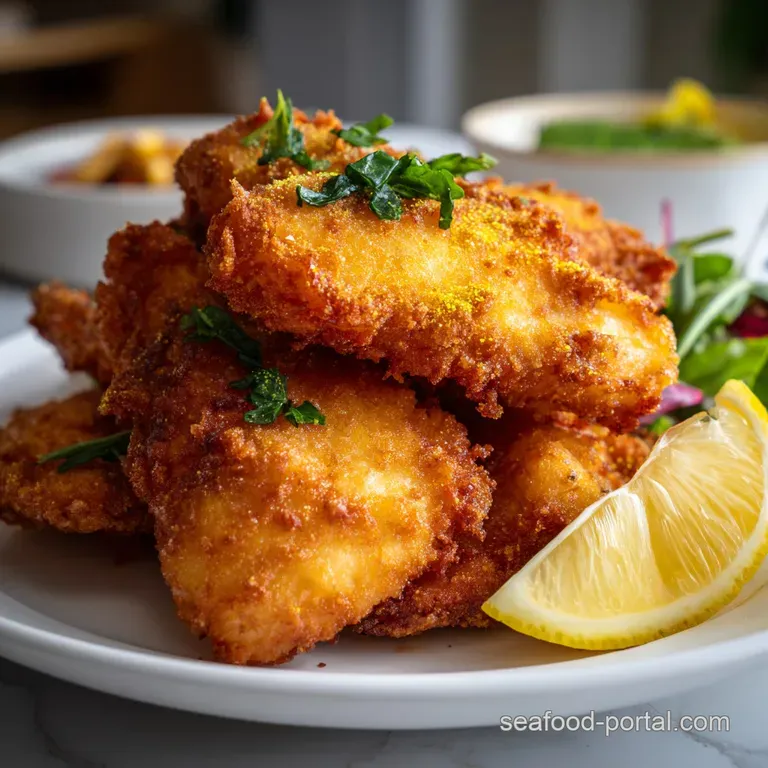
- Crispy Golden Fried Grouper Fillets with Zesty Lemon Dust: A Proper Fry-Up
- Setting the Stage: Mastering the Perfect Fried Grouper Fillet
- The Science of Crispness: Why This Fried Grouper Method Works
- Essential Components for the Crispy Grouper Dredge and Dust
- Detailed Method: How to Fry Grouper to Perfection
- Troubleshooting the Fry: Chef’s Tips and Avoiding Common Mistakes
- Storage, Make-Ahead, and Freezing Cooked Grouper
- What to Serve with Crispy Golden Grouper
- Recipe FAQs
- 📝 Recipe Card
Crispy Golden Fried Grouper Fillets with Zesty Lemon Dust: A Proper Fry-Up
I’m going to start with a serious question: Is there anything better than the sound of a truly perfect crust cracking? That satisfying shatter followed immediately by the pillowy, white steam of perfectly cooked fish? If you’ve been looking for that restaurant quality crust, stop everything.
This Fried Grouper recipe is the definitive guide to achieving coastal perfection without ending up with a greasy, heavy mess.
Look, I know frying sounds intimidating, but this method is a total lifesaver. It’s fast enough that you can have fantastic Fried Grouper in Minutes after a long workday. It uses simple pantry ingredients, which means you don't need obscure equipment or a weekend dedicated to cooking.
This recipe makes you feel like a pro with minimal effort, which is exactly how good home cooking should be.
The secret isn’t deep frying we are shallow frying, which is much safer and uses less oil but rather in the dredge . We are skipping the sad, soggy beer batter that often masks the delicious flavour of the fish.
We’re going straight for a golden, crunchy armor that keeps the interior flaky and moist. Let’s crack on and talk about how to make the best Fried Grouper you've ever tasted.
Setting the Stage: Mastering the Perfect Fried Grouper Fillet
The Science of Crispness: Why This Fried Grouper Method Works
The difference between amazing and mediocre Fried Grouper isn't luck; it's physics. We are building a crust that actively rejects oil while holding heat in to steam the fish quickly. This is crucial. When your oil temperature drops, your food absorbs fat, turning heavy and sad.
We want light, golden, and dry.
The Texture Triumph: Why a Cornmeal Dredge Beats Heavy Batter
Forget the heavy, gloppy batters that sometimes slide right off the fish. We use a combination of all-purpose flour and fine yellow cornmeal. The flour helps create a base layer that adheres well, but it’s the fine cornmeal that provides that aggressive, beautiful crunch and structure.
It’s the superior choice for thin, crispy Fried Grouper that won't taste heavy.
Defining Grouper Quality: Choosing the Right Cut for Frying
Grouper is naturally firm, flaky, and has a lovely mild flavour, making it ideal for frying because it holds its shape beautifully. For the best results, ask your fishmonger for fillets that are uniform in thickness, ideally around one inch.
If you get thin, tapered ends, those will overcook almost instantly, so try to trim the fish into even portions before starting.
Elevating Flavour: Introducing the Signature Zesty Lemon Dust
This is my favorite trick for leveling up any Fried Grouper Recipe . Instead of waiting until the end to hit the fish with lemon juice, we use fresh lemon zest in two key ways: first, blended into the dry dredge for a subtle aroma, and second, sprinkled over the hot oil just before the fish is removed.
This releases the oils in the zest, bathing the fish in a gorgeous, bright aroma without making the crust soggy.
Moisture Management: Prepping the Fillets for Maximum Adhesion
Moisture is the enemy of crispness. If your fish is wet, the cold water hits the hot oil, steam explodes, and your crust gets rubbery instead of crisp. You must pat your grouper completely, bone dry after brining or rinsing.
I once made the mistake of rushing this step and ended up with a crust that flaked off the fish, which was incredibly frustrating. Don’t be me.
The Importance of High Heat and Optimal Oil Selection
We’re aiming for 350°F (175°C), and we need an oil that can handle it without smoking out your kitchen. Canola or Grapeseed oil are my go-tos because they are neutral and have a high smoke point.
Keeping that temperature steady ensures the crust sets instantly, locking out the oil and preserving the flaky interior of your Fried Grouper Fish .
Achieving Golden Consistency: The Maillard Reaction Explained
The Maillard reaction is just the fancy word for why everything tastes better when it’s browned. In our case, the combination of proteins and sugars in the dredge, when exposed to high heat, creates hundreds of new, wonderful flavour compounds.
This is why you must wait for that deep, rich golden colour it’s where the flavour lives. The slightly sweet cornmeal helps drive this reaction perfectly.
Essential Components for the Crispy Grouper Dredge and Dust
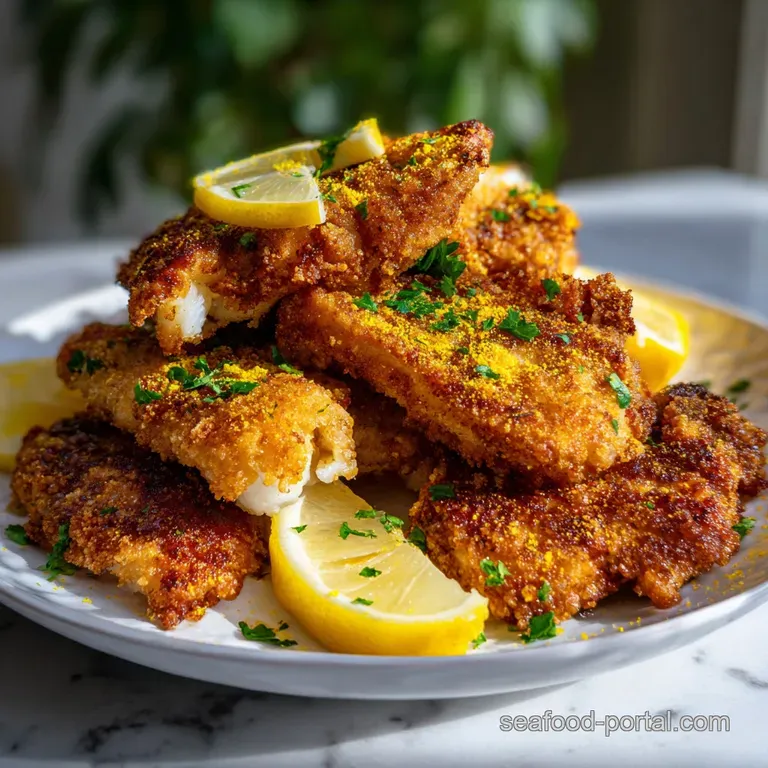
Getting the right ingredients prepped is half the battle when making magnificent Fried Grouper . Organization saves stress!
| Ingredient | Substitute Suggestion |
|---|---|
| Grouper Fillets | Cod, Snapper, or Haddock (adjust cook time slightly) |
| Fine Yellow Cornmeal | Panko Breadcrumbs (mix 50/50 with flour for a lighter crust) |
| Neutral Oil (Canola/Grapeseed) | Refined Peanut Oil (if no allergies) or Safflower Oil |
| Buttermilk (if using a wet dredge) | Whole Milk + 1 tsp White Vinegar (let stand 5 mins) |
| Smoked Paprika | Regular Sweet Paprika + a tiny pinch of Cayenne |
Selecting Your Grouper: Fresh vs. Frozen Considerations
If you can get fresh, go for it! But honestly, high-quality flash frozen grouper works exceptionally well for frying, provided you thaw it correctly. Thaw it slowly overnight in the fridge.
Crucially, ensure you drain away any excess moisture that gathers as it thaws, then rinse and pat dry, dry, DRY before attempting to dredge.
The Ultimate Seasoning Blend: Fine Tuning the Flavor Base
The dredge needs to be seasoned as though it were the entire dish because it is the armor! My signature blend includes smoked paprika for depth, garlic and onion powder for savory complexity, and dried thyme for a subtle herbal note.
This mix transforms the simplest flour and cornmeal into a flavour powerhouse that complements, rather than overwhelms, the Fried Grouper .
Oil Deep Dive: Best Choices for a Non-Greasy Fry
The key to preventing greasy fish is high heat and clean oil. Avoid anything with a strong flavour, like extra virgin olive oil, which will burn anyway. Canola or vegetable oil is the standard, but I love grapeseed oil because it is incredibly neutral and handles high heat like a champ.
Adding a small pat of butter at the end (as detailed in the instructions) is optional but adds a magnificent richness to the finished crust.
Ingredient Swaps: Alternatives to Grouper and Cornmeal
If grouper is hard to source, don't worry. This coating works brilliantly on other firm, white fish. Try cod or snapper you might be surprised how similar the results are! If you prefer a fish that is naturally flakier, check out my guide on making Fried Mahi Mahi Recipe: Crispy, Flaky, and Ready in 40 Minutes . For the dredge, if cornmeal is unavailable, simply use a finely ground breadcrumb (Panko, pulsed in a food processor, works) mixed with the flour.
Detailed Method: How to Fry Grouper to Perfection
This is the part where we bring the heat. You can’t rush perfection, especially when dealing with oil temperature.
Preparing the Fillets: Slicing, Patting Dry, and Seasoning
First, check your fillets. Cut them into 4 6 ounce portions. If you’re brining, great! If not, just ensure they are lightly seasoned with salt and pepper directly. Then, take a stack of paper towels, or a clean cloth, and press firmly on every surface of the fish. Seriously, the drier the better.
You are aiming for fish that feels tacky, not slippery.
The Double Dredge Technique: Ensuring a Fully Encased Crust
This is how we guarantee a crust that sticks and shatters. Set up two shallow dishes: one with your dry dredge, and one with a little cold water (or buttermilk if you choose).
- Press the dry fish into the dredge, covering thoroughly.
- Now, the magic step: dip the coated fish briefly into the cold water just 3 seconds, maximum! Shake off the excess.
- Immediately press the fish back into the dry dredge for the second coat. This moisture barrier grabs extra flour and cornmeal, creating a super crisp, thick shell for your Fried Grouper .
Chef’s Note: Place the double dredged fillets on a rack, not a plate, for 5 minutes before frying. This allows the coating to slightly hydrate and "set," meaning it won't slough off when it hits the hot oil.
Monitoring Temperature: Safe and Effective Frying Practices
This is non-negotiable: use an instant read thermometer. Pour your oil (about 1 inch deep) into a heavy skillet cast iron is wonderful here and heat it to a steady 350°F (175° C) . Do not guess.
If your oil is too cold, your Fried Grouper will be heavy; if too hot, it will burn before the fish is cooked through. You want the fish to sizzle immediately upon entry, but not splash violently.
Finishing Touch: Draining and Applying the Lemon Dust Immediately
Carefully place the fillets, using tongs, into the hot oil, laying them away from you. Cook for 3– 4 minutes per side until that crust is a glorious, deep golden colour. In the last minute, if you’re using the butter, drop it in and baste the fish quickly.
Right before removing the Fried Grouper Fish , sprinkle the fresh lemon zest directly over the oil. Lift the fish, and place it immediately on a wire rack to drain. Do not use paper towels! Air needs to circulate underneath.
Give it a final pinch of flake salt right now while it’s piping hot.
Troubleshooting the Fry: Chef’s Tips and Avoiding Common Mistakes
Mistake 1: Overcrowding the Pan (The Temperature Drop)
This is the number one cause of soggy fish. When you drop too many cold fillets into the oil, the temperature plunges, and suddenly you’re below that critical 325°F mark. The result? Your grouper soaks up the oil like a sponge.
Always cook your Fried Grouper in small batches, giving each piece plenty of breathing room, and allow the oil to return to 350°F between batches.
Achieving the Internal Temperature Sweet Spot
Grouper cooks fast, typically 5- 7 minutes total. You can tell it's done when the exterior is golden and the flesh easily flakes with a fork. If you want scientific precision (which I usually do), aim for an internal temperature of 145°F (63° C) .
Anything beyond that risks drying out the delicate meat.
Storage, make-ahead, and Freezing Cooked Grouper
Reviving Leftovers: Restoring the Crisp Texture
But does leftover Fried Grouper freeze well? Honestly, freezing cooked fish is tough because the texture changes drastically. Short Term storage is better. Store cooled leftovers in an airtight container in the fridge for up to 3 days. To reheat, absolutely avoid the microwave!
Reheat in a preheated oven at 375°F (190°C) or, ideally, an air fryer for 4- 6 minutes until the crust is revived and crispy again.
Short Term Storage: Keeping Cooked Fish Crispy Post Fry
If you’re hosting and need to keep batches warm, don't cover the fish! Place the wire rack holding the freshly drained Fried Grouper inside a low-temp oven (around 200°F/95°C).
The heat keeps it warm, and the rack allows air circulation, maintaining that crisp coating until everything is ready to serve.
Prep Ahead: Preparing the Seasoned Dredge Mix in Advance
You can absolutely make the dredge mix days ahead of time. Whisk together all your dry ingredients the flour, cornmeal, and seasoning store it in an airtight container, and you’re ready to go!
When you’re ready to cook, all you need to do is dry your fish, dredge it, and drop it in the oil for the quickest, most impressive Fried Grouper in Minutes ever.
What to Serve with Crispy Golden Grouper
This fish is robust enough for rich sides but delicate enough for light ones. It’s versatile!
Classic Pairings: Tangy Slaws and Homemade Tart Sauces
My favorite way to serve the best Fried Grouper is with a side that cuts through the richness of the fried crust. You absolutely need a tart, creamy element. Instead of reaching for the jarred stuff, try making my simple, zingy Tartar Sauce Recipe: Easy Homemade Sauce for Fried Fish — it takes five minutes and tastes exponentially better. A sharp coleslaw or a side of pickled onions also works brilliantly.
This is the definitive method for Fried Grouper . Focus on dryness, manage that oil temperature, and use that double dredge technique. Follow these steps, and you will consistently pull perfectly flaky fish out of the oil, every single time.
It's truly a spectacular dish, and one you’ll be making all year long. Happy cooking!
Recipe FAQs
Why is my crust soggy or greasy instead of crispy?
This usually points to low oil temperature. If the oil isn't hot enough (ideally 350°F-375°F), the food absorbs the oil instead of forming an immediate protective crust. Also, overcrowding the pan drastically lowers the temperature, so always fry in small batches to maintain heat.
How do I know when the grouper is perfectly cooked and not dry?
Grouper is ready when the internal temperature reaches 145°F, and the flesh becomes opaque and flakes easily with a fork. Overcooking causes the firm texture to become tough and dry, so pull the fillets immediately once the crust is golden brown and the internal temperature is met.
What is the best substitute for grouper in this recipe?
Since grouper is known for its firm texture and mild flavor, excellent substitutions include snapper, cod, or halibut, as they hold up well to the frying process. Avoid overly delicate fish, such as sole or tilapia, which might disintegrate when cooked at high heat.
Can I prepare the fillets ahead of time by dredging them in the flour mixture?
No, it is strongly advised to dredge the fillets right before they go into the hot oil. If the fish sits pre-dredged, the moisture from the fillet will seep into the coating, resulting in a gummy or mushy crust rather than a desired crispy one.
Can I freeze leftover cooked fried grouper?
While you technically can, freezing and thawing fried fish will severely compromise the crispness of the crust. It is always best to enjoy fried fish immediately after cooking. If necessary, store leftovers airtight in the refrigerator for up to two days and reheat them quickly in an air fryer or conventional oven.
The recipe uses cornmeal; what can I use for a gluten-free crust?
You can create a fantastic gluten-free crust using a blend of rice flour and finely ground corn grits, which replicate the texture of cornmeal without the wheat. Alternatively, plain chickpea flour (besan) works well and provides a sturdy, crisp coating when fried.
Is it possible to bake or air fry this recipe instead of deep frying?
Yes, while the texture won't be identical to a proper deep fry, air frying at 400°F (200°C) offers excellent results, provided you mist the dredged fillets lightly with oil. Baking the fish at 425°F (220°C) will also cook the fish thoroughly, though the crust will be less shatteringly crisp.
Crispy Golden Fried Grouper Fillets
Ingredients:
Instructions:
Nutrition Facts:
| Calories | 1795 kcal |
|---|---|
| Protein | 0.9 g |
| Fat | 160.3 g |
| Carbs | 12.2 g |
