Fried Shrimp Recipe: Shatter Crisp Exterior
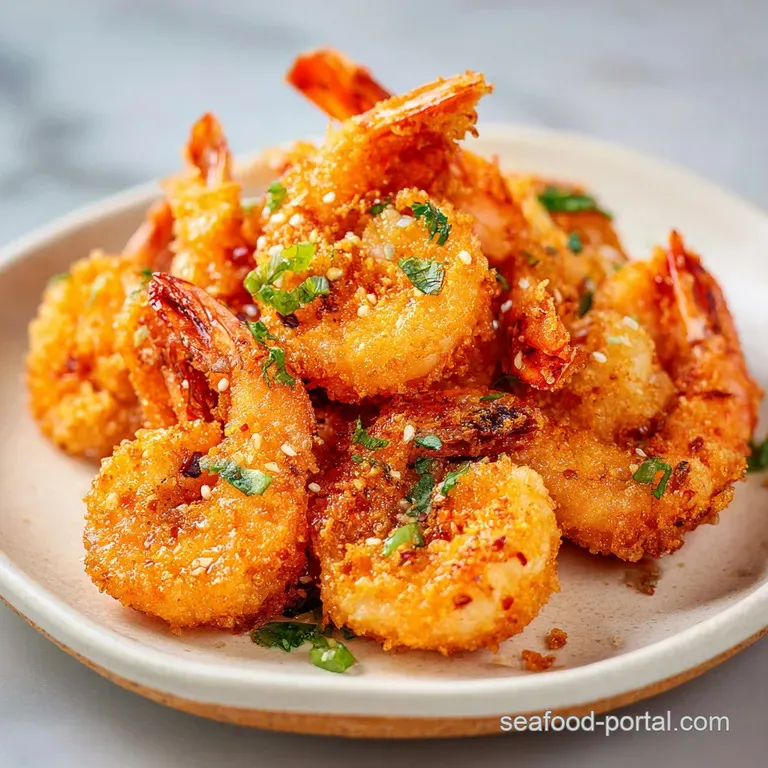
- Time: Active 20 minutes, Passive 10 mins, Total 30 mins
- Flavor/Texture Hook: Shatter crisp exterior with a briny, succulent center
- Perfect for: Weekend treats or a coastal style dinner party
- The Best Ever Crispy Fried Shrimp Recipe
- Why This Method Always Wins
- Component Deep Dive Analysis
- The Flavor Components
- Gear for Perfect Results
- Step by Step Execution
- Solving Common Frying Problems
- Troubleshooting Common Issues
- Tasty Variations and Swaps
- Myths About Frying Shrimp
- Storing and Saving Leftovers
- Best Sides and Dips
- Recipe FAQs
- 📝 Recipe Card
The Best Ever Crispy Fried Shrimp Recipe
I remember the first time I heard that specific sizzle as a cold, battered shrimp hit 190°C oil. It was at a tiny roadside stand in Louisiana, and the aroma of toasted paprika and hot peanut oil was so thick you could almost taste it.
I spent years trying to get that exact, glass like shatter at home without ending up with a kitchen that smelled like a grease fire and shrimp that felt like rubber erasers.
The secret, it turns out, isn't some fancy fryer or a secret spice mix locked in a vault. It's about managing moisture and physics. When you finally bite into a piece that's light as air but carries a serious crunch, you'll never go back to the frozen bags or the greasy takeout versions again.
We’re going to make something that actually stays crispy even after it hits the plate.
Right then, let's crack on with what makes this work. We've all had those moments where the breading falls off in one sad, soggy sheet, or the shrimp inside is so overcooked it’s basically a bouncy ball.
This approach fixes both of those heartbreaks by using a specific dry to wet to-dry sequence that acts like a suit of armor for the seafood. You’re going to love the way the sparkling water creates these tiny, crispy craters in the crust.
Why This Method Always Wins
- Carbonation Expansion: Cold sparkling water introduces carbon dioxide bubbles that expand instantly in hot oil, creating a light, aerated structure.
- Gluten Inhibition: Using cornstarch alongside flour reduces the overall gluten content, ensuring the crust is brittle and snappy rather than chewy or bread like.
- Thermal Shielding: The thick batter protects the delicate protein, allowing the outside to brown while the inside steams in its own juices.
- Starch Gelatinization: The cornstarch absorbs surface moisture from the shrimp, creating a dry "primer" layer that prevents the wet batter from sliding off.
Science: The Physics of the Bubbles. Carbon dioxide in sparkling water expands rapidly when it hits hot oil, creating tiny air pockets that make the batter light and airy. This prevents the coating from becoming a dense, oily brick.
| Shrimp Size | Oil Temperature | Cook Time | Visual Cue |
|---|---|---|---|
| Large (16-20 count) | 190°C (375°F) | 2-3 minutes | Deep golden; tail curls tightly |
| Jumbo (10-15 count) | 185°C (365°F) | 3-4 minutes | Opaque white center; shatter crisp |
| Medium (26-30 count) | 190°C (375°F) | 1.5-2 minutes | Floats to the surface immediately |
Getting the temperature right is the difference between a greasy mess and a masterpiece. If you're looking for a way to use these crispy bites, they work beautifully in our The Homemade Fried recipe for a classic sandwich vibe.
Chef Science Tip: Use a cast iron pot if you have one. The heavy metal holds heat better than stainless steel, so the temperature doesn't plummet when you drop the cold shrimp in.
Component Deep Dive Analysis
| Ingredient | Science Role | Pro Secret |
|---|---|---|
| Cornstarch | Moisture absorption | Dusting first ensures the batter "glues" to the shrimp. |
| Sparkling water | Aeration | Must be ice cold to prevent gluten from developing too fast. |
| Smoked Paprika | Maillard reaction | Adds color and a subtle "char" flavor without bitterness. |
| White Pepper | Pungency | Provides heat that doesn't speckle the batter with black dots. |
Everything in this fried shrimp recipe serves a specific purpose. We aren't just tossing things in a bowl; we're building a structural masterpiece. The cornstarch is the MVP here because it creates a surface that's thirsty for the wet batter, making sure every nook and cranny is covered.
The Flavor Components
For the main protein, you'll need 450 g (1 lb) Large Shrimp. Look for the 16-20 count size they are big enough to handle the frying time without turning into rubber. Keep the tails on; they act as a natural handle and look fantastic.
- 120 g (1 cup) All purpose flour
- The structural backbone of our crust.
- 60 g (0.5 cup) Cornstarch
- For that signature snap. Why this? It lowers protein content for a crispier, less bread like finish.
- 1 tsp Sea salt
- To draw out the natural sweetness of the seafood.
- 0.5 tsp White pepper
- A cleaner heat than black pepper.
- 1 tbsp Garlic powder
- Adds savory depth.
- 1 tbsp Onion powder
- Provides a subtle sweetness.
- 1 tsp Smoked paprika
- For a beautiful sunset golden hue.
- 0.5 tsp Cayenne pepper
- Just enough kick to keep things interesting.
- 2 Large eggs
- To provide fat and structure to the batter.
- 60 ml (0.25 cup) Sparkling water
- Use a freshly opened bottle for maximum bubbles.
- 1 tsp Hot sauce
- Vinegar based sauce (like Crystal or Frank's) helps tenderize the shrimp.
For the Frying:475 ml (2 cups) Neutral frying oil: Avocado or peanut oil is best due to their high smoke points.
Gear for Perfect Results
You don't need a commercial deep fryer to make a stellar fried shrimp recipe, but a few specific tools make the process much smoother. A deep fry thermometer is non negotiable for me. Guessing the oil temp is how you end up with either burnt batter or oil soaked seafood.
A wide, shallow bowl is better for dredging than a deep one, as it prevents the flour from clumping. I also highly recommend using a wire cooling rack set over a baking sheet. If you put hot, fried food directly onto paper towels, the steam gets trapped underneath and turns your crispy crust into a soggy sponge in seconds.
Finally,, a spider strainer or a slotted metal spoon is essential. You want to be able to lift the shrimp out quickly and let the excess oil drain back into the pot immediately. Plastic tools will melt, so stick to metal.
step-by-step Execution
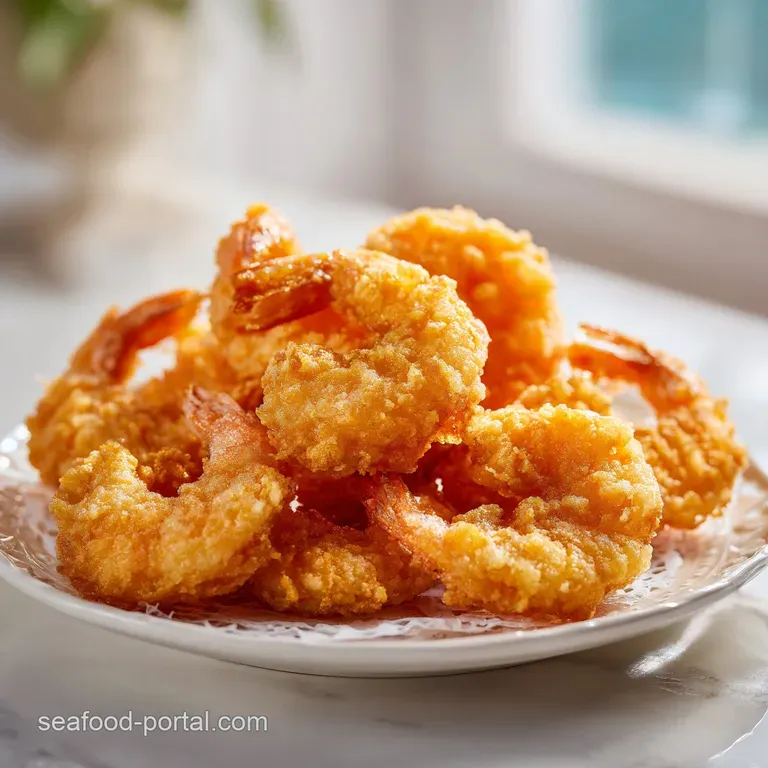
- Prep the shrimp. Pat the 450 g of shrimp completely dry with paper towels. Note: Surface moisture is the enemy of a crispy crust.
- Season the protein. Toss the shrimp with sea salt and white pepper in a medium bowl until evenly coated.
- Mix the dry base. In a separate shallow dish, whisk together the flour, cornstarch, garlic powder, onion powder, smoked paprika, and cayenne.
- Create the wet binder. In a small bowl, beat the eggs with the sparkling water and hot sauce until frothy and well combined.
- Initial dredge. Coat each shrimp lightly in the dry flour mixture, shaking off any excess. It should look like a fine dusting.
- The wet dip. Submerge the floured shrimp into the egg mixture, ensuring it's fully coated.
- Final coat. Return the shrimp to the dry flour mix one last time, pressing the flour onto the surface. The coating should look rugged and textured.
- Heat the oil. Pour 475 ml of oil into a heavy pot and heat to 190°C (375°F). Listen for a faint shimmering sound.
- Fry in batches. Carefully drop 5-6 shrimp into the oil. Fry for 2-3 minutes until golden and crackling.
- Drain and rest. Transfer to a wire rack and let rest for 2 minutes before serving. The residual heat finishes the center perfectly.
Solving Common Frying Problems
Troubleshooting Common Issues
| Issue | Solution |
|---|---|
| Why the batter falls off | This usually happens because the shrimp were too wet before the first flour dredge. That layer of water creates steam between the meat and the batter, pushing the coating away. Always spend the extra |
| Why the coating is dark but the inside is raw | Your oil is likely too hot. If the outside browns in under 60 seconds, the middle won't have time to reach that safe 145°F (63°C). Turn the heat down and wait a few minutes for the temperature to stab |
| Why the shrimp are rubbery | This is a classic case of overcooking. Shrimp only need about 2 to 3 minutes total. The moment they curl into a "C" shape and the batter is golden, they are done. If they curl into an "O" shape, they' |
Tasty Variations and Swaps
If you want to scale this down for a solo dinner, you can easily halve the recipe. For a single person, use one egg and just a splash of sparkling water, reducing the spices by half as well.
If you are scaling up for a party (doubling or tripling), keep the spices at about 1.5 times the original amount so they don't become overwhelming.
For a spicy Cajun version, double the cayenne and add a teaspoon of dried thyme and oregano to the dry mix. If you want an "Air Fryer Fried Shrimp Recipe" feel, you’ll need to swap the wet batter for a standard breading (flour, then egg, then Panko breadcrumbs).
Wet batters like this one don't work in air fryers they just drip through the basket and make a mess!
- For extra crunch
- Replace 1/4 of the flour with fine cornmeal.
- For a tropical vibe
- Swap the sparkling water for cold coconut milk (though it will be slightly less airy).
- For a gluten-free version
- Use a 1:1 gluten-free flour blend and extra cornstarch.
| Original Ingredient | Substitute | Why It Works |
|---|---|---|
| Sparkling water | Cold beer (Lager) | Yeast and carbonation add flavor and lift. Note: Will result in a darker crust. |
| All purpose flour | Rice flour | Creates an even lighter, tempura style crunch. |
| Peanut oil | Sunflower oil | High smoke point and neutral flavor profile. |
Myths About Frying Shrimp
One common misconception is that you need to deep fry in gallons of oil. You only need about 2 inches of oil in a heavy bottomed pot to get a perfect result. As long as the shrimp can submerge, you're good to go. Another myth is that the batter should be thick like pancake batter.
In reality, a thinner, cold batter creates a more sophisticated, crispy shell that doesn't overwhelm the flavor of the seafood.
There's also a belief that you should salt the shrimp long before frying. Don't do it! Salting too early draws out moisture, making the surface of the shrimp wet and causing the batter to slide off during the fry. Salt them right before you dredge them for the best adhesion.
Storing and Saving Leftovers
Fried shrimp is honestly best eaten within ten minutes of coming out of the oil. However, if you have leftovers, they will keep in the fridge for up to 2 days. To reheat, avoid the microwave at all costs it will turn the batter into a rubbery blanket.
Instead, put them in a 200°C (400°F) oven or air fryer for about 4-5 minutes until the oil starts to sizzle again.
For a zero waste tip, don't throw away those shrimp shells! Throw them into a freezer bag. When you have a few handfuls, simmer them with some water, onion scraps, and celery to make a quick seafood stock for risotto or chowder. It's liquid gold that most people just toss in the bin.
Best Sides and Dips
Every great fried shrimp recipe needs a partner in crime. A classic remoulade or a spicy tartar sauce is the traditional choice, but I personally love a simple lemon garlic aioli. The acidity cuts right through the richness of the fried coating.
For sides, keep it light. A vinegar based coleslaw or a crisp green salad balances the meal perfectly. If you're going for a full Southern feast, some hushpuppies or corn on the cob will never go amiss. Just make sure whatever you serve is ready to go the moment the shrimp hit that wire rack!
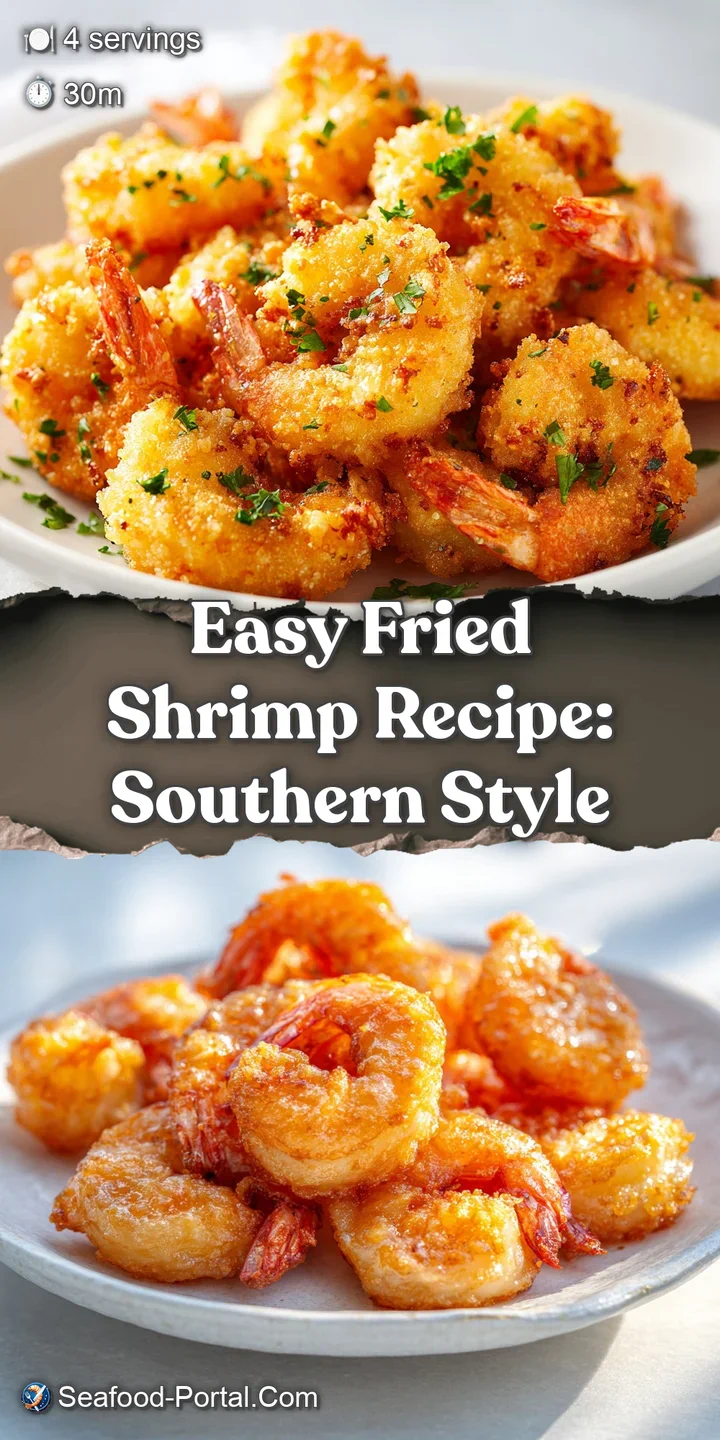
Recipe FAQs
What is the best batter for deep frying shrimp?
A batter utilizing cornstarch and an aerating agent like sparkling water is best. This combination inhibits gluten formation for a brittle crust while the carbonation expands in the oil, creating a light, glass like shatter.
How do you get batter to stick to shrimp?
Pat the shrimp completely dry and follow a three step dredge sequence. Ensure the shrimp are bone dry before dusting them in flour, dipping them in the wet binder, and pressing them firmly back into the dry mix for adhesion.
What's the best way to fry raw shrimp?
Heat neutral oil to precisely 190°C (375°F) and fry in small batches. The high, consistent temperature cooks the batter quickly while sealing moisture inside the shrimp; use a thermometer to monitor heat stability.
Is it better to fry shrimp in flour or cornmeal?
Use a combination, favoring cornstarch over standard flour for crispness. While flour provides structure, cornstarch minimizes gluten development, resulting in a far lighter and snappier crust.
Should I use beer or sparkling water in the batter?
Sparkling water provides cleaner aeration, but cold beer adds flavor depth. If you are looking for a lighter, neutral crust, use soda water; however, beer is a fantastic substitute if you want a slightly maltier background note, similar to the principles used when building flavor in a Shrimp Etouffee recipe.
How long should I cook the shrimp to avoid rubbery texture?
Cook large shrimp for only 2 to 3 minutes until they form a tight C-shape. The moment they curl tightly and the crust is golden brown, they are done; overcooking by even 30 seconds causes protein tightening, resulting in a rubbery bite.
What is the secret to making the crust stay crispy after resting?
The secret is draining the shrimp immediately on a wire rack, not paper towels. Placing fried food on a rack allows steam to escape, preventing moisture from being trapped underneath the coating and making it soggy.
Crispy Fried Shrimp Recipe
Ingredients:
Instructions:
Nutrition Facts:
| Calories | 398 kcal |
|---|---|
| Protein | 28.5 g |
| Fat | 12.4 g |
| Carbs | 41.8 g |
| Fiber | 1.4 g |
| Sugar | 0.6 g |
| Sodium | 745 mg |
