Crispy Fried Sardines Recipe: Smoky-Citrus Crunch
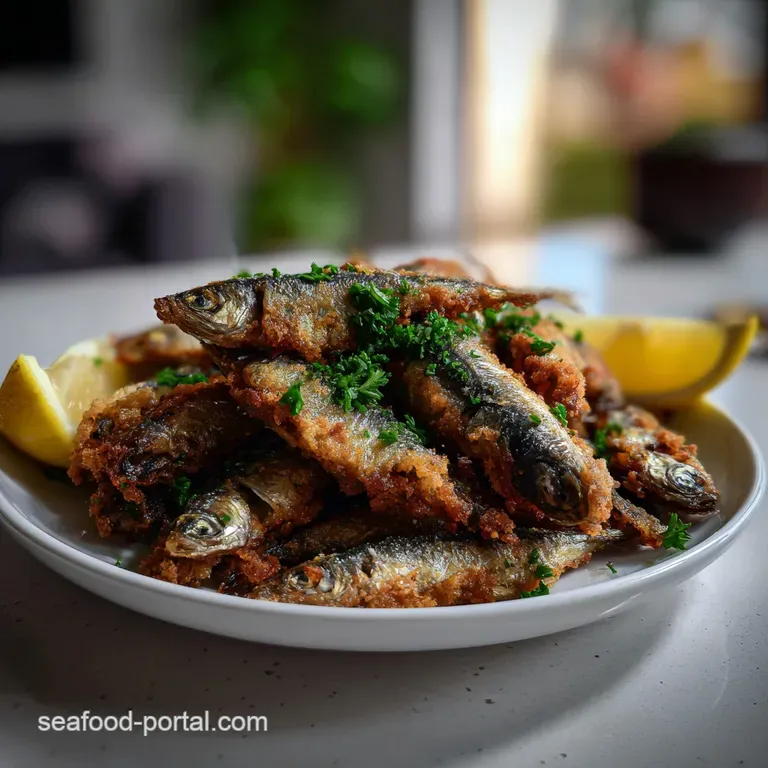
- Effort/Time: 25 minutes total; beginner-friendly technique.
- Flavor Hook: Smoky-citrus crunch with an umami-rich finish.
- Perfect for: Tapas-style gatherings or high-protein, quick-fix lunches.
Masterclass: The Ultimate Crispy Fried Sardines Recipe
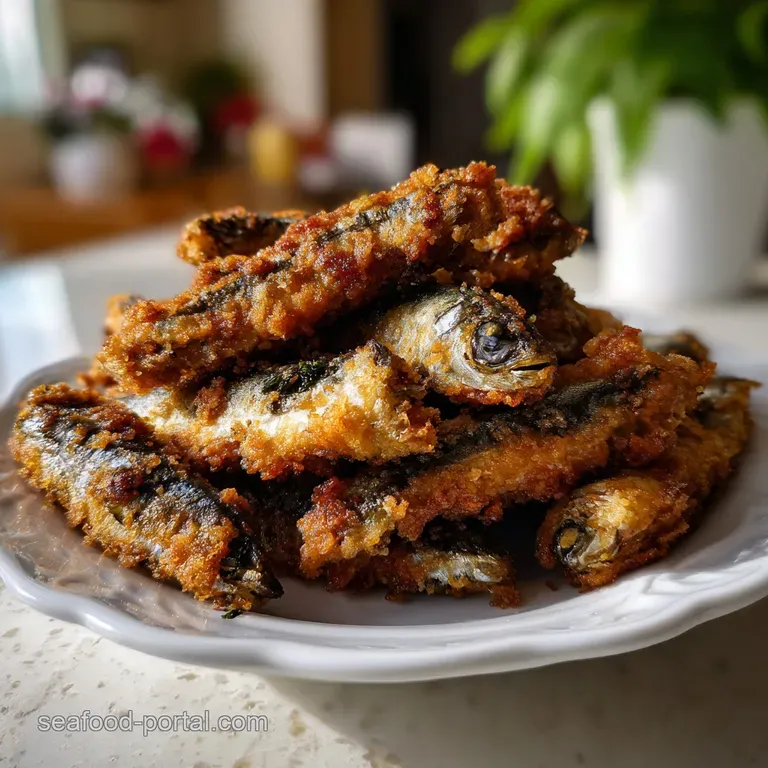
The Secret to Shatter Crisp Seafood
Nothing ruins a Crispy Fried Sardines Recipe faster than a soggy, oil-laden coating that slides off the fish. We’ve all been there staring at a pile of limp, gray sardines that look more steamed than fried.
I remember my first attempt; I didn't dry the fish enough, and the flour turned into a gummy paste that stuck to my Lodge Cast Iron Skillet instead of the skin.
But once you understand the physics of moisture evaporation, everything changes. The goal is to create a micro thin, reinforced barrier that browns instantly while protecting the delicate flesh inside.
By using this Crispy Fried Sardines Recipe, you achieve that addictive "crunch" sound the moment your teeth hit the skin, followed by a velvety, salt kissed center.
Why This Works (Scientific Power Bullets)
This Crispy Fried Sardines Recipe relies on specific physical reactions to ensure the fish remains tender while the coating becomes glass like.
- Evaporative Cooling Control: Rapidly heating the surface moisture in the King Arthur All-Purpose Flour creates a steam barrier, preventing oil from saturating the flesh.
- Protein Denaturation: The intense heat from the neutral frying oil quickly uncoils fish proteins, locking in natural juices before they can leak out.
- Maillard Reaction Synergy: Combining McCormick Smoked Paprika with high heat catalyzes amino acid and sugar reactions, producing complex, savory flavor compounds.
- Starch Gelatinization: Flour starches swell and set into a rigid matrix, providing the structural integrity needed for a long lasting crunch.
The Science Behind the Ingredients
Understanding your components is the first step toward mastering any Crispy Fried Sardines Recipe.
- What They Do
- Provide the structural protein and healthy omega-3 fatty acids.
- The Chemistry
- These small forage fish contain high levels of subcutaneous fat that renders during frying, basting the meat from within.
- Why This Matters
- This internal basting ensures the meat stays "velvety" rather than drying out like leaner white fish.
- What It Does
- Acts as a sacrificial moisture wicking barrier.
- The Chemistry
- Flour starches undergo gelatinization when they hit the 350°F oil, forming a dehydrated crust.
- Why This Matters
- This creates the "shatter" texture that defines a high-quality Fried Sardines Recipe.
- What They Do
- Introduce fat-soluble flavor compounds and heat.
- The Chemistry
- Capsaicin and carotenoids are oil-soluble, meaning they bloom and distribute more effectively in the frying medium.
- Why This Matters
- This ensures every bite of your Crispy Fried Sardines Recipe has a consistent, deep red hue and smoky warmth.
Ingredients & Expert Substitutions
For this Sardines Recipe, the quality of your oil and the freshness of your fish determine 90% of the outcome.
| Original Ingredient | Substitute | Why It Works |
|---|---|---|
| 1 lb Fresh Sardines | Fresh Smelt | Similar size and fat content; creates a comparable "pop-in-your mouth" experience. |
| 1 cup All-Purpose Flour | Cornstarch (3/4 cup) | Higher starch-to-protein ratio results in an even thinner, crispier crust. |
| 2 cups Neutral Oil | Grapeseed Oil | Extremely high smoke point (421°F) ensures no "burnt" off-flavors during frying. |
| 1 tsp Smoked Paprika | Chipotle Powder | Adds a similar smokiness but increases the Scoville heat units significantly. |
Chef's Note: If you prefer an oven ready approach for a different texture, you might want to see How to Bake Breaded Fish Perfectly: Ultra Crispy Results.
step-by-step Instructions for the Crispy Fried Sardines Recipe
Follow these steps precisely to avoid the common pitfalls of a Fried Sardines Recipe.
- Prep the 1 lb fresh sardines.Note: Remove scales and guts thoroughly; any remaining viscera will impart a bitter flavor and ruin the protein denaturation process.
- Dry the fish aggressively.Note: Use paper towels to remove all surface moisture; water is the enemy of the Maillard reaction.
- Whisk the 1 cup all-purpose flour, 1 tsp smoked paprika, 1 tsp garlic powder, 1/2 tsp cayenne, and 1 tsp fine sea salt.Note: Pre-mixing ensures the spices are evenly distributed for consistent flavoring.
- Dredge each sardine in the flour mixture.Note: Shake off excess; a thick coating leads to a "doughy" result rather than a "crispy" one.
- Heat 2 cups neutral frying oil in a Lodge Cast Iron Skillet to 350°F. Note: Use a digital thermometer; oil that is too cool will be absorbed, making the fish greasy.
- Fry the sardines in batches for 2 3 minutes per side. Note: Overcrowding the pan drops the oil temperature too rapidly, halting the searing process.
- Drain on a wire rack immediately.Note: Placing fried foods on paper towels can trap steam, causing the bottom to become soggy.
- Garnish with 1 tsp lemon zest, 2 tbsp fresh parsley, and 1 tsp flaky sea salt.Note: The acidity of the lemon wedges and the zest cuts through the rich fats perfectly.
This technique is very similar to How to Make Fried Cod Fillets: The Crispy Secret, focusing on high heat and minimal handling.
Troubleshooting Common Mistakes
Even a seasoned cook can encounter issues with a Crispy Fried Sardines Recipe. Here is how to fix them.
| Problem | Root Cause | The Fix | Pro Protocol |
|---|---|---|---|
| Coating slides off | Wet fish surface | Pat fish bone dry before dredging | Use a hair dryer on "cool" for 30 seconds for absolute dryness. |
| Greasy texture | Low oil temperature | Wait for oil to hit 350°F | Use a Lodge Cast Iron Skillet for superior heat retention between batches. |
| Bitter aftertaste | Burnt spices | Oil exceeded 400°F | Monitor with a laser thermometer and reduce heat immediately if smoke appears. |
Debunking Common Myths
Myth: Sardines are naturally "too fishy" to be enjoyable. Truth: The "fishy" smell is actually trimethylamine, which develops as fish age. If you use the 1 lb fresh sardines specified in this Crispy Fried Sardines Recipe, they will smell like the ocean, not a bait shop.
Myth: You must use a deep fryer for a Sardine Recipe. Truth: Shallow frying in a heavy skillet is often better. It allows you to monitor the browning more closely and use less oil overall.
Storage and Reheating
Yes, you can store leftovers from this Crispy Fried Sardines Recipe, though they are best fresh.
- Fridge: Store in an airtight container for up to 2 days.
- Freezing: Not recommended once fried; the delicate cell structure of the sardine breaks down, and the crust will become mushy upon thawing.
- Reheating: Never use a microwave. Place the sardines on a baking sheet in a 400°F oven for 5 minutes. This restarts the moisture evaporation in the crust, restoring some of that original sizzle.
For a great pairing, these sardines are incredible when dipped in my Best Garlic Butter Sauce for Pizza: 10 Minute Recipe, which adds a rich, creamy contrast to the spicy crunch.
Final Thoughts on the Crispy Fried Sardines Recipe
Mastering this Crispy Fried Sardines Recipe is a rite of passage for any seafood lover. It’s about more than just food; it’s about the science of heat and the beauty of simple, high-quality ingredients like Diamond Crystal Kosher Salt and fresh lemon.
When you hear that first "crack" of the crust, you'll know you've nailed it.
Whether you're serving these as a snack or a main course, this Fried Sardines Recipe delivers every single time. Just remember: keep the oil hot, keep the fish dry, and don't skimp on the lemon zest.
This Crispy Fried Sardines Recipe is officially your new secret weapon in the kitchen.
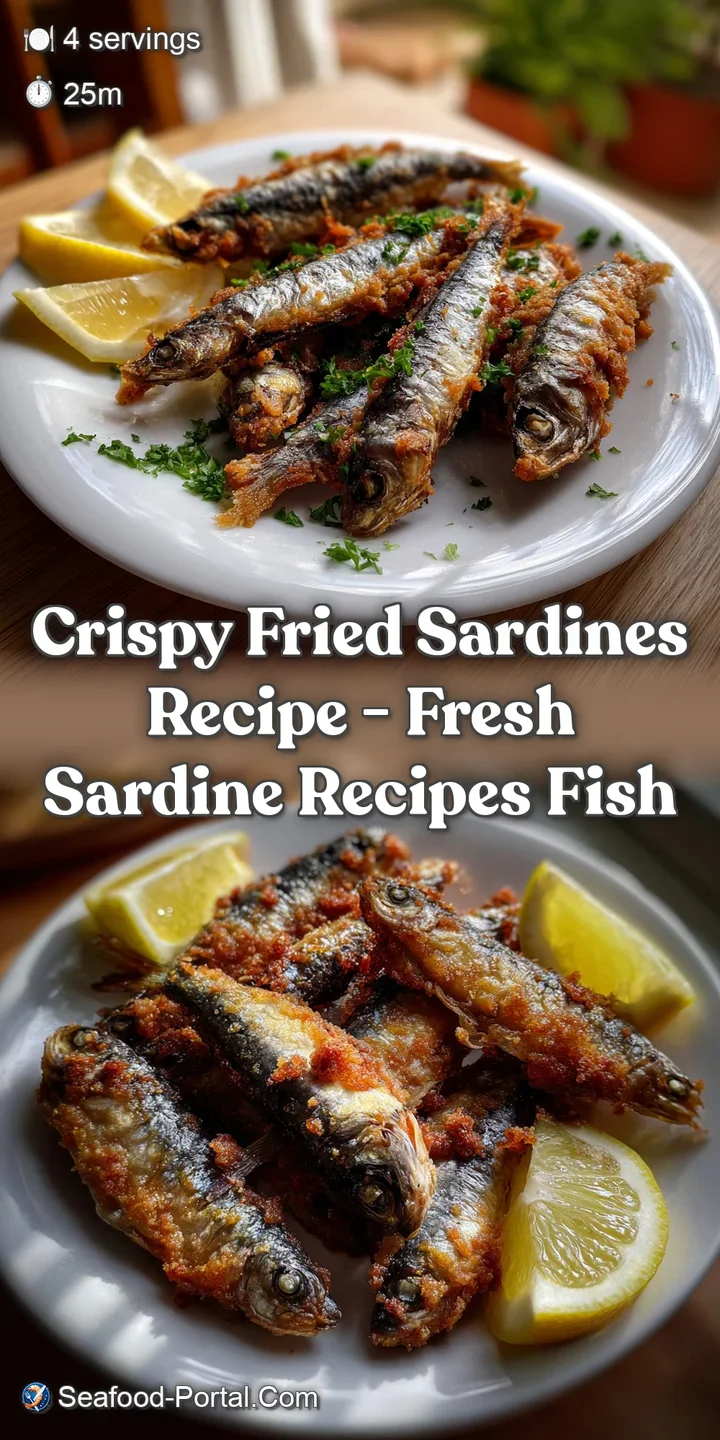
Recipe FAQs
Can I freeze leftover cooked sardines?
No. Texture will degrade significantly upon thawing. Refreezing compromises cellular structure, leading to mushiness rather than crispness.
- Moisture absorption ruins crust
- Best reheated in an oven
- Cooked fish flavor profile changes
Is draining the fish essential before breading?
Yes, thorough drying prevents batter slippage. Excess surface moisture inhibits starch adhesion, resulting in patchy coating that separates during frying.
- Pat fish completely dry
- Use paper towels
- Avoid overcrowding the dredge
Must I use rice flour instead of standard all-purpose?
Rice flour offers superior crispness. Its lower protein content minimizes gluten development, yielding a lighter, shatter prone coating compared to wheat flour's chewier result. This technique is similar to that used in our Crab Imperial Recipe: The Ultimate Chesapeake Classic for textural contrast.
Can I use olive oil instead of a high smoke point alternative?
No. Olive oil smokes too readily at required temperatures. Using olive oil below 375°F results in undercooked fish; exceeding that temperature releases bitter acrolein compounds from the oil.
What temperature guarantees maximum crispness?
Maintain oil temperature precisely at 365°F (185°C). Temperatures below this cause oil saturation (sogginess), while exceeding it leads to burnt exterior before the interior is heated through.
Myth: The sardines must be marinated overnight for flavor.
Myth: The sardines must be marinated overnight for flavor. Reality: Acidic marinades tenderize the delicate flesh too much, compromising structure for frying. A quick citrus toss just before dredging is sufficient for brightness.
Myth: I can substitute cayenne pepper with paprika for heat.
Myth: I can substitute cayenne pepper with paprika for heat. Reality: Paprika (even hot varieties) provides color and mild flavor, but lacks cayenne’s high concentration of capsaicin needed for significant spicy kick. Consider using our Sauce for Crab Cakes: Zesty Tartar moulade Recipe as a cooling counterpoint.
Crispy Fried Sardines Recipe
Ingredients:
Instructions:
Nutrition Facts:
| Calories | 482 calories |
|---|---|
| Protein | 32g |
| Fat | 28g |
| Carbs | 26g |
| Fiber | 2g |
| Sugar | 1g |
| Sodium | 690mg |
