Fried Mahi Mahi: Ultra-Crispy Pan-Fried Fillets with Zesty Panko
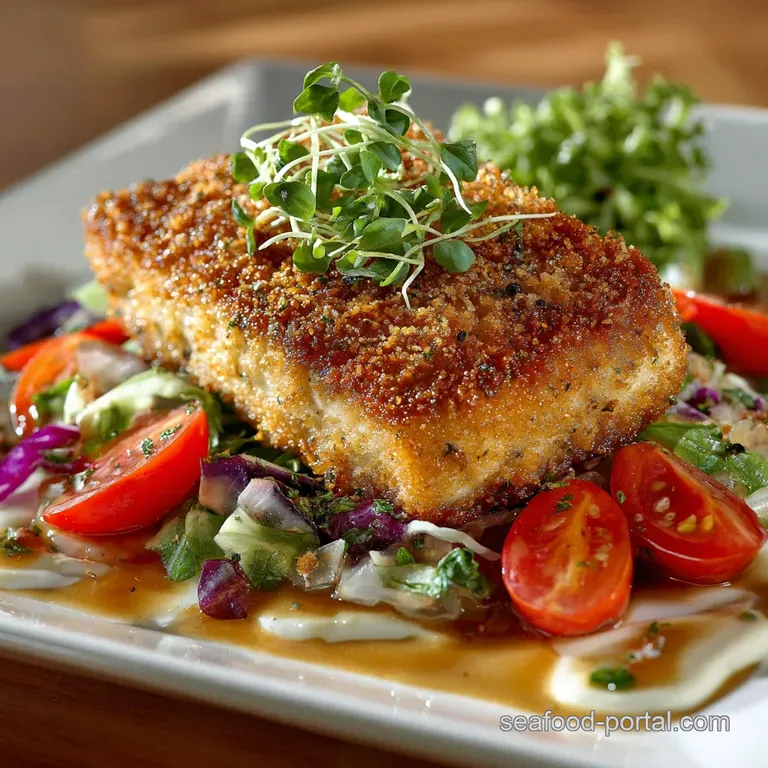
- Mastering Crispy Fried Mahi Mahi: Your Ultimate Weeknight Fish Recipe
- Decoding the Perfect Crust: Why This Fried Mahi Mahi Recipe Works
- Essential Ingredients and Smart Substitutions for the Zesty Crust
- Step-by-Step Instructions for Crispy, Golden-Brown Fried Mahi Mahi
- Troubleshooting and Expert Tips for Frying Mahi Mahi Flawlessly
- Making Ahead and Storing: Managing Leftover Fried Mahi Mahi
- What to Serve With Your Crispy Fried Mahi Mahi
- Recipe FAQs
- 📝 Recipe Card
Mastering Crispy Fried Mahi Mahi: Your Ultimate Weeknight Fish Recipe
You know that sound? That aggressive, joyous crackle when the perfectly breaded fish hits the hot oil? That’s the sound of success, and honestly, that’s what this Fried Mahi Mahi delivers every single time.
It should smell bright and zesty right out of the pan, thanks to the lemon and herbs we sneak into the crust. Forget those sad, flabby, gray fillets; this is about achieving glorious, golden crunch and juicy, flaky fish beneath.
This recipe is my personal weeknight lifesaver, especially when I forget to defrost anything until 6 PM. Mahi Mahi (sometimes called Dorado) is dense enough to hold up beautifully to over high heat frying, meaning you’re guaranteed a beautiful interior and a crisp exterior in under 10 minutes of cook time.
It’s significantly faster than roasting or baking, and way cheaper than takeout.
We are going to ditch the standard, boring breading method that inevitably falls off halfway through the flip. Instead, we are embracing the triple dip technique and using a crucial resting step.
Trust me on this process; it’s the difference between good fish and truly magnificent, restaurant level Fried Mahi Mahi . Let’s crack on.
Decoding the Perfect Crust: Why This Fried Mahi Mahi Recipe Works
Why Mahi Mahi Excels in Pan Frying
Mahi Mahi is an exceptional choice for frying because of its firm texture. Some white fish can easily crumble in the pan, but this one holds its shape like a champ. It has a mild, almost sweet flavour, which means it beautifully absorbs the zesty seasoning we’re layering on the outside.
This isn't delicate flounder; it’s robust and forgiving, which is perfect for home cooks.
The Secret to the Zesty Panko Herb Crust
The magic here is using Panko breadcrumbs, not the standard Italian variety. Panko flakes are bigger, lighter, and jagged, creating massive surface area for that incredible, audible crunch. We also layer in lemon zest and fresh herbs before frying.
This ensures that the flavour permeates the crust right from the start, rather than just sprinkling dried parsley on top at the end.
Essential Equipment Checklist for Frying Success
You don't need a deep fryer for this; a good, heavy bottomed pan is absolutely key. Cast iron is always my first recommendation. Why? It retains heat brilliantly, preventing the temperature from plummeting when you add the cold fish.
You also absolutely need a wire rack set over a baking sheet for resting the cooked fish. Skipping the wire rack is a guarantee of a soggy bottom.
Achieving Maximum Flake: Temperature Control During Frying
Consistency is everything. If your oil is too cold, the fish just sits there, soaking up fat and becoming greasy instead of crisping up. If it's too hot, the crust burns before the center is cooked through.
We aim for medium high heat, around 350°F (175°C), which creates that quick cooking, golden brown barrier while the interior gently steams to tenderness.
The Flavor Layering Technique: Zest, Herbs, and Seasoning
We start by seasoning the fish itself, then we hit the flour dredge with garlic powder and paprika for an earthy base. The final layer the Panko gets the big flavor hitters: fresh parsley, potent lemon zest, and Old Bay.
That seasoning blend is incredible for coastal recipes, offering a salty, slightly spicy kick. This aggressive flavor layering ensures every bite of your Fried Mahi Mahi is vibrant.
Essential Ingredients and Smart Substitutions for the Zesty Crust
Here are the key players in achieving this crispy perfection. Don’t worry if you’re missing something; I’ve got you covered with easy swaps.
| Ingredient | Role | Viable Substitute |
|---|---|---|
| Mahi Mahi Fillets | Firm, flaky protein base. | Cod, Halibut, or thick, firm Tilapia. |
| Panko Breadcrumbs | Maximum crunch and airy texture. | Standard dried breadcrumbs mixed with 1 tsp of semolina flour (for texture lift). |
| Egg Wash (Eggs + Milk) | The "glue" to bind the crust. | Buttermilk or 2 Tbsp milk mixed with 1 tsp white vinegar. |
| Old Bay Seasoning | Essential coastal flavour. | Equal parts paprika, celery salt, mustard powder, and black pepper. |
Selecting and Preparing Quality Mahi Mahi Fillets (Dorado/Dolphinfish)
Look for thick, uniform fillets, about ¾-inch thick, if possible. If you buy frozen, ensure they are fully thawed in the refrigerator overnight. Crucially: Pat those fillets until they are bone dry.
Any remaining surface moisture will instantly steam when it hits the oil, creating a barrier that prevents the crust from adhering properly.
The Role of Panko vs. Standard Breadcrumbs
Panko is mandatory if you want the ultimate crispy texture. Standard breadcrumbs are finer and denser, creating a hard crust that can get heavy or even gummy quickly. Panko is lighter and absorbs less oil, keeping your Fried Mahi Mahi feeling crisp, not greasy.
Building the Binder: Egg Wash Alternatives
The egg wash is the essential middle layer in our triple dip process. It catches the flour and gives the Panko something wet to stick to. If you are out of eggs or want a tangier flavour (like we do for Southern Fried Catfish: The Ultimate Buttermilk Soaked Comfort Classic ), a quick soak in buttermilk or a DIY milk and vinegar mixture works beautifully as a binder.
Herb and Citrus Zest Swaps for Custom Flavor Profiles
Don't like parsley? Use cilantro or finely chopped chives. No lemons? Lime zest is a fantastic swap, especially if you plan on turning this into Fried Mahi Mahi Tacos . Just be sure to use fresh zest; dried zest doesn't release nearly enough aromatic oil.
step-by-step Instructions for Crispy, Golden Brown Fried Mahi Mahi
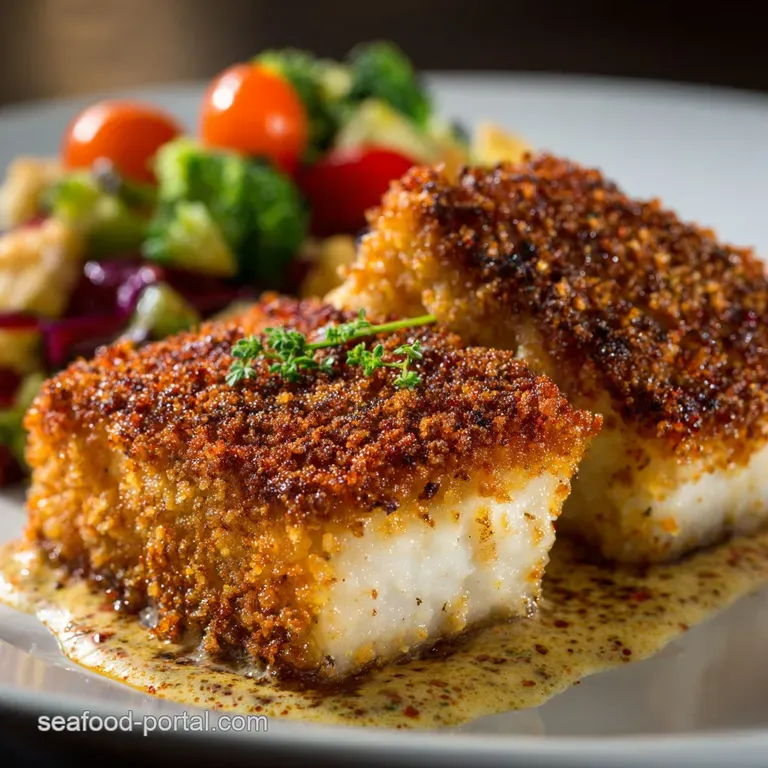
Prepping the Fillets and Setting Up the Breading Station
- Dry and Season: Seriously, pat those four Mahi Mahi fillets aggressively dry. Season both sides with salt and pepper immediately.
- Set Up the Stations: Get three shallow dishes ready. In the first, whisk the flour, garlic powder, and paprika. In the second, whisk the eggs and milk until they are uniform and slightly foamy. In the third, combine Panko, parsley, lemon zest, and Old Bay seasoning.
The Triple Dip Technique for an Even Crust
- Flour Dredge: Take one fillet, dredge it fully in the flour mixture, ensuring every part is covered. Shake off all the excess flour we only want a thin layer.
- Egg Wash: Dip the floured fillet into the egg wash, allowing the liquid to run off slightly.
- Panko Press: Place the fillet into the Panko dish and press firmly with your hands to embed the Panko mixture onto the fish. Flip and repeat, making sure the coating is thick and even.
- Crucial Rest: Place the coated fillets on a plate and refrigerate them for 10 minutes . This is the secret step; it lets the egg wash dry slightly and creates an unshakeable bond, preventing the coating from falling off in the pan.
Optimal Oil Temperature and Frying Duration per Side
- Heat the Oil: Place your skillet over medium high heat and add the oil. The oil is ready (around 350°F / 175°C) when a tiny pinch of Panko sizzles immediately upon contact.
- Fry in Batches: Carefully place 2 fillets into the hot oil using tongs. Do not crowd the pan! Crowding lowers the temperature, leading to oil-logged, less crispy fish.
- Cook the First Side: Fry undisturbed for 4 to 5 minutes until you see a rich, deep golden brown colour creeping up the sides.
- Flip and Finish: Gently flip the fish. If using, toss in the butter now; let it melt and baste the fillets as they cook for another 3 to 4 minutes until fully cooked and flaky.
Resting and Finishing Touches for Serving
Transfer the finished fillets immediately to the wire rack. Do not put them on paper towels! The steam trapped underneath will make the bottom soggy instantly. Give them a quick dusting of salt while they are piping hot to enhance the flavour.
Serve them right away with lemon wedges and your favourite dipping sauce.
Troubleshooting and Expert Tips for Frying Mahi Mahi Flawlessly
Avoiding the Soggy Bottom: Crust Retention Strategies
The two biggest culprits for soggy fish are surface moisture (fixed by aggressive patting) and resting on a flat plate after frying. The wire rack solution is non-negotiable. It allows air to circulate entirely around the crust, maintaining that fresh, glorious crunch.
Chef’s Note: Once, I rushed the breading process and skipped the fridge rest. Every single fillet shed half its crust when I flipped it. It was a disaster. That 10 minute chill is the most underrated step in all of fried fish cookery.
How to Test Oil Temperature Without a Thermometer
Drop a single Panko crumb into the hot oil. If it immediately sizzles vigorously and turns golden within 30 seconds, you are in the perfect frying window (around 350°F). If it takes a long time to bubble or the bubbles are lazy, the oil is too cold.
If it smokes or the crumb immediately blackens, it is way too hot take it off the heat for a minute.
Identifying Internal Doneness: The Flake Test
Mahi Mahi is done when the flesh changes from translucent to opaque white. The easiest test is to gently poke the thickest part of the fillet with a fork; the flesh should separate into beautiful, large flakes with almost no resistance.
For safety, the internal temperature should hit 145°F (63°C), but honestly, the visual flake test is usually enough for thin fillets.
Making Ahead and Storing: Managing Leftover Fried Mahi Mahi
Refrigerator Storage Guidelines for Cooked Fillets
Cooked Fried Mahi Mahi keeps quite well in the refrigerator for 3 to 4 days. Make sure you store it in an airtight container, preferably separated by layers of parchment paper. If you try to stack them without separation, the bottom of the crust will stick to the top of the next fillet.
Best Methods for Reheating to Restore Crispiness
Never, ever microwave fried fish; you will regret the rubbery texture and the terrible aroma. To truly restore that original, satisfying crunch, you must use dry heat. Preheat your air fryer to 375°F (190°C) and cook for 4- 6 minutes, or use a conventional oven at 400°F (200°C) for 8- 10 minutes.
It will taste almost as good as fresh.
What to Serve With Your Crispy Fried Mahi Mahi
This vibrant, zesty fish pairs best with sides that cut through the richness of the frying oil.
Quick Homemade Sauces to Complement the Zesty Crust (Tartar, Aioli)
My favourite is a simple Spicy Aioli. Mix mayonnaise, lime juice, a dash of hot sauce (I love Cholula), and a pinch of salt. It’s tangy, creamy, and spicy all at once. If you prefer a classic, a caper and gherkin heavy Tartar Sauce is perfect for pan-fried fish.
This fish is also excellent sliced up for quick Fried Mahi Mahi Tacos !
We usually serve this with a vibrant coleslaw or some simple oven fries, but if you’re looking for other fast fry inspiration, check out my recipe for Fried Smelt Recipe: Crispy Golden Fish with Zesty Lemon Dip . It uses similar breading concepts but on smaller fish!
Recipe FAQs
Is Mahi Mahi a good choice for frying, and why?
Yes, Mahi Mahi is an excellent choice for frying because it is a lean, firm, and dense fish that holds its shape exceptionally well during the cooking process. This firmness ensures the fillet will not flake apart inside the crispy crust, providing a satisfying texture.
Its mild, slightly sweet flavor also pairs wonderfully with assertive seasonings and breadings.
What is the secret to achieving the crispiest pan-fried crust?
The secret lies in using Panko breadcrumbs, which are lighter and absorb less oil than standard breadcrumbs, and ensuring your oil is at the correct temperature (about 350°F or 175°C) before placing the fish in the pan.
Avoid overcrowding the pan at all costs, as this drops the oil temperature quickly, leading to soggy results instead of a proper crisp.
Can I adapt this recipe for making Mahi Mahi fish tacos?
Absolutely, Mahi Mahi is perfect for tacos. Simply cut the fillets into strips (about 1 inch wide) before proceeding with the breading and frying steps; you will need to reduce the cook time slightly to prevent them from drying out.
Serve immediately inside warm corn tortillas topped with fresh cabbage slaw, avocado, and lime crema.
Why did my fried Mahi Mahi turn out dry or rubbery?
Dryness is almost always caused by overcooking, as Mahi Mahi is a lean fish that retains very little internal moisture. Ensure you cook the fillets only until they reach an internal temperature of 145°F (63°C), which typically requires 3 to 4 minutes per side for a 1 inch thick piece.
Use a meat thermometer for accuracy and slightly reduce cooking time if your fillets are thin.
What type of oil is best suited for pan-frying Mahi Mahi?
You should use a neutral cooking oil with a high smoke point, such as canola, vegetable, peanut, or grapeseed oil. These oils maintain stability at the high temperatures required for frying and prevent the fish from picking up any unwanted flavors that could overpower the delicate taste of the Mahi Mahi.
Should I use skin-on or skin off fillets for this breaded recipe?
For pan-frying with a crispy breading, skin off fillets are generally preferred because the skin can prevent proper adhesion of the breading and uniform crispness. If you choose to keep the skin on, ensure you score the skin heavily and fry the skin side down first to render any fat before flipping to the breaded side for the remainder of the cook time.
What is the best way to store and reheat leftover fried Mahi Mahi?
Store cooled leftovers in an airtight container in the refrigerator for up to 3 days. To restore the crust’s crispness, avoid reheating the fish in the microwave, which causes steaming and sogginess.
Instead, reheat in a preheated oven or air fryer at 350°F (175°C) for 5-7 minutes until thoroughly warmed through.
Crispy Fried Mahi Mahi Recipe
Ingredients:
Instructions:
Nutrition Facts:
| Calories | 400 kcal |
|---|---|
| Fat | 18 g |
| Fiber | 1 g |
