Crispy Fried Grouper: the Golden Coast Recipe for Ultimate Crunch
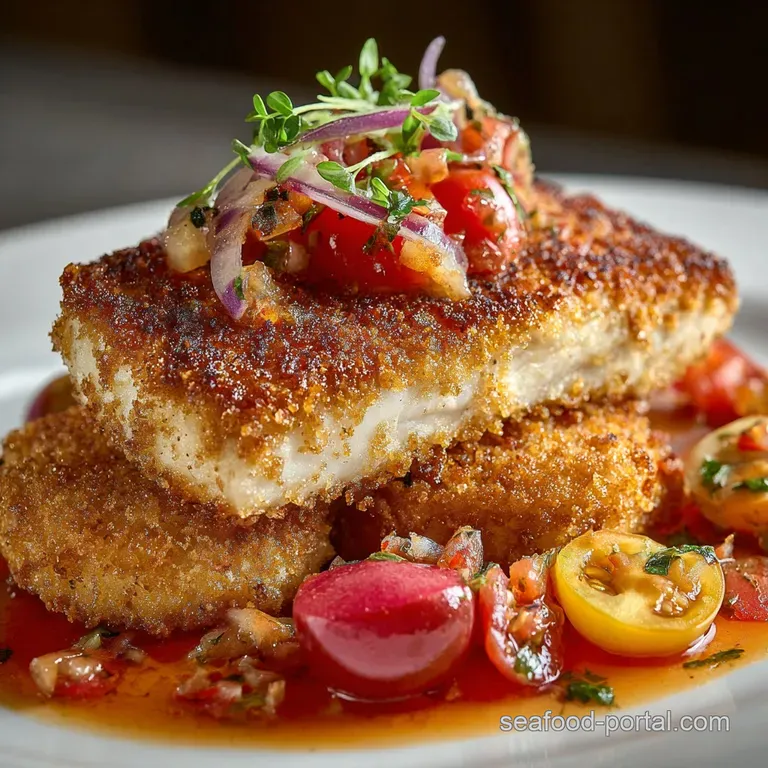
- Golden Coast Crispy Fried Grouper: The Ultimate Crunch
- Engineering the Perfect Crunch: The Science Behind Our Double-Dredge
- Essential Components for the Best Crispy Fried Grouper
- Step-by-Step Guide: How to Fry Grouper Like a Pro
- Troubleshooting Your Fry: Chef's Tips and Common Preparation Mistakes
- Perfect Pairings: What to Serve Alongside Crispy Fried Grouper
- Storing Leftover Grouper and Reheating for Maximum Crispness
- Recipe FAQs
- 📝 Recipe Card
Golden Coast Crispy Fried Grouper: The Ultimate Crunch
That sound! The satisfying shatter when you bite through a perfectly fried crust is pure culinary joy. Then you hit the steamy, flaky, bright white grouper inside. Honestly, there’s nothing better in the world of deep fried fish recipes.
I used to think achieving this level of crispness meant wrestling with giant vats of oil or spending hours in the kitchen, but making excellent crispy fried grouper is fast once you get the setup right. This technique is perfect for a Friday night when you need serious comfort food, fast.
This specific recipe focuses on a southern inspired seasoning blend and a specialized coating. We aren’t aiming for flimsy takeout fish here; we are engineering pure, shatteringly golden crunch. Let’s ditch the guesswork and get this incredible recipe nailed down.
Engineering the Perfect Crunch: The Science Behind Our Double Dredge
Achieving the Shatteringly Crisp Crust
This isn’t just about tossing fish in flour and hoping for the best. The secret to our incredible texture is the double dredge method, applied right after a crucial buttermilk soak. That buttermilk is essential, people.
It slightly tenderizes the fish and, more importantly, gives the dry coating something reliable and sticky to cling to.
What Makes Grouper the Perfect Frying Fish?
Grouper is fantastic because it’s a firm, white fish with thick, hearty fillets. It can stand up beautifully to the high heat of the fryer without falling apart. Unlike some softer options, grouper stays beautifully moist inside, making it one of the best choices for fried fish recipes.
Recipe Overview: Time, Yield, and Difficulty
Expect this to take about 50 minutes total, with most of that dedicated to prep and oil heating time. This deep fried grouper fillet recipe yields four generous servings, and I rate the difficulty as medium. Why medium?
Because managing that oil temperature requires serious focus, but the reward flawlessly crispy fried grouper is absolutely worth it.
The Role of Buttermilk and Hot Sauce in Tenderizing
Buttermilk contains mild acids that begin to break down the surface proteins of the fish, ensuring it remains incredibly tender and flaky. The addition of a teaspoon of hot sauce doesn’t make the grouper spicy (unless you use way more!) but adds incredible depth and complexity of flavor.
Think of it as essential seasoning insurance.
Why We Use Both Cornstarch and Flour in the Breading
This is my biggest non-negotiable tip for maximum crunch. Flour provides the base structure, but plain flour can develop gluten and lead to a softer, slightly chewy crust. Adding fine cornstarch or rice flour inhibits that gluten development.
This mixture results in a lighter, harder, almost rugged coating essential for truly crispy fried grouper .
Maintaining Interior Moisture: Heat Management Strategies
We use high heat (365°F / 185°C) for a reason. This intense heat sets the crust almost instantly, creating a durable shell that seals in the grouper’s natural moisture.
Cooking quickly ensures the crust is perfectly golden right as the internal temperature of the fish hits the perfect 140 145°F (60 63°C range).
Essential Components for the Best Crispy Fried Grouper
Ingredient Swaps and Dietary Modifications
We need high-quality ingredients, but if you're missing something, don't fret. I’ve been there running out of buttermilk mid-prep is a nightmare, so here are my reliable fallbacks.
| Ingredient | Why We Use It | Viable Substitute |
|---|---|---|
| Grouper Fillets | Firm, thick, high-quality white fish. | Cod, Snapper, or thick Haddock. |
| Buttermilk | Acidic tenderizer and coating binder. | Milk + 1 Tbsp Vinegar/Lemon Juice (let sit 5 mins). |
| Cornstarch | Boosts crispness, limits gluten. | Rice flour or potato starch. |
| Peanut Oil | High smoke point, neutral flavor. | Canola, Vegetable, or Grapeseed Oil. |
Sourcing Your Grouper Fillets: Thickness and Cut
Try to buy fillets that are roughly one inch thick and uniform in size. Thinner pieces cook much faster, making it really tricky to manage the batch frying process and avoid overcooking. Cut larger fillets into manageable 4 5 ounce portions before starting the soak.
Crafting the Signature Southern Seasoning Blend
The standard blend is simple, relying heavily on pantry staples: paprika, garlic powder, onion powder, salt, and a kick of cayenne pepper. I highly recommend using smoked paprika; it’s a game changer here, lending that deep, reddish gold hue and incredible complexity to your crispy coating.
Oil Selection: Choosing the Right High Smoke Point Fat
Safety and flavor: you need a neutral oil that can handle 365°F (185°C) without smoking or imparting a heavy flavor. Peanut oil is traditional, giving a clean flavor and great performance. Just make sure you have a deep fry thermometer attached to your pot.
step-by-step Guide: How to Fry Grouper Like a Pro
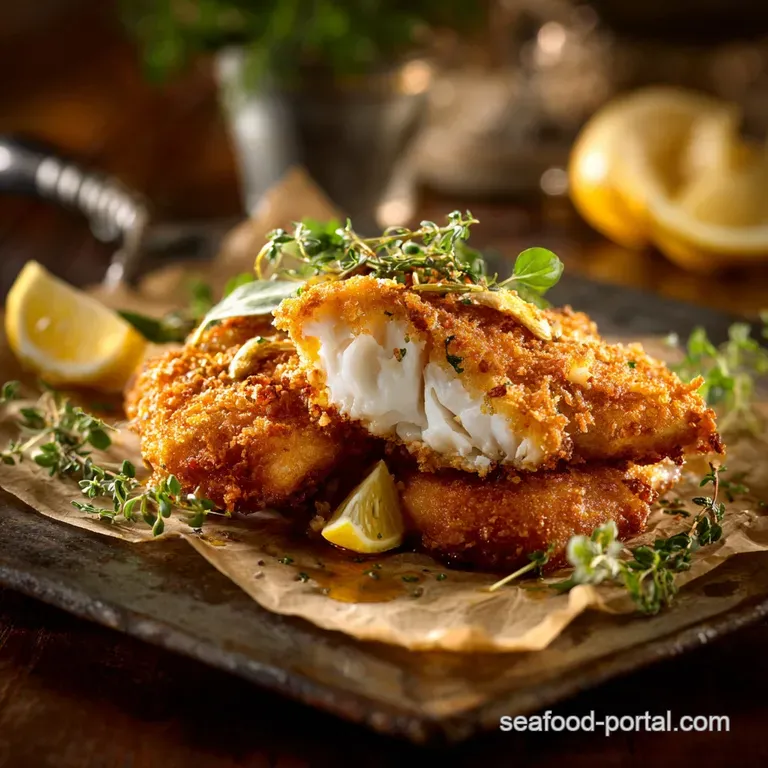
Phase 1: The Initial Buttermilk Soak and Seasoning Marriage
Pat your grouper fillets bone dry first, then season lightly with salt and pepper. Whisk the buttermilk, eggs, and hot sauce together in a wide, shallow bowl. Submerge the fish completely and let it soak while you set up your dry dredge. Ten minutes is generally perfect; you don't need to soak it for hours.
Phase 2: Mastering the Double Dredge Coating Technique
Mix all the dry ingredients (flour, cornstarch, and spices) thoroughly in a separate wide, shallow dish. Dip the fish into the dry mix and press the coating on firmly we are talking serious pressure here to make deep fried grouper nuggets.
Then, quickly dip it back into the buttermilk (just a flash dip!) and immediately back into the dry mix for the final, heavy coat. This crucial second dip step is what guarantees the rugged, ultra crispy crust.
Now, the most important part: put the coated grouper on a wire rack and chill it in the fridge for a solid 15 minutes. Don’t skip the chill!
Chef’s Note: Chilling the coated fish is non-negotiable. It allows the moisture from the buttermilk to hydrate the flour mix, locking the crust onto the fish so it doesn’t shed or "blow out" during the frying process. Trust me on this life changing step.
Phase 3: Achieving the Optimal Frying Temperature
Heat your oil (aim for at least 2 inches deep) to a steady 365°F (185° C) . Use your thermometer! Carefully lower the chilled fish into the hot oil using tongs, placing them away from you to avoid splashing.
If you overcrowd the pot, the temperature will drop instantly, and you’ll end up with heavy, soggy fish. Fry in small batches, always.
Phase 4: Draining and Resting for Maximum Crispness
Fry the deep fried grouper for 4 to 6 minutes total, turning halfway, until they are deep golden brown. When you pull them out, immediately transfer them to a wire rack set over a baking sheet (not paper towels!). Paper towels trap steam underneath, instantly killing the crunch.
While they are still dripping hot, dust them immediately with fine sea salt.
Troubleshooting Your Fry: Chef's Tips and Common Preparation Mistakes
Mistake #1: Overcrowding the Pan (Temperature Drop)
I made this mistake my first time making deep fried grouper nuggets. I thought I was saving time, but I cooled the oil from 365°F down to 300°F instantly. The result? Oily, pale, sad fish. Fix it by frying only 2 to 3 pieces at a time and allowing the oil to recover its temperature between batches. Be patient!
The Importance of Frying Oil Carryover Heat
Remember that the fish continues to cook for a minute or two after you pull it from the oil. This is called carryover heat. If you pull it at exactly 145°F (63°C), it might be slightly overcooked once it rests. Aim to pull the crispy fried grouper when the internal temperature registers 140°F (60°C).
Testing the Doneness of Grouper Without Overcooking
The easiest way is using an instant read thermometer, ensuring the thickest part hits 140°F. If you don't have one, look for the edges of the fish to start flaking easily when pressed gently with a fork. The coating should always be a rich, deep golden color.
Perfect Pairings: What to Serve Alongside Crispy Fried Grouper
This vibrant, flavorful fish deserves equally bright sides. You need something cool and crunchy to cut through the richness of the fried crust.
Classic Southern Sides and Slaws
Forget the heavy mayonnaise based slaws. A vinegar based coleslaw with lots of crunch is absolutely perfect here. You could also serve it alongside some great hushpuppies or maybe even a quick pickle.
If you are looking for another awesome Southern fish recipe, check out my guide on PanFried Catfish: The Ultimate Crispy Cornmeal Recipe .
Recommended Sauces: Tartar, Rémoulade, or Simple Citrus Zest
A great tartar sauce is mandatory, ideally homemade with finely diced pickles and capers. If you want a bit more heat, a classic Louisiana style rémoulade is the way to go. Otherwise, just a simple wedge of fresh lemon provides the perfect acidic zing against the rich crust.
Beverage Pairings: The Perfect Drink to Cut Through the Richness
This meal screams for a crisp, cold beer. Think light lagers or pilsners; their bubbles help cleanse the palate between bites. If you are going the wine route, a high acid, dry white wine like Sauvignon Blanc or a sharp, cold Rosé will balance the fat beautifully.
Storing Leftover Grouper and Reheating for Maximum Crispness
But does fried fish save well? Not always, but we can make it work if done correctly.
Fridge Shelf Life and Freezing Instructions
Leftover deep fried grouper should be stored in an airtight container and is good in the fridge for up to 3 days. Freezing cooked fish isn't ideal, as the texture can suffer significantly upon thawing. If you must freeze, wrap individual cooled fillets tightly in foil, then place them in a freezer bag.
Reheating for Maximum Crispness
NEVER MICROWAVE FRIED FISH. That’s a cardinal sin that turns the crust into rubber. The only way to restore that satisfying crunch is with dry, high heat. Pop the leftover crispy fried grouper on a wire rack over a baking sheet.
Heat in a preheated oven or, better yet, an air fryer at 375°F (190°C) for 6– 8 minutes until piping hot. This method reactivates the crust and makes it almost as good as fresh.
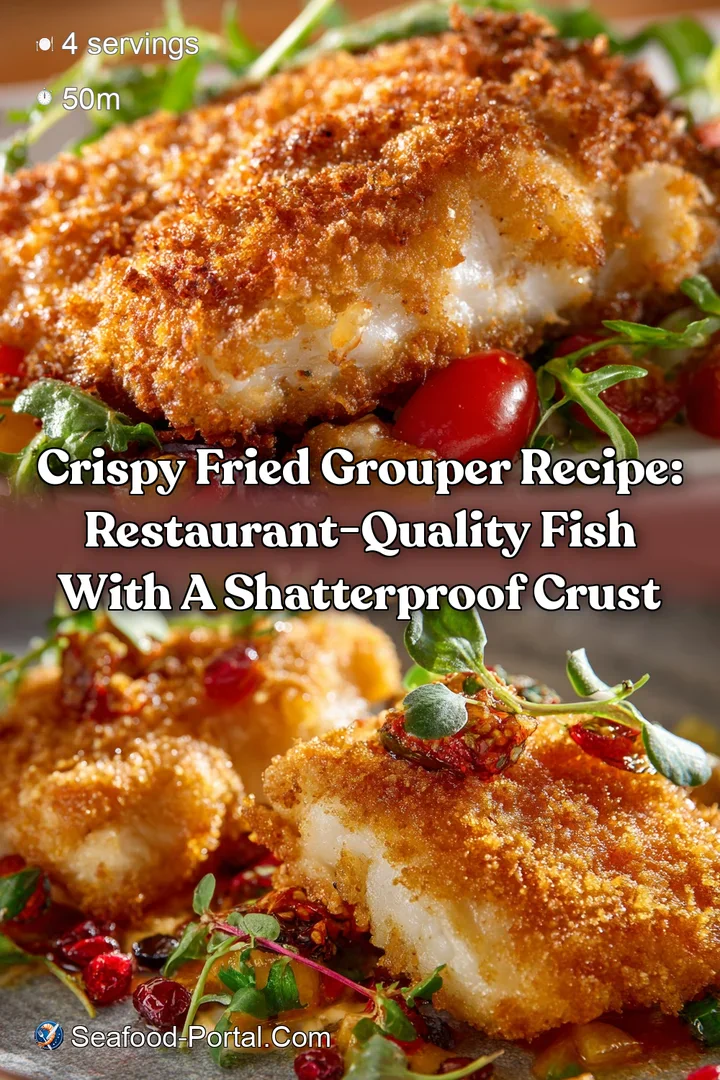
Recipe FAQs
Why is my crispy crust turning out soggy or soft?
A soggy crust is typically a temperature issue, meaning your oil was too cool when the fish was added. Ensure the frying oil maintains a steady 350°F to 375°F (175°C to 190°C) throughout the process.
If the temperature drops too low, the coating absorbs grease instead of crisping instantly, resulting in an oily, heavy crust.
My fish is perfectly crisp but dry inside. What went wrong?
Dry fish results from overcooking, which often occurs if the oil temperature is too low, forcing extended cook times to achieve browning. For optimal results, use fillets no thicker than one inch and verify the internal temperature reaches 145°F (63°C) promptly after removing from the oil.
Ensure the fish sits at room temperature for 15 minutes prior to cooking to promote even cooking.
Can I use a different type of fish besides Grouper for this recipe?
Absolutely; you can substitute Grouper with any firm, mild white fish like Snapper, Cod, or Haddock. Avoid overly delicate or high fat fish, as they may break down during the double dredging process or yield a greasy result. Always adjust the cooking time based on the exact thickness of the fillet you choose.
How do I ensure the coating doesn't separate or fall off during frying?
The key to coating adhesion is the final resting period after dredging. After the last flour layer, allow the fillets to sit undisturbed on a wire rack for 5 to 10 minutes before frying. This allows the liquid in the batter to hydrate the starch, effectively cementing the crust firmly to the fish.
How should I store leftover fried grouper, and can I freeze it?
Store leftovers in an airtight container in the refrigerator for up to three days, but avoid freezing, as the crust texture will be permanently compromised upon thawing. To restore the legendary crispness, reheat the fish in a 375°F (190°C) oven or air fryer for about 8 to 10 minutes.
Never use a microwave for reheating fried foods.
Can I bake or air-fry this recipe instead of using deep oil?
Yes, you can adapt this recipe for baking or air-frying, although the final texture will differ from deep frying. For the best non-fried results, lightly spray the dredged fillets generously with high heat oil and cook at 400°F (200°C) for 12 to 15 minutes.
This method yields a satisfactory crunch but lacks the golden color and rich saturation of traditional frying.
Is it necessary to brine or salt the fish before coating it?
Salting the fish 15 to 30 minutes before dredging is highly recommended for both flavor penetration and moisture control. The salt draws excess moisture from the surface of the fish, creating a dry exterior that ensures maximum adherence of the initial coating.
This step guarantees the flavor goes deeper than just the outer crust.
Crispy Fried Grouper Double Dredge
Ingredients:
Instructions:
Nutrition Facts:
| Calories | 300 kcal |
|---|---|
| Protein | 33.0 g |
| Fat | 3.0 g |
| Carbs | 34.0 g |
