Deep Fried Shrimp: the Ultimate Crispy Panko Crusted Prawns
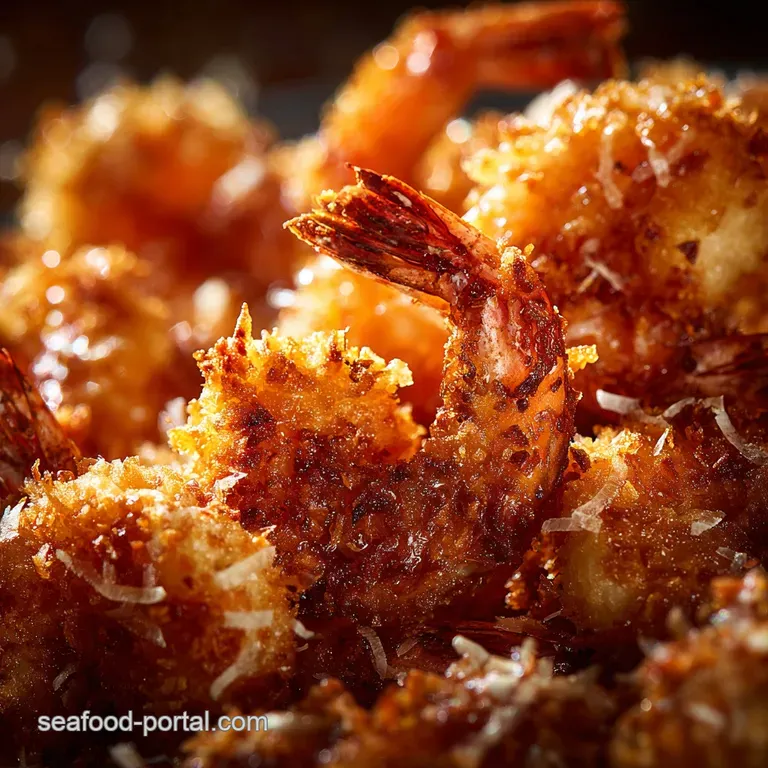
- Achieving the Ultimate Crunch: Mastering Deep Fried Shrimp
- Premium Ingredients and Essential Preparation for Deep-Fried Shrimp
- Step-by-Step Method: Frying Your Crispy Panko Prawns
- The Science of the Shatter: Why This Coating Stays Crispy
- Expert Frying Secrets and Troubleshooting Mistakes
- Essential Dipping Sauces and Deep Fried Shrimp Pairings
- Storing Leftovers and Prepping Ahead
- Recipe FAQs
- 📝 Recipe Card
Achieving the Ultimate Crunch: Mastering Deep Fried Shrimp
That specific sound the moment your teeth pierce a perfectly crispy, golden brown crust, followed immediately by the sweet burst of perfectly cooked shrimp is absolutely divine.
It’s savory, it’s textural, and honestly, the aroma that fills your kitchen while these babies are frying is pure, unadulterated comfort food magic. Trust me, once you nail this recipe, those frozen store-bought alternatives will seem like a joke.
Deep frying gets a bad rap for being difficult or messy, but this triple dredge panko method is shockingly easy once you get your oil temperature stabilized. This entire deep fried shrimp dish takes less than an hour from start to finish, making it a spectacular weeknight lifesaver or the guaranteed winner at your next small gathering.
Forget the fancy fuss, we are aiming for simple perfection here.
I’ve made every blunder possible in my kitchen, from soggy coatings that slid right off to shrimp that tasted like old motor oil. Don’t worry; I’m sharing all my hard won secrets so you can skip the failures.
Let's crack on and get this shatteringly crispy deep fried shrimp recipe into your rotation today.
What Makes Panko the Supreme Crumb Coating?
Panko is the secret weapon here, and it’s non-negotiable if you want that truly impressive shatter. Unlike traditional breadcrumbs, Panko is made from crustless white bread that’s processed into large, light, flaky splinters, not dense powder.
This airy structure is why the coating puffs up beautifully and absorbs less oil than regular crumbs.
The texture means Panko creates a rugged, sharp exterior that locks moisture into the shrimp while providing a superior crunch. It’s what gives Japanese katsu that famous texture, and frankly, it works even better for deep fried shrimp.
We are aiming for light, airy, and sharp, not heavy and doughy.
Is This Recipe Difficult? Setting Expectations for Medium Difficulty
I rate this deep fried shrimp recipe as medium difficulty, and here is why: the prep is kindergarten level, but the frying requires focus. You are setting up three separate dredging stations flour, egg, and Panko which is a little messy, but totally manageable.
The tricky part is mastering the oil temperature; too low and your coating gets greasy, too high and you burn the beautiful Panko before the shrimp cooks through. A digital thermometer is your absolute best friend here.
Essential Equipment Checklist for Frying Success
You don't need a fancy deep fryer to make amazing crispy fried shrimp. A heavy bottomed pot and a reliable thermometer are truly all you need.
- Heavy bottomed pot or Dutch oven (for even heat distribution).
- Deep fry thermometer (set to 350°F / 175°C).
- Three wide, shallow dishes (for the dredging system).
- Wire Rack and Baking Sheet (Crucial!): This is for draining; it keeps air circulating and prevents the bottom of the crust from getting steamed and soggy.
- Tongs or spider skimmer for safely maneuvering the hot shrimp.
Premium Ingredients and Essential Preparation for Deep Fried Shrimp
Selecting the Best Prawns: Size, Type, and Freshness
Always use high-quality shrimp for deep frying. I prefer large, uncooked shrimp (sometimes labelled 16/20 count) because they are easy to handle and the meat stays tender even after a quick dip in the hot oil. Look for peeled and deveined shrimp, but always try to keep the tail shell attached .
The tail acts as a perfect little handle for dredging and dipping, plus it looks super fancy!
Chef's Note: If you are using previously frozen shrimp (which is totally fine!), make sure they are fully thawed overnight in the fridge and then dried aggressively before you start the preparation process.
Choosing the Right Oil for over High heat Deep Frying
You need an oil that can handle the heat without smoking or breaking down. That means high smoke point oils only, please. I almost always use standard vegetable or canola oil because it’s neutral and cheap, but peanut oil is fantastic if allergies aren't an issue, offering a slightly cleaner taste.
| Oil Type | Smoke Point | Best For |
|---|---|---|
| Canola/Vegetable | High (400°F+) | Neutral flavour, affordable |
| Peanut Oil | Very High (450°F+) | Cleaner, slightly nutty flavour |
Preparing the Triple Threat Dredging Stations (Flour, Egg, Panko)
The dredging station is the assembly line for crispiness. Get all three dishes ready before you touch the shrimp. In Dish 1, the flour gets salt and pepper; this initial seasoning is critical. In Dish 2, beat the eggs with a tiny splash of water this helps thin it just enough for better coverage.
Dish 3 is purely Panko.
Quick Swaps: gluten-free Panko and Egg Alternatives
I always try to make my deep fried shrimp recipe accessible for everyone. Luckily, substitutions for this recipe are simple and effective.
- No Panko? While I insist Panko is best, you can use regular breadcrumbs, but be warned, the coating will be denser.
- gluten-free Flour: Substitute the all-purpose flour with rice flour or a certified gluten-free blend. Rice flour yields a wonderfully light, crisp coating.
- No Eggs? If you need an egg substitute, try using milk mixed with a teaspoon of vinegar (like a mini buttermilk), or use a cornstarch slurry (1 part cornstarch, 2 parts water) to bind the flour to the crumbs.
step-by-step Method: Frying Your Crispy Panko Prawns
Cleaning and Deveining the Prawns (Preparation Mastery)
I know it sounds basic, but seriously, pat those prawns until they are desert dry. Moisture on the shrimp causes the batter to steam and prevents it from sticking correctly that’s how you get those tragic, bald spots on your fried food. Once dry, place them on a tray and sprinkle lightly with salt.
The Exact Dredging Sequence (Ensuring Maximum Adhesion)
This sequence is mandatory. It ensures maximum adhesion and a truly thick crust.
- Flour: Toss the shrimp in seasoned flour until fully coated, shaking off the excess. This provides the dry surface for the egg to grab onto.
- Egg: Dip the floured shrimp into the egg wash, ensuring full coverage.
- Panko: Press the shrimp firmly into the Panko. Use your hands to really embed those crumbs onto the surface.
Crucial Step: Place the coated shrimp on a wire rack and chill for 15– 20 minutes . Don't skip this. This quick twenty minute nap in the fridge is essential, setting the coating so it locks onto the prawn during the violent oil bath.
If you’re interested in other incredible batter techniques, you should check out my [Fried Shrimp Batter Recipe: Ultimate Light and Crispy Beer Batter]!
Deep Frying Time Chart: How Long to Cook Shrimp Perfectly
Your target temperature is 350°F (175° C) .
- Large (16/20 count) Shrimp: 2 to 3 minutes, total.
- Medium (21/25 count) Shrimp: 1.5 to 2 minutes, total.
Cook until the coating is deeply golden brown and the shrimp is opaque, forming a tight ‘C’ shape. If the shrimp forms an 'O' shape, you’ve overcooked it!
Draining and Seasoning Immediately Post Fry
As soon as they come out of the oil, transfer the deep fried shrimp immediately to your wire rack. Do not use paper towels! Paper towels trap steam and turn the underside soggy almost instantly. While they are still dripping hot, shower them with a little extra fine sea salt.
This is when the seasoning sticks best, ensuring maximum flavour.
The Science of the Shatter: Why This Coating Stays Crispy
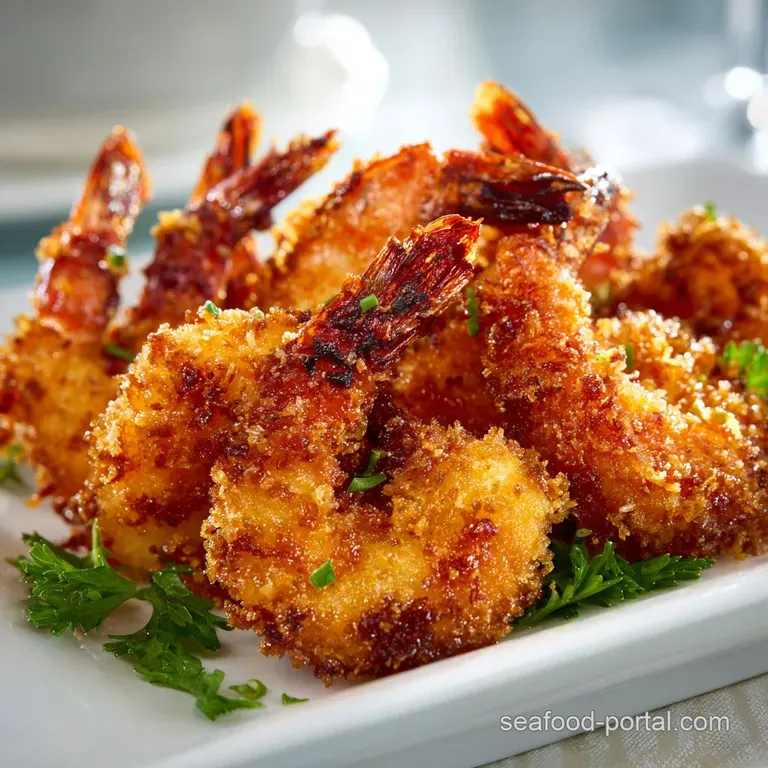
This recipe succeeds because of the low moisture content in the Panko and the double layer barrier we create. The flour creates a glue with the egg, and the chilling step dehydrates the exterior slightly, creating a rigid structure.
When that rigid structure hits 350°F oil, the internal moisture in the shrimp rapidly turns to steam and tries to escape, inflating the coating slightly. This brief, violent cooking process is what makes the final crust so brittle and shatteringly crisp.
Expert Frying Secrets and Troubleshooting Mistakes
Temperature Control: Finding the Ideal Frying Zone
The absolute most common mistake I see is guessing the oil temperature. If the oil is below 325°F (160°C), the Panko will soak it up like a sponge, resulting in greasy, heavy shrimp. If the oil is above 375°F (190°C), the coating burns before the shrimp cooks.
Keep that thermometer pegged between 345°F and 355° F.
Why We Butterfly the Prawns (Maximizing Surface Area)
While optional, butterflying or making a small incision along the belly of the shrimp allows it to curl up beautifully, giving you more surface area for that delicious Panko crust. It also ensures the thicker part of the shrimp cooks quickly and evenly.
Preventing Soggy Shrimp: Do Not Crowd the Pot!
This is where I failed countless times when I first started deep frying. Dumping too many cold shrimp into the pot will instantly plummet your oil temperature, causing the fatal issue of soggy, oil-logged coatings. Work in batches of 4 or 5 maximum.
Wait about 90 seconds between batches for the oil to fully recover its temperature.
How to Tell if Your Oil Temperature is Perfect (The Chopstick Trick)
Don't have a thermometer? (Seriously, get one, but okay.) Place the tip of a wooden chopstick or the handle of a wooden spoon into the hot oil. If a rapid stream of small bubbles forms around the wood, you're ready (around 350° F). If it bubbles slowly, it's too cool.
If it bubbles aggressively and violently, it’s too hot.
Essential Dipping Sauces and Deep Fried Shrimp Pairings
Homemade Tartare and Remoulade Recipes
Deep fried shrimp demands a rich, creamy sauce that offers an acidic punch to cut through the richness of the frying oil.
- Quick Tartare: Mix good quality mayo with finely chopped capers, pickles/gherkins, fresh dill, and a squeeze of lemon juice.
- Spicy Remoulade: Take the tartare base and add a dash of hot sauce (like Crystal or Frank's), a teaspoon of paprika, and a pinch of cayenne.
Crisp Sides to Cut Through the Richness (Slaws and Salads)
You need brightness and crunch to balance this dish. I love serving my fried shrimp alongside a classic lemon vinaigrette slaw or a fresh green salad. You want something clean and vibrant.
If you’re turning this into a main meal, pairing it with something equally delicious but less crunchy, like [Cajun Shrimp Pasta: The Best Creamy One-Pan Dinner in 35 Mins], works brilliantly for textural contrast.
Storing Leftovers and Prepping Ahead
Deep fried shrimp are always best eaten immediately, but if you have leftovers, they can be stored.
- Fridge: Store cooked, cooled shrimp in an airtight container for up to 3 days.
- Freezing: Freezing fried foods is tricky; they tend to lose texture. If you must freeze, place the coated, uncooked shrimp on a baking sheet until frozen solid, then transfer to a freezer bag for up to 2 months. Cook from frozen, adding a minute or two to the cook time.
Reheating (The Crunchy Comeback)
Never, ever microwave deep fried shrimp; you will generate a sad, rubbery tragedy. The goal is to rapidly re-crisp the coating.
- Oven Method: Preheat your oven to 400°F (200°C). Place shrimp on a wire rack set over a baking sheet and bake for 6– 8 minutes until hot and the coating is restored.
- Air Fryer Method: This is the best method! Air fry at 375°F (190°C) for 3– 5 minutes until piping hot and fully crisp. This gets you closest to the original texture without the deep fry mess.
Recipe FAQs
What is the ideal oil temperature for deep frying Panko shrimp?
The ideal temperature for frying is 350°F (175°C). Maintaining this consistent heat ensures the panko instantly crisps up without burning before the shrimp overcooks. Use a reliable deep fry thermometer to monitor the oil, as fluctuations can lead to greasy or dark breading.
Why are my fried shrimp turning out soggy or greasy?
Soggy shrimp usually indicates the oil temperature was too low, often below 325°F (160°C). Lower temperatures allow the breading to absorb excess oil before it sets into a crisp shell.
Always allow the oil to fully recover its temperature between batches, as overcrowding the pot will cause an instant temperature drop.
Can I substitute regular breadcrumbs for Panko in this recipe?
While regular breadcrumbs will adhere to the shrimp and cook, they will not provide the same delicate, airy crunch as Panko. Panko crumbs are made without crusts and are designed to be lighter and flatter, absorbing less oil and yielding a superior, shatteringly crisp texture.
For the best result, stick to genuine Panko.
How do I know when the deep fried shrimp are fully cooked?
Shrimp cook very quickly, usually within 2 to 3 minutes at the recommended oil temperature. They are done when the coating is a deep golden brown and the interior flesh has turned opaque white throughout. Avoid cooking longer than necessary, as overcooked shrimp will develop a tough, rubbery texture.
Can I bread the shrimp ahead of time to save prep time?
Yes, you can prepare and bread the shrimp up to 4 hours in advance, but they must be stored uncovered in the refrigerator. If stored covered or left too long, the natural moisture from the shrimp will leach into the Panko, causing the coating to become wet and preventing ultimate crispness when fried.
What is the best way to reheat leftover deep fried shrimp?
To retain the crisp texture, avoid using a microwave, which will steam the breading and make it chewy. The best method is reheating them in a preheated oven or an air fryer at 350°F (175°C). Spread them on a rack and bake for about 5-7 minutes until they are thoroughly hot and the coating is crispy again.
Can I freeze the shrimp after breading them?
Absolutely, freezing breaded shrimp is a great make-ahead technique. Arrange the breaded shrimp on a baking sheet and freeze until completely solid, then transfer them to an airtight freezer bag for up to 2 months. They can be fried directly from frozen, but increase the cook time by 1 or 2 minutes.
Crispy Deep Fried Shrimp Recipe
Ingredients:
Instructions:
Nutrition Facts:
| Calories | 350 kcal |
|---|---|
| Fat | 20 g |
| Fiber | 1 g |
