Deep Fried Catfish: the Chippy-Style Golden Fillet
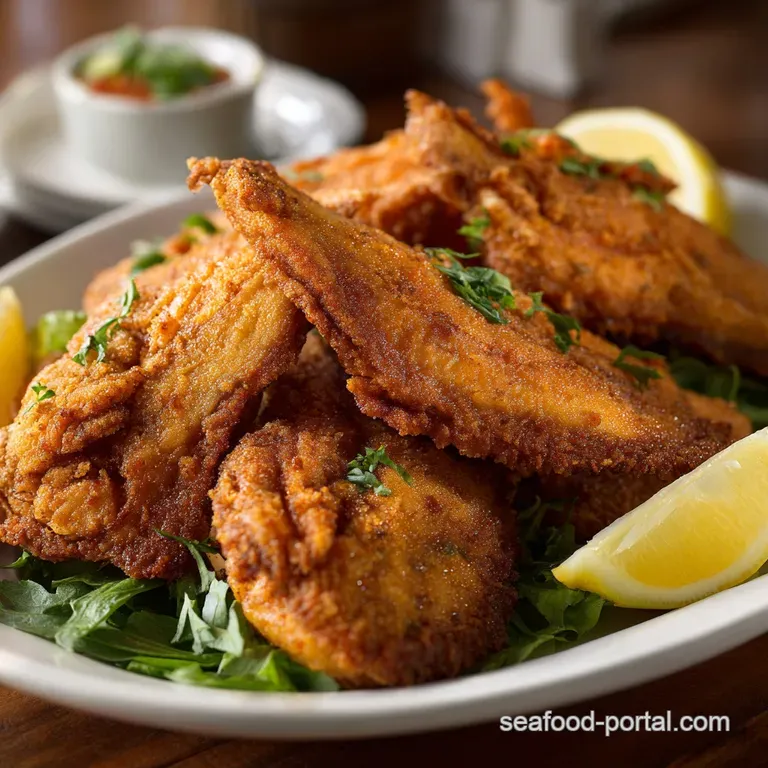
- The Definitive Guide to Proper Deep Fried Catfish
- Mastering Texture and Flavor: The Science of the Perfect Fry
- Essential Building Blocks for Classic Fried Catfish
- The Method: How to Make Deep Fried Catfish from Start to Finish
- Troubleshooting Your Deep Fried Catfish: Expert Advice
- Extending the Life of Leftover Catfish Fillets
- Perfect Accompaniments for Deep Fried Catfish
- Recipe FAQs
- 📝 Recipe Card
The Definitive Guide to Proper Deep Fried Catfish
You know that sound? That glorious crackle when you bite into a perfect piece of fried fish? That’s what we’re chasing today, friends. Deep fried catfish, done right, should be golden, impossibly crispy on the outside, and flaky, tender perfection inside.
Seriously, the aroma alone makes the neighbours jealous.
Forget complicated batters and endless prep work. This deep fried catfish recipe is a true weeknight lifesaver, assuming you have 30 minutes to soak the fish. It’s cheap, incredibly satisfying, and feels like a massive treat every time.
If you’ve struggled with oily or greasy fish before, don't worry, I used to make that mistake constantly.
Getting that ideal crunchy crust means mastering a couple of critical steps, mostly involving buttermilk and, crucially, oil temperature. Trust me, these tiny tweaks will completely transform your fried fish game. Let’s get you that legendary Southern crunch.
Mastering Texture and Flavor: The Science of the Perfect Fry
The magic here truly lies in the details. You are building flavor layers and structural integrity it’s simple food science at its best. If you follow this process, you will avoid the mushy coating and the undercooked interior.
Why Buttermilk is the Secret to Tender Fillets
Buttermilk is non-negotiable for tender, juicy fried catfish. The mild acidity naturally tenderizes the muscle fibers of the fish, making them incredibly flaky after cooking. Even better, that slightly viscous coating it leaves behind acts like superglue for our dry dredge.
A Note on Sourcing: Farm Raised vs. Wild Caught Catfish
Most catfish available today is farm raised, which is generally reliable and mild tasting. Wild caught can sometimes carry a stronger, slightly "muddy" taste, especially if harvested improperly. If you find wild caught, embrace it, but know that farm raised is perfectly fine for this deep fried catfish recipe.
Achieving the "Chippy Style" Golden Crunch
Our crunch comes from the marriage of flour and cornmeal. We aren't making a thick, puffy beer batter here. We want that tight, golden, chip shop style crust that shatters when you bite it. This recipe guarantees that shatter.
The Role of Cornmeal-to-Flour Ratio in Coating Adhesion
We use a 2:1 ratio of cornmeal to flour. Why? Cornmeal delivers that essential gritty texture and beautiful gold color, but too much cornmeal makes the coating brittle and prone to falling off. Flour provides the necessary gluten structure for everything to hold together beautifully once hit with heat.
Temperature Control: Ensuring Crispy Coating Without Overcooking
This is the most critical step. If your oil is too cool (below 325°F), the catfish will simply absorb the oil, resulting in a soggy, greasy mess. If it's too hot (above 375°F), the coating burns before the interior is cooked through.
We must target 350°F (175° C) and keep it there.
Eliminating the "Muddy" Taste Through Pre-Soak Methods
If you are worried about that earthy, slightly muddy taste sometimes associated with catfish, the buttermilk soak handles it perfectly. The acidity gently neutralizes those compounds, ensuring you get pure, clean fish flavor every time.
I learned this trick the hard way after one very earthy attempt years ago.
Essential Building Blocks for Classic Fried Catfish
Before we dip and fry, let’s talk about quality ingredients. Starting with the right cut and the right oil sets you up for success.
Choosing the Right Catfish Cut and Thickness
I prefer using fillets cut into 2 3 inch strips or "nuggets." They cook much faster and more evenly than whole, thick fillets. Quick cooking time means less oil absorption. Win-win, right?
The Ultimate Seasoning Blend: Salt, Pepper, and Spice
Our dry dredge needs serious flavor; don't rely just on the marinade. The combination of smoked paprika, onion powder, and garlic powder creates a deeply savory base. The cayenne gives it just enough warmth without making it overtly spicy, unless you choose to dial it up. For a true firecracker kick, definitely check out my guide to Cajun Fried Catfish: The Ultimate Crispy Louisiana Batter Recipe .
Marinade Deep Dive: Buttermilk Alternatives (If Allergy Applies)
Buttermilk is king, but life happens. If you have an allergy or just plain forgot to buy it, you have options.
| If you don't have... | Use... |
|---|---|
| Buttermilk | Whole milk mixed with 1 tbsp of white vinegar or lemon juice. Let stand for 5 minutes to curdle. |
| Catfish | Tilapia or Cod fillets. (A great option if you prefer a milder fish). |
| Cornmeal | Panko breadcrumbs (less traditional, but ultra crunchy). |
Selecting the Ideal Oil for High Temperature Frying
You need a neutral oil with a high smoke point. Peanut oil is fantastic for flavor and heat tolerance. Canola or vegetable oil also work beautifully and are generally cheaper options.
The Method: How to Make Deep Fried Catfish from Start to Finish
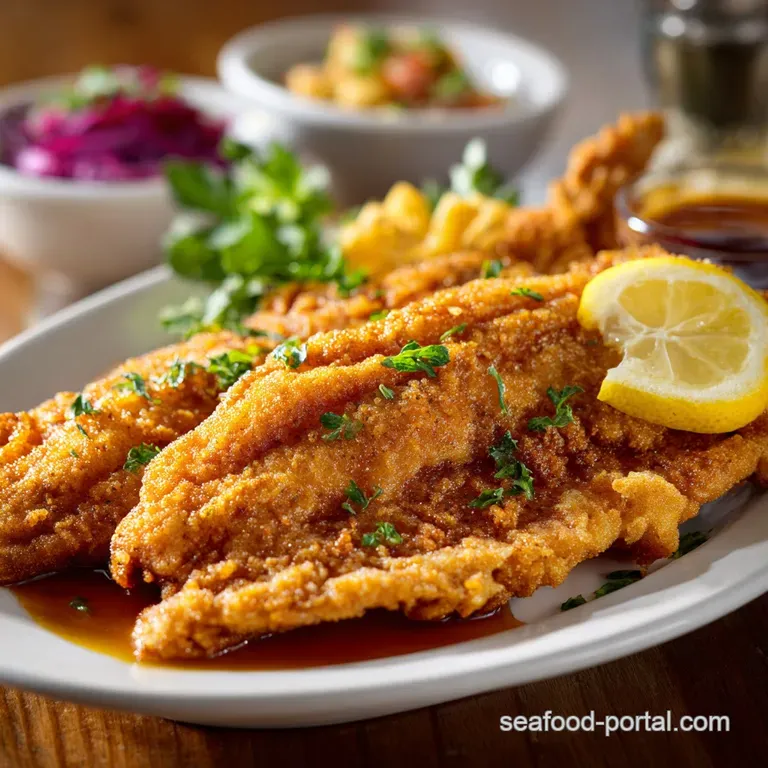
This is where we put theory into practice. Follow these steps meticulously, especially the resting time!
Phase 1: Preparing and Marinating the Fillets (Minimum 30 Minutes)
- Dry and Slice: Pat your catfish fillets bone dry with paper towels, then slice them into even 2 3 inch pieces. Even sizing is key for even cooking.
- Mix Marinade: Whisk the buttermilk, hot sauce, salt, and pepper in a medium bowl. The hot sauce adds subtle background complexity.
- Soak: Drop the fish into the marinade, ensuring every piece is covered. Cover the bowl and refrigerate for at least 30 minutes, or up to two hours for maximum tenderness.
Phase 2: Building the Triple Layer Cornmeal Dredge
- Whisk Dry Mix: In a wide, shallow dish, whisk together the cornmeal, flour, and all of the dry seasonings until fully uniform.
- Dredge Thoroughly: Remove the fish from the buttermilk, letting the excess liquid drip off, but do not wipe them dry. This residual moisture is essential.
- Press and Coat: Press each piece firmly into the cornmeal mix, flipping and ensuring a thick, even coating. Shake off the excess.
- The Critical Rest: Place all the coated fish onto a wire rack set over a sheet pan. Let them rest uncovered for 10– 15 minutes at room temperature. This is vital —the rest allows the moisture to seep into the coating, bonding it securely to the fish so it doesn't flake off in the fryer.
Phase 3: Heating the Oil Safely to 375°F (190°C)
- Setup: Pour at least 2 inches of neutral oil into your heavy pot or Dutch oven. Attach a deep fry thermometer to the side.
- Heat Slowly: Bring the oil up to 350°F (175° C) . Do this gradually. If you overshoot, turn the heat off for a minute until it dips back down.
Chef's Note: Never add wet ingredients to oil that is actively heating unless you know the exact temperature. Use the thermometer, always!
Phase 4: Frying in Batches for Maximum Crispness
- Fry Sparingly: Carefully lower 3 4 pieces of catfish into the hot oil using tongs. The oil temperature will drop a bit immediately.
- Maintain Heat: Monitor your thermometer constantly, adjusting the heat to keep it hovering between 340°F and 355°F.
- Cook Time: Fry for 4– 6 minutes total, turning the pieces halfway through, until they are deep golden brown and floating on the surface.
- Drain and Season: Use a spider strainer to lift the fish out and immediately place it on a clean wire rack (not paper towels!) to drain excess oil. Sprinkle with a pinch of flaky salt right away.
- Reheat and Repeat: Wait a minute for the oil to return to 350°F before dropping in the next batch. Serve piping hot!
Troubleshooting Your Deep Fried Catfish: Expert Advice
Don't panic if your first batch isn't perfect. Frying is a skill. These common fixes will get you sorted fast.
Preventing Oil Temperature Drop Between Batches
When you drop cold fish into hot oil, the temperature inevitably dips. This is why batch frying is mandatory. After removing a batch, always allow the oil to recover to the target 350°F before adding the next round. If the temp stays low, your fish gets oily and heavy.
Identifying Undercooked or Oily Coating Issues
If your coating is dark brown but the inside is rubbery, your oil was too hot. If your coating is light, floppy, and soaked in oil, your temperature was too low, or you didn't allow the oil to recover between batches. Use that thermometer! If you want a zero oil alternative, sometimes baking is the way to go; I detail how in my Baked Catfish Nuggets UltraCrispy Oven Recipe .
Maximizing Dredge Adhesion (The Wet Hand/Dry Hand Method)
You must ensure the coating stays put. Use one hand (the "wet hand") only for transferring the fish from the buttermilk to the dry mix. Use the other hand (the "dry hand") only for pressing the coating onto the fish. Also, remember that 15 minute rest period. That truly solves 90% of coating failures.
Extending the Life of Leftover Catfish Fillets
Deep fried catfish is best enjoyed immediately that’s just a fact of life. But does it store well? With a few smart techniques, you bet it does.
Proper Cooling and Short Term Refrigeration
Allow the catfish to cool completely on a wire rack before refrigerating. Placing hot fish straight into a container traps steam and turns the crust instantly soggy. Store cooled, fried catfish in an airtight container lined with a paper towel in the fridge for up to 3 days.
Best Practices for Freezing Cooked Fried Fish
You can freeze cooked catfish. Wrap cooled pieces tightly in foil, then place them in a heavy duty freezer bag. They maintain quality for about 2 months. Thaw overnight in the refrigerator before reheating.
Reviving the Crunch: The Best Way to Reheat Catfish
Do NOT use the microwave unless you enjoy mush. The only way to revive the crispness is high, dry heat. Place the catfish on a wire rack on a baking sheet and bake at 400°F (200° C) for 8– 12 minutes, until piping hot throughout.
The wire rack ensures air circulates around the crust, bringing back that golden crunch.
Perfect Accompaniments for Deep Fried Catfish
Fried fish requires bright, fresh flavors to cut through the richness of the oil.
Serve your beautiful deep fried catfish fillets with a classic, sharp tartar sauce or plenty of lemon wedges. I highly recommend pairing this with creamy coleslaw and maybe a bowl of proper Shrimp and Sausage Gumbo: The Authentic Deep South Classic Recipe for a complete Southern feast. Bob's your uncle!

Recipe FAQs
What is the ideal oil temperature for deep frying catfish?
The ideal temperature range for frying catfish is between 350°F and 375°F (175°C 190°C). Maintaining this temperature is crucial as it ensures the fish cooks quickly and develops a crispy, golden brown crust without becoming overly greasy.
Why is my crust falling off the fish while it's frying?
This common issue usually occurs if the fish was not completely patted dry before the buttermilk soak, preventing the coating from properly adhering. To ensure a resilient crust, let the dredged fillets rest on a wire rack for 10 minutes before dropping them into the hot oil; this allows the cornmeal mixture to "set."
Can I use plain milk instead of buttermilk for the soak?
While plain milk can be used, buttermilk is strongly recommended because its mild acidity helps tenderize the fish and binds the breading more effectively. If you cannot find buttermilk, you can create a substitute by mixing one tablespoon of white vinegar or lemon juice into one cup of plain milk and letting it rest for five minutes.
I don't like cornmeal. What alternative coatings work well?
For a lighter crust, you can substitute the cornmeal entirely with all-purpose flour, making sure it is heavily seasoned with salt, pepper, and paprika. If you desire an extra crunchy texture, mix panko breadcrumbs into the flour dredge for a Japanese inspired, flakey coating.
Why does my fried catfish taste oily or greasy?
Greasy fish is a clear sign that the oil temperature was too low when the fish was added, allowing the crust to absorb the fat instead of forming an immediate seal. Always use a thermometer to verify the oil is at least 350°F (175°C) and avoid overcrowding the fryer, which rapidly drops the temperature.
How should I store and reheat leftover deep fried catfish?
Leftovers should be stored in an airtight container in the refrigerator for up to 3 days. To maintain the crispy texture when reheating, avoid the microwave; instead, use an air fryer or place the fish on a rack in a 350°F (175°C) conventional oven until warmed through.
Is there any way to reduce the "muddy" taste sometimes found in catfish?
The buttermilk soak is highly effective in neutralizing strong, earthy flavors often associated with catfish, as the acid pulls out impurities. Additionally, ensure you use high-quality, farm raised fillets, as these typically have a much cleaner flavor profile compared to wild caught fish.
Crispy Deep Fried Catfish Fillets
Ingredients:
Instructions:
Nutrition Facts:
| Calories | 515 calories |
|---|---|
| Fat | 33 grams |
| Fiber | 2 grams |
