Easy Fried Oyster Recipe with Crispy Cornmeal Coating
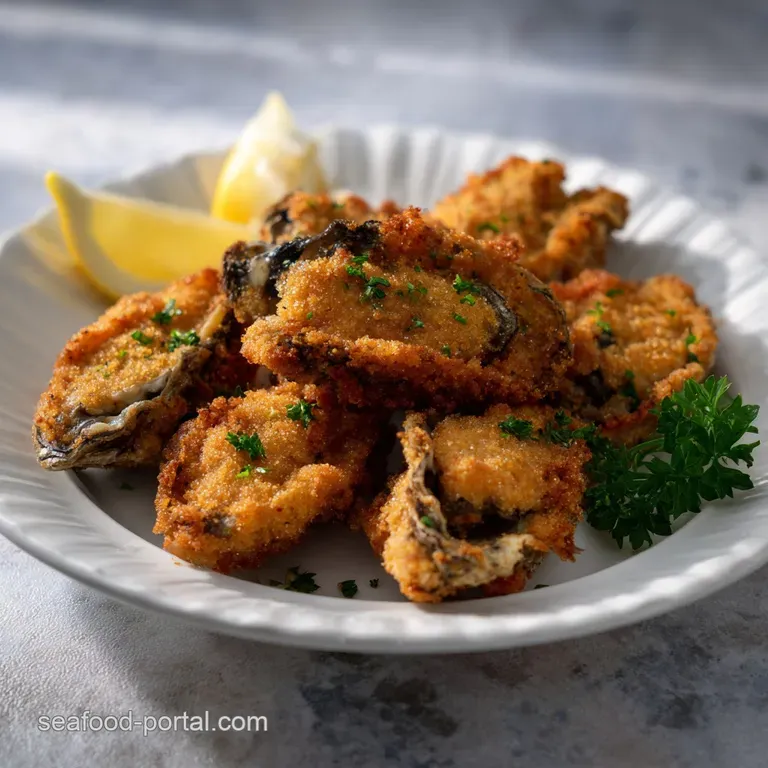
- Time: Active 10 minutes, Passive 6 minutes, Total 16 minutes
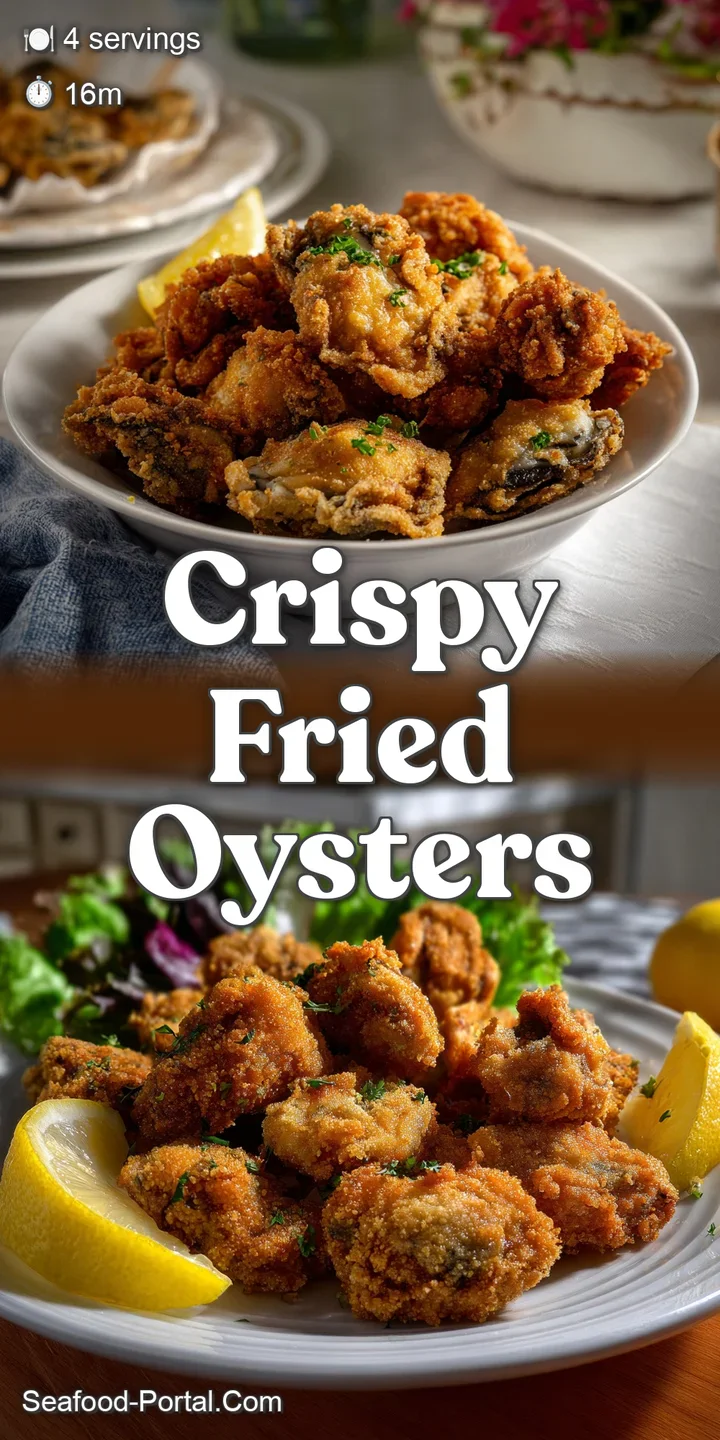
- Flavor/Texture Hook: Shatteringly crisp exterior with a velvety, briny center
- Perfect for: budget-friendly seafood nights or a quick, impressive appetizer
- Perfect Easy Fried Oyster Recipe with Crispy Cornmeal Coating
- Chemistry Behind the Crunch
- Component Deep Dive
- Choosing the Best Ingredients
- Must Have Frying Equipment
- Clear Step-by-Step Guide
- Pro Tips and Fixes
- Flavor Twists and Swaps
- Storage and Leftover Ideas
- Best Sides and Pairings
- Recipe FAQs
- 📝 Recipe Card
Perfect Easy Fried Oyster Recipe with Crispy Cornmeal Coating
The first time I tried frying oysters at home, I was terrified of turning them into rubbery little erasers. We’ve all been there, right? You stand over a bubbling pot of oil, hoping for that perfect golden hue, only to end up with a soggy mess or something that tastes like a salt lick.
But once I figured out the magic of the cornmeal to flour ratio, everything changed. Today's star is a fantastic Easy Fried Oyster Recipe with Crispy Cornmeal Coating!
This dish is about the contrast between the hot, crackling crust and the cool, silky interior of a fresh oyster. It’s one of those meals that feels incredibly fancy like something you’d order at a high end coastal bistro but it actually costs a fraction of the price when you make it in your own kitchen.
We are talking about using simple pantry staples like yellow cornmeal and all purpose flour to transform a humble pint of oysters into a feast.
Don't let the idea of frying intimidate you. We’re going to keep things simple, messy in the best way possible, and focused on flavor. Whether you’re a seafood fanatic or just someone looking for a quick win for dinner, this method is going to be your new best friend.
Let’s get that oil heating and talk about why this actually works.
Chemistry Behind the Crunch
Frying is essentially a high speed dehydration process. When we drop that oyster into the hot oil, the moisture on the surface of the breading evaporates instantly, creating that characteristic sizzle and forming a protective barrier.
- Maillard Reaction: The protein in the oysters and the carbohydrates in the flour react under high heat to create hundreds of flavor compounds and a deep brown color.
- Starch Gelatinization: The cornmeal and flour absorb a tiny amount of moisture from the buttermilk, creating a structural matrix that hardens into a crisp shell.
- Protein Denaturation: The gentle heat quickly firms up the oyster's proteins without squeezing out all the moisture, keeping the center velvety rather than chewy.
Component Deep Dive
Understanding your ingredients helps you control the final texture. This isn't just about throwing things in a bowl; it's about how these elements play together to create a durable, flavorful coating that won't slide off the second you take a bite.
| Ingredient | Science Role | Pro Secret |
|---|---|---|
| Yellow Cornmeal | Provides structural rigidity and grit. | Use a fine grind for better adhesion and a more "shattering" texture. |
| Whole Buttermilk | Lactic acid tenderizes and provides a sticky base. | Shake the carton well to ensure the fats are emulsified before measuring. |
| All Purpose Flour | Fills the gaps between cornmeal grains. | Whisk it thoroughly with the cornmeal to prevent "naked" spots on the oyster. |
| Neutral Oil | Heat transfer medium. | Use an oil with a high smoke point like peanut or canola to avoid bitter flavors. |
Choosing the Best Ingredients
When you're working with seafood, the quality of your raw materials is everything. I always tell my friends to look for the "shucked date" on the pint. The fresher the better, but don't worry this Fried Oyster Recipe with Crispy Cornmeal Coating is very forgiving even if your oysters are a day or two old.
- 1 pint (16 oz) Fresh Shucked Oysters: Look for oysters packed in their own liquor. Why this? Freshness ensures a sweet, briny flavor without any "fishy" aftertaste.
- 1/2 cup Whole Buttermilk: I prefer Marburger Farm or a similar local brand. Why this? The thickness helps the cornmeal stick much better than regular milk.
- 1 tsp Tabasco Hot Sauce: This provides a subtle vinegary kick. Why this? It cuts through the richness of the fried coating perfectly.
- 1/2 cup Yellow Cornmeal: Bob's Red Mill is a solid choice for a consistent grind. Why this? It offers the classic Southern crunch that flour alone can't replicate.
- 1/2 cup All Purpose Flour: Good old King Arthur works perfectly here. Why this? It acts as the "glue" that binds the cornmeal to the oyster.
- 1 tsp Smoked Paprika: Look for a Spanish variety for the best aroma. Why this? It adds a beautiful golden red tint and a hint of woodsmoke flavor.
- 1 tsp Kosher Salt: Diamond Crystal is my go to for its flaky texture. Why this? It dissolves better and seasons more evenly than table salt.
- 1/2 tsp Black Pepper: Always freshly cracked. Why this? Pre ground pepper loses its volatile oils and spicy punch too quickly.
- 1/4 tsp Cayenne Pepper: Just enough for a back of-the throat tingle. Why this? It wakes up the palate without making the dish "spicy" per se.
| Original Ingredient | Substitute | Why It Works |
|---|---|---|
| Whole Buttermilk | Plain Yogurt + Water | Similar acidity and thickness. Note: Slightly tangier flavor profile. |
| Yellow Cornmeal | Ground Polenta | Similar grit and flavor. Note: Results in a much crunchier, thicker crust. |
| Smoked Paprika | Chili Powder | Adds color and a different spice note. Note: Will be less smoky and more earthy. |
Must Have Frying Equipment
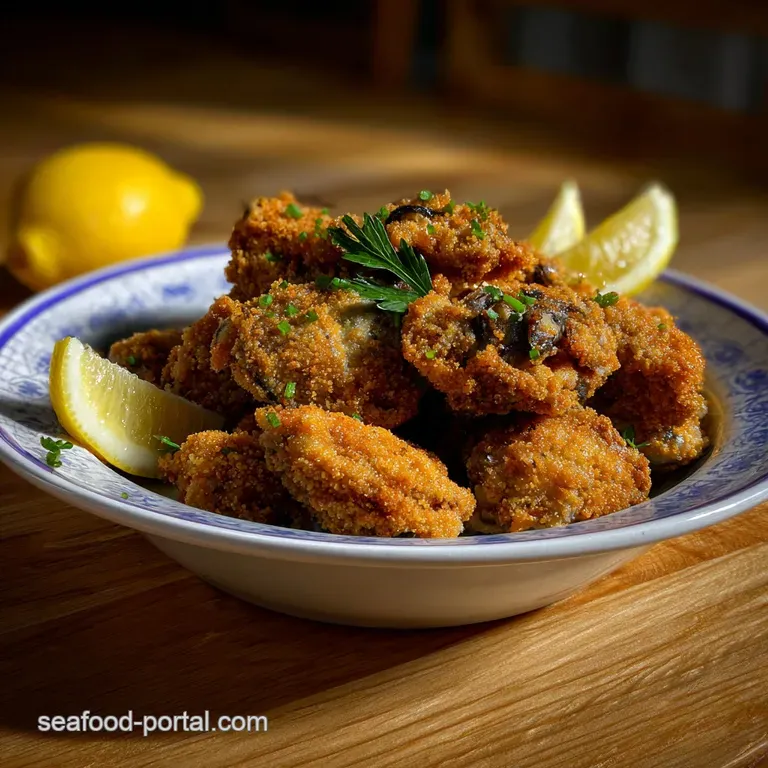
You don't need a professional deep fryer to make an amazing Oyster Recipe with Crispy Cornmeal Coating. In fact, I prefer using a heavy bottomed skillet because it gives me better control over the oysters and uses less oil, making cleanup a breeze.
- Lodge Cast Iron Skillet: This is my favorite for frying because it holds heat like a champ. When you drop cold oysters into the oil, the temperature won't plummet as drastically as it would in a thin stainless steel pan.
- Digital Instant Read Thermometer: I use a Thermapen, but any reliable digital probe will do. Frying is a game of degrees; 190°C is your target.
- Stainless Steel Spider or Slotted Spoon: You need something that lets the oil drain back into the pan while you lift the oysters out.
- Wire Cooling Rack: Placing the fried oysters directly onto a rack instead of paper towels prevents steam from getting trapped under the coating, which is the number one cause of sogginess.
Clear step-by-step Guide
Right then, let's crack on. The key to a successful Easy Fried Oyster Recipe with Crispy Cornmeal Coating is organization. Get your "dredging station" set up before you even turn on the stove. Trust me, you don't want to be fumbling with flour while your oil starts smoking.
- Drain the oysters. Pour the 1 pint of oysters into a fine mesh strainer over the sink. Note: This removes excess liquor so the buttermilk doesn't get too watered down.
- Prepare the liquid soak. In a medium bowl, whisk together 1/2 cup buttermilk and 1 tsp hot sauce.
- Marinate briefly. Submerge the drained oysters in the buttermilk mixture. Let them hang out for about 5 minutes while you prep the dry mix.
- Whisk the dry coating. In a shallow dish or pie plate, combine 1/2 cup cornmeal, 1/2 cup flour, 1 tsp smoked paprika, 1 tsp salt, 1/2 tsp pepper, and 1/4 tsp cayenne.
- Heat the oil. Pour 2 cups of neutral oil into your Lodge skillet. Heat over medium high until it reaches 190°C.
- Dredge the oysters. Using one hand for "wet" and one for "dry," lift an oyster from the buttermilk, let the excess drip off, and toss it into the cornmeal mix.
- Press the coating. Firmly press the cornmeal mixture onto the oyster. Note: This ensures the breading sticks and creates those craggy, crispy bits.
- Fry in batches. Carefully lower the oysters into the hot oil. Cook for 2-3 minutes per side until deep golden and crackling.
- Drain and rest. Use your spider to move the oysters to a wire rack. Let them rest for 2 minutes before serving.
Chef's Tip: If you want an even thicker crust, try the "double dredge." After step 7, dip the oyster back into the buttermilk and then into the cornmeal one more time. It's a bit heavier, but the crunch is astronomical!
Pro Tips and Fixes
Even the best of us run into trouble sometimes. Frying can be temperamental, especially with delicate seafood. But most problems have a very simple root cause that we can fix on the fly.
Coating Sliding Off
There's nothing more frustrating than a naked oyster. This usually happens if the oyster was too wet when it hit the dry mix, or if the oil wasn't hot enough. When the oil is cool, it soaks into the breading instead of searing it, causing the "glue" to fail. This is similar to the technique used in this Crunchy and Classic recipe where temperature control is king.
Tough or Rubbery Centers
If your oysters feel like a bouncy ball, you've overcooked them. Oysters only need about 90 seconds to 2 minutes per side. They should be just firm to the touch but still have a bit of "give." Remember carryover cooking; they will continue to firm up for a minute after they leave the oil.
| Problem | Cause | Fix | Pro Tip |
|---|---|---|---|
| Soggy Crust | Crowded Pan | Fry in smaller batches. | Leave at least 2cm between each oyster in the pan. |
| Burnt Coating | Oil Too Hot | Lower heat and add a splash of fresh oil. | Always use a thermometer; don't guess by the "smoke." |
| Bland Flavor | Lack of Salt | Season immediately after frying. | Salt sticks best to the residual oil right out of the pan. |
Fresh vs. Shortcut Table
| Feature | Fresh Shucked (Pint) | Frozen/Thawed Oysters |
|---|---|---|
| Texture | Firm, plump, and juicy. | Can be slightly softer or "mushy." |
| Flavor | Strong ocean brine. | Milder, sometimes slightly metallic. |
| Prep Time | 2 minutes to drain. | 24 hours to thaw properly. |
Flavor Twists and Swaps
Once you've mastered this Easy Fried Oyster Recipe with Crispy Cornmeal Coating, you can start playing with the flavors. I love a good classic, but sometimes the mood strikes for something a bit different. If you want something lighter, try this PanSeared Tilapia with recipe for a different seafood vibe.
- The Lemon Herb Version: Add 1 tablespoon of dried parsley and the zest of one lemon to your cornmeal mixture. It brightens the whole dish.
- The Nashville Hot Version: Double the cayenne in the breading and whisk a tablespoon of the hot frying oil with extra cayenne and brown sugar to drizzle over the finished oysters.
- gluten-free Swap: Replace the 1/2 cup of all purpose flour with a 1:1 gluten-free flour blend or even almond flour. The cornmeal is naturally gluten-free, so you're halfway there!
If you want X, do Y:If you want a lighter crunch, use 3/4 cup flour and only 1/4 cup cornmeal. If you want maximum grit, use 100% cornmeal and skip the flour entirely. If you want a spicy kick, add 1 teaspoon of red pepper flakes to the dry dredge.
Scaling Your Batch
If you're cooking for a crowd (2x or 4x the recipe), don't just double everything blindly. For the spices, only use 1.5x the amount of salt and cayenne, otherwise, it can become overwhelming.
When scaling down (1/2 or 1/4), the frying time remains the same, but you’ll want to use a smaller pot to maintain the oil depth without wasting liters of neutral oil.
Storage and Leftover Ideas
Honestly, don't even bother with low-fat cheese or trying to make these "healthy" by air frying the traditional fry is what makes this Oyster Recipe with Crispy Cornmeal Coating so special. But if you do have leftovers, there are ways to save them.
Preserving the Texture
Store leftover oysters in a single layer in an airtight container in the fridge for up to 2 days. To reheat, avoid the microwave at all costs. It will turn your beautiful crust into a rubbery skin.
Instead, pop them in a 200°C oven or an air fryer for 3-4 minutes until they sizzle. They won't be quite as good as fresh, but they'll be close!
Zero Waste Tips
Don't toss that leftover cornmeal dredge! If you have some green tomatoes or even some sliced zucchini in the fridge, toss them in the remaining buttermilk and cornmeal for a quick side dish.
For the frying oil, let it cool completely, strain it through a coffee filter, and you can reuse it for another round of seafood within the next week.
The Myth of the "R" Months
You might have heard that you should only eat oysters in months containing the letter "R" (September through April). While this was true back in the days before refrigerated shipping, modern aquaculture means you can enjoy this with Crispy Cornmeal Coating all year round.
In fact, summer oysters can be just as delicious if they are sourced from cold water regions.
Best Sides and Pairings
What you serve with your oysters is just as important as the oysters themselves. You want something that provides a sharp, acidic contrast to the rich, fried exterior. A classic remoulade sauce or a simple tartar sauce is non negotiable for me.
For a complete meal, I often serve these alongside a crisp slaw or even a hearty soup. If you're looking for something unique, this Classic Oysters Bienville recipe shows another way to enjoy baked shellfish if you want to mix up your platter.
- Classic Pairing: French fries and a cold pilsner.
- The "Po' Boy" Route: Stuff these into a toasted baguette with shredded lettuce, tomatoes, and a heavy schmear of mayo.
- Elegant Starter: Serve three oysters on a bed of microgreens with a wedge of charred lemon.
There you have it a straightforward, budget friendly way to bring the coast to your kitchen. It’s about the sizzle, the smell of the smoked paprika hitting the oil, and that first, incredible crunch. Give it a go, and I promise you’ll never look at a restaurant seafood platter the same way again.
Happy frying!
Recipe FAQs
What is the ideal oil temperature for achieving a shatteringly crisp coating?
Yes, 190°C (375°F) is the target. Hitting this specific temperature ensures the coating sears instantly, creating a rigid barrier that prevents oil absorption and keeps the interior moist. If the oil is too cool, the breading becomes soggy before the oyster cooks, ruining the texture.
Can I substitute the buttermilk soak for anything else?
Yes, you can use a thinned yogurt substitute. If you lack buttermilk, mix plain yogurt with a splash of water to achieve a similar consistency and acidity. The acid helps tenderize the oyster proteins slightly, which is the same basic principle we use to balance flavors in sauces like our Easy Homemade Spicy Garlic Hummus.
How do I prevent the crispy cornmeal coating from sliding off during frying?
Press the coating firmly onto the oyster. After dipping the oyster in the wet buttermilk, ensure you press it thoroughly into the dry cornmeal mixture so the breading adheres well before it hits the heat. Also, avoid overcrowding the pan, which lowers the oil temperature drastically.
My oysters are coming out tough and chewy; what cooking mistake am I making?
You are likely overcooking them or the oil is too cold. Oysters cook incredibly fast; generally, 2 to 3 minutes total frying time is sufficient to firm them up without making them rubbery. Overcooking pushes out the natural moisture, leading to that dense, chewy texture.
What is the secret to avoiding greasy fried oysters?
Drain them immediately onto a wire rack, not paper towels. While paper towels soak up surface oil, they trap steam beneath the coating, causing condensation that leads to sogginess. Using a rack allows air circulation, ensuring the crust stays dry and crisp.
Can I make this recipe ahead of time, and how should I reheat leftovers?
No, frying should be done just before serving for best texture. You can prepare the dry dredge up to a week ahead, but the actual frying must be done last minute. To reheat leftovers, use a 200°C oven or an air fryer for 3-4 minutes; the microwave will destroy the crunch.
What is a good, quick side dish that complements the rich fried flavor?
A sharp, acidic accompaniment like a slaw or a bright dipping sauce works best. For something completely different that still hits that savory note, you could try a savory dip like the sauce component from our recipe for Best Garlic Butter Sauce for Pizza, used as a dipping medium.
Crispy Cornmeal Fried Oysters
Ingredients:
Instructions:
Nutrition Facts:
| Calories | 338 kcal |
|---|---|
| Protein | 11.2 g |
| Fat | 17.2 g |
| Carbs | 28.4 g |
| Fiber | 1.6 g |
| Sugar | 1.3 g |
| Sodium | 685 mg |
