Catfish and Grits: Crispy Fish Creamy Cheddar Grits
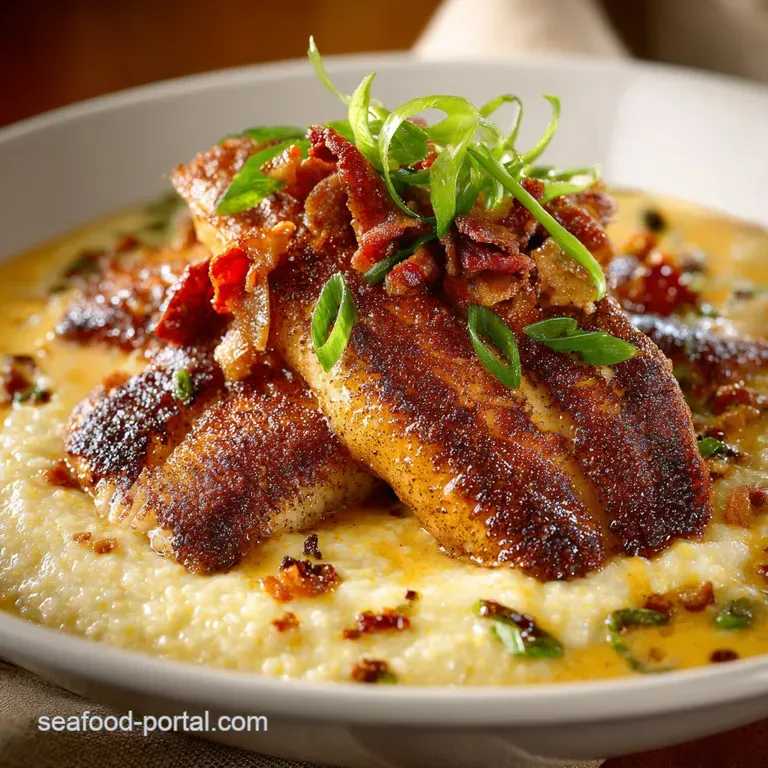
- Southern Perfection: Crispy Cornmeal Catfish and Creamy Cheddar Grits
- Achieving Culinary Harmony: Why This Technique Guarantees Crispness
- Gather Your Supplies: Essential Ingredients for Flawless Catfish and Grits
- The Master Method: Step-by-Step Instructions for Frying and Stirring
- Troubleshooting Your Meal: Chef’s Tips and Common Mistakes to Avoid
- Storing and Reheating: Keeping Leftovers Delicious
- Complementary Sides and Serving Suggestions
- Recipe FAQs
- 📝 Recipe Card
Southern Perfection: Crispy Cornmeal Catfish and Creamy Cheddar Grits
Listen, if there is one dish that screams comfort and mastery in a single bowl, it’s a perfectly executed Catfish and Grits . That first bite is magic: the satisfying crunch of cornmeal giving way to flaky, tender fish, immediately followed by the lush, warm hug of creamy, cheesy grits.
The aroma alone smoked paprika, fried butter, and subtle dairy sweetness is enough to make you forget the outside world exists.
I used to think this classic was too complex or heavy for a weeknight, but I was so wrong. This recipe is fast enough for a substantial supper and budget friendly, making it my go-to for serious soul food therapy. Forget drive thrus; you can whip up superior flavor at home, I promise.
Ready to unlock the secrets to grits that aren't gluey and catfish that doesn’t crumble? We’re going to tackle this dish the right way, balancing the slow, thoughtful cooking of the grits with the quick, over high heat flash of the fry.
This is the definitive guide to making the best Catfish and Grits you’ve ever tasted.
Achieving Culinary Harmony: Why This Technique Guarantees Crispness
What Makes This The Ultimate Comfort Meal?
It’s all about the contrast. Southern cooking thrives on balance. We take a rich, creamy base the grits and top it with something light, crisp, and slightly acidic the cornmeal fried catfish. When you get that layering right, that textural dance, the whole dish sings.
It's the definition of hearty food.
The Essential Trio: Texture, Tang, and Smoke
We aren't just frying fish and making mushy cornmeal. Our technique for this Catfish and Grits recipe relies on three key elements working together. First, the stone ground grits provide real texture .
Second, the buttermilk soak gives the catfish a necessary tang and keeps it unbelievably moist. Third, by frying the catfish in a mixture of oil and reserved bacon smoke (fat), we layer in a deep savory note that instant grits can never touch.
Quick Overview of Prep Time and Yields
I won't lie, those stone ground grits need about 30 minutes of gentle simmering, which is why we start them first. The prep is about 20 minutes (including the buttermilk soak), and the hands-on frying time is fast, about 10– 12 minutes total.
Plan for about 75 minutes from start to plate. This recipe is designed to yield four very generous servings of the best Catfish and Grits around.
The Buttermilk Marinade: Tenderizing and Flavor Building
Skipping the soak is a huge mistake I made early on. The mild acidity in the buttermilk is essential. It tenderizes the delicate catfish protein, ensuring a flaky interior. More importantly for the crust, it acts like glue!
When you pull the fish out, that thick coating of buttermilk is exactly what the seasoned cornmeal needs to cling to, resulting in a thick, rugged, shatteringly crisp exterior crust. It’s what separates decent fried fish from phenomenal Catfish and Grits .
The Secret to Velvety Grits
If your grits are tasting gritty or gluey, you are using the wrong type of grit or rushing the process. We use stone ground grits, which retain their integrity and nuttier flavor. The secret is the liquid composition: a blend of chicken stock (for depth) and whole milk (for richness).
We also introduce cold butter and sharp cheddar after the grits are fully cooked. This process, called "monter au beurre" in fancy French cooking, gives the grits that incredible, velvety sheen and keeps them loose and creamy, perfect for pairing with the fried catfish.
The Importance of Fat Temperature for a Perfect Crust
If the oil isn't hot enough, the catfish coating absorbs the fat and turns soggy a tragedy when making Catfish and Grits . If it's too hot, the crust burns before the fish is cooked through. You need a steady 350°F (175°C). Using a deep fry thermometer is non-negotiable here.
Maintaining the oil temperature is the single most important step in achieving a truly crispy crust.
Gather Your Supplies: Essential Ingredients for Flawless Catfish and Grits
You don't need fancy ingredients for soul food, but you do need the right ones. Consistency matters most here.
Selecting the Right Cut of Catfish Fillet
Catfish should be skinless and boneless. I prefer fillets that are around 6 ounces and medium thickness. If they are too thin, they overcook fast. If they are giant, thick fillets, you'll struggle to get the center done before the crust burns. If you can’t find fresh catfish, frozen is totally fine! Just thaw them slowly overnight in the fridge and pat them very dry before soaking. For those times when catfish isn't available, but you still crave that crunchy texture, try the preparation methods in my FiletOFish Copycat Recipe: Superior Crispy Fish Sandwich at Home .
Grits Grading: Why Stone Ground is Preferred
Please, ditch the instant stuff. Stone ground grits, though requiring more patience, have a magnificent, complex texture that holds up to the richness of the cheese and butter. They give the dish a proper depth that's impossible to replicate otherwise.
If you rush the grits, you ruin the whole vibe of the Catfish and Grits experience.
Recommended Alternatives and Flavor Swaps
| Ingredient | Substitution/Alternative | Notes |
|---|---|---|
| Catfish | Haddock, Cod, or Tilapia | Choose firm, white, non-oily fish. |
| Buttermilk | Whole Milk + 1 Tbsp White Vinegar (rest 5 mins) | The acidity is crucial for the crust. |
| Stone Ground Grits | Fine Cornmeal (Polenta) | Adjust cooking liquid and time; polenta cooks faster. |
| Sharp Cheddar | Smoked Gouda or Pepper Jack | Smoked Gouda is amazing in this Catfish and Grits recipe. |
| Bacon Lardons | Prosciutto or Smoked Ham Hocks | You need that smoky, fatty element. |
Detailed List of Coating and Flavor Enhancers
We use a simple 50/50 mix of all-purpose flour and fine yellow cornmeal. The flour helps the initial buttermilk adhesion, and the cornmeal provides the signature grit and crunch. Don't use coarse cornmeal; it tends to fall off.
Chef's Note: Season your coating aggressively! The fish itself is bland, so the crust must carry the flavor load. Use Old Bay seasoning or a good Cajun blend generously mixed into the cornmeal for the best flavor payoff in your Catfish and Grits .
- 4 Catfish Fillets (approx. 6 oz each)
- 1 cup Buttermilk (+ 1 tsp hot sauce)
- 1 cup Stone Ground Grits
- 3 cups Chicken Stock + 1 cup Whole Milk
- 1 cup Sharp Cheddar
- 1/2 cup AP Flour
- 1/2 cup Fine Cornmeal
- 1 Tbsp Old Bay or Cajun Seasoning
- over High heat Oil (Canola, Peanut, or mix with rendered bacon fat)
The Master Method: step-by-step Instructions for Frying and Stirring

Making perfect Catfish and Grits requires juggling two pans, but once you get the timing down, it’s easy.
Prepping the Catfish: Marinating and Seasoning the Cornmeal Coating
- Marinate: Combine buttermilk and hot sauce in a dish. Place the pat-dry catfish fillets in the mixture and refrigerate for 30 minutes. Don't skip this critical step for tender fish.
- Render the Lardons: While the fish marinades, dice your bacon and cook it gently in your deep skillet until crispy. Remove the lardons and reserve them, leaving about 1 tablespoon of bacon fat in the skillet. This fat will revolutionize your final Catfish and Grits flavor.
- Dredge & Rest: Set up your dredging station: one plate with flour, the next with the cornmeal and seasoning mix (salt, pepper, Cajun spice). Remove the fish from the buttermilk (let it drip, don't wipe it!). Dredge in flour first, then press firmly into the cornmeal mix. Crucial Tip: Let the coated fish rest on a plate for 5– 10 minutes. This allows the coating to dry slightly and adhere better during frying.
Slow Cooking the Grits Base to Creamy Consistency
- Combine Liquid: Bring the chicken stock and milk to a simmer in a heavy bottomed pot. Season generously with salt.
- Add Grits: Slowly whisk in the stone ground grits. Immediately reduce the heat to the lowest setting possible. The mixture should only release the tiniest bubbles.
- The Stirring Ritual: Cover the pot and cook for 25– 30 minutes. You must stir every 5 minutes, scraping the bottom to prevent sticking and scorching. This slow process is how the starch releases properly, resulting in incredibly creamy grits for your Catfish and Grits .
The Frying Process: Getting Maximum Crunch
- Heat the Oil: Add the remaining oil to the skillet with the reserved bacon fat, aiming for a 1/2 inch depth. Heat the oil to 350°F (175°C) over medium high heat.
- Fry in Batches: Carefully place the rested catfish fillets into the hot oil. Do not overcrowd the pan, or the oil temperature will drop, resulting in limp crusts. Fry for 3- 4 minutes per side until deep golden brown and the internal temperature reaches 145°F (63°C).
- Drain Properly: Remove the crispy fish and immediately set it on a wire rack placed over a baking sheet. Never place fried food directly on paper towels , as they steam the bottom and make it soggy. A final light sprinkle of salt on the warm crust is highly recommended.
Folding in the Cheddar and Smoky Lardons
- Finish the Grits: Once the grits are thick, nutty, and creamy (after about 30 minutes), turn off the heat. Stir in the cold cubes of butter until melted, followed by the grated cheddar cheese. Taste and adjust seasoning heavily.
- Plate and Garnish: Ladle a generous serving of cheesy grits into a warm bowl. Top immediately with the perfectly crispy catfish fillet. Sprinkle the reserved bacon lardons and some chopped spring onions over the whole dish. Serve your spectacular Catfish and Grits immediately!
Troubleshooting Your Meal: Chef’s Tips and Common Mistakes to Avoid
Preventing Watery Grits: The Stirring Schedule
The number one mistake is using too much water or not stirring enough. Watery grits mean the starch hasn't fully released and absorbed the liquid. Stick to the 4:1 liquid-to-grits ratio, and stir regularly.
If they look too thick, add a splash of warm milk, one spoonful at a time, until the texture is loose but holds its shape. Rushing the grits ruins the foundation of the whole Catfish and Grits dish.
Avoiding Mushy Fish: Ensuring a Dry Catfish Surface
Mushy fish usually happens because the initial fillet wasn't dried enough, or the cooked fish was allowed to steam. Always pat the raw catfish dry before the buttermilk soak. After frying, the wire rack is your best friend. Air circulation is key to maintaining that magnificent crunch we worked so hard for.
Nobody wants a soft, oil-soaked piece of fish when they’re expecting the crunch of perfect Catfish and Grits .
Scaling Up: Adjusting the Recipe for Larger Batches
If you are cooking for a crowd, you absolutely must fry the catfish in small batches. Overcrowding the pan lowers the oil temperature too fast, and your fish will come out sad and greasy. After each batch, allow the oil to return to 350°F (175°C) before adding the next round.
This tip is vital for a big batch of glorious Catfish and Grits .
Storing and Reheating: Keeping Leftovers Delicious
The beauty of a classic Catfish and Grits dinner is that it yields excellent leftovers, provided you know how to handle the two different components.
Best Practices for Refrigerating Grits
Grits seize up when they cool that’s just science. Store leftover grits in an airtight container in the fridge for up to 4 days. When reheating, you MUST add moisture. Place them in a saucepan over medium low heat with a splash of milk or stock (about 1/4 cup per serving).
Whisk vigorously until they loosen and become creamy again. You may need to add a pinch more salt or butter to restore the flavor.
The Catfish Reheat Dilemma (Restoring Crispness)
Never, ever reheat fried catfish in the microwave. It turns the perfect crust into a rubbery disappointment. If you have leftover catfish, store it in the fridge for up to 3 days. To restore the crispness, pop it into a 350°F (175°C) oven or, even better, an air fryer for 5– 8 minutes until piping hot and the crust sizzles again.
This is the only way to enjoy leftover Catfish and Grits that still tastes great.
Can You Freeze Grits?
Yes, you can freeze cooked grits! The texture changes slightly, becoming a little less homogenous, but they are still completely edible. Freeze cooled portions in zip-top bags (laid flat) for up to 3 months. Thaw overnight in the fridge and reheat on the stovetop, adding extra liquid as necessary.
I personally wouldn't freeze the fish, as the quality of the crust degrades too much.
Complementary Sides and Serving Suggestions
This dish is already rich and satisfying, so you want sides that offer a bright contrast.
A cool, crunchy coleslaw is essential. We need that tangy vinegar to cut through the richness of the cheddar and the fried coating. Try a very simple cabbage slaw dressed with apple cider vinegar, a little sugar, and maybe some finely chopped jalapeño for a kick.
If you are looking for other stellar seafood options for an appetizer before this hearty Catfish and Grits , you might enjoy making some Spicy Tuna Tartare: Creamy, Fiery, and Restaurant Quality at Home — it’s light, vibrant, and a total crowd pleaser. Or, if you need another excellent main dish idea that's done in a hurry, my recipe for Shrimp and Bowtie Pasta: Creamy Lemon Garlic Farfalle in 35 Mins is always a winner.
The perfect Catfish and Grits isn't just about the fish and the cornmeal; it’s about that balance. Get your contrast right, pay attention to the oil temperature, and never, ever stop stirring those slow cooked grits. Enjoy this Southern masterpiece!

Recipe FAQs
Why are my grits lumpy or gluey, rather than creamy?
Lumps usually form from adding the grits too quickly to boiling liquid or not stirring enough initially. Always whisk the dry grits slowly into cold or lukewarm liquid first, and stir constantly for the first five minutes while the mixture comes up to a simmer to prevent clumping.
My crispy catfish coating keeps falling off during or after frying. What am I doing wrong?
Ensure the buttermilk soaked fish is properly drained before dredging, and that the cornmeal mixture is pressed firmly onto the fillet on both sides. Crucially, let the coated fish rest for at least 10 15 minutes before frying; this "sets" the coating and helps it adhere under heat.
Can I use a different type of fish, or is Catfish mandatory for this recipe?
While catfish is traditional, you can substitute other firm white fish like tilapia, cod, or pollock, though the flavor profile will be slightly milder. If substituting, ensure the fillets are cut to a similar thickness so they cook consistently within the same timeframe as the catfish.
I want to make the grits dairy-free. What is a good substitute for the milk and cheese?
For creamy results, replace the milk with vegetable or chicken stock and use full fat coconut milk or high-quality oat milk for added richness. Instead of cheddar, you can achieve a savory, cheesy depth by stirring in nutritional yeast and a little olive oil at the end.
My catfish sometimes has a slightly 'muddy' taste. How do I prevent this flavor?
The "muddy" taste often originates from farm raised fish; the acidity in the buttermilk soak is key to neutralizing this. Ensure you soak the fillets for the full recommended time (at least 30 minutes, or up to 4 hours refrigerated) before coating and frying.
How do I store and reheat leftover crispy fried catfish?
Store the fried fish in an airtight container in the refrigerator for up to 3 days. To maintain crispness, avoid the microwave; instead, reheat the fish in a toaster oven or standard oven at 350°F (175°C) until thoroughly warmed and the coating is restored.
Can the cheesy grits be made ahead of time, and how should I reheat them without them drying out?
Grits can be made ahead and refrigerated for up to 4 days, though they will set up very firmly once cooled. To reheat, place the hardened mass in a saucepan with an additional splash of milk or stock and whisk constantly over low heat until the creamy consistency returns.
Crispy Catfish And Grits

Ingredients:
Instructions:
Nutrition Facts:
| Calories | 1066 kcal |
|---|---|
| Protein | 42.9 g |
| Fat | 70.2 g |
| Carbs | 66.3 g |
