Cajun Fried Catfish: the Ultimate Crispy Louisiana-Style Fillets
- Welcome to the Deep South: Mastering Cajun Fried Catfish
- The Science of the Crunch: Why Our Catfish Crust Wins
- Essential Ingredients for the Ultimate Cajun Fried Catfish
- Step-by-Step: Frying Catfish to Golden, Crispy Perfection
- Expert Frying Tips & Troubleshooting Your Crispy Catfish
- Storing Leftover Cajun Fried Catfish
- What to Serve with Cajun Fried Catfish: Classic Pairings
- Recipe FAQs
- 📝 Recipe Card
Welcome to the Deep South: Mastering Cajun Fried Catfish
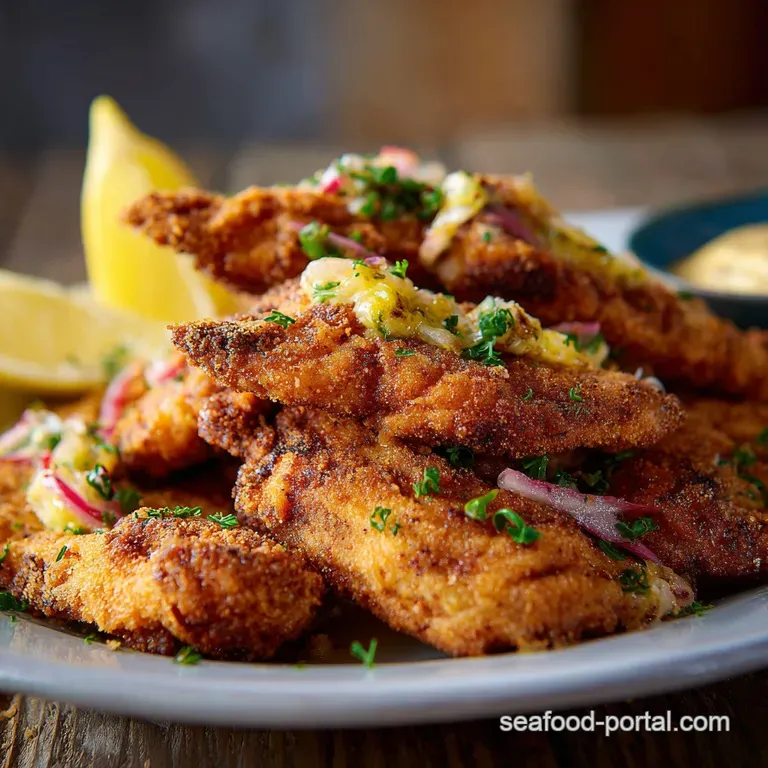
That sound, you know the one, that high, aggressive sizzle when seasoned cornmeal hits hot oil? That’s the aroma of Southern comfort cooking right there. When I pull these Cajun fried catfish fillets out of the pot, their color is a perfect deep, rustic gold.
The intense smoky paprika and cayenne pepper smell just floods the entire house.
We all need a weeknight dinner that feels like a celebration without the huge effort, right? This recipe is seriously fast and uses cheap, readily available ingredients. It truly saves the day when you are craving something crunchy and comforting, but only have 45 minutes to spare.
I spent years messing this up, ending up with oily, mediocre fish. But I cracked the code on true Louisiana style crunch, and it only requires two easy tricks. Let’s ditch the sadness of soggy crusts and learn how to fry catfish like you grew up doing it.
The Science of the Crunch: Why Our Catfish Crust Wins
This isn't about guesswork; we are leveraging simple chemistry to ensure perfection. The key difference in this Cajun fried catfish recipe is the buttermilk marinade and the precise balance of cornmeal to flour. We are building maximum adhesion and maximum flavor.
The History of Louisiana Catfish Frying
Catfish has always been an accessible staple in the bayou regions of Louisiana. Frying became the preparation method of choice because it was quick and maximized the flavor of the catch, utilizing simple local ingredients like cornmeal and cayenne.
It is a dish born of resourcefulness and delicious simplicity, honestly.
What Makes This Recipe Truly "Louisiana Style"?
The true Cajun touch comes from two things: the intensity of the seasoning blend and the texture achieved by using a high ratio of cornmeal. We are not using just a mild dry rub, oh no. We load up the dry dredge with garlic, onion, thyme, and plenty of cayenne pepper.
This creates that fiercely seasoned crust that defines true Southern frying.
Recipe Difficulty and Prep Time Overview
The active prep time is short maybe 15 minutes to cut and dredge the fillets. However, we have to respect the oil temperature and the resting time, which makes this recipe a solid "Medium" difficulty. Don't rush the process, especially the frying stage.
Buttermilk Magic: Tenderizing the Catfish Fillets
Buttermilk is an essential step, please don't skip it! The mild acid in the buttermilk actually tenderizes the fish proteins slightly, giving you a remarkably flaky interior. More importantly, it creates a sticky, slightly viscous surface that the dredge adheres to beautifully.
The Perfect Dredge Ratio (Cornmeal vs. Flour)
Many recipes use equal parts flour and cornmeal, and that’s what we are sticking to here. The 1:1 cornmeal to flour ratio is critical. The flour provides elasticity and structure, while the cornmeal gives that gritty, signature Southern crunch. Want an ultra crunchy crust?
Don't be shy with that cornmeal.
Achieving the Ideal Frying Oil Temperature
The ideal oil temperature for frying catfish is exactly 350°F (175° C) . This is not negotiable. If your oil is too cold, the fish will absorb too much fat, becoming greasy and heavy. If it’s too hot, the coating burns to a black crisp before the fish has time to cook through.
Get yourself a good thermometer; it's the best $10 you’ll ever spend.
Essential Ingredients for the Ultimate Cajun Fried Catfish
You probably already have most of these spices lurking in your pantry, which is why I love this recipe so much.
Selecting the Freshest Catfish Fillets
Always choose firm, white fillets with no lingering "fishy" odor. If you can only find frozen, make sure they are thawed completely and patted bone dry before marinating excess water is the enemy of crispiness. I prefer the thinner, farm raised fillets for frying because they cook through quickly.
| Ingredient | My Recommendation | Viable Substitute |
|---|---|---|
| Catfish | Fresh, firm fillets | Tilapia, white cod, or Crispy Air Fryer Walleye The Secret to Ultra Crunchy Fried Walleye |
| Buttermilk | Whole fat | Milk + 1 Tbsp White Vinegar (let it sit 5 mins) |
| Cornmeal | Fine Yellow Grind | Panko breadcrumbs (different texture, but still crunchy) |
| Peanut Oil | High smoke point, neutral flavor | Canola, vegetable, or shortening |
Customizing Your Cajun Seasoning Blend
My current blend is heavy on the garlic powder and smoked paprika, giving a deep, savory foundation. If you are a heat fiend like me, increase the cayenne pepper by half a teaspoon. You can absolutely use a store-bought Cajun seasoning mix here, but I highly recommend blending your own for maximum spice control, like I do for my Cajun Cornish Hens UltraCrispy Skin Spicy Soul Dry Brine . Remember to season the dredge liberally.
Fat Matters: Best Oils for Deep Frying Catfish
We need an oil with a high smoke point that won't impart a lot of flavor. Peanut oil is my go-to for its superb frying qualities. Canola or vegetable oil works just fine, too. Don't try to reuse old oil for this; fresh, clean oil makes a massive difference in the final taste.
gluten-free Alternatives for the Dredge
If you need to go gluten-free, substitute the all-purpose flour with a standard 1:1 gluten-free blend. Ensure the cornmeal itself is certified gluten-free, too. The texture might be slightly lighter, but the crunch factor remains high.
step-by-step: Frying Catfish to Golden, Crispy Perfection
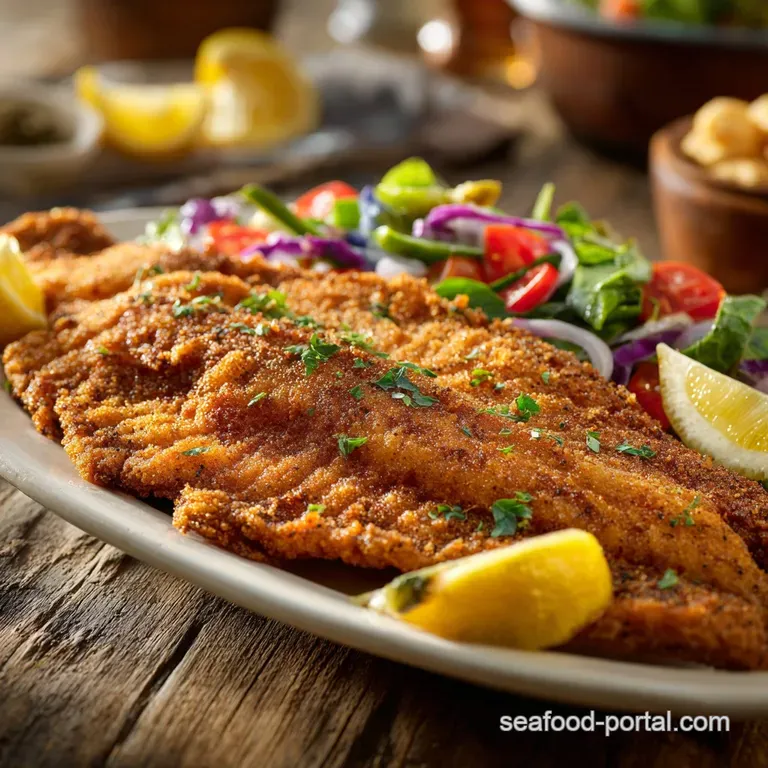
This is the assembly line process that guarantees the crust adheres. Pay attention to the resting period!
Step 1: Preparing the Catfish Marinade
First, pat those fillets dry, please, seriously dry. Then whisk together the buttermilk, a dash of hot sauce, and a little salt in a bowl. Submerge the catfish strips entirely and let them hang out in the fridge for at least 30 minutes.
This buttermilk bath is a non-negotiable step toward tender results.
Step 2: The Double Dredge Technique
Whisk all your dry ingredients the cornmeal, flour, and spices in a large, shallow pan. Pull a piece of fish from the buttermilk (letting the excess drip off), then press it firmly into the dredge. You need to really push the coating onto the fish.
Now, here is the secret: Place the coated fillets on a wire rack for 10 minutes before frying. That brief rest allows the wet buttermilk and dry coating to form a stable, sticky bond.
Step 3: Deep Frying Safety and Best Practices
Heat your oil in a heavy pot or Dutch oven until your thermometer reads 350°F (175° C) . Gently slide 2 or 3 pieces of catfish into the oil using tongs; work in small batches!
Fry each batch for 5 to 7 minutes total, flipping them halfway through, until they are deep golden brown and the internal temperature hits 145°F (63°C).
Step 4: Draining and Seasoning the Hot Fish
Use a spider skimmer or tongs to lift the fish out. Immediately transfer the cooked catfish to a fresh wire rack set over a baking sheet. This is where the magic happens; air circulating prevents steaming.
Hit the fish instantly with a tiny sprinkle of extra salt while it’s still dripping hot.
Chef's Note: Don't put the fish directly on paper towels! The paper absorbs oil, but it also traps steam right underneath the fish, immediately making the bottom crust soft and sad. Always use a cooling rack!
Expert Frying Tips & Troubleshooting Your Crispy Catfish
Why Your Coating Falls Off (And How to Fix It)
Nine times out of ten, the coating falls off because the fish wasn't allowed to rest after dredging. You need that 10 minutes (Step 2) for the coating to set up and dehydrate slightly before it hits the oil. If you rush, the extreme heat will shock the coating right off the fish.
Also, ensure you press the dredge firmly onto the fillets.
Maintaining Oil Temperature Consistency
Oil temperature is the hardest part of frying, especially at home. Every time you drop cold food in, the temperature tanks. Always wait 2- 3 minutes between batches for the oil to reheat back to 350°F (175°C).
If the oil drops below 325°F (160° C), you are guaranteeing a greasy, heavy crust.
How to Know When the Catfish is Done
Look for that deep golden brown crust, but listen, too. As the fish cooks, the vigorous bubbling slows down as the moisture escapes. When the bubbles slow significantly, it means the interior moisture is mostly gone and the fish is usually cooked through. Use an instant read thermometer to confirm 145°F (63°C).
Common Mistake: Overcrowding the Pot
This is my rookie mistake from years ago! Putting too many pieces in at once drops the oil temperature instantly. Stick to 2 or 3 pieces max per batch in a standard Dutch oven. Patience here pays off in superior crunchiness.
Storing Leftover Cajun Fried Catfish
Best Methods for Refrigerating Fried Fish
Leftover catfish stores really well, which is great. Let it cool completely on the wire rack, then transfer it to an airtight container. Line the container with a paper towel to absorb any residual moisture. It will keep nicely in the fridge for up to 3 days.
Reheating Catfish for Maximum Crispness
Do not, under any circumstances, use the microwave. That is the express train to soggy fish purgatory. The best way to revive the incredible crunch of fried fish (or even something baked like these Baked Catfish Nuggets UltraCrispy Oven Recipe ) is using an air fryer or oven. Place the catfish pieces on a rack in a 375°F (190°C) air fryer or oven for 5 to 8 minutes, until piping hot and re-crisped.
What to Serve with Cajun Fried Catfish: Classic Pairings
This catfish is spicy and rich, so you need bright, cool sides to cut through the flavor.
We are talking about classic Southern sides here. Think creamy, vinegary Coleslaw to provide that necessary acidic contrast. Or go full comfort food with a side of cheesy grits or simple white rice covered in a spicy Creole gravy. Don't forget the dipping sauce! A tangy tartar sauce or a bold, peppery homemade remoulade is mandatory. When I make Crispy Southern Fried Oysters: The Ultimate Recipe for a Perfect Cornmeal Crunch , I always whip up a huge batch of remoulade, and it pairs perfectly here too.

Recipe FAQs
Why isn't my crust crispy, or why did it burn before the fish cooked through?
This is nearly always a symptom of incorrect oil temperature. If the oil is too cool (below 350°F), the crust absorbs oil and gets soggy; if it's too hot (above 375°F), the outside burns quickly while the inside remains raw.
Always use a thermometer to maintain a steady temperature between 360°F and 365°F for the perfect golden crust and fully cooked fish.
I can't find catfish. What is a suitable substitution for this recipe?
The best substitutes are lean white fish with a firm, slightly sweet texture, such as Swai, Basa, or Tilapia. If you prefer a milder flavor, Cod or Haddock also work well, though they may require slightly less cooking time due to thinner fillets.
Ensure the fillets are cut uniformly before marinating so they cook evenly in the hot oil.
Can I air-fry or bake this recipe instead of deep frying?
While deep frying yields the most traditional result, you can successfully air fry or bake the fillets for a healthier variation. For air frying, spritz the dredged fish heavily with cooking oil and cook at 400°F (200°C) for 12 15 minutes, flipping halfway through.
Baking requires a similar oil spritz and a slightly longer cook time on a wire rack at 425°F (220°C), usually about 20 minutes, to promote crispness.
Why is the buttermilk marinade essential for Cajun Fried Catfish?
Buttermilk performs two crucial functions in this recipe: the lactic acid slightly tenderizes the fish without affecting its structure, and the thickness of the buttermilk provides the perfect sticky surface for the cornmeal dredge to adhere to.
This ensures you get a thick, substantial crust that stays firmly attached to the fish during frying.
I want to reduce the spice level. How should I adjust the Cajun seasoning?
To reduce heat while maintaining flavor, you should decrease the amount of cayenne pepper and white pepper in your seasoning blend. If using a pre-made Cajun spice, substitute half of the required amount with plain smoked paprika, garlic powder, and onion powder.
Always taste your dredge mix before coating the fish to ensure the desired heat level.
How long can I keep leftover fried catfish, and what is the best way to reheat it?
Leftovers should be stored in an airtight container in the refrigerator for up to 3 days. To restore the signature crispy texture, never reheat the fish in a microwave, which will cause it to steam and become soggy.
Instead, reheat the fillets in a preheated oven at 350°F or in an air fryer for about 5 8 minutes until thoroughly warmed through and crunchy.
Can I prepare the fish ahead of time and freeze it before cooking?
Yes, you can freeze the fish after it has been marinated and thoroughly dredged in the cornmeal mixture. Place the seasoned fillets on a baking sheet and freeze them until solid, then transfer them to a freezer bag or vacuum sealed bag.
Cook the catfish directly from frozen, but add 2 3 minutes to the total frying time to ensure the center reaches a safe internal temperature.
Crispy Cajun Fried Catfish Recipe
Ingredients:
Instructions:
Nutrition Facts:
| Calories | 865 kcal |
|---|---|
| Protein | 32.5 g |
| Fat | 75.6 g |
| Carbs | 15.0 g |
