Pankocrusted Lemon Dill Baked Cod or Haddock Crispy Breaded Fish
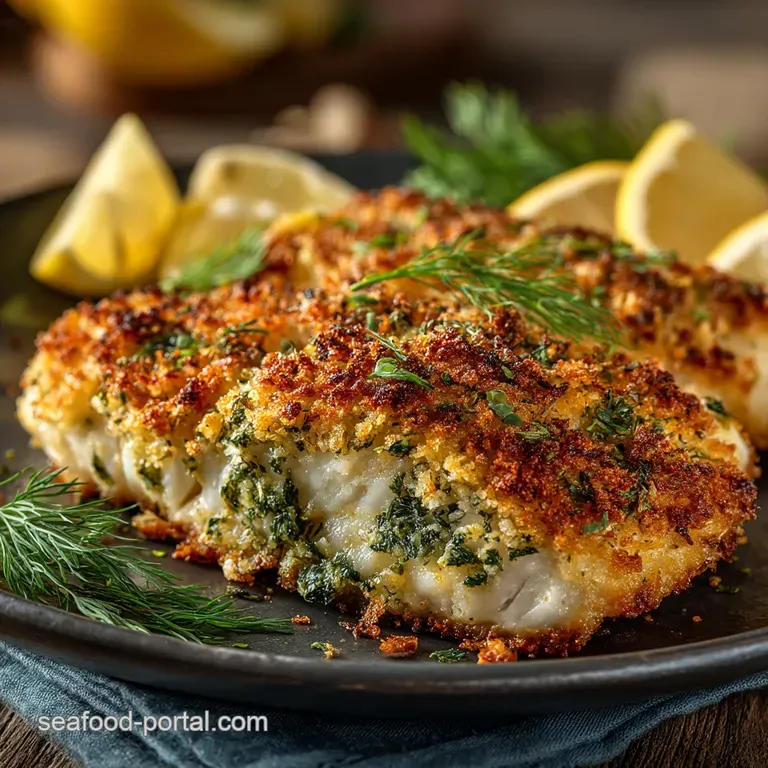
- Achieving True Crispness: Why This Isn't Your Grandmother's Baked Fish
- Elevating Your Plate: Essential Components for Perfect Breaded Baked Fish
- The Triple-Dip Method: Detailed Steps for Foolproof Breading
- Mastering the High-Heat Finish for Your Crispy Breaded Baked Fish
- Customizing This Recipe: Variations, Substitutions, and Tips
- Nutritional Breakdown and FAQs for Healthy Breaded Baked Fish
- Recipe FAQs
- 📝 Recipe Card
Achieving True Crispness: Why This Isn't Your Grandmother's Baked Fish
Traditional oven baked fish often results in a soft, steaming exterior a result that rarely satisfies the craving for true crunch. This recipe for Breaded Baked Fish leverages professional kitchen techniques to bypass that pitfall, delivering a finish so golden and crisp, you’ll swear it came from a deep fryer.
We achieve this superior texture by employing a combination of high heat and strategic ingredient choices, moving far beyond older, lower temperature methods. The result is one of the most satisfying Easy Baked Fish Recipes you will encounter, built for speed and maximized flavour.
The Science of the Crunch: How Panko Transforms Textures
The secret weapon in achieving truly crisp Breaded Baked Fish is the Japanese style Panko breadcrumb. Unlike standard breadcrumbs, Panko is made from crustless bread and processed into large, jagged flakes.
When baked at high temperatures, these large, airy flakes create superior surface area, allowing heat to penetrate quickly. They absorb significantly less ambient moisture from the oven and the fish itself, resulting in an exceptionally light and crunchy sheath.
This dedication to texture is what elevates this from simple baking to truly memorable Crispy Baked Fish Recipes .
Speed and Flavor: A 20-Minute Weeknight Winner
One of the greatest advantages of this preparation method is the speed required. Once the fish is prepped an organized 15-minute process the high temperature oven ensures the cooking time is minimal.
We are talking about 12 to 15 minutes max, making this the perfect choice for a busy weeknight. This efficient cooking time locks in moisture, ensuring the thick fillets remain flaky and tender, while the crust, flavoured with fresh lemon zest and dill, develops a remarkable aromatic depth.
This efficient method means you can enjoy a full, high-quality Homemade Breaded Fish Recipe in roughly 30 minutes total.
Elevating Your Plate: Essential Components for Perfect Breaded Baked Fish
Successfully executing this dish relies heavily on careful selection of your primary ingredients and equipment. Each component plays a specific role, from the flakiness of the fish to the efficiency of the baking environment.
Selecting the Flakiest Fillets: Cod vs. Haddock vs. Tilapia
For the best results, start with thick, firm Breaded White Fish Recipes staples like Cod or Haddock. These fish possess sturdy flesh that holds up well during the high heat cooking process.
They are typically about 1.5 cm (or ½ inch) thick, providing enough bulk to remain moist inside while the crust has time to develop. While thinner fillets like Tilapia or Flounder can be used, they require a reduction in baking time to prevent them from drying out.
Opting for quality, thick cuts ensures every serving of your breaded baked fish fillets is perfectly balanced.
Building the Flavor Profile: Herb Combinations and Zest Secrets
The flavour complexity of the exterior is just as important as the texture. In this recipe, we enrich the Panko with fresh, aromatic elements. Finely grated lemon zest is essential, providing a vibrant, oil-based citrus punch that is amplified by the heat.
This is paired with fresh dill and parsley, offering classic herbaceous notes that complement white fish beautifully. On top of that,, adding a small amount of finely grated Parmesan cheese to the Panko mixture provides umami depth and aids in achieving that rich golden brown colour during baking.
This combination creates a sophisticated Fish Breading Recipe base.
Kitchen Gear Check: The Critical Role of the Wire Rack and Baking Sheet
This is the non-negotiable step that separates professional results from amateur baking. To achieve that 360-degree crispness necessary for excellent Baked Breaded Fish Recipes Oven , you must use a wire cooling rack placed inside a parchment lined baking sheet.
Baking the fish directly on the sheet traps steam underneath the fillet, instantly turning the bottom crust soggy. The wire rack elevates the fish, allowing hot oven air to circulate completely around the breading, ensuring both the top and bottom crisp up simultaneously and uniformly.
The Triple Dip Method: Detailed Steps for Foolproof Breading
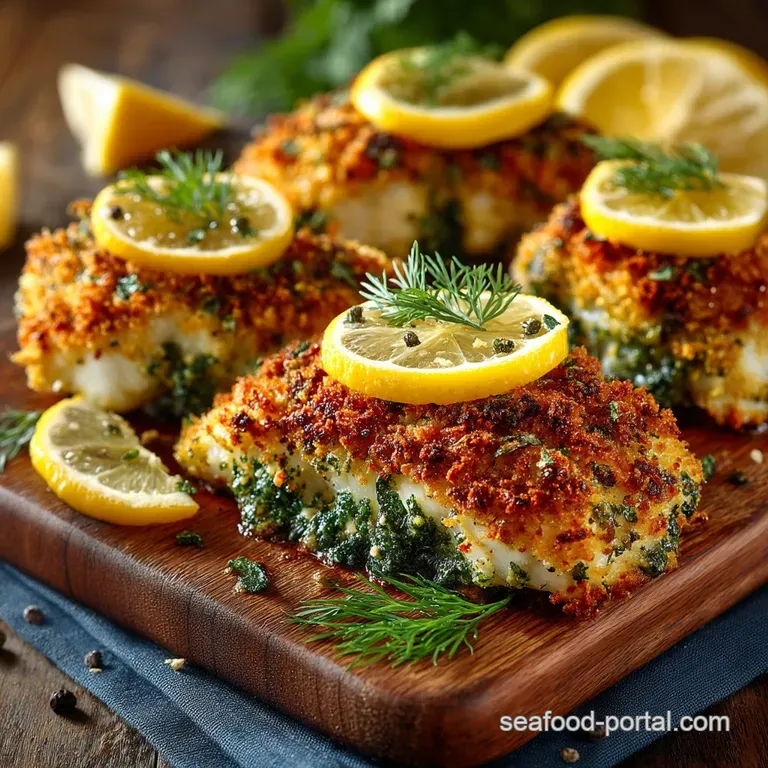
The preparation phase, known as the triple dip method, is key to achieving a crust that adheres perfectly and cooks evenly. First, the fillets must be aggressively patted dry with paper towels; any residual moisture prevents the flour from sticking, compromising the entire process.
Once dry and seasoned, the fish is passed through three shallow dishes set up in an assembly line. First is the flour mixture, which creates a dry surface foundation. Second, the egg wash (whisked with a touch of milk for added richness) provides the necessary adhesive.
Finally, the fillet is pressed firmly into the pre-seasoned Panko mixture, ensuring the thick crust fully covers all sides. The trick here is to designate one hand for wet ingredients and one for dry to keep the breading station clean and your fingers unclumped.
Related Recipes Worth Trying
- The Best Breaded Shrimp Recipe Foolproof Panko Crunch Oven Options — Forget the frozen stuff Learn How To Make Breaded Shrimp with a shatteringly crisp Panko crust This is a bobby dazzler of a starter perfected for the home...
- Flaky Baked Branzino Fillets Recipe 30 Min Mediterranean Style — Transport yourself to the Med This simple Baked Branzino Fillets recipe guarantees flaky results every time Finished with a bright zesty lemonherb gremolata...
- Simple Baked Scallops with Buttery Crunch 10Min LemonHerb Finish — The ultimate Simple Baked Scallops with Buttery Crunch Sweet scallops meet a golden Panko duvet in this quick 25minute recipe Learn How To Cook Scallops In...
Mastering the High Heat Finish for Your Crispy Breaded Baked Fish
Once breaded, the fish is ready for the high heat environment that locks in the juices and develops that coveted crunch. Precision in prepping and cooking temperature is paramount here.
Prepping the Fish: Ensuring Dry Fillets for Maximum Adhesion
Before seasoning with fine salt and pepper, take the time to press out every possible droplet of surface moisture from your white fish fillets. Excess moisture will dissolve the flour layer, causing the breading to slough off during the dipping stage and result in a thin, disappointing crust.
A thoroughly dried surface ensures the thick Panko coating sticks solidly, enabling the creation of beautiful breaded baked fish fillets .
Setting Up the Assembly Line: Flour, Egg Wash, and Panko
Our structured assembly line consists of three key components: the initial dish containing flour and seasoning; the second dish holding the binding egg and milk wash; and the final dish filled with the Panko, Parmesan, lemon zest, and fresh herbs.
After dipping in the egg, ensure excess liquid drips off before the Panko stage. When applying the Panko mixture, use firm pressure to create a dense, protective crust that will become intensely crisp when baked.
High Heat Mastery: The Exact Temperature and Timing for Your Oven
Set your oven temperature to a searing 220° C ( 425° F), or 200° C ( 400° F) if using a fan/convection setting.
This high temperature is crucial because it initiates crust development almost instantly, preventing the breading from steaming while the fish cooks through. Place the coated fillets on the oiled wire rack, mist the tops generously with olive oil spray (or drizzle melted butter), and bake for just 12 to 15 minutes.
This rapid bake ensures the fish remains juicy while the crust achieves a beautiful, deep golden colour.
Testing for Flakiness: How to Know When the Fish is Fully Cooked
To confirm doneness, look for visual and textural cues. The crust should be uniformly golden brown and feel firm and shatteringly crisp to the touch. The internal flesh, visible when flaked gently with a fork at the thickest part, should be completely opaque.
For absolute precision, a digital thermometer inserted into the thickest part of the fillet should register 63° C ( 145° F). Removing the fish immediately at this point guarantees the moistest result for your Crispy Baked Fish Recipes .
Customizing This Recipe: Variations, Substitutions, and Tips
Flexibility is a major strength of this Homemade Breaded Fish Recipe . Once you master the wire rack and high heat technique, the flavour combinations are endless.
For instance, swapping the lemon and dill for a bold Cajun spice blend and a touch of lime zest introduces a vibrant heat, offering a completely different culinary experience. Alternatively, for those who love the Air Fryer, the same breading method can be used, requiring only 8– 10 minutes at 200° C ( 400° F) for an equally crunchy finish.
Nutritional Breakdown and FAQs for Healthy Breaded Baked Fish
This recipe is inherently healthier than deep fried alternatives, achieving high flavour and texture with minimal oil. The estimated breaded baked fish calories per serving typically hover around 320 to 350 kcal, providing a robust 35 grams of protein from the lean white fish.
Making it gluten-free or dairy-free: Simple Swaps
It is simple to adapt this recipe for dietary needs. To make the crust gluten-free, substitute the all-purpose flour with a 1:1 gluten-free baking blend and swap the Panko for high-quality gluten-free breadcrumbs or finely crushed cornflakes for a similar texture boost.
If avoiding dairy, simply omit the Parmesan cheese and use a plant based milk substitute or buttermilk in the egg wash, or combine the egg with a teaspoon of Dijon mustard for enhanced binding.
Spice it Up: Swapping Lemon & Dill for Cajun or Parmesan Crusts
While our default recipe utilizes the bright notes of lemon and dill, the breading stage welcomes experimentation. For a bold profile, replace the herbs and paprika with two tablespoons of robust Cajun seasoning or Old Bay seasoning.
For maximum richness, increase the quantity of Parmesan (or add finely crushed nuts) to create an intensely savoury crust.
Storing Leftovers: Keeping the Crunch When Reheating
The primary challenge with leftovers is preserving the beautiful crunch. Avoid microwaving at all costs, as this steams the crust. The best methods for reheating your Baked Breaded Fish Recipes Oven style are the oven or the air fryer.
Preheat the appliance to about 175° C ( 350° F) and bake the fish directly on a wire rack for 5– 8 minutes until piping hot. The dry heat will reactivate the crispness in the Panko crust.
Troubleshooting Common Issues: Soggy Bottoms and Uneven Browning
If you encounter a soggy bottom, the solution is always the wire rack ensure you are using one and that the fish is elevated above the baking sheet. Uneven browning usually points to two potential issues: either the oven temperature is uneven (consider rotating the tray halfway through cooking) or the top of the fish was not adequately misted with oil.
Ensure the olive oil spray or melted butter is applied evenly across the Panko before baking to promote uniform golden colour development.

Recipe FAQs
How do I get a proper, golden crunch without deep frying?
The wire rack is your secret weapon, mate! Baking the fish on a rack allows the hot air to circulate completely underneath the fillet, preventing the bottom from steaming and going soggy.
Also, ensure you generously mist the panko crust with olive oil spray just before it goes into the oven; this healthy fat helps achieve that perfect, beautiful golden colour and activates the crispness.
Can I bread the fish the day before, or will it go soggy?
Breading fish ahead of time is a bit risky if you’re aiming for maximum crispness, as the moisture from the fish starts to seep into the breadcrumbs almost immediately. While you can definitely get all your dry ingredients sorted, it’s best to coat the fish no more than an hour before baking.
If you must prep early, keep the coated fillets uncovered in the fridge to minimise condensation.
How much healthier is this Breaded Baked Fish compared to the chippy version?
This baked method is significantly lighter. By relying on high heat and a tiny amount of oil spray, rather than being submerged in a deep fryer, you dramatically cut down on the saturated fat and overall calorie content.
You still get fantastic flavour and protein, but you can enjoy that crunch without the heavy feeling often associated with the traditional takeaway!
My crust fell off while baking. What did I do wrong?
The crust falling off is usually down to two things: moisture or poor adherence. You must pat the fish fillets aggressively dry with kitchen roll before seasoning them, as moisture is the enemy of a sticky coating.
When applying the panko, make sure you press it on firmly on all sides to create a robust, thick crust that can withstand the baking process.
I can't find cod or haddock what other fish works well?
Stick to firm, thick white fish fillets for the best results, such as Pollock or maybe even thick Tilapia. If you choose a thinner fish, like Flounder, you’ll need to reduce the cooking time by a couple of minutes to prevent it from drying out just keep a keen eye on it.
The key is to find fish that holds its shape under the weight of the Panko.
Crispy Breaded Baked Fish Fillets
Ingredients:
Instructions:
Nutrition Facts:
| Calories | 1191 kcal |
|---|---|
| Protein | 24.6 g |
| Fat | 40.2 g |
| Carbs | 76.1 g |
| Fiber | 11.0 g |
| Sodium | 776 mg |
