Crispy Airfried Ahi Tuna: Sesame-Crusted Steaks with a Rare Center

- The Secret to Restaurant-Quality Crispy AirFried Ahi Tuna
- Essential Components for Crispy air-fried Ahi Tuna Steaks
- Precise Methodology: Nailing the Air Frying Process
- The Science of the Crunch: How the Air Fryer Seals the Ahi
- Troubleshooting and Expert Secrets for Perfect Ahi Steaks
- Storing and Reheating Leftover Crispy AirFried Ahi Tuna
- Elevating Your Dish: Ideal Sauces and Sides for Ahi Tuna
- Recipe FAQs
- 📝 Recipe Card
The Secret to Restaurant Quality Crispy AirFried Ahi Tuna
Have you ever experienced that perfect moment when you bite into something crunchy, only to find a buttery, melt-in-your mouth interior? That is exactly the magic we are chasing with this Crispy AirFried Ahi Tuna recipe.
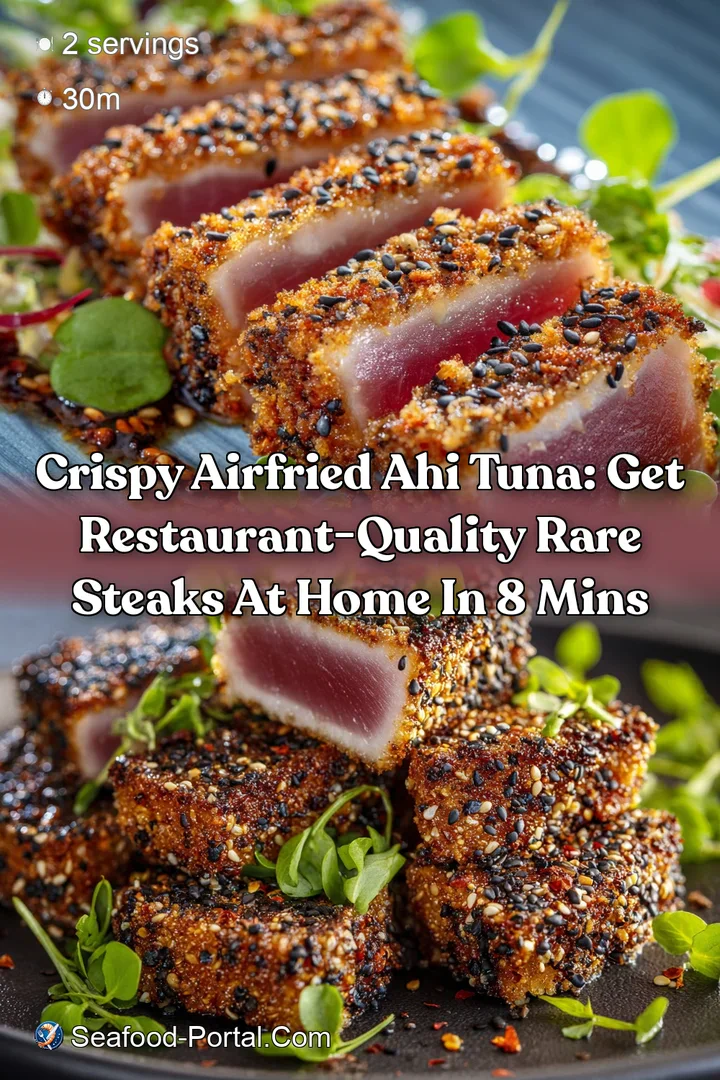
It delivers a shatteringly crisp sesame panko crust that smells utterly phenomenal, like walking past your favorite Japanese grill house. Seriously, the aroma alone makes this dinner worth making.
Cooking Ahi tuna used to feel like a high stakes endeavor, reserved for professional chefs or weekend projects. But honestly, the air fryer is a total game changer for high-quality seafood.
It requires minimal oil, delivers superior crunch compared to pan-searing, and handles the job so quickly that this entire meal is ready in under 30 minutes.
Trust me, this isn’t just another air fryer recipe; this is how you unlock true restaurant quality results at home. I’ve learned all the tricks like the exact temperature you need so let's skip the mistakes I made and crack straight on with the details.
Ditching the Deep Fryer: Why the Air Fryer is Perfect for Tuna
The key to perfect Air Fryer Tuna Steak is achieving a massive temperature contrast. We want the outside crust to flash sear and crisp before the heat has time to penetrate deeply into the center of the fish.
If you pan-fry, you often get oil absorption and heat creep, leading to that sad gray edge around your rare center.
The air fryer uses intense, circulating dry heat to dehydrate and crisp the Panko incredibly fast. This high velocity cooking process means the crust sets perfectly in three minutes, allowing you to flip the steak and finish the other side before the core has time to cook past rare. It's brilliant.
Defining "Sushi Grade": Selecting the Best Ahi Steaks
When you are aiming for a rare center, selecting sushi grade Ahi Tuna Steak is non-negotiable. This certification doesn't mean it was prepared in a specific way, but rather that the tuna has been flash frozen to meet FDA standards for parasite destruction.
Ask your fishmonger specifically for high-quality yellowfin, suitable for eating raw.
Chef's Note: Look for tuna steaks that are vibrant, deep red or magenta in color, not dull or brown. They should be cut thick, ideally 1.5 inches (4 cm). Thicker steaks are much easier to manage when you are trying to keep the center rare.
Achieving the Perfect Texture Contrast (Bleu Center, Golden Crust)
The goal here is a crunchy, golden brown armor protecting a cool, soft, bleu or rare center. We achieve this by meticulously controlling the heat. If you use too low a temperature, the crust softens and the fish overcooks slowly.
If you use too high a temperature and cook too long, you just get dry fish. The Air Fryer Tuna Steak Temperature must be set at maximum (400°F or 200°C) to ensure the exterior sets immediately.
Essential Components for Crispy air-fried Ahi Tuna Steaks
Sourcing and Prepping Your Yellowfin Steaks
Always start with cold, dry tuna. If the fish is warm or damp, the crust won't adhere properly, and you risk overcooking the center. Pat those beautiful steaks dry with paper towels until they feel almost tacky. This step is far more crucial than any marinade you might attempt.
| Component | Standard Ingredient | Viable Substitute |
|---|---|---|
| Ahi Tuna Steaks | Sushi Grade Yellowfin | Thicker, square cut Salmon fillets (cook time increases) |
| Panko Breadcrumbs | Japanese Panko | Standard breadcrumbs (results in less loft/crisp) |
| Soy Sauce | Low-Sodium Soy Sauce | Tamari or Coconut Aminos (for gluten-free) |
| Black Sesame Seeds | Black Sesame | Ground black pepper and poppy seeds (for color) |
Building the Sesame Panko Crust: The Ideal Ratios
We aren't just using Panko here; we are mixing it with white and black sesame seeds for maximum flavor and visual appeal. The Panko to seed ratio should be about 2:1. The Panko provides the bulk and the exceptional jagged texture that grabs the oil and air, while the seeds provide that beautiful toasted, nutty flavor.
The Binding Agent: Choosing the Best Oil for High Heat
Forget olive oil for the air fryer mist; it has too low a smoke point for the 400°F heat we are deploying. You need an oil with a neutral flavor and a high smoke point for the initial spray. Avocado oil or grapeseed oil in a mister bottle are your best friends here.
They ensure the crust browns evenly without burning, guaranteeing the perfect crispy exterior.
Flavor Boosters: Ginger, Garlic, and Umami Seasoning
A little dry seasoning goes a long way. I love mixing just a half teaspoon of ground ginger powder directly into my Panko mixture. It provides a warm, subtle kick. We get the essential salty umami from the quick pre-seasoning step using a tiny bit of soy sauce don't marinate, just brush it on right before dredging.
Precise Methodology: Nailing the Air Frying Process
Prep Phase: Marinating vs. Dry Brining the Ahi
Do not, under any circumstances, marinate your Ahi tuna, especially for this dish. Marinades contain acid (like lime or vinegar) which starts to "cook" the delicate proteins immediately. This will ruin the buttery texture we are aiming for and give you that horrible, chalky grey rim.
A quick pre-seasoning (salt/pepper/soy sauce brush) is all you need before adding the crust.
The Breading Technique: Ensuring Full, Uniform Coverage
The key to a successful crispy crust is the classic dredge: flour, egg wash, Panko. Start by coating the tuna completely in flour, shaking off the excess. This provides a dry, porous surface for the egg to grab. Once in the Panko/sesame mix, you must press firmly . Use the flat of your hand to literally embed the crumbs into the tuna steak. If you skimp on this step, the crust will flake off when you flip it. This same meticulous technique is crucial whenever you aim for a crunchy coating, whether you're making this Ahi or trying my recipe for Fried Shrimp Batter Recipe: Ultimate Light and Crispy Beer Batter .
Calibrating Your Air Fryer: Optimal Temperature for the Sear
We need to treat the air fryer like a searing pan. Preheat it to the maximum setting 400°F (200° C) —for at least five minutes before the steaks go in. The temperature needs to be high and immediate.
If you put cold steaks into a cold air fryer, you simply guarantee overcooked fish.
The Critical Flip: Timing for Even Crispness
When cooking thick Air Fryer Tuna Steak Recipes , flipping is mandatory for even crispness. If you don't flip it, the bottom side sitting closer to the heat element will become tougher or dry, while the top side might not fully brown.
For a rare center, cook for 3- 4 minutes, gently flip using tongs (careful not to scratch the crust!), and cook for another 3- 4 minutes.
The Science of the Crunch: How the Air Fryer Seals the Ahi
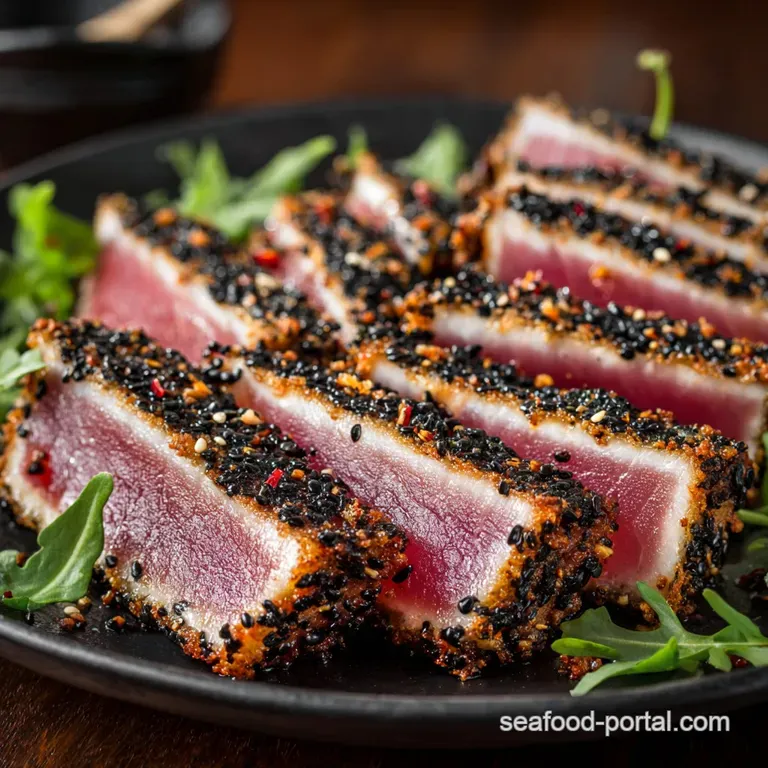
The power of the air fryer here is its fan velocity combined with heat. The Panko breadcrumbs, being larger and jagged, stick up and catch the circulating air. The oil mist you applied earlier heats up instantly, flash frying the exterior crumbs.
This creates an immediate seal a protective thermal barrier which stops the super hot air from reaching the delicate fish inside too quickly.
Troubleshooting and Expert Secrets for Perfect Ahi Steaks
Mistake Alert: Why Overcrowding the Basket is Detrimental
This is the number one blunder I see cooks make, and it’s especially tragic with expensive fish. When you crowd the basket, you impede the airflow. If the air can’t circulate, you are steaming the fish, not frying it.
This results in a soggy crust and a slower internal cook, which defeats the entire purpose of this technique. Stick to two steaks maximum per average basket.
The Role of Panko and Sesame in Creating an Ultra Crispy Coat
Panko is paramount because of its structure. Unlike standard breadcrumbs, Panko is made from crustless bread and processed into large, sharp flakes. When air-fried, these flakes stand up and create air pockets, resulting in a lighter, drier, and significantly crunchier coat.
The sesame seeds toast and deepen the flavor beautifully.
Understanding Carryover Cooking in Tuna Steaks
Even after you pull the Ahi from the air fryer, the internal temperature will continue to rise (this is called carryover cooking). Because we are aiming for rare, we must account for this. Always pull the steaks 5 10 degrees before your desired final temperature.
That mandatory 5 minute rest period allows the internal temperature to coast up to perfection while locking in the juices.
How to Measure Internal Doneness Without Overcooking (The Temp Guide)
You cannot guess here. Invest in a reliable instant read thermometer. It will save you hundreds of dollars in overcooked fish and ensure perfect results every time.
- Rare (My Recommendation): Pull at 115°F (46°C). Rests to 120-125°F.
- Medium Rare: Pull at 125°F (52°C). Rests to 130-135°F.
- Medium: If you cook Ahi to medium, you’re missing the point, but if you must, pull at 135°F (57°C).
Storing and Reheating Leftover Crispy AirFried Ahi Tuna
Safe Refrigeration Practices for Rare Tuna
If you bought genuine sushi grade tuna, it is safe to eat rare, but once cooked, you must adhere to standard food safety. Store any leftovers in an airtight container in the coldest part of your fridge (usually the bottom shelf) for no more than 2 days. I would highly recommend slicing it before storage if you intend to use it in a cold dish later, perhaps mixed into a healthy sandwich spread, much like my popular NoMayo Tuna Melt: Healthy Creamy Classic (Ready in 20 Minutes) . Do not attempt to freeze rare cooked tuna; the texture becomes abysmal.
Best Way to Re-Crisp the Steaks (Hint: Avoid the Microwave)
Never, ever use the microwave. It will ruin the crust and turn the rare center grey and dry instantly. The best method is to use the air fryer again! Place the cold steaks back in the preheated 400°F (200°C) air fryer for just 2- 3 minutes.
This should reheat the crust and warm the exterior without significantly raising the internal temperature of the still rare center.
Elevating Your Dish: Ideal Sauces and Sides for Ahi Tuna
Crispy Ahi tuna pairs wonderfully with Asian inspired flavors, offering a necessary bright and acidic contrast to the rich fish.
-
Sauce Ideas:
- Sriracha mayo mixed with a touch of lime juice.
- A simple Ponzu sauce or a Soy-Ginger Vinaigrette.
- A creamy cilantro lime sauce.
-
Side Dishes:
- A fresh mango and avocado salad.
- Sticky rice or plain white rice to absorb the sauce.
- Lightly steamed asparagus or snap peas.
- If you’re planning a bigger seafood menu, serving this alongside a lighter fish like my PanSeared Flounder Recipe: Crispy Fillets Lemon Caper Sauce provides excellent textural variety.
Recipe FAQs
What temperature and cook time are necessary to keep the center rare?
For a perfectly rare interior, you must cook the tuna rapidly at a high temperature, ideally 400°F (200°C) for just 3-4 minutes total, flipping halfway. The internal temperature should not exceed 125°F (52°C) when using high-quality, certified sushi grade tuna.
Remember that the residual heat will continue cooking the steak slightly after it is removed from the air fryer.
My sesame crust keeps falling off during the air frying process. What am I doing wrong?
This usually happens if the tuna steak wasn't properly dried before the coating process. Ensure the tuna is patted bone dry with paper towels first, then apply a firm press when dipping it into the Panko and sesame mix.
You can also lightly spritz the steaks with oil just before air frying to help "set" the crust immediately upon hitting the heat.
Can I cook this recipe using a conventional oven or a frying pan instead of an air fryer?
Absolutely. To pan-sear, use a screaming hot skillet with a neutral oil for 90 seconds per side to achieve a similar rare interior and crunchy crust. For oven baking, place the steaks on a cooling rack over a baking sheet and bake at 425°F (220°C) for about 5-6 minutes, though the crust won't be as universally crisp as with the air fryer.
How should I store leftover air-fried tuna, and can I reheat it?
Store leftovers in an airtight container in the refrigerator for up to 3 days, noting that the tuna will continue cooking slightly as it chills. Reheating is tricky as it risks overcooking the rare center; the best approach is to slice the cold tuna thinly for use in salads or cold rice bowls instead of attempting to reheat.
My tuna came out tough and dry. How can I prevent moisture loss?
Toughness usually indicates overcooking; ensure you are using a high-quality thermometer and sticking strictly to the 3-4 minute cook time. If your air fryer runs hot, try reducing the temperature by 10-15 degrees and flipping the steak exactly halfway through the process for even heat distribution.
Avoid marinating the tuna for longer than 15 minutes, as the acids can begin to cook the fish before it hits the heat.
What are some good flavor variations or alternatives to the sesame/Panko crust?
For a spicier crust, incorporate crushed black peppercorns or a bit of chili powder into the Panko mix before coating the steaks. Alternatively, swap out the Panko for finely ground crushed wasabi peas or finely chopped macadamia nuts for a unique, savory flavor profile.
A light brush of Dijon mustard before coating can also add a nice tang.
Crispy air-fried Ahi Tuna Steaks
Ingredients:
Instructions:
Nutrition Facts:
| Calories | 59 kcal |
|---|---|
| Protein | 3.0 g |
| Fat | 2.0 g |
| Carbs | 8.0 g |
