Soft Shell Crab Fry-Up: the Crispy Zesty British Treat
- Seasonal Indulgence: Why Soft Shell Crab is the Ultimate Fry-Up
- The Pantry & Produce List: Ingredients for Crispy Soft Shell Crab
- The Great British Fry-Up Method: Step-by-Step Cooking Guide
- Achieving Maximum Crisp: The Science Behind the Perfect Shallow Fry
- Expert Frying Tips and Troubleshooting Common Errors
- Handling Leftovers: Storage and Reheating Guide for Soft Shell Crab
- Pairing Perfection: Sides and Sauces for Your Fry-Up
- Recipe FAQs
- 📝 Recipe Card
Seasonal Indulgence: Why Soft Shell Crab is the Ultimate Fry-Up
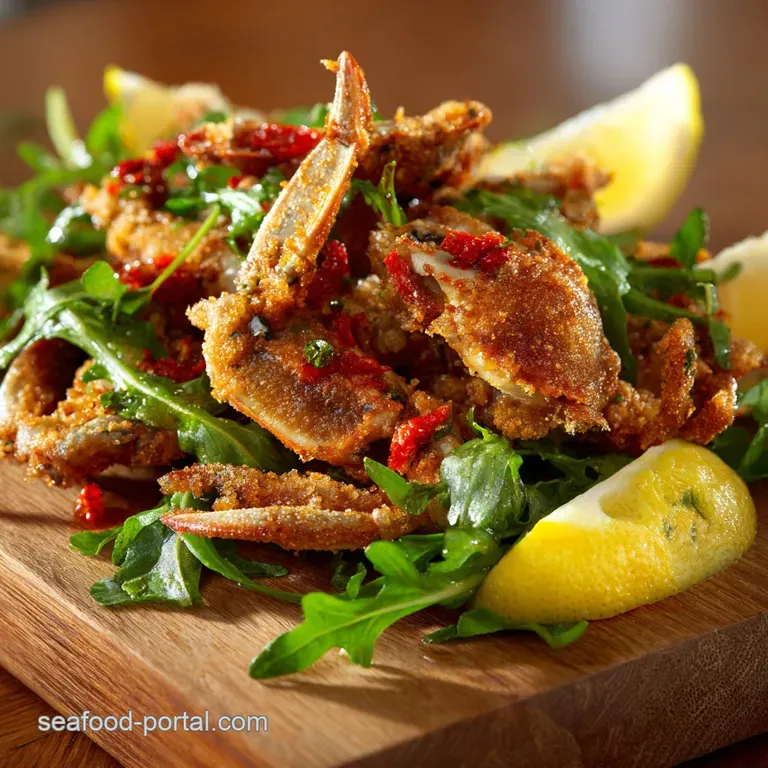
The sound of a perfect shallow fry is pure, blissful music. When these soft shell crabs hit the plate, glistening and golden, the aroma of lemon, sea salt, and Old Bay is genuinely intoxicating. Seriously, nothing beats that first, glorious, shatteringly crisp bite of a perfectly cooked soft shell crab.
People often assume that cooking soft shell crab is difficult, or that it’s exclusively a restaurant thing, but they are absolutely wrong. It is incredibly fast to cook once you’ve done the quick prep, making it a brilliant, slightly decadent indulgence for a weeknight.
It's way easier than making, say, [Crab Mac and Cheese: Luxurious Baked Recipe with Gruyère and Cheddar] if you need a quick seafood fix that feels truly special.
Trust me, this shallow fry method is completely foolproof and delivers maximum crunch without the hassle of a deep fryer. We’re focusing on flavour balance crispiness outside, delicate sweetness inside finished with a bright, punchy lemon herb butter that cuts through the richness beautifully.
Let's get cracking and prepare these seasonal beauties properly.
The Short Season: Finding the Freshest Soft Shell Crab
Soft shell crabs are simply blue crabs that have recently molted their hard outer shell, meaning they are entirely edible, shell and all. The window to catch them is small, mostly during spring and early autumn, so if you see them, grab them!
I usually buy mine from a quality fishmonger, often frozen, which is totally fine if they were flash frozen immediately after harvest.
What Exactly is Soft Shell Crab and How is it Eaten?
This is where the magic happens. Since the shell is soft (like thin parchment paper), you eat the entire thing, legs, body, and all. We are not picking meat out of shells here. The entire crab is usually pan-fried or deep fried and served whole, often in a sandwich or simply with a squeeze of lemon.
It’s seafood convenience at its best.
Getting Prepped: Essential Cleaning Steps Before Frying
I know, the cleaning bit can feel a little intimidating the first time, but it takes about 30 seconds per crab. This step is non-negotiable for a pleasant eating experience. Do not skip the cleaning.
Chef's Note: If you bought them from a good fishmonger, they might have already done this. Ask them! If not, grab your kitchen shears and let's go.
First, snip off the small, pointy face section right behind the eyes. Next, lift the top shell points on each side (like opening a tiny lid) and snip out the grey, feathery lungs those are the "dead man’s fingers." Finally, flip the crab over and snip off the small, triangular flap on the abdomen.
That’s it. Give them a quick rinse and then pat them meticulously dry .
The Pantry & Produce List: Ingredients for Crispy Soft Shell Crab
My favourite part of this recipe is that the ingredient list is short, punching well above its weight in terms of flavour. We rely on a light coating for crunch and that zesty lemon butter for complexity.
| Component | Primary Ingredient | Viable Substitute |
|---|---|---|
| Crab Seasoning | Old Bay Seasoning | Cajun seasoning or a 1:1 blend of paprika, garlic powder, and celery salt. |
| Coating | All-Purpose Flour | Rice Flour + Cornstarch (for GF/extra crispness). |
| Frying Oil | Neutral Oil (Canola/Rapeseed) | Ghee or refined coconut oil (use a thermometer!). |
| Herb Butter | Fresh Parsley | Chives or tarragon for an interesting anise note. |
Detailed Breakdown of the Zesty Lemon Herb Butter
The richness of the fried soft shell crab needs a foil, and this lemon butter is the answer. We melt the butter, then remove it from the heat before stirring in the fresh stuff. This prevents the lemon juice from splitting the butter and keeps the herbs bright green and fragrant.
We want that vibrant yellow zest and the sharp tang of the juice to really shine.
Essential Fats: Choosing Your Frying Oil
Because we are shallow frying at a relatively high temperature (around 360°F), you need an oil with a high smoke point. Canola, rapeseed, or grapeseed oils are your best friends here. I once tried to use extra virgin olive oil because I was out of everything else, and my kitchen immediately filled with smoke.
Don’t do that. Stick to neutral, over high heat oils.
gluten-free Options for the Coating Batter
If you want a coating that’s actually crispier than standard flour, go gluten-free. Rice flour and cornstarch create a truly shatteringly thin crust. Use a mixture that is roughly 80% rice flour and 20% cornstarch, along with your seasonings. It adheres beautifully and gives a superior crunch.
The Great British Fry-Up Method: step-by-step Cooking Guide
This entire process moves fast, so have your dredging station and your draining rack ready to go before the oil even hits the pan.
Preparing the Batter and Dredging Process
- Dry and Season: Ensure the cleaned soft shell crabs are bone dry and lightly sprinkle them with salt and pepper (even before the dredge).
- Make the Dredge: In a shallow dish, thoroughly whisk together the flour, salt, pepper, and the Old Bay seasoning.
- Coat Lightly: Lightly coat each dried crab completely in the flour mixture. Shake off any excess aggressively . We want a thin layer, not a thick blanket.
Monitoring Oil Temperature for Optimal Sizzle
Pour your neutral oil into a heavy bottomed skillet (cast iron is perfect) to a depth of about a half inch. Heat the oil over medium high heat until it’s shimmering. The sweet spot is 350 365°F (175 185° C).
If you don’t have a thermometer, drop a tiny pinch of flour into the oil; it should sizzle immediately and enthusiastically.
Frying Times and Achieving the Golden Brown Crust
- Start Frying: Carefully place two crabs into the hot oil, body side down first. Work in small batches. Overcrowding drops the temperature and ruins the crispness.
- Watch the Colour: Fry for 2 to 3 minutes per side. When they are ready, they will be a deep, beautiful golden brown and smell slightly nutty. The legs should look stiff and crisp.
- Drain Immediately: Using tongs, remove the crabs and place them immediately onto a wire rack set over a baking sheet to drain. This rack is mandatory.
- Season Right Away: Sprinkle the hot crabs with a final pinch of sea salt the very moment they come out of the oil. Repeat with the remaining crabs.
Finishing Touches: Melting the Lemon Herb Butter
While your last batch of crabs is frying, melt the butter gently in a small saucepan. Remove it from the heat and stir in the minced garlic, lemon zest, lemon juice, and chopped parsley. Whisk vigorously and taste it. It should be bright and zesty.
Drizzle this gorgeous, warm butter generously over the perfectly crispy crabs and serve them straight away.
Achieving Maximum Crisp: The Science Behind the Perfect Shallow Fry
Why Shallow Frying Beats Deep Frying Here
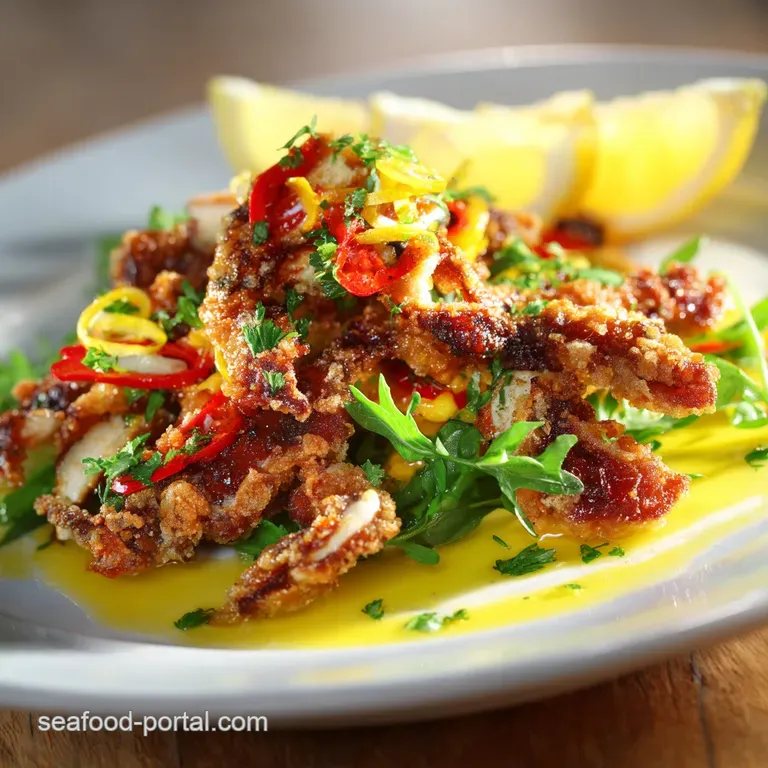
For soft shell crabs, shallow frying gives you just enough hot fat to crisp the coating and cook the delicate meat inside quickly. Since the crab is thin, deep frying often overcooks the inside before the outside reaches perfection.
Shallow frying is less messy, uses less oil, and delivers the exact desired result: extreme surface crispness.
The Secret to the Shatteringly Crisp Coating
It all comes down to controlling moisture and temperature. The light dredge of flour combined with the high heat creates a rapid drying effect on the surface. When the crab hits the hot oil, the water rapidly evaporates, forming bubbles and creating a hard, crisp shell.
Preventing the Batter from Sliding Off
The single biggest reason batter slides off is residual moisture on the protein. If the crab is wet when it hits the flour, the flour turns into a sticky paste instead of a dry barrier, which then sloughs off in the hot oil. Seriously, pat them dry until you think they might crumble.
The Importance of Resting the Fried Crab
Never, ever drain fried food directly onto paper towels. I learned this the hard way many years ago. Paper towels trap the steam coming off the hot oil, causing the bottom of the crab to instantly become soggy. The wire rack allows air to circulate underneath, maintaining that perfect 360 degree crunch.
Expert Frying Tips and Troubleshooting Common Errors
Tip 1: The Cold Oil Catastrophe
Mistake: Putting the crab into oil that is too cool. Fix: The crab will greedily soak up the oil and become horribly greasy. Use a thermometer or the flour sizzle test.
If the crab doesn't start sizzling immediately upon hitting the pan, pull it out, let the oil heat up more, and try again.
Tip 2: Overcrowding the Pan
Mistake: Trying to fry all four crabs at once. Fix: Every time you add cold ingredients to hot oil, the temperature drops dramatically. If you put too many crabs in, the oil cools too much, leading back to Mistake 1 (the greasy crab).
Always work in small batches (two at a time is ideal) to keep the heat consistent.
Handling Leftovers: Storage and Reheating Guide for Soft Shell Crab
Best Methods for Storing Cooked Soft Shell Crab
This dish is absolutely best eaten fresh, within minutes of being cooked. However, if you have leftovers, allow them to cool completely before transferring them to an airtight container. They will keep in the fridge for up to 3 days.
I don't recommend freezing already fried soft shell crab; the texture simply doesn't hold up.
Reheating to Restore Crispness (Skip the Microwave!)
Do not, under any circumstances, reheat this in a microwave. That will turn your beautiful crisp crust into rubbery mush. The key to reheating any fried food is dry, direct heat.
- Oven/Toaster Oven Method: Preheat your oven to 375°F (190°C). Place the crabs on a wire rack set over a baking sheet and heat for about 8 to 10 minutes, or until piping hot.
- Air Fryer Method: This is the best method. Place the crabs in a preheated air fryer at 350°F (175°C) for 5 to 7 minutes until the crust is revived and the crab is hot throughout.
Pairing Perfection: Sides and Sauces for Your Fry-Up
Since this fried crab is so rich and buttery, you need sharp, fresh sides to balance the meal.
For sauces, you could skip my lemon butter entirely and serve them with a dollop of my homemade [Crab Cake Tartar Dip: The Ultimate Luxe, No-Cook Appetizer], or just a simple squeeze of lemon and some hot sauce.
- Vinegar Based Slaw: A crunchy, tart coleslaw with minimal mayo and plenty of vinegar is brilliant.
- Simple Chips: Homemade fries, or even just some simple, boiled new potatoes tossed with dill.
- Peppery Greens: A pile of rocket (arugula) tossed simply with olive oil, salt, and shaved Parmesan offers a fantastic peppery bitterness that cuts through the richness beautifully.
Recipe FAQs
Why isn't my soft shell crab coating getting crispy?
The primary reasons for a soggy coating are oil temperature that is too low or overcrowding the pan. Ensure your shallow frying oil reaches a temperature between 350°F and 375°F (175°C 190°C) before you begin cooking.
Additionally, only cook one or two crabs at a time; too many crabs drop the oil temperature instantly, causing them to steam instead of fry.
Do I need to clean or prepare the soft shell crab before cooking?
Although they are usually sold cleaned, it is essential to check for inedible parts. Look for the gray, spongy gills (known as "dead man's fingers") on the underside and the sand sack/mouth parts near the eyes.
If present, snip these off with kitchen scissors or a sharp knife right before you season and dredge the crab.
Can I use plain flour instead of the suggested coating blend?
While you can use plain all-purpose flour, the resulting coating will be less crispy and lighter in texture. The addition of cornstarch or self raising flour, as often suggested in crispy recipes, introduces structure that helps the batter puff slightly and holds onto the oil better.
For maximum crispness, stick to a mix that includes a starch component.
How do I know when the soft shell crab is fully cooked?
The crab is done when the coating is a deep golden brown, and the crab shell itself is a translucent white and opaque throughout, which usually takes 3 to 5 minutes per side when shallow frying. Since the shell is soft, the entire structure becomes brittle and rigid upon cooking, which is a good indication of doneness.
How should I store leftover fried crab, and can I reheat it successfully?
Store leftovers in an airtight container in the refrigerator for up to two days, preferably separating them with parchment paper. To successfully reheat while maintaining the crisp texture, avoid the microwave entirely, which causes steaming.
Instead, place them on a rack in a 350°F (175°C) oven or air fryer for 5-8 minutes until hot and fully re-crisped.
What are some flavour alternatives to the lemon herb butter finish?
For a bolder flavour profile, swap the butter for a vibrant Asian dipping sauce like a Thai sweet chilli or a classic Vietnamese Nuoc Cham dressing. Alternatively, you can use a spicy, creamy element, such as homemade sriracha or chipotle mayonnaise, which adds a lovely cooling heat to cut through the richness of the fried seafood.
Crisp Soft Shell Crab Recipe
Ingredients:
Instructions:
Nutrition Facts:
| Calories | 148 kcal |
|---|---|
| Protein | 6.6 g |
| Fat | 8.5 g |
| Carbs | 11.2 g |
