Caviar Service: Crisp Potato Galettes with Crème Fraîche
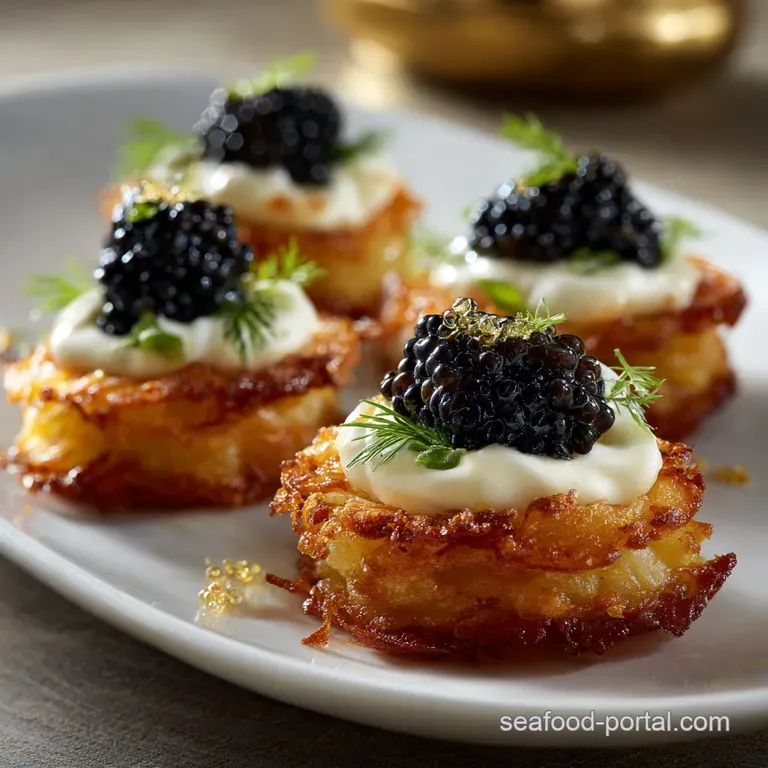
- Celebrating Simple Opulence: Why Classic Caviar Service Endures
- The Science of Texture: Why Potatoes and Crème Fraîche are the Ideal Bed for Caviar
- Essential Components for the Classic Caviar Service
- Crafting the Crisp Potato Galettes: Step-by-Step Method
- How to Make Caviar Step-by-Step
- Expert Tips for Serving and Handling Fine Ingredients
- Preparation and Storage: Keeping Components Fresh
- Elevated Pairings: Complementing the Delicate Flavor Profile
- Recipe FAQs
- 📝 Recipe Card
Celebrating Simple Opulence: Why Classic Caviar Service Endures
Oh my gosh, you have to try this. Forget everything you think you know about intimidating, overpriced appetizers; we are talking about that incredible moment when tiny, beautiful pearls burst on your tongue, releasing a clear, oceanic kiss that just screams sophistication.
The subtle saltiness melts beautifully into the cold tang of the dairy, making you feel instantly glamorous. This is pure, unadulterated luxury in a single bite.
Most people assume serving caviar requires a private yacht or at least a butler, but it’s actually the fastest, most elegant party trick you can pull off. The hard work is already done by the sturgeon; our job is just to provide the absolute best stage for the star.
Trust me, learning simple caviar service is the ultimate shortcut to becoming the host everyone talks about. It's surprisingly approachable.
I’ve experimented with blinis, crackers, and even sliced cucumbers, but nothing beats the texture and rich flavour of a crisp, buttery potato galette as the base. These golden disks provide a sturdy, salty counterpoint to the delicate eggs.
We’re going to focus on technique today because achieving that flawless crispness is the secret sauce. Let’s crack on and elevate your next gathering, shall we?
The Science of Texture: Why Potatoes and Crème Fraîche are the Ideal Bed for Caviar
The goal here isn't just flavour. It's about that incredible dance of textures the shattering crunch of the warm potato galette against the cool, lush dollop of crème fraîche. This simple contrast is essential.
When you get the temperature and texture right, the delicate saline pop of the roe is magnified ten times over.
The Anatomy of a Perfect Bite
Caviar is incredibly subtle, possessing a natural richness and salinity that needs something neutral, yet satisfying, to carry it. The potato galette (which is basically a mini, flat, dense hash brown) provides earthy warmth and a high fat surface, cutting through any potential metallic notes.
You need warmth below and cold above; it's a sensory masterpiece.
Maximizing the Galette Base
Why a galette instead of a standard cracker? Crackers are too dry and fragile. A galette, when properly made, is dense with potato flavour, incredibly buttery, and maintains its structural integrity even under the weight of the crème fraîche.
We are building a flavour platform, not a sinking ship.
The Role of Fat and Salt
Crème fraîche is not interchangeable with standard yogurt or light sour cream. Its high fat content and mild tang provide a richness that coats the palate without being overly sharp. This richness mellows the intense salt profile of the caviar.
Think of it as a creamy, cool blanket for your tiny oceanic pearls.
Essential Components for the Classic Caviar Service
Here is the straightforward shopping list and some crucial notes on handling these precious ingredients. Remember, quality matters here, since the ingredient list is so short.
| Component | Essential Role | Quick Swap/Substitution |
|---|---|---|
| Premium Caviar | The Star: Salinity and texture. | high-quality trout roe (much smaller grain, similar pop) or smoked salmon roe (larger, more orange). |
| Russet Potatoes | Crisp Base: High starch for binding and achieving maximum crunch. | Yukon Golds work, but you MUST dry them out aggressively as they are waxier. |
| Crème Fraîche | Cool Barrier: High fat, mild tang, prevents the caviar from losing its chill instantly. | Full fat sour cream or thick, drained Greek yogurt (for a tangier profile). |
| Egg Yolk | Galette Binder: Holds the grated potato together during frying. | 1 Tbsp Potato Starch or Cornstarch, added to the grated potato mixture. |
Chef's Note: If you cannot find true Crème Fraîche, strain high-quality full fat sour cream overnight in a coffee filter set inside a sieve. This creates the necessary thickness and texture.
Crafting the Crisp Potato Galettes: step-by-step Method
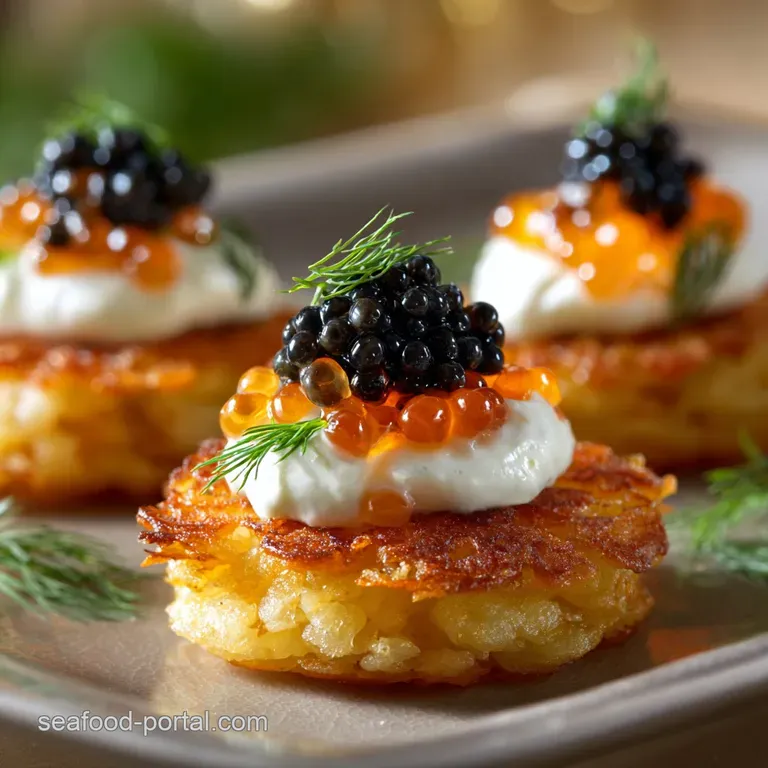
Achieving the perfect, non-soggy potato base is all about moisture control. I learned this the hard way after serving a batch of sad, steamed potatoes years ago. Never again!
Choosing Your Premium Caviar
You don't need the most expensive Beluga (and ethically, maybe skip it anyway). Focus on quality Ossetra, Kaluga, or Siberian sturgeon roe for that gorgeous dark hue and signature pop. Always buy from a reputable supplier who ships it properly chilled.
Selecting the Right Potato Variety (Starch Content)
We use Russets because they are high in starch, which releases when you grate and dry them. This natural starch acts as a fantastic binder once the egg yolk is added. It is the secret to getting that strong, reliable structure.
Crème Fraîche vs. Sour Cream Texture Notes
Sour cream, especially low-fat versions, tends to "break" or weep when it gets too warm. Crème fraîche is much more stable due to its higher fat content. Keep the dairy components icy cold until you are literally spooning them onto the galettes.
Shredding and Drying the Potatoes
This step is the absolute most critical, so pay attention. Grate your potatoes coarsely and rinse them under cold water until the water runs completely clear; this removes loose surface starch. Now, dump the grated potato onto a clean kitchen towel.
Twist that towel like you're trying to win a wrestling match. You need to wring out every drop of moisture. If they are even slightly damp, they will steam, not crisp.
Perfecting the Pan Fry (Butter vs. Oil)
We use a combination of unsalted butter and neutral oil (like vegetable or grapeseed). The butter brings the flavour; the oil raises the smoke point. Heat the fat over medium heat until it shimmers but isn't smoking aggressively.
Fry your galettes in small batches, pressing them down gently with a spatula to ensure maximum surface contact.
Assembling the Jewels: Final Plating
Keep the galettes warm, or serve them at room temperature if you prefer. Layer them immediately with the chilled crème fraîche. Finally, using your designated non-metal spoon, gently dollop the caviar right on top. Don't mash it; let it rest delicately.
A sprinkle of snipped chives finishes the aesthetic beautifully.
How to Make Caviar step-by-step
This is the streamlined process that delivers maximum crispness and perfect texture every single time.
Preparation Steps
- Grate the peeled potatoes and rinse thoroughly under cold running water until the starch is gone. Squeeze the potatoes bone dry using a cloth towel. Seriously, squeeze until your arms hurt!
- In a bowl, mix the dried potato with the egg yolk, ½ tsp salt, and pepper. Form the mixture into small, flat rounds (about 2 inch wide).
- Prepare your garnish: finely mince the shallots (if using) and snip the chives. Place the crème fraîche and caviar back in the fridge or on a bed of ice.
Cooking Process
- Heat 2 Tbsp butter and 1 Tbsp oil in a heavy bottomed frying pan over medium heat. When the fat shimmers, add the galettes in batches, making sure not to crowd the pan.
- Fry each side for 3– 4 minutes until they are deeply golden brown and beautifully crisp; the aroma should be nutty and rich.
- Remove the galettes and place them on a wire rack lined with paper towels to drain excess oil. While they are still piping hot, immediately sprinkle them with the remaining salt.
Expert Tips for Success
The key to truly successful service is keeping the hot and cold elements separate until the very last minute. Serve the galettes warm/room temp, but the dairy and roe must be ice-cold .
Common Mistakes to Avoid
| Mistake | Why it Happens | The Fix |
|---|---|---|
| Soggy Galettes | Potatoes were not adequately dried before mixing/frying. | Squeeze harder! Use a thin muslin cloth if necessary, they must be desiccated. |
| Metallic Flavor | Using a standard metal spoon for handling the roe. | Only use Mother-of-Pearl, bone, or plastic spoons. Metal ruins the flavour instantly. |
| Runny Caviar | Allowing the roe to sit at room temperature for too long. | Serve the caviar in a glass bowl set inside a larger bowl of crushed ice. |
Expert Tips for Serving and Handling Fine Ingredients
Handling caviar feels intimidating, but these rules are non-negotiable for preserving its integrity.
Avoiding a Soggy Galette Base
Once the galettes are cooked, do not stack them on top of each other while they cool. This traps steam and instantly destroys the crispness you worked so hard to achieve. Drain them flat on a wire rack.
Best Practices for Scooping Caviar (No Metal Spoons)
Seriously, drop that silver spoon. The chemical reaction between metal and the sturgeon roe releases a slightly bitter, metallic taste that masks the delicacy. Mother-of-pearl is the traditional choice for a reason; it’s non-reactive and gentle on the fragile eggs.
Troubleshooting Over Salting
If your galettes taste too salty (maybe you got carried away with the post fry sprinkle), counteract it by using a slightly larger dollop of crème fraîche, which acts as a fatty buffer. A tiny squeeze of fresh lemon juice also helps cut through the salinity beautifully.
Preparation and Storage: Keeping Components Fresh
You want to minimize last minute panic, so prep everything you can ahead of time.
Storing Pre-Shredded Potatoes
You can grate and dry the potatoes up to 3 hours ahead of time. Once completely dried, keep them covered tightly with plastic wrap in the fridge. Do not add the egg yolk until just before you are ready to fry, or the mixture will start to release liquid again.
Keeping Galettes Crisp Post Cook
If you need to cook the galettes a few hours ahead, store them uncovered at room temperature, then place them on a baking sheet and reheat quickly in a 350°F (175°C) oven for about 5 minutes right before assembly. They’ll crisp up instantly.
Caviar Refrigeration Guidelines
Caviar must be stored at the coldest usable temperature, ideally between 28°F and 32°F (-2°C to 0°C). The best spot in your fridge is usually on the bottom shelf, towards the back, where the temperature is most stable and cold.
Never freeze caviar; it destroys the delicate texture, resulting in mushy eggs when thawed. Unopened, it can last 4 6 weeks, but once opened, you need to finish it within three days.
Elevated Pairings: Complementing the Delicate Flavor Profile
You've done the hard work, now it’s time to enjoy the rewards.
A classic, bone dry, highly acidic Brut Champagne is the quintessential pairing, cutting perfectly through the fat of the potato and the crème fraîche. The fine bubbles cleanse the palate, preparing it for the next burst of ocean flavour.
If you aren't feeling Champagne, an ice-cold, crisp, unfiltered vodka is another brilliant traditional route that achieves the same palate cleansing effect. It's sophisticated simplicity at its best.

Recipe FAQs
What is the proper way to store unopened and opened caviar?
Unopened tins should be stored in the coldest part of your refrigerator, ideally between 28°F and 32°F (-2°C and 0°C), where they can last 4 to 6 weeks. Once the tin is opened, the delicate roe begins to oxidize rapidly and must be consumed within 48 hours for optimal flavor and texture.
Never attempt to freeze premium caviar, as the freezing process bursts the membranes and turns the texture mushy upon thawing.
Why does my caviar sometimes taste metallic or overly fishy?
A metallic taste is almost always caused by using silverware, particularly stainless steel, which reacts chemically with the salt and fish oil. Always serve and eat caviar using non-reactive utensils such as mother-of-pearl spoons, bone, glass, or plastic.
If the flavor is simply too fishy, it suggests the product was stored improperly or served too warm, degrading the quality.
Can I prepare the potato galettes ahead of time?
For the best, crispiest result, the galettes should be cooked immediately prior to serving. However, you can shred the potatoes and mix them with butter and seasoning up to four hours in advance, keeping the mixture tightly covered and refrigerated to prevent discoloration.
If you must cook them ahead, flash reheat them in a 400°F (200°C) oven for a few minutes right before serving to restore their crunch.
What is the ideal serving temperature for caviar, and how do I maintain it?
Caviar should be served intensely chilled, ideally right at the freezing point, between 28°F and 32°F (-2°C and 0°C). This firm temperature preserves the pop of the eggs and prevents any overly assertive aroma from developing.
To maintain this, always present the tin nestled in a bed of crushed ice throughout the service.
What is the best alternative if I cannot find Crème Fraîche?
A high-quality, full fat European style sour cream is the most common and accepted substitution, although it will introduce slightly more tang than traditional crème fraîche. Alternatively, whipping high-quality cream cheese with a tiny bit of heavy cream can achieve a similar decadent texture.
Ensure any substitute is cold and unsweetened.
Beyond the potato galettes, what other bases work well for this classic caviar service?
Traditional Russian blini (small yeast pancakes) are perhaps the most classic pairing and offer a soft, spongy counterpoint to the salt. You can also use thin slices of toasted baguette, mild pita chips, or, for a simple low-carb option, small cups of chilled Belgian endive leaves or cucumber slices.
The key is to choose a base that is structurally sound and mildly flavored.
What beverages pair best with caviar to enhance its flavor profile?
The classic and preferred pairings are bone dry Champagne, particularly a Blanc de Blancs, or chilled, high-quality, unflavored vodka, which acts as a palate cleanser. Both beverages cut through the richness of the roe and the butteriness of the galette without overpowering the delicate brininess.
Avoid highly acidic or heavily oaked wines, which tend to clash.
Crisp Potato Galettes With Classic Caviar

Ingredients:
Instructions:
Nutrition Facts:
| Calories | 235 kcal |
|---|---|
| Fat | 17 g |
| Fiber | 2 g |
