Baked Catfish: Crisp Lemon-Pepper Style
Maximizing Flavor: An Introduction to Crispy Baked Catfish
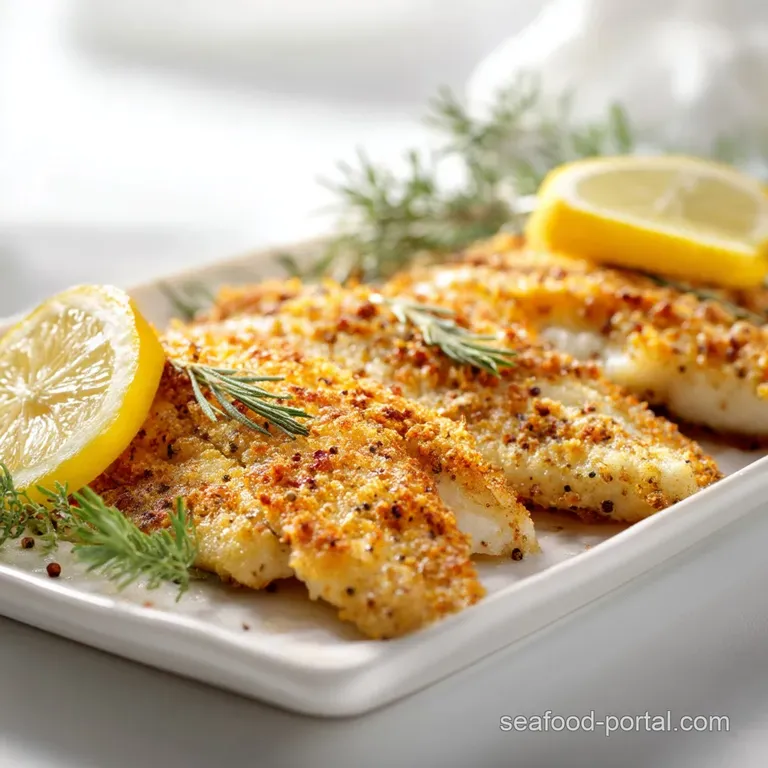
That sound that unmistakable, light crunch as you slice through a perfectly golden crust that’s the moment I live for in the kitchen. When you pair that texture with ultra flaky, moist white fish, you have achieved heaven.
We’re aiming for the soul food comfort of fried catfish but without the heavy oil, the mess, or the guilt. This Baked Catfish recipe is a game changer.
Life is ridiculously busy, and I need dinner that’s fast, incredibly flavorful, and doesn’t break the bank. Catfish is consistently a reliable, high protein staple, and this preparation takes less than 40 minutes from start to finish.
It is a genius way to get satisfying food on the table, proving you don't need a deep fryer for serious texture.
Forget those dry, bland, soggy oven baked flops of the past. I’ve refined this technique over years of flops and fixes, and now I’m sharing the secret to the absolute best way to make Baked Catfish . Get ready for a weeknight hero that tastes anything but quick.
The Magic of the Lemon Pepper Crust
This crust is everything, truly. It’s what delivers the authentic Southern flavor and the professional grade crunch. We use a strategic mix of fine cornmeal, which delivers that characteristic grainy texture, combined with Panko breadcrumbs for maximum, lightweight crunch.
The secret flavor weapon? Fresh lemon zest rubbed directly into the Panko and cornmeal mixture. When the zest is mixed vigorously with the dry coating, it releases its essential oils, infusing the entire crust with bright, fresh aroma.
The texture of this Baked Catfish is what makes it feel so wonderfully indulgent.
Why Baking Beats Frying for Meaty Fillets
Frying is fantastic, sure, but it involves wrestling with large amounts of hot oil and often results in the fish absorbing too much fat. When you choose to bake catfish, you gain total control over the moisture and temperature.
Baking provides a consistent, even heat that cooks the fillet beautifully from the inside out.
When you bake at a high temperature, you retain the fillet’s natural moisture, ensuring your final Baked Catfish is unbelievably flaky and moist. Plus, let’s be real, my kitchen doesn't smell like a state fair afterward, and cleanup is a breeze.
That’s a massive win-win in my book.
Prep Time and Difficulty Snapshot
This preparation is genuinely an easy recipe, making it perfect for novice fish cooks. The method involves simple seasoning mixing and a straightforward two-step coating process. Our biggest task is simply setting up the dredging station efficiently.
The greatest difficulty is avoiding overcooking the fish easily managed by using a simple instant read thermometer. We are setting ourselves up for success with this streamlined process.
Essential Components and Chef’s Notes on Ingredients
You don't need a mile long ingredient list to achieve huge flavor. This recipe relies on bold, high impact seasoning, a good crispy coating, and the perfect finishing touch. Don't skimp on quality; it truly makes a difference here.
Selecting the Best Catfish Fillets
I always look for thicker, higher quality catfish fillets, ideally around 6 ounces (170g) each. Thin fillets, say 3 or 4 ounces, tend to dry out too fast when preparing Baked Catfish in the Oven at the necessary high heat.
If you use thin fillets, you must reduce the baking time significantly maybe by 4 or 5 minutes.
If you are using frozen catfish which is totally fine you must thaw it completely in the refrigerator overnight. Then, and this is crucial, pat those fillets dryer than dry using paper towels. Moisture lurking on the surface will create steam and prevent a perfect crust from forming.
Ingredient Swaps for the Lemon Pepper Seasoning
While I think the combination of smoked paprika and cayenne pepper is unbeatable, sometimes you have to work with what you have. Flexibility in the kitchen is key to a happy life.
Remember, the seasoning mix is what defines this healthy Baked Catfish recipe; make sure you love the flavor profile before you commit to coating the fish.
| Ingredient | Preferred Substitute | Note on Flavor Change |
|---|---|---|
| Panko Breadcrumbs | Crushed Cornflakes or standard fine breadcrumbs | Panko provides superior texture; cornflakes deliver great shatter. |
| Smoked Paprika | Sweet Paprika + a tiny pinch of chili powder | Loses the smoky depth, but retains the deep red color and flavor complexity. |
| Fine Yellow Cornmeal | Skip the cornmeal and use all Panko | The Southern texture will be absent, but the fish will still be crisp. |
| Cayenne Pepper | Extra Black Pepper or a pinch of Red Pepper Flakes | Adjust heat based on preference; omit entirely if serving to children or spice sensitive adults. |
The Zesty Parsley Butter Breakdown
This finishing step takes your simple Baked Catfish from "great weeknight dinner" to "restaurant quality." Melted butter carries the bright, acidic flavors of fresh lemon and parsley deep into the already crisp crust as the fish rests.
It adds that necessary mouthfeel and richness, ensuring the fish remains incredibly moist beneath the crust. If you skip the finishing butter, your Baked Catfish might taste a little too dry or flat, especially if your fillets were on the thinner side.
Don’t be shy with the glaze it’s pure magic.
Master the Technique: Detailed Instructions for Making the Catfish
We're going to break down the process into controlled steps, focusing on maximizing the crispy texture we crave. Precision here yields perfect results.
Prepping the Fish and Setting Up the Dredging Station
First things first: crank that oven up to 425°F (220°C). Then, grab your wire cooling rack and place it squarely inside the baking sheet. I cannot stress enough how important that rack is. It elevates the fish, allowing air to circulate, guaranteeing a crunchy bottom crust.
Lightly spray the rack with oil; this prevents the coating from sticking when you go to flip or remove the fish later. Ensure your Baked Catfish Fillets are completely patted down before proceeding.
The Two-Step Coating Process
We are using a slightly unusual but incredibly effective coating technique for baked fish that eliminates the need for messy egg washes. We substitute the egg for oil as our binder.
First, combine the olive oil (or melted butter) with salt and pepper in your first shallow dish. Next, whisk together the cornmeal, Panko, and all the seasonings in the second dish, paying special attention to distributing that lemon zest evenly.
When making Baked Catfish at home, moisture control and even coating are everything.
Dip the dry fillet lightly into the oil mixture just enough to dampen the exterior then immediately transfer it to the dry seasoning mix. Press the coating firmly onto both sides and the edges. Give it a good, firm pat so the crust adheres completely.
Place the coated fillets onto the wire rack, leaving at least an inch of space between them.
Baking Time and Internal Temperature Check (Critical Step)
Place the baking sheet into the preheated, screaming hot oven. We are baking at 425°F (220°C) for a reason: this high heat is essential for crisping the coating quickly before the fish overcooks. If you use a lower temperature, the fish will simply steam and get soggy.
Bake for 18 to 20 minutes, depending on the thickness of your fillets. The crust should be beautifully golden brown and look exceptionally crisp.
Chef’s Note: The only reliable way to know if your fish is done is by using an instant read thermometer. Insert it into the thickest part of the fillet; once it registers 145°F (63°C), pull it out immediately.
Overcooked Baked Catfish is a tragedy waiting to happen.
Finishing with the Parsley Butter Glaze
While the fish rests on the counter for two or three minutes (always let fish rest!), quickly melt your butter and whisk in the fresh lemon juice, chopped parsley, and salt.
Drizzle this Zesty Parsley Butter lightly over the Flaky Baked Catfish fillets. The residual heat will warm the butter and release the aromas of the herbs, adding a final layer of brightness and guaranteeing a moist, flavorful result.
Troubleshooting and Expert Cooking Advice
We all make mistakes in the kitchen, and I’ve certainly ruined my share of otherwise perfect fish. Here are the most common pitfalls when tackling this specific method for catfish.
Preventing a Soggy Bottom: Rack Placement Strategy
This is the number one reason people fail to get a crisp crust when baking anything that should be "fried." If you place the fish directly on the pan, the juices seep out and sit underneath the fillet. This creates a pocket of steam that guarantees a soggy, gummy crust.
The solution, as we know, is the wire rack. I once tried to bake six large fillets simultaneously, crowding the rack. Bad idea. The air couldn't circulate properly, and the two middle fillets were slightly soft underneath. Give your Baked Catfish room to breathe!
Identifying When Catfish is Perfectly Flaky (Doneness Check)
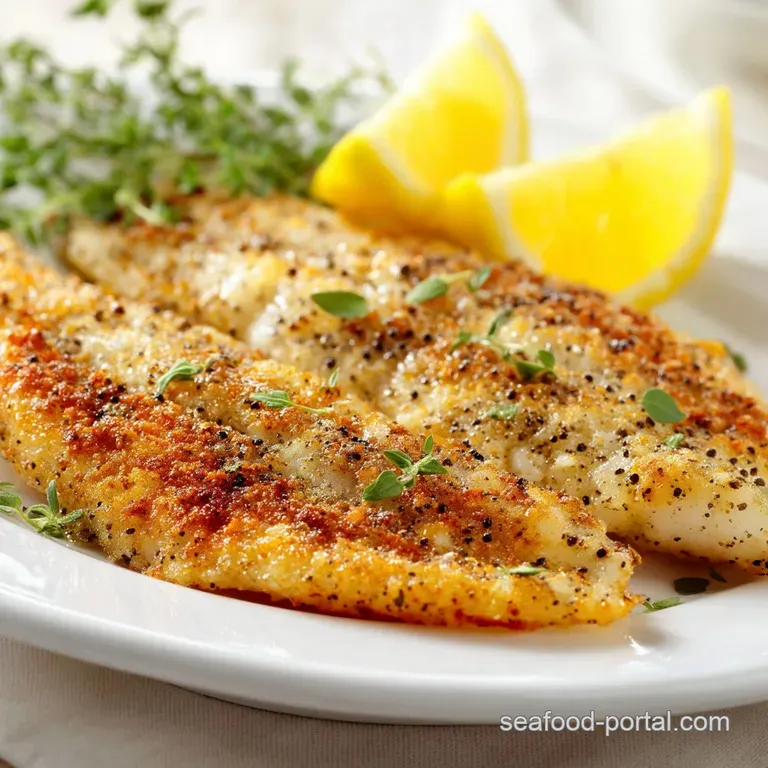
You are looking for two visual cues. First, the crust should be a deep, appetizing, nutty golden brown, indicating total dehydration of the coating. Second, and most importantly, the interior.
Insert a fork into the thickest part of the fillet. It should flake away easily, appearing completely opaque (white) throughout. If you see any hint of translucence or pinkness near the center, it needs two more minutes in the oven. Always aim for moist Baked Catfish .
Adjusting Seasoning Levels Before Baking
Taste your crumb mix. This might sound weird, but it is the best advice I can give you for any coated protein. Before coating the fish, take a small pinch of the dry mixture and taste it.
It should taste slightly too salty, too spicy, or too strong. Why? Because that intense flavor needs to season the mild fish flesh and still taste great when diluted by the butter and moisture of the final product. If the mix tastes bland now, your final Baked Catfish will absolutely be bland.
Adjust the salt and cayenne until it gives you a real kick.
Storage, Freezing, and What to Serve Alongside
Don’t worry if you end up with leftovers; this fish stores better than you might think, provided you reheat it correctly.
Best Practices for Storing Leftover Fillets
Leftover Baked Catfish should be cooled completely on the wire rack do not cover it while it’s still warm, or the condensation will ruin the crust. Once cooled, store the fillets in an airtight container in the refrigerator. They will keep beautifully for up to 3 days.
If you’re a big fan of this kind of hearty, perfectly cooked fish, you might also like my recipe for Catfish and Grits: Ultra Crispy Fish with Creamy Cheddar for a completely different but equally delicious preparation style.
Reheating Baked Catfish Without Drying It Out
Never, ever microwave crisp coated fish. I once tried, and the result was rubbery fish and a soggy, sad crust. It’s an insult to the fish, frankly.
The best way to get that crispy texture back is to reheat the Baked Catfish in a conventional oven or a toaster oven. Preheat the oven to 350°F (175°C) and place the fish back on the wire rack for about 8 to 12 minutes.
This gentle, dry heat allows the crust to crisp up again without overheating the delicate interior. It will come out tasting nearly as good as fresh.
Perfect Southern Inspired Side Dish Pairings
Catfish demands comfort food and sharp, bright flavors to cut through its richness. I like to keep the sides simple because the flaky Baked Catfish is truly the star of the show.
- The Classic Plate: Creamy, stone ground Cheesy Grits are mandatory in my house, alongside a crisp, vinegar based coleslaw.
- For a Lighter Meal: Pair the fish with simple Roasted Asparagus tossed with lemon zest, or a vibrant, peppery arugula salad dressed lightly with vinaigrette.
- Beverage Pairing: A crisp, chilled Sauvignon Blanc or a dry Prosecco works beautifully to complement the lemon and cut through the richness of the butter.
This easy Baked Catfish recipe proves that healthy food doesn’t have to be boring or difficult. By controlling the moisture, using bold seasoning, and relying on that all-important wire rack, you can achieve deep fried results right in your oven.
Go ahead, gather your ingredients, and make the best Baked Catfish you've ever had. It’s time to eat!

Recipe FAQs
How do I ensure the cornmeal crust gets crisp and not soggy?
To maximize crispness, ensure your fillets are thoroughly patted dry before dredging, as residual moisture creates steam. Additionally, place the catfish on a wire rack set inside the baking sheet, which allows air to circulate around the bottom of the fillet, preventing a soggy base.
Why is my baked catfish turning out dry and tough?
Dryness is almost always a result of overcooking. Catfish is a lean fish and cooks very quickly; aim to bake it until the internal temperature reaches precisely 145°F (63°C). Using thicker fillets can also help, as they retain moisture better than very thin cuts.
Can I substitute other herbs or spices for the lemon pepper flavor?
Absolutely. The baking technique is highly versatile and works well with many profiles. Try using Cajun seasoning and oregano for a spicier result, or dill and chives for a milder, more European flavor profile. Always ensure you include a binder like oil or butter to help the crust adhere.
Do I need to soak the catfish in milk or buttermilk before baking?
Soaking in milk or buttermilk is an old tradition used to neutralize any potential "muddy" flavors sometimes found in wild caught catfish. If you are using high-quality, farmed catfish, this step is unnecessary. Simply rinse the fish and pat it very dry before seasoning.
What is the best way to store and reheat leftover baked catfish?
Store leftovers in an airtight container in the refrigerator for up to three days. To reheat while preserving the crispness, use an oven or an air fryer set to 350°F (175°C) for about 5 to 8 minutes, avoiding the microwave which results in a rubbery texture.
How do I know when the catfish is fully cooked?
The fish is perfectly cooked when the flesh is opaque white and flakes easily with a fork at its thickest point. If you use a thermometer, the safe internal temperature is 145°F (63°C), and it is best to pull the fish slightly before it hits this mark, as it will continue cooking from residual heat.
Can I use regular breadcrumbs instead of Panko and cornmeal?
While you technically can use regular breadcrumbs, they are much finer and absorb moisture more quickly than Panko. Panko and cornmeal are specifically used here because they create an airier, much crunchier crust essential to the "crisp" title. If you must substitute, use a heavier hand with the seasoning.
Crisp Baked Catfish Fillets
Ingredients:
Instructions:
Nutrition Facts:
| Calories | 436 kcal |
|---|---|
| Protein | 33.7 g |
| Fat | 19.9 g |
| Carbs | 31.2 g |
