Creamy Garlic Herb Seafood Pasta
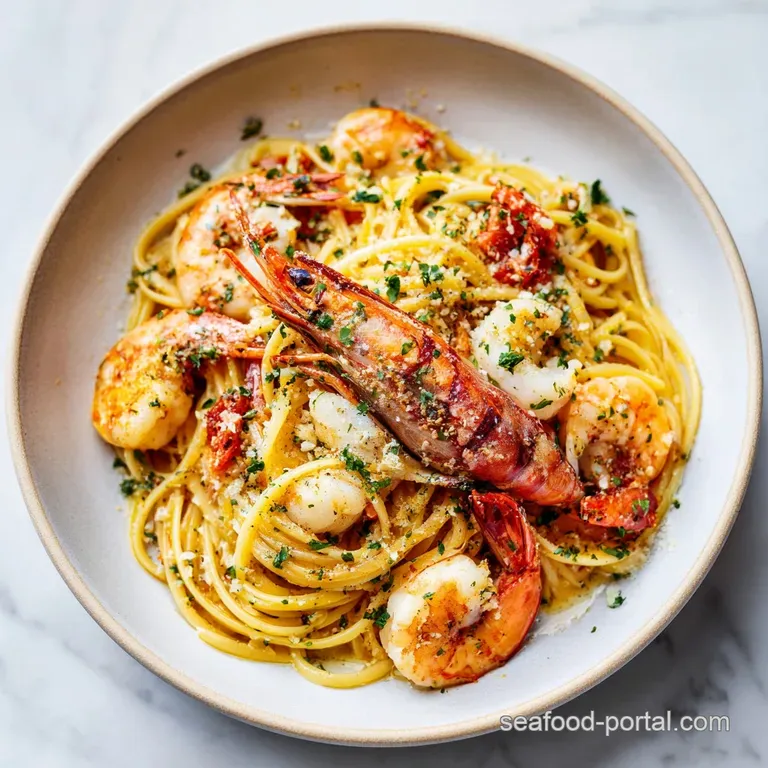
- Time: Active 10 minutes, Passive 10 minutes, Total 20 minutes
- Flavor/Texture Hook: Succulent, buttery seafood paired with a silky, herb flecked garlic sauce
- Perfect for: Impressive weeknight date nights or quick luxury dinners
- Experience This Seafood Dinner Idea with Garlic and Herbs
- What Actually Makes This Seafood Dish Work
- Component Analysis for Peak Flavor
- The Elements of a Flavorful Coastal Feast
- The Essential Tools for Seafood Mastery
- Creating Your Masterpiece Step by Step
- Avoiding Kitchen Disasters and Common Seafood Pitfalls
- Adjusting Your Recipe for Any Crowd Size
- Proper Storage and Second Day Flavor Tips
- Perfect Pairings for Your Garlic Herb Pasta
- Dispelling Common Kitchen Myths
- Recipe FAQs
- 📝 Recipe Card
Experience This Seafood Dinner Idea with Garlic and Herbs
The first time I tried to make scallops at home, it was a total disaster. I remember the sound, or rather the lack of it, when they hit the pan. Instead of a sharp, aggressive sizzle, there was a sad, wet hiss. Within seconds, my skillet was full of gray liquid, and I ended up with what looked like boiled erasers.
It was heartbreaking, honestly. I realized later that I hadn't dried them properly, and the pan wasn't nearly hot enough. But that failure was the best teacher I could have asked for. It taught me that seafood is all about timing, temperature, and moisture control.
When you get it right, though, the kitchen fills with the most intoxicating aroma. It is the scent of garlic meeting melting butter, the sharp tang of white wine hitting a hot pan, and the earthy, fresh perfume of chopped parsley and basil.
This article shares a standout seafood dinner idea featuring garlic and herbs that I've refined over the years to ensure you never have to eat a boiled eraser again. It is the kind of meal that feels incredibly fancy but actually comes together in just 20 minutes.
We are talking about large, juicy shrimp and sea scallops that have a beautiful golden crust, tossed in a sauce that is rich but not heavy. The secret is the way the heavy cream plays with the starchy pasta water and the acidity of the lemon. It creates this velvety coating that doesn't just slide off the linguine.
It is a dish that invites you to slow down, pour a glass of the wine you used for cooking, and just enjoy the process of making something truly special from scratch.
What Actually Makes This Seafood Dish Work
If you have ever wondered why some seafood pastas are watery while others are perfectly creamy, it usually comes down to three specific things. First, the way we handle the seafood before it even touches the pan is vital.
By patting the shrimp and scallops bone dry, we allow the heat to immediately start the browning process instead of wasting energy evaporating surface moisture. This creates that golden exterior that packs so much flavor.
Second, the use of starchy pasta water is a total game changer. I used to just drain my pasta and wonder why my sauces were thin. But that cloudy water is liquid gold. It contains loosened starches from the linguine that act as a natural bridge between the fats in the butter and cream and the liquids in the wine and lemon juice.
This process creates a stable emulsion that stays silky and thick, even as the dish cools slightly on the plate.
Third, the order of operations matters more than people think. We sear the seafood first and then remove it. This prevents the shrimp from becoming rubbery while the sauce simmers. By adding the seafood back at the very last second, we just gently warm it through, keeping it tender and succulent.
It is a simple adjustment that makes a massive difference in the final texture.
| Method | Time | Texture | Best For |
|---|---|---|---|
| Traditional Skillet | 10 minutes | Golden crust with tender centers | Maximum flavor and restaurant quality |
| oven-roasted | 12 minutes | Evenly cooked but less browning | Hands off prep for larger batches |
| One Pot Style | 15 minutes | Softer seafood, very creamy pasta | Minimal cleanup on busy nights |
The skillet method we are using here is superior because it allows for that beautiful sear. If you are looking for more ways to master these flavors, you might want to look into my seafood butter sauce recipe which uses similar principles of temperature control to achieve a perfect finish.
Component Analysis for Peak Flavor
Understanding what each ingredient does in the pan helps you become a more intuitive cook. It isn't just about following a list; it is about knowing how these elements interact to create a balanced bite.
For example, using unsalted butter gives us complete control over the seasoning, which is important because seafood can sometimes carry its own saltiness.
| Ingredient | Science Role | Pro Secret |
|---|---|---|
| Sea Scallops | Protein structure | Remove the "foot" or side muscle; it becomes tough when cooked. |
| Dry White Wine | Acidic deglazer | Use a Pinot Grigio or Sauvignon Blanc for a crisp, clean finish. |
| Heavy Cream | Fat stabilizer | Don't use milk; the fat content is needed to prevent curdling with the lemon. |
| Garlic | Aromatic base | Mince it fresh. Pre minced jarred garlic has a bitter, metallic aftertaste. |
I always recommend using fresh herbs whenever possible. Dried herbs just don't have the same vibrancy or the essential oils that make this dish sing. When that fresh basil and parsley hit the warm sauce, they release an aroma that is absolutely foundational to the experience.
The Elements of a Flavorful Coastal Feast
To get the best results, you need to start with high-quality ingredients. For the seafood, I always look for "dry" scallops. Some scallops are treated with a phosphate solution (called "wet" scallops) that makes them soak up water, which makes them almost impossible to sear properly.
If you can find wild caught shrimp, the flavor is usually much more pronounced and sweet.
- 1 lb Large Shrimp, peeled and deveined: Why this? They cook quickly and provide a satisfying, meaty texture in every bite.
- Substitute: Large scallops or even chunks of firm white fish like halibut.
- 1/2 lb Sea Scallops, tough side muscle removed: Why this? They add a luxurious, buttery sweetness that elevates the entire meal.
- Substitute: Bay scallops, though they cook much faster and won't get the same sear.
- 12 oz Linguine pasta: Why this? The flat surface area is ideal for holding onto the creamy garlic sauce.
- Substitute: Fettuccine or spaghetti work just as well in this context.
- 4 tbsp Unsalted butter: Why this? Provides the rich, silky mouthfeel that defines a classic seafood pasta.
- Substitute: Ghee for a nuttier flavor or a high-quality vegan butter.
- 6 cloves Garlic, minced: Why this? The backbone of the flavor profile; don't be afraid of the quantity.
- Substitute: 1 tbsp garlic paste if you're in a real rush.
- 1/2 cup Dry white wine: Why this? Cuts through the richness of the cream and adds a sophisticated depth.
- Substitute: Chicken or vegetable broth with an extra teaspoon of lemon juice.
- 1/2 cup Heavy cream: Why this? Essential for that velvety, coating texture that won't break.
- Substitute: Full fat coconut milk (note: adds a subtle tropical flavor).
- 1/4 cup Fresh parsley, finely chopped: Why this? Adds a necessary punch of freshness and bright color.
- Substitute: Fresh chives for a mild onion like finish.
- 1 tbsp Lemon juice, freshly squeezed: Why this? Wakes up all the other flavors at the very end.
- Substitute: A half teaspoon of white wine vinegar.
- 1/4 cup Freshly grated Parmesan cheese: Why this? Adds saltiness and helps thicken the sauce into a glaze.
- Substitute: Pecorino Romano for a sharper, saltier kick.
The Essential Tools for Seafood Mastery
You don't need a professional kitchen to pull this off, but a few specific tools make the process much smoother. A large skillet is non negotiable because you need enough surface area to sear the seafood without crowding it. If the shrimp and scallops are too close together, they will steam instead of browning.
I personally love using a 12 inch stainless steel or cast iron skillet for this. Stainless steel is great because it creates "fond" those little brown bits on the bottom of the pan that dissolve into the wine to make a legendary sauce.
You will also need a large pot for the linguine, a colander, and a pair of tongs. Tongs are much better than a spatula for flipping delicate scallops without tearing them.
Finally,, make sure you have plenty of paper towels. I know it sounds simple, but drying that seafood is the most important step in the entire process. If you skip it, you're just making a seafood stew, not a seared masterpiece. A microplane is also helpful for grating that Parmesan fresh; the stuff in the green can just won't melt the same way into your Seafood Sauce.
Creating Your Masterpiece step-by-step
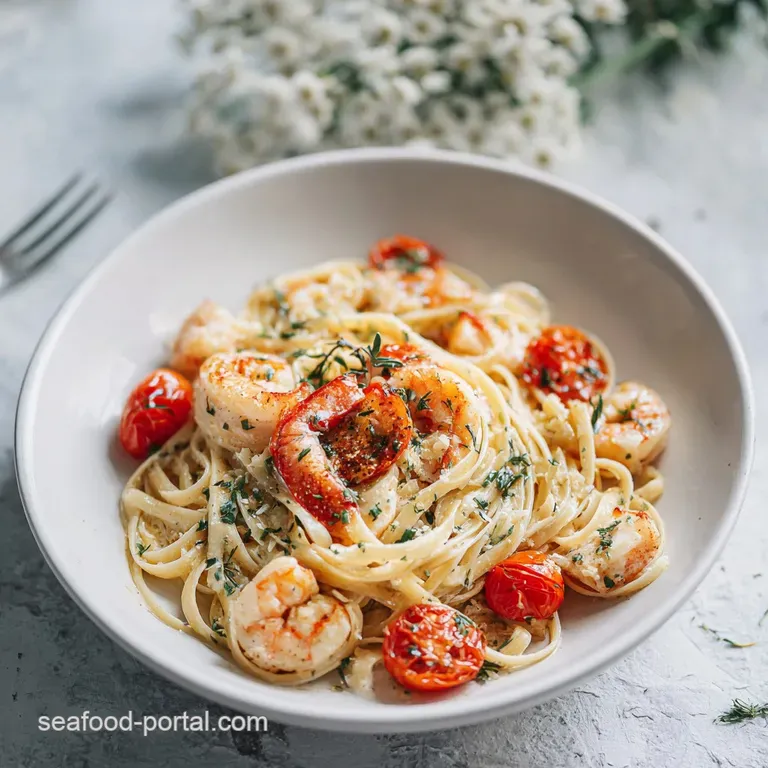
- Boil the pasta. Bring a large pot of salted water to a boil. Cook the linguine until 1 minute before al dente. Reserve 1 cup of starchy pasta water before draining. Note: Finishing the pasta in the sauce ensures it absorbs the flavor perfectly.
- Prep the seafood. Pat shrimp and scallops dry with paper towels. Season with salt and pepper. Note: Removing every bit of moisture is the key to a golden crust.
- Sear the seafood. Heat olive oil in a 12 inch skillet over medium high heat and sear seafood for 2 minutes total until golden and crackling. Remove and set aside.
- Aroma Checkpoint. At this stage, you should smell the sweet, caramelized scent of the seafood. It shouldn't smell fishy; it should smell like a high end steakhouse.
- Sauté the aromatics. Reduce heat to medium. Add butter and minced garlic to the skillet, sautéing for 1 minute until the garlic is fragrant and golden but not brown.
- Deglaze the pan. Pour in white wine to deglaze the pan, simmering for 3 minutes until reduced by half. Note: This concentrates the flavor and cooks off the harsh alcohol edge.
- Build the sauce. Stir in heavy cream and 1/4 cup of reserved pasta water. Bring to a gentle simmer until the sauce starts to thicken slightly.
- Combine everything. Add the cooked pasta, seared seafood, and fresh herbs to the skillet.
- Aroma Checkpoint. You will notice a sudden shift as the wine and cream mingle with the basil and parsley. It becomes a bright, garden fresh scent that balances the rich butter.
- Final toss. Toss vigorously for 60 seconds, adding more pasta water if needed. Turn off heat and stir in Parmesan cheese and lemon juice before serving. Look for a glossy, velvety coating on the noodles.
Avoiding Kitchen Disasters and Common Seafood Pitfalls
One of the biggest mistakes people make with this dish is overcooking the shrimp. Shrimp give you a very clear signal when they are done. They turn from a translucent gray to an opaque pink and curl into a "C" shape. If they curl tightly into an "O" shape, they are overcooked and will be tough.
Scallops are similar; they should still be slightly soft in the center when you pull them off the heat.
Another issue is the sauce breaking or becoming greasy. This usually happens if the heat is too high when you add the cream and cheese, or if you don't use enough pasta water. The pasta water acts as an emulsifier.
If your sauce looks like it is separating into oil and liquid, add a splash more of that starchy water and whisk it vigorously.
Why Your Seafood Is Rubbery
If your seafood feels like chewing on a rubber band, it stayed in the pan too long. This often happens if you leave it in the skillet while the sauce is reducing. Always remove the seafood after the initial sear.
The carryover heat and the final 60 second toss are more than enough to finish the cooking process without drying them out.
Why Your Sauce Is Watery
A watery sauce usually means the wine wasn't reduced enough or you used too much pasta water too early. You want that wine to be thick and syrupy before you add the cream. Also, remember that the Parmesan cheese acts as a final thickening agent.
If it still looks thin, let it sit for two minutes off the heat; the pasta will continue to soak up the liquid.
| Problem | Root Cause | Solution |
|---|---|---|
| Bland flavor | Lack of salt or acid | Add a pinch of sea salt and another squeeze of lemon juice at the end. |
| Tough scallops | Cooking too long | Sear for only 60-90 seconds per side; they should have a slightly translucent center. |
| Curdled sauce | Adding lemon too early | Always stir in the lemon juice after the heat is turned off to prevent the acid from curdling the cream. |
Common Mistakes Checklist
- ✓ Forgot to save the pasta water (always set a timer to remind yourself before draining).
- ✓ Skillet wasn't hot enough before adding seafood (wait for the oil to shimmer).
- ✓ Used cold cream (let it sit out for 10 minutes so it doesn't shock the sauce).
- ✓ Crowded the pan (sear in two batches if your skillet is smaller than 12 inches).
- ✓ Used dried herbs (the flavor will be muted and the texture will be gritty).
Adjusting Your Recipe for Any Crowd Size
Scaling this recipe is fairly straightforward, but there are some physical limits to your cookware. If you are cutting the recipe in half for a solo dinner, you can follow the instructions exactly, but your sauce will reduce much faster. Keep a close eye on the wine and cream so they don't evaporate entirely.
You might only need 2 minutes for the wine reduction instead of 3.
When doubling the recipe for a dinner party, the biggest challenge is pan space. Do not try to sear 2 lbs of shrimp and 1 lb of scallops at the same time. You must work in batches. If you crowd the pan, the temperature will drop, and the seafood will release its juices and steam.
Also, when doubling the liquids, you might find that the sauce takes much longer to reduce. Be patient and wait for that "syrupy" consistency before moving to the next step.
For baking adjustments when doing a large batch of the seafood separately, you can sear the seafood quickly and then finish it in a 400°F (200°C) oven for 3-4 minutes while you toss the pasta in the sauce on the stovetop.
This helps keep everything hot and prevents the stovetop from becoming a chaotic mess of multiple pans.
Proper Storage and Second Day Flavor Tips
Seafood is always best eaten immediately, but if you have leftovers, you can keep them in an airtight container in the fridge for up to 2 days. I wouldn't go much longer than that, as the texture of the shrimp and scallops will start to degrade. When you are ready to reheat, do not use the microwave!
It will turn your beautiful seafood into rubber in seconds.
The best way to reheat this is in a small skillet over low heat. Add a tiny splash of water or milk to help loosen the sauce, as it will have thickened significantly in the fridge. Gently toss the pasta and seafood until just warmed through. It should only take about 3-4 minutes.
For a zero waste approach, if you bought shrimp with the shells on, don't throw those shells away! You can toss them into a small pot with some water, onion scraps, and peppercorns to make a quick seafood stock.
Freeze that stock in ice cube trays and drop a couple of cubes into your next risotto or soup for a massive flavor boost. It's a simple way to get every bit of value out of your ingredients.
Perfect Pairings for Your Garlic Herb Pasta
Because this dish is quite rich and buttery, you want to serve it with something that offers a bit of contrast. A crisp green salad with a sharp vinaigrette is the classic choice. Something like an arugula salad with shaved fennel and a lemon shallot dressing works wonders to cleanse the palate between bites of the creamy linguine.
If you want a vegetable side, roasted asparagus or broccolini with a bit of red pepper flake and lemon zest is fantastic. The bitterness of the greens cuts through the heavy cream beautifully. And of course, you cannot forget the bread.
A crusty baguette or some garlic herb focaccia is essential for mopping up every last drop of that sauce from the bottom of the bowl.
Chef's Tip: If you want to take this to another level, add a teaspoon of lemon zest to the herbs at the very end. The oils in the zest provide a much more intense citrus aroma than the juice alone, making the whole dish feel incredibly bright and fresh.
Dispelling Common Kitchen Myths
One of the most persistent myths in the kitchen is that searing meat or seafood "seals in the juices." Science tells us this isn't true; moisture loss actually increases at higher temperatures. However, we sear for the flavor!
That golden crust is the result of proteins and sugars reacting to heat, creating hundreds of new flavor compounds. So, while you aren't sealing anything in, you are building the foundation of a delicious meal.
Another myth is that you should never use frozen seafood. In reality, unless you live right on the coast and are buying from the boat, "fresh" seafood in the grocery store is often just frozen seafood that has been thawed in the display case.
Buying high-quality "flash frozen" shrimp and scallops often means you are getting a fresher product than the stuff that has been sitting on ice for three days. Just make sure to thaw it slowly in the fridge overnight for the best texture.
Finally, some people think that you should rinse your pasta after cooking it. Please, never do this! Rinsing washes away the very starch we need to make the sauce cling to the noodles.
The only time you should rinse pasta is if you are making a cold pasta salad where you want the grains to stay separate and not stick together. For a warm, creamy dish like this, that starch is your best friend.
Decision Shortcut
- If you want a richer, more indulgent sauce, use 6 tbsp of butter and an extra splash of heavy cream.
- If you want a lighter version, swap half the cream for extra pasta water and double the lemon juice.
- If you want a spicier kick, add 1/2 tsp of crushed red pepper flakes to the garlic while it sautés in the butter.
Recipe FAQs
What herb goes best with seafood?
Fresh parsley and basil are the gold standard. Their bright, earthy notes cut through the richness of the butter and heavy cream, creating a balanced finish.
Does garlic go with seafood?
Yes, it is the essential backbone of this dish. Sautéing minced garlic in butter provides a fragrant base that highlights the natural sweetness of the shrimp and scallops.
What are the top 10 seafood dishes?
This garlic herb linguine ranks as a top choice for home cooks. If you enjoy this flavor profile, you might also enjoy the creamy tomato spinach sauce often used for similar Mediterranean style seafood preparations.
What seasonings go best with seafood?
Stick to high-quality sea salt and cracked black pepper. These basics ensure the delicate flavor of the scallops and shrimp remains the star of the plate.
How to ensure the seafood gets a golden crust?
Pat the shrimp and scallops completely dry with paper towels before searing. Excess surface moisture prevents browning, so ensure your skillet is hot and the seafood is dry for that perfect golden sear.
How to make the sauce cling to the pasta?
Toss the pasta and sauce vigorously for 60 seconds with reserved starchy pasta water. This technique binds the heavy cream and Parmesan into a silky, emulsified coating that clings to every strand.
Is it true the seafood must be cooked in the same pan as the garlic?
No, this is a common misconception. You sear the seafood first and remove it, allowing you to build the sauce separately in the same pan to preserve the delicate texture of the scallops and shrimp.
Creamy Seafood Pasta 3
Ingredients:
Instructions:
Nutrition Facts:
| Calories | 751 calories |
|---|---|
| Protein | 42.8 g |
| Fat | 28.4 g |
| Carbs | 66.5 g |
| Fiber | 3.1 g |
| Sugar | 2.4 g |
| Sodium | 528 mg |
