Creamy Lobster Sauce: Ultimate Decadent Bisque
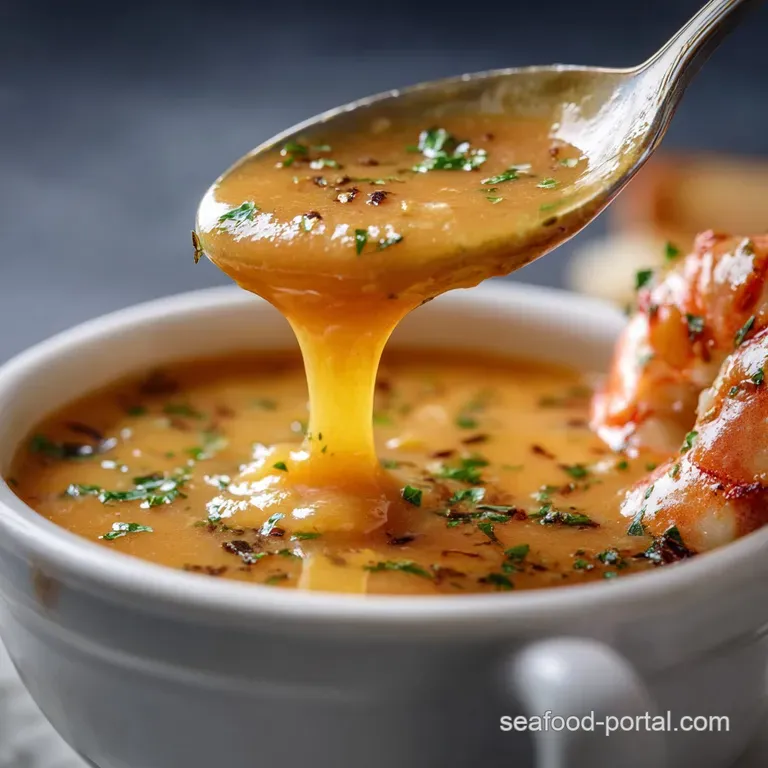
The Best Creamy Lobster Sauce Recipe
That smell. Oh my gosh, that rich, sweet, slightly briny ocean aroma hitting your nose is what makes life worth living. I’m talking about pure, unadulterated decadence: the ultimate Creamy Lobster Sauce .
The texture is like thick, warm velvet, and trust me, it feels like cheating because it’s so ridiculously easy to pull off.
I know, I know, lobster sounds like a fancy, bank breaking ordeal reserved for special anniversaries. But the secret to a genuinely great Creamy Lobster Sauce isn't the meat; it's maximizing flavor from the shells the part everyone usually throws away!
This process turns kitchen scraps into the foundation for a rich and decadent sauce that tastes like a million bucks.
Forget those thin, watery sauces that barely coat the pasta. We are diving deep into the French technique used for bisque, creating a concentrated, flavorful base that supports the heavy cream beautifully.
If you want the kind of Lobster Cream Sauce Recipe that makes people ask if you secretly trained in Paris, you're in the right place. Let's crack on!
Why This Creamy Lobster Sauce Works
The logic behind this recipe is simple: we maximize flavor before we add any liquid. A lot of recipes just boil the shells, which gives you watery stock. This method is all about extraction and concentration.
We toast the shells vigorously in hot oil and butter first; this creates a gorgeous nutty flavor and helps them release more pigment and deep flavor compounds. Then comes the crucial deglazing step with Cognac and wine, which scrapes up the flavorful brown bits, or fond , stuck to the bottom of the pan.
This technique ensures that every drop of your final Creamy Lobster Sauce is complex, smooth, and deeply savory.
Flavor Profile and Texture
This isn’t a quick, slapdash white sauce. This is a complex, deeply savory base with subtle sweetness derived from the lobster shells and shallots. The splash of alcohol cuts through the richness, while the tomato paste adds necessary acidity and depth of color, making the finished product a stunning orange pink.
The texture must be thick enough to cling passionately to fresh pasta it should softly coat the back of a spoon, never watery, offering that rich and decadent mouthfeel we crave.
Ingredients You Need for Creamy Lobster Sauce
I promise this ingredient list looks longer than it is. Most items are just pantry staples you already own for making stock.
Main Ingredients Notes
- Lobster Shells: This is the most critical component. Rinse them thoroughly but don't scrub them clean. You need all those sweet little bits and pieces left from the cooking process. I recommend using the shells from Grilled Lobster Tail Recipe: Succulent Perfection if you have some leftover!
- Cognac/Brandy: Please use something you wouldn't mind sipping on. The flavor concentrates immensely. If you don't use alcohol, the sauce will lack a certain aromatic depth.
- Tomato Paste: Don't skip the pincage (cooking the paste). It develops the color and enhances the umami dramatically.
- Heavy Cream: Only heavy cream will do (35% fat or double cream). Skimping here means you risk a thin texture or, worse, a split sauce.
Easy Substitutions and Swaps
Sometimes life throws you a curveball, or maybe you just ran out of brandy. Here are my tried and true substitutions for making a magnificent Creamy Lobster Sauce base.
| Ingredient | Substitute | Important Notes |
|---|---|---|
| Shallots | Yellow Onion (1/2 small) | Cook longer until fully softened; they have a sharper flavor. |
| Cognac/Brandy | Dry Sherry or Vermouth | These offer similar complex aromatics for deglazing. |
| White Wine | Dry Unsweetened Cider Vinegar | Use only 2 Tbsp of vinegar mixed with 1/4 cup of water to maintain acidity without the alcohol. |
| White Pepper | Black Pepper | Use half the amount. Black pepper can make the final sauce look speckled. |
Essential Equipment
You don't need fancy tools, but a few basics make this much easier. A heavy bottomed saucepan or Dutch oven is crucial because it distributes heat evenly, preventing scorching during the over high heat sauté of the shells. And, please, for the love of smoothness, have a fine mesh sieve ready.
How to Make Creamy Lobster Sauce step-by-step
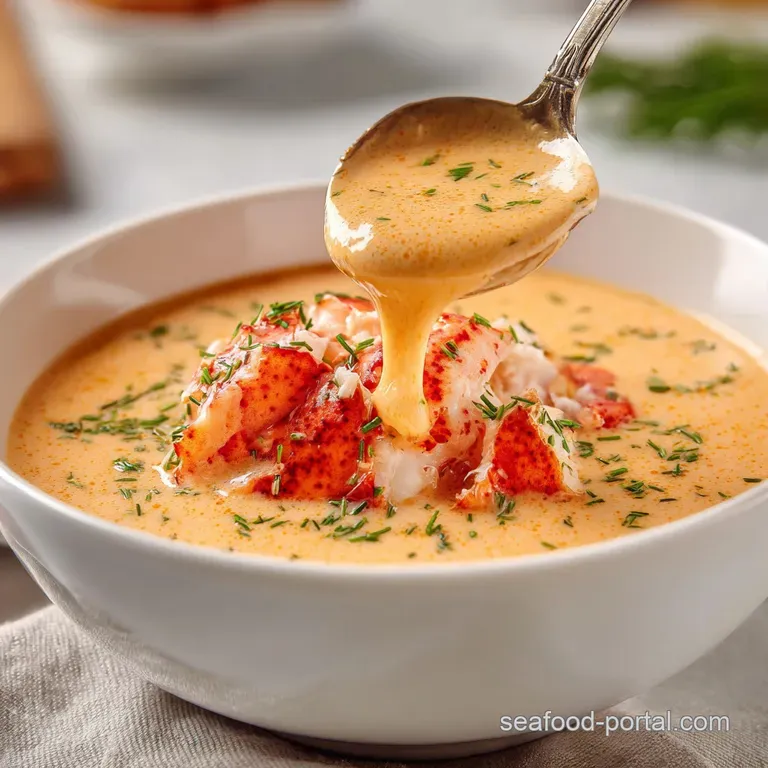
This process is broken down into three stages: building the flavor base, thickening, and finishing. Focus on the sensory details!
Preparation Steps
First, roughly crush the rinsed lobster shells. I use the bottom of a smaller saucepan to crack them open slightly, which helps maximize the surface area for flavor release. Dice your shallots and mince your garlic; everything should be ready to go once the pan is hot.
Cooking Process
Stage 1: Building the Flavor Engine
- Toast the Shells: Heat the olive oil over medium high heat in your saucepan. Toss in the crushed shells. Sauté them hard, stirring constantly, for about 6 minutes until they are a gorgeous bright red and you hear them start to slightly sizzle stick to the bottom. This smell is incredible sweet and toasted.
- Sauté Aromatics and Paste: Add the 2 Tbsp of butter, shallots, and garlic. Reduce the heat slightly and cook until the shallots are translucent (about 3 minutes). Now, stir in the tomato paste. Cook the paste for 90 seconds until it darkens a shade; it should smell sweeter, almost caramelized.
- Deglaze the Pan: Pour in the Cognac (if using) and white wine. Listen to that satisfying sizzle! Use a wooden spoon to scrape up all those browned bits from the pan that’s pure flavor. Reduce this liquid by half until it looks syrupy.
- Simmer the Stock: Add the cold water/stock, thyme, and bay leaf. Bring it to a rapid boil, then immediately turn the heat way down to the lowest possible setting. Simmer, uncovered, for 45 to 60 minutes until the liquid has reduced substantially (by about a third). The longer you simmer, the more rich and decadent the resulting Creamy Lobster Sauce will be.
Stage 2: Clarifying and Thickening
- Strain the Stock: Carefully strain the entire contents through a fine mesh sieve into a clean bowl. Do not mash the shells. Pressing too hard releases cloudy, bitter flavors. Discard the solids.
- Create the Roux: Wipe your saucepan clean. Melt the remaining 3 Tbsp of butter over medium heat. Whisk in the flour to form a smooth paste. Cook this roux for 60 seconds, whisking, keeping it pale blonde.
- Whisk in Liquid: Slowly, gradually, ladle the warm strained lobster stock into the roux while whisking constantly. This is the moment to prevent lumps! Bring the sauce up to a simmer until it thickens slightly and coats the back of your spoon.
Stage 3: Finishing and Serving
- Add the Cream: Reduce the heat to low. Slowly pour in the heavy cream, stirring until the color is uniform and absolutely beautiful. Do not let the sauce boil now ; high heat risks splitting the emulsion.
- Season and Finish: Add salt, white pepper, and that pinch of cayenne. Taste it! Adjust seasonings. Gently fold in the diced cooked lobster meat just to warm it through for 1 minute.
- Serve: Immediately transfer this magnificent Creamy Lobster Sauce to your lucky recipient's plate.
Expert Tips for Success
Chef’s Note: If you are nervous about your sauce splitting when adding cold cream, scoop a spoonful of the hot liquid base into the cream first, stir to temper, and then add the warmed mixture to the main pot.
- Go Cold for the Stock: Starting the stock with cold liquid is essential for clarity and flavor. It allows the lobster proteins and flavors to release slowly and smoothly.
- Toast, Don’t Burn: That sauté step in Stage 1 is non-negotiable, but watch the heat. If your shallots or tomato paste burn, the resulting flavor will be bitter, and you’ll have to start over.
- The Reduction is Key: The roux provides structure, but the flavor intensity of this Best Lobster Sauce Recipe comes entirely from the reduction. If the stock looks watery after simmering, keep reducing it until it tastes intense and concentrated.
Common Mistakes to Avoid
- Mashing the Shells: When straining the stock, people get greedy and press down hard on the shells to squeeze out the last drops. This releases cloudy sediment and bitter compounds. Press firmly, but gently.
- Boiling After Cream: Allowing the sauce to reach a rapid boil after incorporating the heavy cream is the fastest way to break the emulsion. The fat separates, and you get a grainy, oily mess. Keep the heat very low and just maintain a light steam.
- Skipping the Deglazing: That booze and wine step isn't just for fun; it lifts the fond —the browned sugars and proteins which is where the deepest flavor lies. Skipping this step results in a flat tasting sauce.
Storage, Freezing, and Reheating
If you miraculously have leftovers of this amazing Creamy Lobster Sauce , here’s how to keep them perfect.
How to Store Leftovers
Store the leftover sauce immediately in an airtight container in the refrigerator. Because it contains heavy cream and seafood, it's best consumed within 3 days.
Freezing Instructions
Does Creamy Lobster Sauce freeze well? You bet. However, the heavy cream base may separate slightly when thawed, resulting in a slightly grainy texture. To minimize separation, freeze the sauce without the diced lobster meat if possible, and leave about an inch of headspace in your container.
It keeps beautifully for up to 3 months.
Best Reheating Methods
Thaw the sauce overnight in the fridge. Reheat gently in a saucepan over very low heat. If it looks split, use a whisk to incorporate a spoonful of fresh cold cream or even a splash of cold water, whisking constantly until the emulsion comes back together.
Never blast it in the microwave; low and slow is the secret to smooth reheating.
Serving Suggestions
What to Serve With This Dish
This rich sauce pairs beautifully with just about any mild seafood. My favorite application is tossing it with fresh Creamy Lobster Sauce for Pasta , specifically linguine or tagliatelle, finishing with a sprinkle of finely chopped chives.
It also makes an incredible decadent blanket for pan-seared scallops. If you’re already making a seafood feast, serve this sauce alongside simple white fish fillets or even spooned over soft polenta or rice. If you are looking for other creamy, cozy seafood ideas, you might love my Crab Chowder Recipe: Luxurious Creamy Comforting for a contrasting texture.
Seriously, this Lobster Sauce Rich and Decadent recipe is a showstopper, and now you have all the insider tips you need to make it flawlessly. Enjoy!

Recipe FAQs: The Ultimate Creamy Lobster Bisque Sauce
Why is my lobster sauce too thin and watery?
The primary reason for thinness is insufficient reduction of the lobster stock. You must simmer the initial stock long enough to concentrate the flavor and viscosity before adding the cream.
Alternatively, create a slurry of equal parts cornstarch and cold water, stirring it into the warm sauce and heating gently until thickened.
Can I omit the Cognac or substitute it with another ingredient?
Yes, you can omit the Cognac, though it adds a necessary layer of aromatic complexity that deepens the overall flavor profile. If substituting, you can use 1 tablespoon of dry sherry or a quality white wine vinegar to provide a slight boost of acidity instead of alcohol.
If substituting for volume, use additional seafood stock.
Do I need to use the lobster shells, or can I just use pre-cooked meat?
Using the lobster shells is critical and non-negotiable for achieving the rich, concentrated flavor of a classic bisque. The shells are first roasted and then slow simmered, allowing us to extract the deep, briny essence that provides the foundational taste of the sauce.
Pre-cooked meat alone cannot replicate this essential depth.
How long can I store this lobster sauce, and can I freeze it?
The sauce can be safely stored in an airtight container in the refrigerator for up to 3 days. Freezing is generally not recommended after the cream has been incorporated. Dairy products tend to separate and become grainy upon thawing, compromising the luxurious texture of the bisque.
My finished sauce feels gritty. What went wrong?
Grittiness is a common issue when the sauce hasn't been properly strained after simmering the vegetables and shells. Ensure you pass the liquid through a very fine mesh sieve, or for the absolute best result, use a strainer lined with clean cheesecloth to catch all fine solids and achieve a velvety texture.
What are the best dishes to serve this creamy sauce with?
This ultimate bisque sauce is incredibly versatile and luxurious. It is perfect for dressing simple grilled fish like sea bass or cod, or elevating seafood like pan-seared scallops or shrimp. It also serves as an outstanding base for homemade lobster ravioli or gnocchi.
Can I prepare the sauce base ahead of time?
Yes, you can prepare the strained lobster stock (the base before adding the cream and Cognac) up to two days in advance. Cool it completely, store it in the refrigerator, and reheat it gently before stirring in the dairy and finishing ingredients just before serving.
Creamy Lobster Sauce Recipe

Ingredients:
Instructions:
Nutrition Facts:
| Calories | 465 kcal |
|---|---|
| Protein | 37.8 g |
| Fat | 31.3 g |
| Carbs | 8.1 g |
