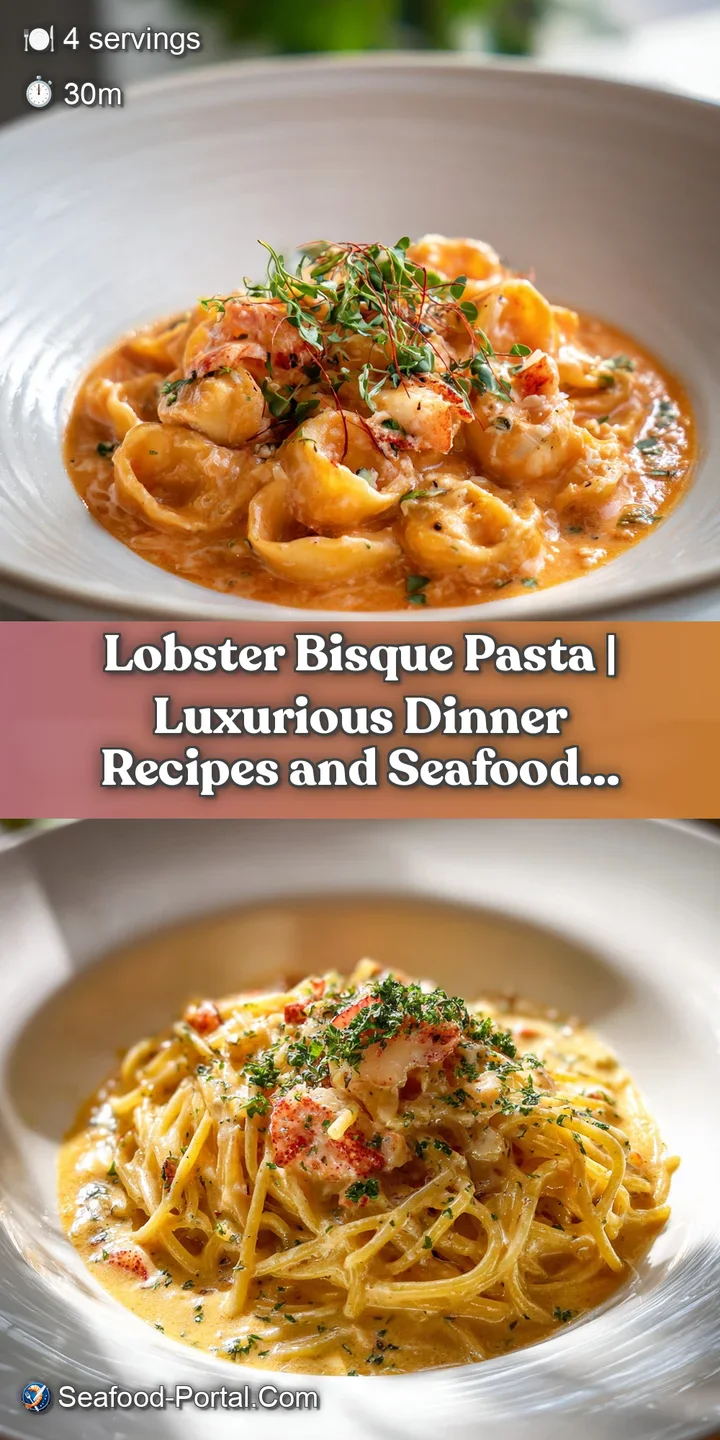
Lobster Bisque Pasta: Ultra-Creamy and Silky
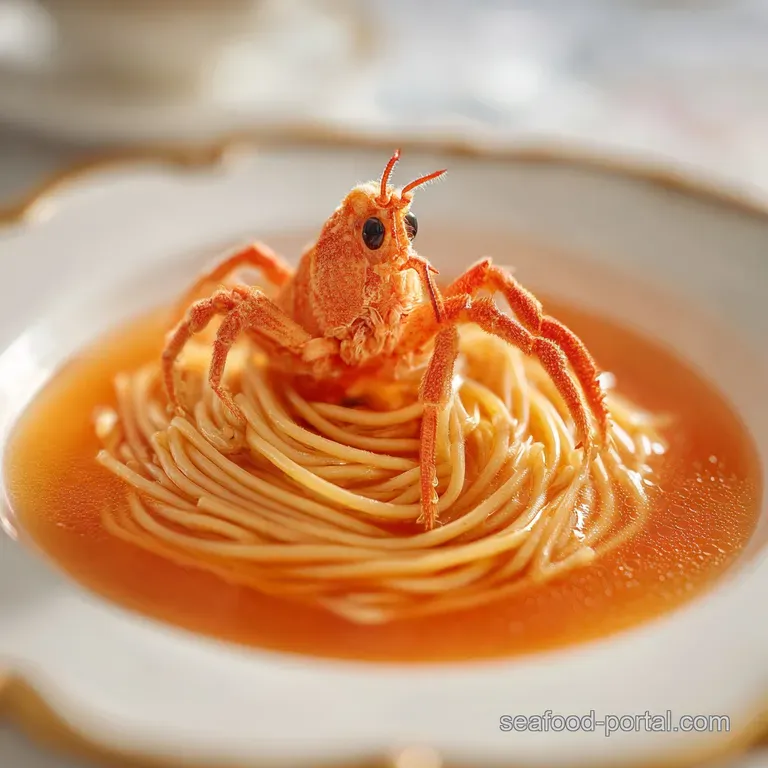
- Time: Active 15 minutes, Passive 15 minutes, Total 30 minutes
- Flavor/Texture Hook: Silky, smoky, and buttery with a snappy lobster bite
- Perfect for: Date nights, anniversary dinners, or a luxurious weekend treat
- Mastering the Rich Lobster Bisque Pasta Technique
- Essential Specs for Success
- The Secret to Velvet Sauce Success
- Component Analysis and Selection
- Tools of the Trade
- Detailed Cooking Guide
- Fixing Thin or Watery Sauce Issues
- Smart Scaling for Any Occasion
- Creative Ingredient Swaps and Additions
- Debunking Common Kitchen Myths
- Storage Guidelines and Zero Waste
- Elegant Pairing Suggestions
- Very High in Sodium
- Recipe FAQs
- 📝 Recipe Card
Mastering the Rich Lobster Bisque Pasta Technique
You know that specific sound when butter hits a hot pan and starts to foam? That’s the sound of a great dinner starting. The first time I tried making this Lobster Bisque Pasta, I was terrified of overcooking the lobster.
I’d spent good money on those tails, and the thought of them turning into rubbery pencil erasers was enough to make me sweat. But then the paprika hit the fat, the kitchen smelled like a seaside bistro, and I realized that with a few smart moves, this is actually one of the most forgiving "fancy" meals you can make.
The secret I’ve learned is all about the layers. We aren't just dumping ingredients into a pot; we are building a foundation. We start with that quick sear to lock in the lobster's natural sweetness, then we use the same pan to capture every bit of flavor for the sauce.
When that dry sherry hits the hot skillet and hisses, releasing all those browned bits from the bottom, you’ll know exactly why we do it this way. It’s that deep, complex hum of flavor that makes people think you’ve been simmering a stock for eight hours.
Honestly, this dish is my go to when I want to impress someone without spending my entire night hovering over the stove. It feels like a splurge because of the lobster, but the technique is so straightforward it’s almost criminal.
We’re using a high-quality bisque as our base, which is basically a genius hack for getting that deep crustacean flavor without peeling dozens of tiny shrimp or boiling shells. Let’s get into the details so you can get this on the table tonight.
Essential Specs for Success
This dish relies on timing and temperature more than complicated knife skills. Because we are working with seafood and a cream based sauce, we want to keep things moving. I always tell my friends to have everything chopped and measured before the first flame is lit.
Once the pasta starts boiling, the clock is ticking, and you want to be ready to toss everything together while the heat is just right.
Temperature Control: Maintaining a medium high heat for the lobster sear is non negotiable. If the pan is too cool, the lobster will steam in its own juices and get tough.
We want a quick, aggressive sizzle that creates a beautiful opaque crust on the outside while keeping the center tender and translucent. Once the bisque goes in, we drop the heat to a simmer to prevent the cream from breaking or curdling.
Texture Balance: The choice of pasta matters here. You want something with enough surface area to hold onto that velvety sauce. I usually reach for linguine or fettuccine, but pappardelle is fantastic if you want something even more indulgent.
The goal is to have the sauce coat the noodles like a silk ribbon, not pool at the bottom of the bowl like a soup.
The Secret to Velvet Sauce Success
Building a sauce that is both light and incredibly rich requires a little bit of kitchen logic. We aren't just thickening things with flour; we’re using reduction and emulsification to get that glossy, restaurant grade finish.
- The Deglaze: Adding dry sherry to the hot pan isn't just for the booze. The alcohol acts as a solvent, dissolving flavor compounds that water or fat can't touch, effectively lifting the "fond" (those tasty browned bits) into the sauce.
- Starch Connection: The reserved pasta water contains dissolved starches that act as a bridge between the watery bisque and the fats in the butter and cream. It binds them together, ensuring the sauce doesn't slide off the noodles.
- The Maillard Boost: Searing the lobster with smoked paprika creates a tiny amount of caramelization on the protein surface. This adds a savory depth that balances the natural sugars in the bisque and the cream.
- Acid Brightness: Adding lemon zest at the very end isn't just a garnish. The citric acid cuts through the heavy fats, "waking up" the palate so the richness doesn't feel overwhelming after three bites.
| Lobster Tail Thickness | Internal Temp | Rest Time | Visual Cue |
|---|---|---|---|
| Small (approx. 2cm) | 60°C | 2 mins | Opaque white with rosy edges |
| Medium (approx. 3cm) | 62°C | 3 mins | Firm to touch, no longer grey |
| Large (approx. 4cm+) | 63°C | 3 mins | Flesh curls slightly and stays white |
When you’re standing over the pan, remember that the lobster will continue to cook slightly once it hits the warm sauce later. It is much better to pull it out a few seconds early than a few seconds late. If you see it turn from translucent to bright white, it’s time to move it to a plate.
Component Analysis and Selection
Choosing the right ingredients is half the battle. Since there are only a few main components, each one needs to pull its weight. I’ve made this with "grocery store" bisque and with a proper French lobster bisque, and while both work, the quality of the base truly dictates the final result.
| Ingredient | Science Role | Pro Secret |
|---|---|---|
| Dry Sherry | Flavor solvent | Use a "Fino" or "Amontillado" for a nutty, dry finish rather than sweet cooking sherry. |
| Tomato Paste | Umami booster | Sauté it until it turns brick red to remove the raw metallic taste and deepen the color. |
| Smoked Paprika | Aromatic bridge | It mimics the flavor of a charcoal grill, giving the lobster a "fire kissed" vibe without the grill. |
| Shallots | Gentle aromatic | Shallots have more sugar and less sulfur than onions, so they melt into the sauce without crunch. |
A little tip on the garlic: I prefer it thinly sliced rather than minced for this recipe. Sliced garlic is less likely to burn during the sauté and gives you little "chips" of mellow flavor that pair beautifully with the chunks of lobster.
If you mince it too finely, it can easily disappear or, worse, turn bitter if the pan is a fraction too hot.
Tools of the Trade
You don't need a professional kitchen, but a few specific tools will make your life much easier. I always use a large, heavy bottomed skillet something like a 30cm stainless steel or cast iron pan.
You need the surface area so the sauce can reduce properly and the pasta has room to be tossed without jumping out of the pan.
- Large Heavy Skillet: Provides even heat distribution and enough room to toss the pasta and sauce together without crowding.
- Microplane Grater: Essential for that fine lemon zest. You want the aromatic oils, not the bitter white pith.
- Kitchen Shears: The absolute easiest way to get lobster meat out of the shell. Just snip down the back of the shell and pull the meat out in one piece.
- Tongs: For tossing the pasta. Forks just don't give you the same control when you're trying to emulsify the sauce.
If you don't have kitchen shears, a sharp chef's knife will work, but be careful. Lobster shells are slippery and surprisingly tough. If you're nervous about it, most fishmongers will de shell the tails for you if you ask nicely!
Detailed Cooking Guide
This process moves quickly, so let’s break it down into manageable chunks. Remember, the goal is a sauce that looks like liquid gold and lobster that snaps when you bite into it.
- Boil the pasta. Bring a large pot of heavily salted water to a rolling boil. Cook 1 lb of long pasta (Linguine or Fettuccine) according to the package until it’s just al dente. Crucial step: Scoop out 120ml (0.5 cup) of that cloudy pasta water before you drain the noodles.
- Prep the lobster. Take your 4 medium lobster tails (about 700g total), remove the meat from the shells, and cut it into 2.5cm chunks. Toss them in a small bowl with 1 tsp smoked paprika and a tiny pinch of salt.
- Sear the protein. Melt 15g (1 tbsp) of butter in your skillet over medium high heat. Once it stops foaming and starts to sizzle, add the lobster. Sear for 60 to 90 seconds until the edges are golden and the meat is opaque. Remove it to a plate immediately.
- Sauté the aromatics. Drop the heat to medium and add another 15g (1 tbsp) of butter. Stir in your 2 minced shallots and 3 cloves of sliced garlic. Cook for about 2 minutes until they smell sweet and look soft.
- Develop the base. Stir in 1 tbsp of tomato paste. Cook it for 1 minute, stirring constantly, until it darkens to a deep red.
- Deglaze the pan. Pour in 120ml (0.5 cup) of dry Sherry. Use a wooden spoon to scrape all those brown bits off the bottom. Let it bubble away for 2-3 minutes until the liquid has reduced by half.
- Simmer the sauce. Pour in 475ml (2 cups) of lobster bisque and 120ml (0.5 cup) of heavy cream. Let it simmer gently for 5 minutes until it starts to look glossy and thick enough to coat a spoon.
- The final marriage. Add the cooked pasta and the seared lobster back into the skillet. Toss everything together vigorously. If it looks too thick, add a splash of that reserved pasta water.
- The finishing touch. Turn off the heat. Stir in 1 tsp of lemon zest and 2 tbsp of fresh chopped chives. Serve it immediately while it's steaming and beautiful.
Chef's Note: If your bisque is already very salty, skip the salt when searing the lobster. You can always add more at the end, but you can't take it out once it's in the sauce!
Fixing Thin or Watery Sauce Issues
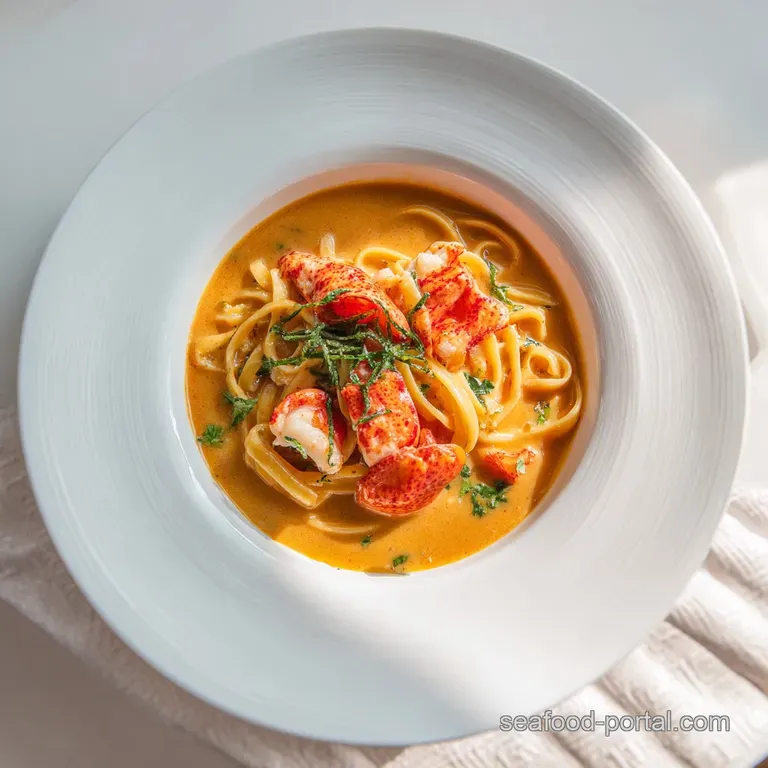
The most common heartbreak with this dish is a sauce that won't stick to the pasta. It usually happens if the pasta wasn't drained well enough or if the bisque was naturally on the thinner side. Don't panic; it's an easy fix.
Why Your Sauce Won't Cling
If you find your pasta sitting in a puddle, it’s usually because the emulsion didn't form. This happens when there isn't enough starch or the heat was too low when you combined the noodles and sauce.
The pasta should be added to the sauce while it's still very hot, and you need to give it a good, active toss to encourage the starch to bond with the cream.
| Problem | Root Cause | Solution |
|---|---|---|
| Sauce is too thin | Not enough reduction | Simmer for 2 extra minutes before adding pasta. |
| Lobster is rubbery | Overcooked in the sear | Reduce sear time to 60 seconds next time; the sauce will finish the job. |
| Flavor is flat | Needs acidity | Add an extra squeeze of fresh lemon juice right before serving. |
Another common mistake is rinsing the pasta. Never, ever rinse your pasta for this dish! You need that surface starch to act like "glue" for the bisque sauce. If you rinse it, the sauce will just slide right off like water off a duck's back.
- ✓ Pat the lobster dry before searing to ensure a golden crust instead of steaming.
- ✓ Reserve the pasta water before draining it's your insurance policy for a smooth sauce.
- ✓ Don't skip the Sherry; it provides the essential acidity and depth that balances the cream.
- ✓ Warm your serving bowls in a low oven; seafood pasta cools down incredibly fast.
Smart Scaling for Any Occasion
If you're cooking for a crowd or just for yourself, adjusting this recipe is simple as long as you keep the ratios in mind.
Scaling Down (For 2): Use 2 lobster tails and half of all the other ingredients. You can still use a large skillet, but keep an eye on the reduction time for the Sherry and bisque it will go much faster with less volume. Use one small shallot and 2 cloves of garlic.
Scaling Up (For 8): Double the ingredients, but work in batches for the lobster sear. If you crowd the pan with 8 tails worth of meat, the temperature will drop and the lobster will boil in its own liquid. Sauté the aromatics and build the sauce in your largest pot or a very wide braiser.
You may need to increase the simmering time by 3-4 minutes to get the right thickness for a larger volume of sauce.
If you’re looking for a slightly different take on this flavor profile, you might want to try a luxurious lobster cream sauce pasta which focuses more on the cream reduction than the bisque base. It's a great variation if you can't find a high-quality pre made bisque at the store.
Creative Ingredient Swaps and Additions
While the classic version is hard to beat, I’ve had some great successes (and one or two weird experiments) with substitutions. Sometimes the store is out of lobster, or you want to save a bit of money without losing that "special" feeling.
| Original Ingredient | Substitute | Why It Works |
|---|---|---|
| Lobster Tails | Large Sea Scallops | Similar sweetness and firm texture. Note: Sear for 2 mins per side. |
| Dry Sherry | Dry White Wine (Pinot Grigio) | Provides acidity but is less "nutty" than Sherry. |
| Heavy Cream | Full fat Coconut Milk | Adds a tropical creaminess. Note: Will change flavor profile significantly. |
| Chives | Fresh Tarragon | Adds a classic French anise note that loves lobster. |
Spicy "Fra Diavolo" Variation
If you like a bit of heat, add half a teaspoon of red pepper flakes when you sauté the garlic. The spice cuts through the richness of the bisque and gives the dish a completely different, energetic personality.
It’s a very popular "Trader Joe's hack" to use their frozen lobster and boxed bisque with a big pinch of chili.
The Seafood Medley Swap
If lobster is too pricey, you can use a mix of shrimp and bay scallops. Use the same paprika sear technique. Since shrimp cook even faster than lobster, keep a close eye on them. This makes for one of those easy seafood pasta recipes that you can realistically pull off on a Tuesday night.
Debunking Common Kitchen Myths
There are a few "rules" floating around the internet about seafood pasta that simply aren't true. Let's clear the air so you can cook with confidence.
Myth: You should never use cheese with seafood pasta. While traditional Italian cooking often avoids this, a little bit of finely grated Parmesan or Pecorino can actually add a lovely salty depth to a cream based seafood sauce.
However, in this specific Lobster Bisque Pasta, the bisque is already so rich that you usually don't need it. But if you want it? Go for it.
Myth: Frozen lobster is always inferior to fresh. Actually, high-quality "cold water" lobster tails that are flash frozen are often better than "fresh" lobster that has been sitting in a tank for a week. The freezing process locks in the texture at the source.
Just make sure you thaw them slowly in the fridge for 24 hours before cooking.
Myth: Searing lobster "seals in" the juices. Searing is about flavor, not moisture. We sear the lobster to create the Maillard reaction (that savory, browned taste) and to infuse the butter with paprika. The moisture is kept in by not overcooking the protein, not by "sealing" the surface.
Storage Guidelines and Zero Waste
Seafood pasta is best eaten immediately, but if you have leftovers, you can make them work. The main challenge is that the pasta will continue to soak up the sauce as it sits, potentially becoming a bit mushy.
- Fridge: Store in an airtight container for up to 2 days. To reheat, add a splash of milk or water to a pan and warm gently over low heat. Avoid the microwave if possible, as it tends to turn the lobster rubbery.
- Freezer: I don't recommend freezing the assembled pasta. However, you can freeze the finished sauce (without the pasta) for up to 2 months.
- Zero Waste Tip: Don't throw away those lobster shells! Toss them into a bag in the freezer. When you have a few, boil them with some onion, celery, and a bay leaf to make a quick seafood stock for your next risotto or soup.
If you find yourself with extra sauce but no pasta, it makes an incredible dipping liquid for crusty sourdough bread. Or, spoon it over a piece of pan seared white fish like cod or halibut for a completely different meal the next day.
Elegant Pairing Suggestions
Because this dish is so rich and flavorful, you want side dishes that offer a bit of contrast. I usually stay away from heavy, starchy sides since the pasta already covers that base.
A simple arugula salad with a sharp lemon vinaigrette is my favorite pairing. The peppery bite of the greens and the acidity of the dressing act as a "palate cleanser" between bites of the creamy pasta.
If you want a vegetable, roasted asparagus or broccolini with a little bit of garlic and red pepper flakes works beautifully.
As for drinks, a crisp, high acidity white wine is the way to go. Look for a Sancerre, a dry Riesling, or even a sparkling wine. The bubbles in a Brut Champagne or Prosecco are fantastic at cutting through the fat of the heavy cream and bisque, making every bite feel fresh.
If you’re skipping the alcohol, a sparkling mineral water with a thick wedge of lemon is just as refreshing.
Very High in Sodium
985 mg 985 mg (43% 43%)
The American Heart Association recommends a limit of about 2,300mg per day for most adults, with an ideal limit of 1,500mg per day for most adults.
Tips to Reduce Sodium
-
Choose Low-Sodium Lobster Bisque-30%
High sodium lobster bisque is a major culprit. Look for 'low-sodium' or 'no-salt added' versions. If unavailable, dilute a regular version with water or unsalted seafood broth and adjust seasoning.
-
Use Unsalted Butter
The recipe already calls for unsalted butter, which is great! Continue using unsalted butter throughout the preparation to avoid adding unnecessary sodium.
-
Opt for Low-Sodium Sherry-5%
While not always high in sodium, some wines and sherries can contribute. If possible, select a 'low sodium' or 'dry' Sherry, or rinse canned ingredients if using.
-
Boost Flavor with Herbs and Spices
Emphasize fresh and dried herbs like chives, parsley, and thyme. Use pungent aromatics like garlic and shallots, and spices like smoked paprika. These add immense flavor without sodium.
-
Select No-Salt Added Tomato Paste-15%
Tomato paste can be a hidden source of sodium. Choose 'no-salt added' varieties to significantly reduce the sodium content from this ingredient.
-
Add Fresh Citrus Zest
Lemon zest is already included and is an excellent way to brighten flavors. Increase the lemon zest or add a squeeze of fresh lemon juice at the end to compensate for any salt reduction.
Recipe FAQs
Can I use lobster bisque as a sauce?
Yes, it is the perfect base. Using a high-quality bisque as your primary liquid allows the tomato paste and heavy cream to emulsify into a rich, restaurant style coating for your pasta.
Is lobster bisque good over pasta?
Yes, it creates an exceptionally luxurious meal. The depth of flavor from the bisque clings beautifully to long noodles like linguine or fettuccine, especially when thinned with a splash of starchy pasta water.
What do you pair with lobster bisque pasta?
Serve with a simple green salad or crusty bread. Because the dish is rich and decadent, something crisp or acidic helps balance the weight of the heavy cream and butter.
What sauce goes best with lobster pasta?
A tomato based cream sauce works best. If you enjoy this flavor profile, you might also like the saffron cognac cream used for ravioli, which highlights similar aromatic notes.
How to keep lobster meat from becoming rubbery?
Sear the chunks for exactly 60-90 seconds and remove them immediately. Returning the lobster to the skillet only at the very end ensures the meat stays tender rather than toughening in the simmering sauce.
How to fix a sauce that is too thick?
Whisk in a splash of reserved pasta water. The starch in the water helps maintain a silky, glossy texture that coats the noodles evenly without breaking the sauce.
Is it true I must boil the lobster in the sauce?
No, this is a common misconception. Boiling lobster directly in the liquid overcooks it quickly; searing it separately ensures a much better final texture for the medallions.
Creamy Lobster Bisque Pasta
Ingredients:
Instructions:
Nutrition Facts:
| Calories | 842 kcal |
|---|---|
| Protein | 50.4 g |
| Fat | 23.4 g |
| Carbs | 91.8 g |
| Fiber | 4.2 g |
| Sugar | 6.1 g |
| Sodium | 985 mg |
