Tuna Pasta: the Ultimate Creamy Lemon Caper Dish
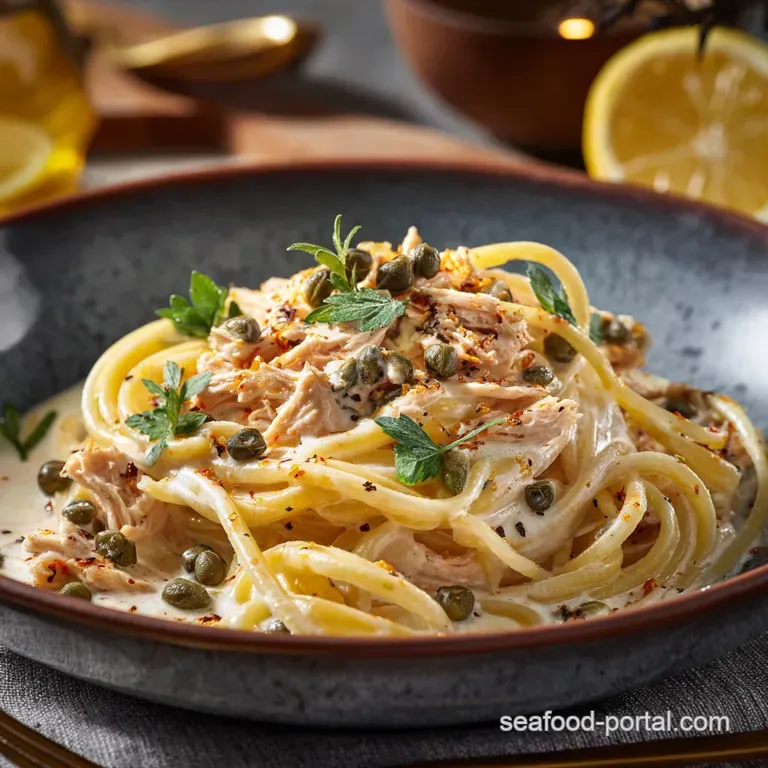
- Mastering the Ultimate Weeknight Dish: Creamy Tuna Pasta
- Core Ingredients: Choosing the Best Components for Deep Flavor
- Step-by-Step: Crafting the Perfect Creamy Lemon Tuna Sauce
- Troubleshooting and Advanced Tips for Perfect Pasta Texture
- Making Ahead and Storing: Maximizing Shelf Life
- Serving and Pairing Ideas
- Recipe FAQs
- 📝 Recipe Card
Mastering the Ultimate Weeknight Dish: Creamy Tuna Pasta
Have you ever walked into your kitchen and smelled dinner before it was even cooked? That’s what happens here. The minute the garlic hits the olive oil, mixed with the slight brine from the capers and the intense citrus blast from the lemon zest, you know you’re about to achieve peak comfort food.
This is rich, it is creamy, and it is absolutely addictive.
Ever had that moment when the clock hits 7 PM and you realize you have precisely zero energy to cook? Yeah, me too, constantly. That is exactly why this ultra creamy tuna pasta recipe is my absolute lifesaver; it’s fast, incredibly cheap, and built entirely around pantry staples.
You can pull this together in less than 30 minutes, honest.
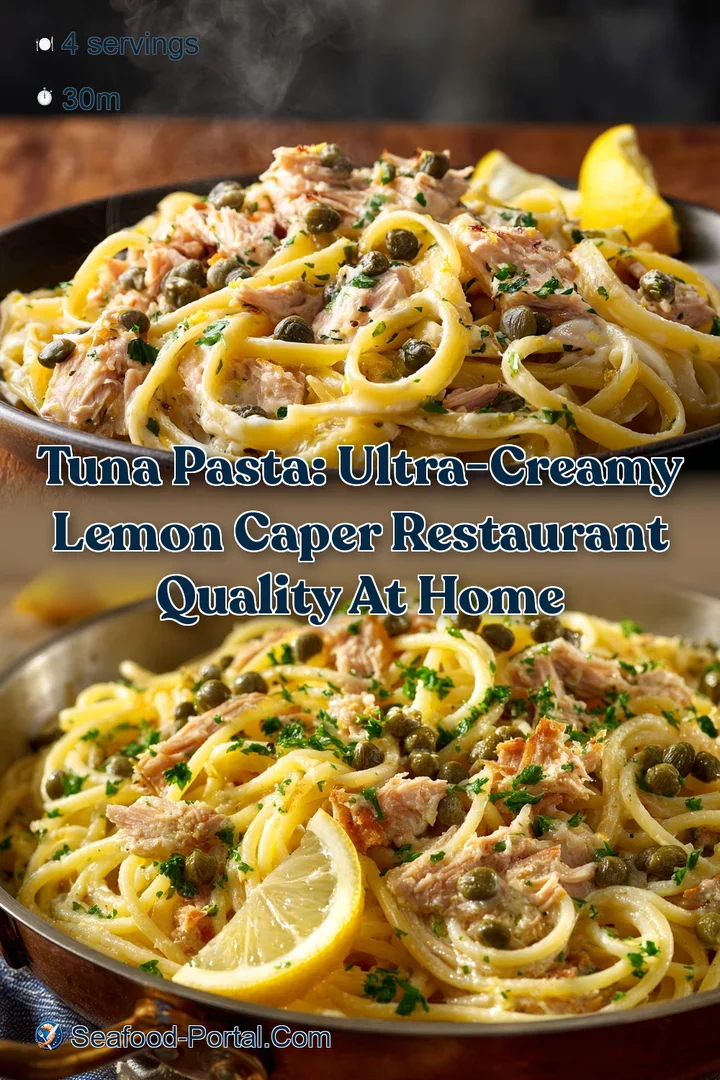
Forget that watery, bland tuna and mayo monstrosity you made in college. This version is bright, sophisticated, and surprisingly luxurious thanks to a few simple techniques. We’re upgrading that canned tuna from drab dinner filler to the star of a luscious lemon and caper sauce. Let’s crack on.
What Makes This Recipe Uniquely Bright and Luxurious?
The secret weapon here is the double hit of acid and salt. Most creamy pasta dishes can feel heavy and a bit sluggish in your stomach. We use the punchy brine of capers, followed by a generous squeeze of fresh lemon juice, to slice straight through the richness of the heavy cream and Parmesan.
This balance prevents the dish from tasting flat. It is the culinary equivalent of putting a brightly colored scarf on a dark suit it just lifts the whole mood. Plus, using the reserved oil from the tuna gives the sauce a much deeper, savory base than plain olive oil could manage alone.
The Flavor Science: Why Lemon and Capers Cut Through the Creaminess
Lemon is not just for taste; it’s for structural stability in the sauce. When you add lemon juice and the grated Parmesan cheese, you are introducing acid and protein that bind the sauce together.
This helps create that velvety texture, ensuring the sauce stays tight and clinging to the pasta, instead of running down to the bottom of the bowl.
Adding the lemon juice right at the end, off the heat, is critical. Heat diminishes the brightness of fresh citrus, turning it muted. We want that vibrant pop!
How Long Does Creamy Lemon & Caper Tuna Pasta Take to Prepare?
If you have a well stocked pantry, your total time commitment is under 30 minutes, start to finish. Prep is mostly just dicing one small onion and grating some cheese. The only real timer is how long it takes to boil the water for the pasta.
This speed makes it a fantastic option when you want a homemade, hearty meal without relying on takeout. It's the ultimate quick dinner solution for busy weeknights.
Essential Kitchen Tools for a Speedy Tuna Pasta Dinner
You really don't need much fancy equipment to pull this off quickly. A decent microplane grater is highly recommended for maximizing the zest from the lemon and getting fluffy Parmesan, which melts beautifully into the sauce. A large, deep skillet (at least 11 inches) is necessary.
We need that space to efficiently toss the pasta and the thick sauce without making a massive mess.
Core Ingredients: Choosing the Best Components for Deep Flavor
Oil-Packed vs. Water Packed: Selecting the Right Tuna for Sauce Depth
Hands down, you must use oil-packed tuna for this recipe. I know it costs a little more, but trust me, it’s worth the splurge. Tuna packed in water often tastes bland and dry.
The oil provides necessary fat and flavor, which forms the luxurious foundation of our sauce base. When I’m splurging on quality seafood, sometimes I even use this type of canned tuna to make a quick Spicy Tuna Tartare: Creamy, Fiery, and Restaurant Quality at Home , or I'll remember the time I attempted to perfectly Seared Tuna: Restaurant Quality Sesame Crusted Ahi in 5 Minutes . Save that precious oil after draining!
Which Pasta Shapes Hold Creamy Sauce Best?
When dealing with a thick, rich sauce like this, you need a pasta shape that has pockets or ridges to catch the sauce. Skip the long, smooth noodles like spaghetti or linguine they just let the sauce slide off.
I typically use Penne, Fusilli, or Rigatoni. The tubes and spirals hold the cream and the small pieces of caper and flaked tuna perfectly in every bite. Go for bronze cut pasta if you can; the rougher surface is amazing at clinging to sauce.
Must Know Ingredient Swaps: Cream Alternatives and dairy-free Options
Life happens, and sometimes you don’t have heavy cream, or maybe you're trying to cut down on dairy. No worries, we have options!
| If you don't have... | Use this instead... | Important Note |
|---|---|---|
| Heavy/Double Cream | Full fat Coconut Cream or Whole Milk + 1 Tbsp Flour | If using milk, simmer longer to thicken. Coconut adds a subtle sweetness. |
| Canned Tuna | Canned Salmon or Mackerel, flaked | Ensure it is drained well. Both offer high protein and richness. |
| Capers | Pitted Black Olives or Gherkins (diced) | You are looking for that salty, acidic punch. Olives should be less than 1 Tbsp. |
| Parmesan | Nutritional Yeast (for dairy-free) or Pecorino Romano | Pecorino is much saltier, so adjust added salt carefully. |
Enhancing the Savory Base: Onion, Garlic, and Caper Preparation Notes
Never rush the beginning of any sauce. Slow and gentle heat is your friend when cooking the aromatics. I prefer shallots over regular onions here because they are milder and sweeter, giving you a more subtle base flavor.
Cook them until they are completely translucent and soft, which usually takes about 5 minutes.
Do not let your garlic burn! Burnt garlic is bitter and will ruin the entire dish, trust me, I learned that the hard way. Add the minced garlic just for the last minute of the shallot cooking time. It should smell fragrant and nutty, not acrid.
Chef's Note: Always rinse the capers thoroughly before chopping them. This removes excess sodium and brine, ensuring they deliver a clean, sharp tang to the final product without overly salting the entire sauce.
step-by-step: Crafting the Perfect Creamy Lemon Tuna Sauce

Preparing Your Aromatics and Draining the Tuna
First things first: get your pasta water boiling with a generous handful of salt. We want the water to taste like the sea! While the pasta is cooking, you can prep everything else. Dice the shallots, mince the garlic, and get that lemon zested (remember, zest first).
Open your tuna cans and drain them, reserving one tablespoon of the oil. Add that tuna oil, along with 1 tablespoon of fresh olive oil, to your skillet over medium low heat. Sauté the shallots slowly until they are fully softened.
The Secret to Emulsification: Creating the Luscious Cream Base
Once the shallots are soft, toss in the garlic for a quick sixty seconds until you smell that amazing aroma. If you are using white wine, pour it in now and let it sizzle and evaporate for 30 seconds to burn off the alcohol. Then, add the tuna, the cream, and the stock.
Bring this mixture just to a gentle simmer, stirring occasionally. You aren't boiling it hard; you are just warming it through. This is when the magic starts the sauce will begin to reduce and thicken slightly.
Tossing the Pasta: Achieving the Ideal Sauce Consistency
This step is critical for a non-watery outcome. Just before draining your al dente pasta, scoop out at least a full cup of that starchy cooking water. Drain the pasta immediately and transfer it directly into the skillet with the sauce.
Toss it vigorously to coat every piece. Now, splash in 1/4 cup of the reserved pasta water. The starch molecules will grab the fat and cream, creating a smooth, cohesive emulsion that wraps around the pasta beautifully. Add more water, a tablespoon at a time, until the sauce is creamy but still clinging.
Final Flavor Check: Balancing Acidity, Salt, and Spice
Remove the skillet from the heat entirely. Stir in the capers, most of the lemon zest, and the grated Parmesan. Now, add the fresh lemon juice start with one tablespoon, stir, and taste.
You can always add more acid, but you can’t take it out! Finally, season aggressively with fresh black pepper and check the salt level. Because the capers and Parmesan are salty, you might not need to add any additional salt at all. Finish by stirring through the fresh parsley for color and freshness.
Troubleshooting and Advanced Tips for Perfect Pasta Texture
The Most Common Tuna Pasta Mistakes and How to Avoid Them
- Watery Sauce Syndrome: This usually happens if you drain the pasta and then add the sauce, or if you don't use the starchy pasta water. Fix: Always finish cooking the pasta in the sauce and use the reserved starchy water to bind the ingredients together.
- Overcooked Tuna: Since the tuna is already cooked in the can, you only need to warm it through. If you let the sauce boil fiercely after adding the tuna, it will become tough and dry, losing all that lovely flaky texture. Fix: Add the tuna only when the heat is turned down to medium low, and maintain a gentle simmer.
Mastering the Pasta Water Technique
You reserved the water; now use it! This cloudy, starchy water is your best friend. It contains the key ingredient (starch) needed to thicken the sauce without relying on flour or cornstarch. Remember: always add the pasta water slowly, only until you reach the desired consistency.
Balancing Acidity: When to Add More Lemon or Salt
If the sauce feels flat or too heavy after adding the cream, it needs acidity. This is when you add that final splash of lemon juice. If the sauce tastes bland, but not heavy, it needs salt. Taste a tiny piece of the tuna and capers before adding any salt, just to be sure.
Making Ahead and Storing: Maximizing Shelf Life
How to Reheat Creamy Pasta Without Breaking the Sauce
Reheating creamy pasta can be tricky because heat causes the fat and liquid to separate, leading to an oily mess. The key is gentle heat and adding moisture. Put the pasta in a skillet over low heat. As it warms, add a splash of stock (or even whole milk) and cover the pan. Stir frequently until heated through.
The added liquid helps the sauce re-emulsify.
Refrigerating Leftovers: A Practical Guide
Leftovers store beautifully in an airtight container in the fridge for up to 3 days. Past that, the tuna texture starts to degrade a bit. Make sure the pasta is completely cooled before covering and storing it.
Can You Freeze Creamy Tuna Pasta? (The Best Method Explained)
Does creamy pasta freeze well? Not really. Dairy based sauces, especially those with heavy cream, often break and turn grainy when thawed. However, if you must freeze it, undercook the pasta slightly before mixing with the sauce, and use an airtight, freezer safe container.
To reheat, thaw overnight in the fridge and then use the stovetop method described above, adding a small amount of fresh cream or stock to revive the sauce.
Serving and Pairing Ideas
This creamy, satisfying main dish demands something fresh and light on the side. We need contrast to make the most of that richness!
- The Greens: A simple rocket (arugula) salad with thinly sliced red onion and a vinaigrette is perfect.
- A Palate Cleanser: If you need a cold option, try making a simple batch of Seafood Pasta Salad: Easy, Creamy Lemon Dill Recipe to serve alongside it.
- Bread: Crusty sourdough or a simple, warm baguette is mandatory for scooping up any leftover sauce. Seriously, don't waste that sauce!
Recipe FAQs
Why did my creamy sauce turn out dry or too thick?
Creaminess often relies heavily on the starch retained in the pasta cooking water. Ensure you reserve at least 1/2 cup of the salty, starchy water before draining the pasta, and gradually stir this into the sauce to emulsify it.
If the sauce still seems dry, a final splash of whole milk or extra heavy cream can restore the smooth, luxurious consistency.
Which type of canned tuna is best for achieving the richest flavor?
For superior flavor and texture, use high-quality tuna packed in olive oil, preferably solid white or skipjack. Partially drain the oil, but reserve about one tablespoon to sauté your garlic and capers, as this infused oil adds a significant depth of flavor that tuna packed in water simply cannot replicate.
Avoid shredded tuna as it can become mushy when stirred into the sauce.
Can I make this pasta dish lighter, replacing the heavy cream?
Yes, you can substitute heavy cream with a combination of evaporated milk and half and-half for a lighter result. For optimal thickness, stir in a teaspoon of softened cream cheese or blend in a quarter cup of plain Greek yogurt off the heat, ensuring the yogurt doesn't curdle from high temperatures.
Always rely on the reserved pasta water to bind and lighten the final sauce.
How should I store leftover tuna pasta, and can it be frozen?
Store leftovers in an airtight container in the refrigerator for up to 3 days, but note that the pasta will continue to absorb the sauce during storage. Freezing is generally not recommended for this recipe, as the dairy based creamy sauce tends to separate and become grainy once it is thawed and reheated.
If reheating, add a small splash of milk or water to restore moisture.
What is the best way to prevent the lemon zest from tasting bitter?
Bitterness originates from the white pith located just beneath the yellow zest of the lemon. When zesting, use a fine microplane and only scrape the bright yellow outer layer, stopping immediately once the bitter white section becomes visible.
Always add the fresh zest at the very end of the cooking process to ensure its bright, aromatic oils are preserved.
What alternative ingredient can I use if I dislike capers?
Capers provide the essential salty and acidic punch that balances the richness of the cream and tuna. If omitting them, consider adding 1/4 cup of finely chopped sun-dried tomatoes for a sweet and-tangy bite. Alternatively, use some chopped artichoke hearts or a few chopped olives for a similar briny effect.
Does the type of pasta shape matter for this creamy sauce?
Yes, choosing the right shape is key for sauce adhesion in creamy recipes. Opt for medium sized shapes with ridges or tubes, such as penne, rigatoni, or cavatappi. These shapes effectively capture the thick, creamy sauce and the small pieces of tuna and caper, ensuring a perfect balance in every mouthful.
Creamy Lemon Tuna Pasta

Ingredients:
Instructions:
Nutrition Facts:
| Calories | 857 kcal |
|---|---|
| Protein | 29.2 g |
| Fat | 42.9 g |
| Carbs | 83.2 g |
