Shrimp Casserole: the Coastal Comfort Creamy Lemon Dill Bake
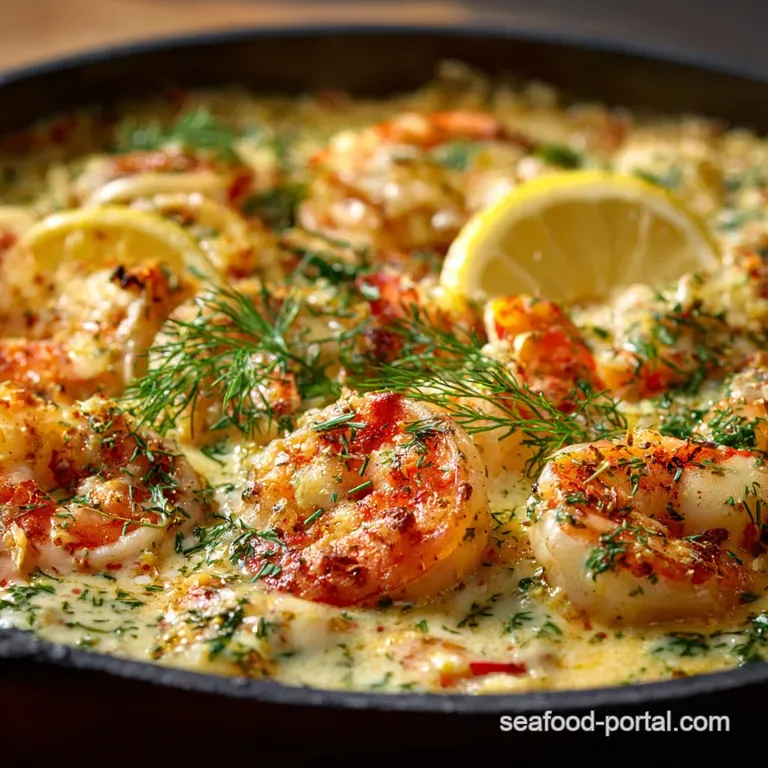
- Welcome to the Ultimate Creamy Lemon & Dill Shrimp Casserole
- Mastering the Texture: Why This Casserole Recipe Doesn't Separate
- Essential Ingredients for Your Rich Shrimp Casserole
- Selecting the Best Base: Choosing Your Rice and Seafood Stock
- Detailed Method: Preparing, Mixing, and Baking the Perfect Comfort Dish
- Expert Tips for a Flawless Shrimp Casserole Every Time
- Making Ahead and Storing: Reheating Shrimp Casserole Safely
- What to Serve Alongside Your Decadent Casserole
- Recipe FAQs
- 📝 Recipe Card
Welcome to the Ultimate Creamy Lemon & Dill Shrimp Casserole
That smell when it’s baking? It hits you, pure coastal comfort food wrapped in a cozy blanket of richness. The intense, herby aroma of fresh dill and bright lemon zest mingles with toasted breadcrumbs, making this dish unbelievably tempting.
Seriously, that initial wave of fragrance tells you this is going to be good.
Let's be honest, who has hours to fuss over dinner every night? Not me, and probably not you either! This specific Shrimp Casserole recipe is a total weeknight hero because 80% of the work is just whipping up the sauce and boiling the rice ahead of time.
It’s fast, relatively cheap considering the seafood, and feels unbelievably luxurious for how easy it is.
Forget those retro casseroles built entirely on canned condensed soups, okay? We are building flavor from scratch with a proper, silky roux, transforming the classic Shrimp Casserole Dish into something truly elegant and profoundly satisfying. Time to crack on and get this golden, bubbly comfort food started!
Mastering the Texture: Why This Casserole Recipe Doesn't Separate
What Makes This Casserole 'Coastal Comfort'?
The magic here is balance, my friend. We're using succulent raw shrimp added directly to the sauce, ensuring they cook perfectly during the bake without getting tough. The bright lemon and fresh dill are non and negotiable partners for seafood, giving the heavy cream sauce a necessary lift.
It feels rich without being heavy, which is the ultimate goal of comfort food.
Prep Time and Yield at a Glance
This entire process, start to finish, clocks in just under an hour, which is perfect for a Sunday meal prep or a speedy Friday night dinner. Remember, the rice needs to be cooked beforehand, so don’t skip that step! This recipe yields six seriously generous servings, making it ideal for sharing.
The Role of the Roux: Building a Silky, Stable Base
The roux that beautiful mix of butter and flour is the single most important component here. It gives us a thick, stable base (a Béchamel sauce, basically) that absolutely refuses to separate or turn watery in the oven.
This stability is why we skip the weird, gloopy sauces of lesser recipes. My biggest mistake, way back when, was not cooking the flour long enough. Cook the flour and butter for at least two minutes until it smells slightly nutty; this kills the raw flour taste and guarantees a silky texture.
Preventing Rubber Shrimp: Our Pre and Cooking Strategy
This is the key to achieving perfect, tender shrimp every time. We add the shrimp raw to the creamy base. The 30 minute bake time is just enough to gently poach the shrimp within the hot, luxurious sauce, preventing that dreadful rubbery texture.
If you use pre and cooked shrimp, you will end up with bouncy little disappointments, trust me on this.
Chef's Note: Always pat your thawed, raw shrimp completely dry before adding it to the mixture. Any excess moisture will leach into the sauce and make your perfect creamy base thin out during the bake. Dry shrimp is happy shrimp!
Essential Ingredients for Your Rich Shrimp Casserole
This recipe relies on fresh, quality ingredients, but I know life happens. Here are the must and haves and their quick fixes.
| Ingredient | Why We Use It | Quick Substitution |
|---|---|---|
| All and Purpose Flour | Base for the binding roux. | Use a certified gluten and free flour blend (ensure it contains Xanthan gum). |
| Whole Milk | Crucial for the creamy béchamel. | Cashew cream or full and fat oat milk for dairy and free needs. |
| Fresh Dill | Adds essential coastal brightness. | 1 Tbsp dried dill, or 1/4 cup fresh parsley/chives for a different lift. |
| Seafood Stock | Deepens the seafood flavor complexity. | Low and sodium vegetable broth or even chicken broth in a pinch. |
Selecting the Best Base: Choosing Your Rice and Seafood Stock
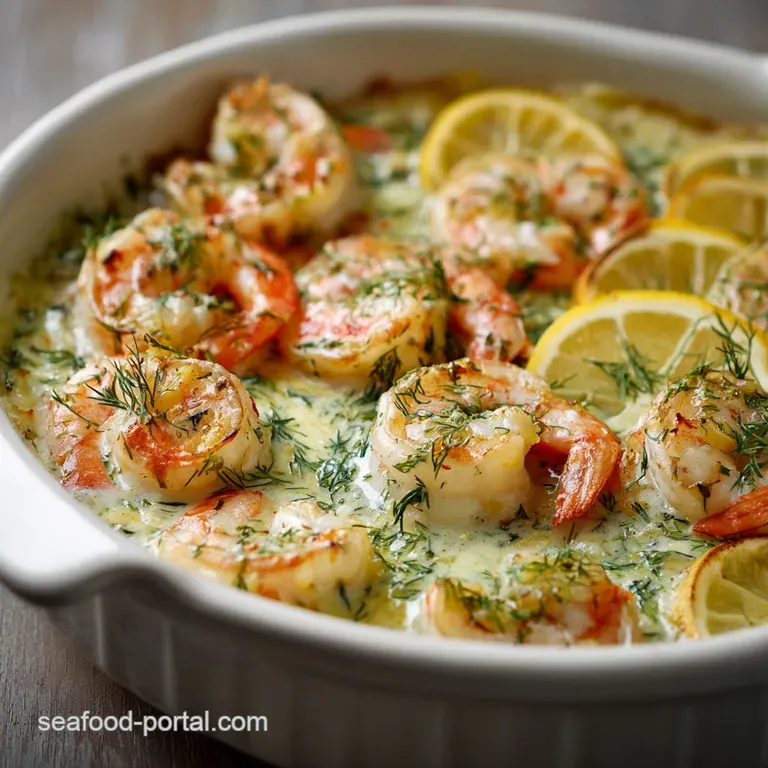
Choosing the Best Shrimp: Fresh, Frozen, and Size Considerations
I almost exclusively use frozen shrimp because they are flash and frozen right on the boat, making them usually "fresher" than what’s labeled "fresh" at the counter. Just make sure they are peeled, deveined, and thawed properly overnight in the fridge.
I prefer large (21/25 count) raw shrimp; they stand up nicely to the baking time.
Rice Matters: Selecting the Right Grain for Absorption
You absolutely must use pre and cooked rice. Long and grain white rice or Basmati works beautifully because it holds its shape and soaks up the creamy sauce without turning into paste. If you only have brown rice, that’s fine, but know that it will be a bit chewier.
For an incredible pasta variation, you could substitute the rice entirely for orzo or cooked elbow macaroni, which makes a great spin on this.
Dairy and Gluten Alternatives for the Cream Sauce
For a lighter version, swapping whole milk for half and half works, though it will be much richer. If you need to go dairy and free, use a high and fat plant milk like barista oat milk or coconut milk (but be warned, the coconut will add a subtle sweetness).
As mentioned above, gluten and free flours work, but whisk them like your life depends on it!
Fresh vs. Dried Herbs: Maximizing Dill and Zest Flavor
Do not skimp on the fresh dill or the lemon zest. We are using both to cut through the richness of the cream sauce. Dried dill is okay if you’re desperate, but you’ll lose that amazing, fragrant punch that makes this Creamy Shrimp Casserole so distinct.
Add the zest right at the end to maximize its volatile oils.
Detailed Method: Preparing, Mixing, and Baking the Perfect Comfort Dish
Step 1: Preparing the Aromatics and Building the Flavorful Roux
First things first, crank the oven up to 375°F (190°C) and grease your baking dish. Melt the butter in a heavy and bottomed saucepan over medium heat, then add your finely diced onion and celery.
Sauté these lovely aromatics gently for 5– 7 minutes until they are translucent and beautifully softened, then stir in the garlic for just 60 seconds until you smell that deep fragrance.
Sprinkle the flour over the softened vegetables and stir constantly for two full minutes this cooks out the raw flour taste and prevents lumps.
Step 2: Gently Folding in the Cooked Rice and Succulent Shrimp
Whisk in the white wine (if you’re using it) until smooth, followed by the seafood stock. Now, slowly pour in the whole milk, whisking constantly until the mixture is completely smooth and lump and free.
Bring this beautiful sauce to a gentle simmer, letting it cook for 3– 5 minutes until it thickly coats the back of a spoon. Remove it from the heat immediately, then stir in the lemon juice, zest, Dijon mustard, and all the salt and pepper.
Now, fold the pre and cooked rice and the chopped fresh dill into the sauce; finally, gently fold in your raw, completely dry shrimp.
Step 3: Assembling and Topping the Casserole Dish for Baking
Pour the entire, magnificent filling mixture evenly into your prepared 9x13-inch baking dish. Don't press it down too much; we want it airy. In a small bowl, combine the Panko breadcrumbs, grated cheese (I love Gruyère for its nutty melt, but Cheddar works too), and the melted butter.
Toss this topping mixture until every breadcrumb shard is coated in butter. Sprinkle this crunchy topping evenly over the casserole filling it’s going to turn golden and crunchy, creating the perfect textural contrast to the silky filling.
Step 4: Achieving a Golden, Bubbly Crust (Baking Times and Temperature)
Bake your casserole for 30– 35 minutes. You are looking for several key signs of doneness: the topping should be a deep, golden brown, the creamy sauce should be actively bubbling around the edges, and the shrimp must be fully opaque throughout.
Once removed from the oven, let it rest for 5 to 10 minutes. Resting is essential! It allows the sauce to settle back into the rice and prevents that sad, sloshy first scoop.
Expert Tips for a Flawless Shrimp Casserole Every Time
The Critical Temperature Check: Knowing When the Shrimp is Perfectly Done
If you’re worried about overcooking the seafood, use an instant and read thermometer. The shrimp is perfectly cooked when its internal temperature reaches 165°F (74°C). The shrimp should look pink and opaque, not grey or curled into tight little C-shapes, which indicates toughness.
Troubleshooting: How to Fix a Sauce That is Too Thin or Too Thick
If your sauce seems too thin before baking, fear not! Mix 1 tablespoon of flour with 2 tablespoons of cold water to create a slurry. Drizzle this slurry slowly into the simmering sauce while whisking; it will thicken almost instantly.
If the sauce is too thick, simply whisk in a splash more milk or stock until it reaches that perfect coat and the-spoon consistency.
Avoiding a Watery Casserole Base (The Secret to Draining)
There are two culprits for wateriness: wet shrimp (fix this by patting them dry!) or using too much liquid/not cooking the roux long enough. The biggest non and shrimp mistake is sometimes the rice.
If you cook your rice fresh for the casserole, make sure you drain it extremely well, or better yet, use rice that has been refrigerated overnight.
Making Ahead and Storing: Reheating Shrimp Casserole Safely
Freezing Instructions: Cooked vs. Uncooked Casserole
This seafood casserole freezes remarkably well, provided you freeze it before baking. Assemble the entire dish (without the breadcrumb topping), cover it tightly with foil, and freeze for up to 3 months.
When ready to cook, thaw it overnight in the fridge, top with the Panko mixture, and bake as directed (it might need an extra 5- 10 minutes if still slightly chilled). If freezing cooked leftovers , wrap tightly; they are best consumed within 6 weeks.
The Best Method for Reheating Leftovers Without Drying Out the Shrimp
Cooked leftovers keep beautifully in the fridge for 3 days. To reheat without destroying the shrimp texture, place the portion in an oven and safe dish, add a splash of milk or stock over the top to reintroduce moisture, cover with foil, and bake at 300°F (150°C) for 15– 20 minutes.
The low heat prevents the shrimp from seizing up. Microwaving works for speed, but the quality suffers a bit.
What to Serve Alongside Your Decadent Casserole
Fresh Green Pairings: Balancing the Richness
Since this creamy seafood dish is inherently rich, you need sides that provide crunch and acidity. A simple, crunchy green salad with a sharp, mustardy vinaigrette is mandatory for cutting through the fat.
You could also serve it with my recipe for [Baked Shrimp Toast: The Crispy, No and Fry Appetizer You Need] for a doubled and up seafood feast!
For a fantastic appetizer while this easy shrimp casserole dinner bakes, you could whip up a batch of my famous [Shrimp Dip: The Proper Creamy, Zesty Prawn Cocktail Dip Recipe]. It’s a perfect, refreshing start.
For the carb lovers (and who isn't?), crusty sourdough or garlic ciabatta is perfect for mopping up any leftover sauce. Seriously, you won't want to waste a drop of that gorgeous, lemon and dill cream.
Recipe FAQs
Why did my casserole turn out too runny after baking?
Runniness is often due to an insufficiently thickened roux or a liquid imbalance. Ensure you cook the flour and butter for the roux for at least two minutes before adding the liquid, thickening the sauce until it coats the back of a spoon.
If the issue is post bake, the rice likely didn't absorb enough moisture; next time, slightly reduce the stock or bake uncovered for the last 10 minutes.
I don't have rice. Can I use pasta instead for this casserole?
Absolutely, many casseroles benefit from pasta! Short, sturdy shapes like elbow macaroni, small shells, or penne work best to hold the creamy sauce and complement the shrimp. Be sure to par-boil the pasta before mixing it into the sauce; otherwise, it will soak up too much liquid during the baking process and cause the dish to dry out.
Should I use raw or pre-cooked shrimp for optimal results?
Always opt for raw, peeled, and deveined shrimp, as pre-cooked shrimp tends to become rubbery when baked twice in a casserole. If you must use pre-cooked shrimp, fold them into the casserole base during the final five minutes of mixing before it goes into the oven to minimize cooking time.
They only need to be heated through, not cooked again.
Can I assemble this casserole ahead of time and bake it later?
Yes, this casserole can be assembled up to 24 hours in advance and stored covered in the refrigerator. When you are ready to bake, allow the dish to sit at room temperature for 30 minutes, then increase the total baking time by about 10 15 minutes to account for the chilled temperature.
Note that the rice may absorb more liquid overnight.
The recipe uses heavy cream; can I lighten the sauce with milk or half and-half?
While you can substitute lighter dairy, heavy cream provides the richest mouthfeel and is less likely to curdle during baking. If using half and-half or milk, whisk in 1 tablespoon of cornstarch with the liquid before heating to ensure the sauce achieves the proper thickness and stability under heat.
Avoid skim milk entirely.
My casserole tastes too tart. How do I balance the lemon flavor?
Excessive tartness usually indicates too much lemon juice was added; always rely on zest for concentrated aroma and juice for brightness, tasting carefully before committing. To counteract this, stir in a small pinch (about half a teaspoon) of sugar, which will neutralize the acidity without making the dish taste sweet.
Is the Creamy Lemon & Dill Shrimp Casserole suitable for freezing?
Cream based casseroles are tricky to freeze, as the dairy fats often separate upon thawing and reheating, leading to a grainy texture. If you must freeze, it is best to freeze the casserole unbaked (without the breadcrumb topping); thaw it overnight in the refrigerator, and then bake as directed with a fresh topping.
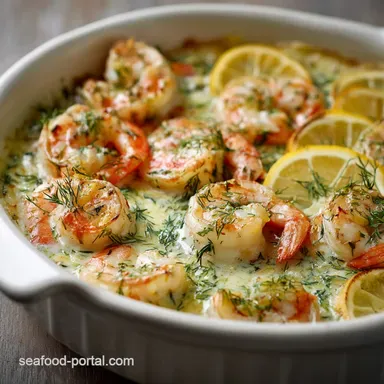
Creamy Lemon Dill Shrimp Casserole
Ingredients:
Instructions:
Nutrition Facts:
| Calories | 951 kcal |
|---|---|
| Protein | 60.0 g |
| Fat | 32.7 g |
| Carbs | 106.5 g |
