Seafood Casserole: Ultimate Creamy Fishermans Bake with Cheesy Crumb
- Bringing the Coast Home: A Creamy Fisherman’s Bake Introduction
- The Science of Comfort: Why This Seafood Casserole Recipe is Flawless
- Essential Components for the Ultimate Baked Fisherman’s Casserole
- Step-by-Step: Preparing Your Creamy Seafood Casserole
- Chef’s Secrets: Ensuring Perfect Texture and Flavor
- Preparing Ahead and Handling Leftovers
- Recipe FAQs
- 📝 Recipe Card
Bringing the Coast Home: A Creamy Fisherman’s Bake Introduction
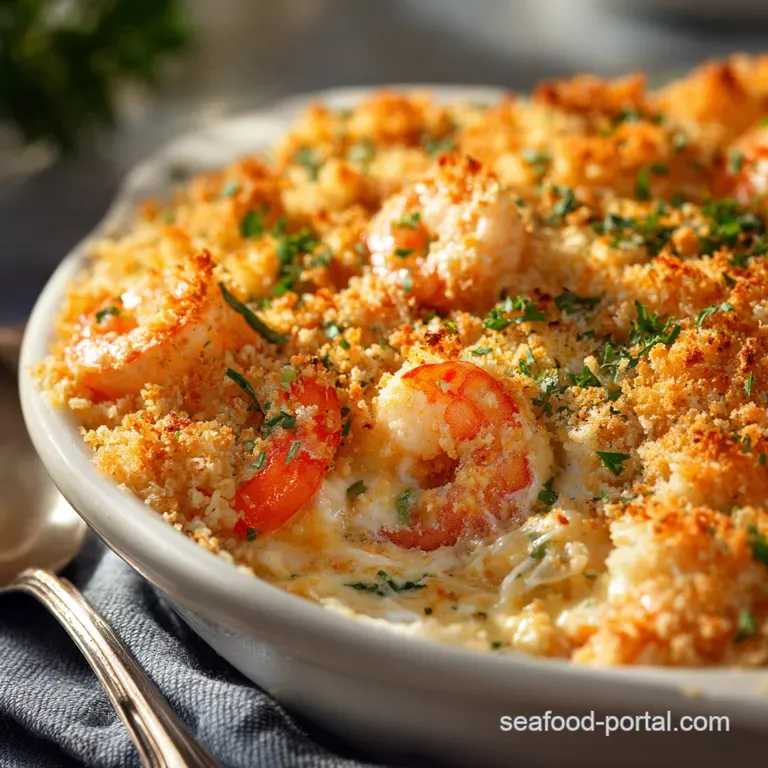
Stop what you are doing right now and imagine this: the sharp, savory scent of melted mature Cheddar mixing with fresh dill and lemon zest, warming up your whole kitchen. Then you pierce that golden, crunchy Panko topping with a spoon, and the steam wafts up, revealing a rich, velvety sauce loaded with flaky white fish and sweet, succulent prawns.
It’s pure coastal comfort food, right in your own home.
This isn’t one of those overly complicated affairs that takes three hours and ten separate pots; honestly, it’s a weeknight lifesaver disguised as an elegant dinner party showstopper.
It’s an easy, economical way to feed a crowd, turning a simple batch of frozen prawns and a humble piece of cod into the ultimate family dinner. We are talking minimal fuss for maximum impact here, which is exactly my kind of recipe.
I’ve spent years perfecting the creamy base you know, the kind that doesn't split or turn into a watery mess in the oven. Trust me, I’ve had my share of casserole catastrophes.
But now, I’m ready to share the exact method for this flawless baked [Seafood Casserole] so you can get the best results every single time. Let’s crack on and get this bubbling beauty into the oven.
The Science of Comfort: Why This Seafood Casserole Recipe is Flawless
This isn't just about throwing ingredients together. The magic happens in the kitchen alchemy. We use a smooth roux base, which is basically butter and flour cooked slowly, to create that velvety, luxurious mouthfeel everyone craves in a great seafood casserole. It prevents the whole thing from being thin or watery.
The Elegant Evolution of the Traditional Fish Pie
A traditional fish pie relies heavily on a fluffy potato top, which is wonderful, but sometimes you want something simpler and lighter. This recipe strips away the potato mash and embraces the rich creaminess of the filling, allowing the delicate seafood flavors to truly shine.
It feels more elegant and less heavy, making it perfect for year round cooking. It’s the perfect way to enjoy a decadent [Seafood Bake Recipe] without the Sunday commitment.
What Makes Our Seafood Casserole Stand Out?
We rely on fresh herbs and bright acidity, which is absolutely vital when dealing with rich, creamy dishes. Without the pop of lemon and dill, the sauce can feel heavy and flat, boring even. The dill isn't optional here.
It provides that essential herbal lift, cutting through the richness beautifully, and making the dish taste undeniably fresh.
Achieving a Velvety, Split Free Béchamel Sauce Base
The secret to a perfect Béchamel is patience and temperature control. You must cook the flour and butter (the roux) for a minimum of two minutes to eliminate that unpleasant, raw flour flavor. Also, always add slightly warmed milk slowly while whisking vigorously.
Cold milk hitting hot roux is the fast track to a lumpy mess, and who has time to sieve a sauce mid-cook? Not me!
Balancing Richness: Lemon, Dill, and Wine Infusion
We use a quick blast of dry white wine to deglaze the pan after sautéing the aromatics; this adds a depth of flavor that stock simply can’t match. It doesn't taste boozy at all, but instead, it provides crucial complexity.
The acidity from the wine, combined with the fresh lemon zest added at the end, prevents the entire [Seafood Casserole] from tasting like just a pile of cream.
The Perfect Crunch-to-Cream Ratio
A successful casserole must have texture; otherwise, it’s just soup, right? Our topping uses Panko, which gives superior crispness compared to regular breadcrumbs. Tossing it with melted butter and grated mature Cheddar means it bakes into a golden, deeply savory crust that shatters perfectly when you spoon it out.
If you love a great topping, you could also try crushed Ritz crackers for that amazing buttery flavor. This is especially popular in many classic [Seafood Casserole Recipes] along the East Coast.
Essential Components for the Ultimate Baked Fisherman’s Casserole
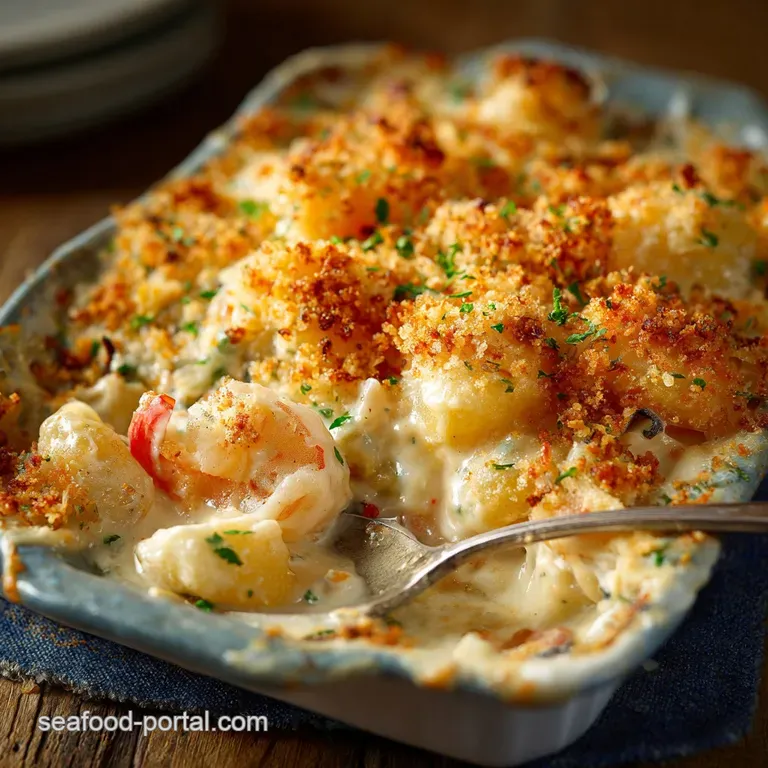
I am a big believer in using what you have, so don't worry if you need to make a swap or two. Here are the core ingredients and the best ways to substitute them without sacrificing flavor.
Selecting the Best Flaky White Fish for Baking (Cod, Haddock, or Snapper)
Cod and Haddock are fantastic choices because they hold their shape well and have a mild flavor that absorbs the sauce perfectly. The key is using thick, firm fillets. If you are substituting, choose something similarly robust like snapper or halibut so it doesn't disintegrate into flakes during baking.
Expert Swaps: Handling Fresh vs. Frozen Prawns and Shellfish
I almost always use frozen prawns (shrimp) for casseroles; they are often better quality and far more economical. Crucially, make sure they are thawed fully and patted dry before adding them to the mixture.
Never use pre-cooked seafood here, as it will be rubbery by the time the rest of the dish is baked through. If you are feeling fancy, add some chopped scallops or lump crabmeat for an incredible [Seafood Casserole with Shrimp Scallops and Crabmeat].
Building the Cheesy Panko Crumb Topping
We use mature Cheddar for maximum flavor, but Gruyère or even Parmesan work wonderfully too. The Panko crumb is truly superior for crunch. You just need to ensure the melted butter is thoroughly mixed in, guaranteeing that gorgeous golden color across the whole surface.
Substitution Notes for Dry White Wine
| Ingredient | My Recommendation | Quick Swap (If unavailable) |
|---|---|---|
| Flaky White Fish | Cod or Haddock | Pollock, Halibut, or even firmer Tilapia |
| Dry White Wine | Sauvignon Blanc or Pinot Grigio | Seafood or Vegetable Stock + 1 tsp lemon juice |
| Prawns/Shrimp | Raw, thawed large prawns | Small lobster chunks or chopped mussels |
| Whole Milk | Full fat whole milk | Half and half or evaporated milk (for extra richness) |
| Panko | Panko Breadcrumbs | Crushed [Ritz Crackers] or regular dried crumbs |
step-by-step: Preparing Your Creamy Seafood Casserole
This process is broken down into simple, manageable steps, taking you from raw ingredients to a gorgeous golden bake in about an hour. Pay attention to the sensory cues in the instructions; they tell you when each stage is perfect!
- Prep and Sauté: Preheat your oven to 400°F (200°C) and grease your 9x13 dish. Sauté the diced onion and celery until they are soft and smelling sweet about 5– 7 minutes is usually perfect. Add the garlic and cook until you smell that nutty aroma, then deglaze with the wine, letting it bubble down for 2 minutes. Remove the vegetables to a bowl.
- Make the Roux: Melt the butter in the same pan, then whisk in the flour to form a smooth paste. Cook this roux for a full 2 minutes, stirring non-stop to cook out that raw flour flavor.
- Build the Béchamel: Whisk in the warmed milk very slowly, ensuring you completely incorporate each splash before adding the next. Bring it to a gentle simmer, whisking constantly until the sauce is thick enough to coat the back of a spoon. It should look absolutely silky.
- Finish the Sauce: Take the pan off the heat immediately. Stir in the Dijon mustard, salt, pepper, lemon zest, dill, and parsley. Taste it now! Adjust the seasoning before adding the seafood.
- Fold the Filling: Gently fold the raw fish, prawns, frozen peas, and the sautéed aromatics into the sauce. Be gentle here; you don't want to break up the fish too much.
- Assemble and Bake: Pour the mixture into your prepared casserole dish. Mix the Panko, Cheddar, and melted butter, and sprinkle it evenly across the top. Bake for 30– 35 minutes until the topping is deeply golden and the filling is bubbling happily around the edges.
- Rest: Let it sit for 5– 10 minutes before serving. This is mandatory for a sturdy, set sauce.
Chef’s Secrets: Ensuring Perfect Texture and Flavor
I’ve had many kitchen disasters one time, I rushed the sauce and it curdled, resulting in a chunky soup instead of a creamy bake. Learn from my mistakes!
Preparing the Roux and Infusing the White Wine Sauce
The critical flavor step is deglazing with the wine. Make sure you scrape up all those lovely brown bits (the fond ) from the bottom of the pan when you add the liquid. Those tiny bits hold massive flavor.
Gently Folding the Seafood into the Béchamel
DO NOT cook the seafood beforehand. The fish and prawns are added raw. They cook perfectly in the oven, staying tender and moist within the sauce. Overcooking makes for chewy, sad prawns, and nobody wants that. Simply fold them in gently at the end.
Assembling and Achieving an Even Crumb Distribution
When you top the casserole, try to sprinkle the Panko mixture as evenly as possible. If you dump it all in the middle, you'll end up with a dry, scorched center and pale edges. An even layer guarantees maximum crunch for everyone at the table.
The Crucial Temperature Check: Preventing Overcooked Prawns
You know the casserole is done not just by the golden top, but by the filling. You want it bubbling hot, meaning the internal temperature has reached at least 165°F (74°C). The fish should flake easily, and the prawns should be opaque pink throughout, not gray and certainly not shrunken.
Crucial Mistake Alert: Overbaking is the biggest sin here. The moment the topping is golden and the edges are bubbling, pull it out. The casserole will continue cooking even after it leaves the oven, so trust the clock and your eyes.
Troubleshooting: Why Your Sauce Might Be Too Thin or Lumpy
If your sauce is too thin, it means you didn't cook the roux long enough, or you added too much milk too quickly. Next time, cook the roux for the full two minutes, or, if you need a quick fix now, take out 1/4 cup of the sauce, mix it vigorously with 1 teaspoon of flour, and stir it back into the bubbling casserole right before the baking step.
If it’s lumpy, whisk harder and perhaps use a stick blender if you are truly desperate!
Pre-Baking Prep: Ensuring the Casserole Dish is Ready
Always, always grease your dish. This prevents the baked-on, caramelized edges from sticking like glue, making serving and cleanup infinitely easier.
Preparing Ahead and Handling Leftovers
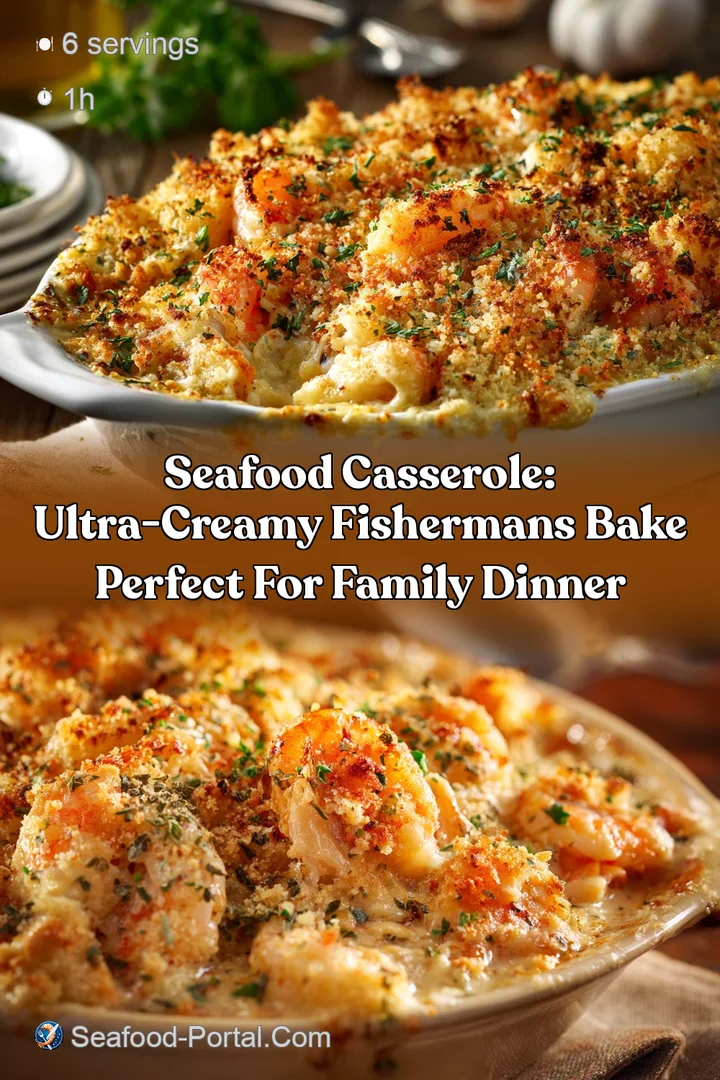
This [Seafood Casserole] is actually a brilliant make-ahead dish, perfect for busy hosts or when you just want a low-effort weeknight meal.
Freezer Instructions: Baking and Thawing the Casserole
You can fully assemble the casserole (sauce, seafood, and topping) in the dish, cover it tightly with plastic wrap and foil, and freeze it unbaked for up to 3 months. When you are ready to cook, thaw it overnight in the fridge.
Bake covered at 375°F (190°C) for 30 minutes, then uncover and increase the temperature to 400°F (200°C) for the last 15 minutes to brown the crust.
Reheating Creamy Dishes Without Splitting or Drying Out
Leftovers keep beautifully in the fridge for up to 3 days. To reheat without drying out, cover the individual portions loosely and microwave them gently, using 50% power. If you are reheating the whole dish, cover it tightly with foil and bake at 350°F (175°C) until warmed through (about 20 minutes), removing the foil only for the last few minutes if the crust needs crisping.
Simple Sides That Complement Rich Seafood Dishes
Because the casserole itself is so rich and flavorful, you need simple sides that provide contrast.
- Steamed asparagus or crispy green beans tossed with butter and sea salt are perfect.
- A light, sharp green salad dressed with a simple vinaigrette (red wine vinegar, olive oil, pinch of sugar) cuts through the creaminess.
- Crusty bread for soaking up every glorious drop of sauce.
If you love creamy pasta bakes, you might also want to check out my ridiculously easy OnePot Creamy Tuna Noodle Casserole The 35Minute Weeknight Wonder .
Recommended Wine Pairings for Creamy Casseroles
Since this is an unctuous, creamy, and mildly herby dish, you need something crisp and clean. Think coastal French white wines: a dry Muscadet, a bone dry Sancerre, or a crisp Italian Pinot Grigio. If you prefer red, stick to something very light and chilled, or better yet, opt for a lovely pale ale or Pilsner.
Recipe FAQs
Why is my casserole filling runny or watery?
This usually happens if the fish wasn't patted dry thoroughly before adding it to the sauce, as seafood naturally releases moisture when heated. Ensure your initial béchamel base is very thick before adding the seafood, as it will thin out during the baking process.
If you need an immediate fix before baking, you can thicken the sauce slightly by stirring in 1 teaspoon of cornstarch mixed with 2 teaspoons of cold milk.
Can I substitute the seafood listed in the recipe?
Absolutely. This bake works wonderfully with almost any firm white fish like cod, haddock, or snapper, and scallops or mussels make excellent additions for variety. Ensure all substitutions are cut into uniform, bite sized pieces so they cook evenly in the creamy base and do not overcook before the crumb is golden.
How should I store and reheat leftover Fisherman’s Bake?
Store leftovers tightly covered in the refrigerator for up to 3 days. To reheat, cover the dish loosely with foil and warm it in a moderate oven (350°F / 175°C) until heated through, which takes approximately 15-20 minutes.
Reheating in the oven rather than the microwave helps maintain the desirable crispness of the cheesy crumb topping.
Can I omit the dry white wine from the sauce?
Yes, you can omit the wine entirely or replace the specified amount with a high-quality fish or vegetable stock. The wine is primarily used for depth of flavor and acidity, so if you use stock, add an extra squeeze of fresh lemon juice or a tiny splash of white wine vinegar to maintain that necessary bright lift.
Can I assemble the casserole ahead of time?
Yes, you can prepare the filling and place it in the baking dish up to 24 hours in advance, but you must hold off on adding the cheesy crumb topping. Cover the filling tightly and refrigerate; add the topping only immediately before baking.
Since the casserole is starting cold, you may need to extend the cooking time by 10 to 15 minutes.
How can I make this Fisherman’s Bake gluten-free?
To make the creamy base gluten-free, substitute the standard flour used for the béchamel roux with an equal amount of a 1:1 gluten-free flour blend. For the crumb topping, replace the standard panko or breadcrumbs with a dedicated gluten-free breadcrumb variety.
Ensure any stock or cheese used is also certified gluten-free if required.
Creamy Cheesy Seafood Casserole Bake
Ingredients:
Instructions:
Nutrition Facts:
| Calories | 1030 kcal |
|---|---|
| Protein | 51.7 g |
| Fat | 49.5 g |
| Carbs | 89.8 g |
