Crab Legs: Steamed and Tender
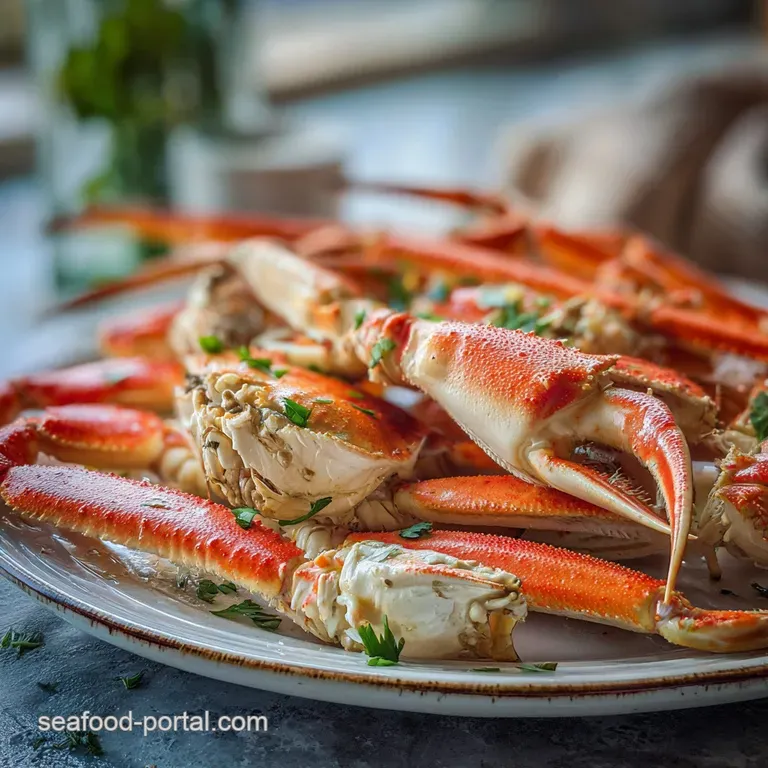
- Time: Active 5 minutes, Passive 10 minutes, Total 15 minutes
- Flavor/Texture Hook: Velvety butter meets salty, oceanic sweetness
- Perfect for: Anniversary dinners, holiday feasts, or impressive weeknight treats
- Master Succulent Crab Legs at Home Today
- The Science of Better Steaming
- Sizing Up Your Servings for the Ultimate Feast
- Component Analysis of Every Key Ingredient
- Essential Tools for a Flawless Seafood Night
- Step-by-Step Guide to Steaming Success
- Avoiding Common Mistakes with Your Crustaceans
- Scaling the Recipe for Any Crowd
- Flavor Variations and Smarter Ingredient Swaps
- Storing and Repurposing Your Leftover Shellfish
- The Best Ways to Enjoy Your Bounty
- High in Sodium (⚠️)
- Recipe FAQs
- 📝 Recipe Card
Master Succulent Crab Legs at Home Today
That sharp, rhythmic snap of a king crab leg is the universal dinner bell for seafood lovers. I still remember the first time I tried to make these at home; I threw them into a pot of boiling water and ended up with soggy, waterlogged meat that tasted more like the tap water than the Alaskan coast.
It was a tragedy of culinary proportions. Since then, I've learned that the secret isn't in the water it's in the vapor.
The aroma of Old Bay and lemon rounds hitting hot steam is enough to bring anyone into the kitchen. We're going for that specific texture where the meat slides out in one glorious, intact piece, glistening with just enough moisture to be tender but firm enough to have a satisfying bite.
You don't need a fancy seaside shack or a $100 tab to get this right.
Today, we're talking about how to treat these beautiful clusters with the respect they deserve. Whether you've got snow crab or giant king crab, the technique remains the same. We are building layers of flavor from the bottom up, starting with an aromatic steam bath and finishing with a garlic infused "liquid gold" dip.
Trust me on this: once you see how easy it is to nail that shatter crisp shell and silky interior, you'll never order them out again.
The Science of Better Steaming
The Vapor Barrier: Steaming creates a pressurized environment that cooks the crab without diluting its natural briny liquor. This prevents the "washing out" of flavor that occurs during traditional boiling.
Thermal Inertia: Since most Crab Legs are pre cooked and frozen, we aren't actually "cooking" the protein but rather rethermalizing it. Gentle steam reaches the center of the leg without toughening the outer fibers.
| Method | Cook Time | Texture Result | Best Use Case |
|---|---|---|---|
| Stovetop Steam | 6-10 mins | Silky and plump | Maximum juice retention |
| oven-roasted | 12-15 mins | Concentrated and sweet | When cooking for 6+ people |
| Boiled | 5-7 mins | Potential sogginess | Large outdoor boils only |
If you are looking for another way to prep your shellfish, our Crab Legs with recipe covers the oven baked approach which adds a lovely roasted depth to the shells.
Sizing Up Your Servings for the Ultimate Feast
Determining exactly how much to buy can be the difference between a hungry crowd and a fridge full of expensive leftovers. Crab is deceptive because the shells take up so much physical space while the actual meat yield is relatively low.
| Group Size | Total Weight (lbs) | Lemon Rounds | Butter Needed |
|---|---|---|---|
| 2 People | 1 to 1.5 lbs | 1 small lemon | 1/4 cup |
| 4 People | 2 lbs | 1 large lemon | 1/2 cup |
| 6 People | 3 to 4 lbs | 2 large lemons | 1 cup |
- If you want a light meal, stick to 1/2 lb per person.
- If you want a feast, aim for 1 lb of legs per person.
- If you want leftovers, 1.5 lbs ensures enough for a morning omelet.
Component Analysis of Every Key Ingredient
The Gentle Vapor Barrier
The liquid in the bottom of your pot shouldn't just be plain water. By adding 2 cloves of garlic (smashed) and a sliced lemon, you create a scented fog that perfumes the meat from the inside out. This is where the foundation of the flavor begins.
Fat Soluble Flavor Delivery
Butter is the vehicle for everything we love about this dish. Using 1/2 cup of unsalted butter allows us to control the saltiness, especially since the 2 tbsp of Old Bay and the crab itself bring plenty of sodium to the party.
| Ingredient | Science Role | Pro Secret |
|---|---|---|
| Old Bay | Flavor complex | Rub directly on shells for aroma |
| Lemon Rounds | Acidic balance | Steam filters acidity into the meat |
| Smoked Paprika | Color and depth | Provides a "grilled" scent without heat |
| Unsalted Butter | Emulsion base | Melt slowly to prevent separation |
When selecting your main protein, always look for legs that are free of excessive ice crystals. For a deeper dive into selecting the best clusters, check out our & Juicy Crab recipe which goes into detail on sourcing.
For the Crab
- 2 lbs Crab Legs: Either Snow or King will work perfectly. Why this? Snow crab is sweeter; King crab is meatier and richer.
- 2 tbsp Old Bay Seasoning: The classic coastal blend. Why this? The celery salt and paprika notes are non negotiable for authenticity.
- 1 Lemon: Sliced into thin rounds. Why this? Brightens the heavy fats of the butter sauce.
- 2 cloves Garlic: Smashed to release oils. Why this? Adds a savory backbone to the steaming liquid.
For the Signature Butter Dip
- 1/2 cup Unsalted Butter: The gold standard. Why this? Unsalted allows you to adjust the seasoning to your specific taste.
- 1 tsp Garlic Powder: For uniform flavor. Why this? Mixes better into melted butter than fresh minced garlic.
- 1/2 tsp Smoked Paprika: For a hint of fire. Why this? Adds a beautiful crimson hue and earthy depth.
- 1 tbsp Fresh Parsley: Finely minced. Why this? Adds a pop of color and a fresh, herbaceous finish.
Essential Tools for a Flawless Seafood Night
You don't need a professional kitchen, but a few specific items make this much easier. A large stockpot with a fitted steamer basket is the hero here. The basket keeps the crab out of the liquid, ensuring they steam rather than boil.
If you don't have a basket, you can scrunch up some aluminum foil into balls and place them at the bottom of the pot to act as a makeshift rack.
You'll also want a set of sturdy kitchen shears or crab crackers. I personally find shears much more effective for snow crab; you can just snip up the side of the leg and peel it back like a zipper. For the butter, a small heavy bottomed saucepan works best to melt everything slowly without scorching the milk solids.
step-by-step Guide to Steaming Success

1. Preparation & Aromatics
Fill a large stockpot with about 2 inches of water. Add your 1 lemon (sliced) and 2 cloves of smashed garlic to the water. Place the steamer basket inside. Note: The water level must be below the bottom of the basket.
2. Seasoning the Shells
Take your 2 lbs of Crab Legs and lightly rinse them under cold water to remove any surface salt or ice. Dust them with 1 tbsp of the Old Bay seasoning, rubbing it into the joints. Note: This ensures the scent hits you immediately when you crack them open.
3. The Steaming Phase
Bring the water to a rolling boil until you see thick plumes of steam. Arrange the crab legs in the basket, overlapping them if necessary. Cover tightly with a lid.
4. Precision Timing
Steam for 5 to 10 minutes until the shells turn bright orange and smell fragrant. Note: King crab takes closer to 10 minutes, while smaller snow crab legs are usually done in 6 minutes.
5. Creating the Liquid Gold
While the crab steams, place 1/2 cup unsalted butter in a small saucepan over low heat. Once melted, whisk in 1 tsp garlic powder, 1/2 tsp smoked paprika, and the remaining 1 tbsp of Old Bay.
6. Emulsifying the Sauce
Continue to whisk the butter for 2 minutes until it looks velvety and slightly bubbly. Do not let it brown. Note: This slow melt keeps the butter from separating into oil and solids.
7. Finishing Touches
Turn off the heat and stir in 1 tbsp of minced parsley. The residual heat will soften the herbs without turning them bitter.
8. The Reveal
Carefully remove the crab clusters from the pot using tongs. Let them sit for 60 seconds. Note: This brief rest allows the internal juices to settle so they don't spray when cracked.
9. Plating
Serve the warm legs on a large platter with the garlic butter in individual ramekins for dipping. Provide extra lemon wedges on the side for those who want an extra zing.
Avoiding Common Mistakes with Your Crustaceans
Why is my crab meat sticking to the shell?
This usually happens for two reasons: the crab was frozen for too long, causing the proteins to bond with the calcium in the shell, or it was overcooked. When you overcook crab, the meat loses its moisture and "shrinks," but it clings to the interior walls of the shell.
To fix this, stick strictly to the 145°F internal temperature rule.
Can I cook crab legs from frozen?
Yes, you absolutely can, but I don't recommend it if you want the best texture. Cooking from frozen often leads to "cold spots" near the joints while the thinner parts of the legs become rubbery. If you are in a rush, run cold water over them for 5 minutes to break up the ice before steaming.
| Problem | Root Cause | Solution |
|---|---|---|
| Rubbery meat | Overcooking | Reduce steam time by 2 minutes |
| Watery interior | Boiling instead of steaming | Use a steamer basket or foil balls |
| Separated butter | Melted too quickly | Use low heat and whisk constantly |
For a more traditional approach that focuses on a slow, baked method, see our How to Cook recipe which is a total lifesaver for holiday hosting.
Common Mistakes Checklist:
- ✓ Never crowd the pot - steam needs room to circulate around every joint.
- ✓ Avoid high heat for the butter - it will scorch and taste bitter.
- ✓ Always rinse the legs first to remove excess brine used during the commercial freezing process.
- ✓ Use a tight fitting lid - if steam escapes, the cook time doubles and the meat dries out.
- ✓ Pat the legs dry before serving so the butter actually clings to the meat.
Scaling the Recipe for Any Crowd
When scaling down for a solo treat, you can actually use a large skillet with a lid. Just use half the butter and a single clove of garlic. The cook time remains about the same because the steam volume is proportional to the pan size.
Scaling up for a party (4x the recipe) requires a bit more care. Don't try to fit 8 lbs of crab into one pot. The bottom layer will turn to mush before the top layer even gets warm. Instead, work in batches or use two separate pots.
For the butter, you can make a large batch in a small slow cooker on the "warm" setting to keep it liquid throughout the party.
| Factor | Scaling Down (1/2) | Scaling Up (2x) |
|---|---|---|
| Pot Size | Medium saucepan | Large 12qt Stockpot |
| Steam Time | No change | Add 2-3 minutes |
| Spices | Use full amount | Increase by 1.5x only |
Flavor Variations and Smarter Ingredient Swaps
If you want to deviate from the classic Old Bay profile, the world is your oyster (or crab). A Cajun kick is easily achieved by swapping Old Bay for a spicy creole seasoning. For a more refined, "bistro" style, use dry white wine instead of water in the steaming pot.
This creates a sophisticated aroma that permeates the meat.
| Original Ingredient | Substitute | Why It Works |
|---|---|---|
| Old Bay | Cajun Seasoning | Adds more heat and black pepper notes. |
| Butter | Ghee (Clarified Butter) | Higher smoke point and richer, nuttier taste. |
| Parsley | Fresh Cilantro | Pair with lime for a tropical/Mexican twist. |
A quick tip for those who find the shell cracking process tedious: if you are serving kids, use kitchen shears to pre split the legs before putting them in the steamer. It makes it much easier for little hands to get to the meat without the mess.
Storing and Repurposing Your Leftover Shellfish
Fridge Life: Cooked crab legs will stay fresh in an airtight container for up to 3 days. I recommend removing the meat from the shells before storing to save space and make it easier to use later. Freezing: You can freeze the picked meat for up to 2 months.
Wrap it tightly in plastic wrap and then place it in a heavy duty freezer bag to prevent freezer burn.
Zero Waste Tip: Never throw away those shells! Once you've picked them clean, toss the shells back into a pot with some celery, carrots, and onions. Simmer for 45 minutes to create a stunning seafood stock. You can use this liquid gold as a base for a Classic Creamy Crab recipe that will blow your mind.
The Best Ways to Enjoy Your Bounty
Steamed crab is a sensory experience, so set the stage. I always put out a few "discard bowls" for the shells and plenty of extra napkins. If you're feeling fancy, warm the plates in the oven for a few minutes so the crab stays hot while you're working through the legs.
Pair these legs with something light and acidic to cut through the butter. A crisp Caesar salad or some simple roasted asparagus works wonders. For the wine drinkers, a buttery Chardonnay or a very cold Sauvignon Blanc will complement the sweetness of the crab perfectly.
Right then, you've got the tools, the science, and the secrets. Let's get cracking!

High in Sodium (⚠️)
1045 mg mg of sodium per serving (45% % of daily value)
The American Heart Association recommends limiting sodium intake to about 2,300mg per day.
Tips to Reduce Sodium in Your Crab Legs:
-
Reduce Old Bay-25%
Old Bay Seasoning is a significant source of sodium. Try using half the amount and see if you still enjoy the flavor. If not, add a little more at a time.
-
Consider Fresh Crab-20%
If possible, opt for fresh crab legs, as they generally contain less sodium than pre-cooked or frozen options. When buying frozen, check the label for sodium content.
-
Lemon Power!-15%
Increase the amount of lemon juice and zest to enhance the flavor without relying on sodium. A squeeze of fresh lemon can make a big difference. Consider using twice the amount and tasting.
-
Garlic Switch-Up-10%
Omit the garlic powder, as it can contribute to the overall sodium level. The recipe already includes fresh garlic, which provides a more natural and robust flavor. Use 2-3 cloves of garlic instead of the garlic powder.
-
Herb & Spice Boost
Experiment with other herbs and spices like dill, black pepper, or red pepper flakes to add flavor complexity without sodium. Explore different combinations to find your favorite flavor profile.
Recipe FAQs
How do you cook crab legs at home?
Steam them for the best results. Fill a large pot with about 2 inches of water, add aromatics like lemon and garlic, and bring to a boil. Place crab legs in a steamer basket above the water, cover, and steam for 5-10 minutes. This method preserves moisture and flavor, unlike boiling. For a different approach, explore oven roasting in our How to Cook Frozen King Crab: Steamed to Perfection guide.
Is it better to boil or bake crab legs?
Steaming is generally preferred over boiling. Boiling can dilute the crab's natural flavor and make the meat watery. Baking or roasting can concentrate the flavors but risks drying out the delicate meat if not done carefully. Steaming offers a balance of gentle cooking and flavor retention.
How long are crab legs supposed to be cooked?
Generally 5-10 minutes for steaming, depending on size. Smaller snow crab legs typically take about 5-7 minutes, while larger king crab legs might need closer to 8-10 minutes. They are done when the shells turn bright orange and are fragrant. It's crucial not to overcook them, as this makes the meat tough and rubbery. If you master this technique, you can apply similar heat control to recipes like Warm and Buttery Lobster Rolls: Classic Maine Style Recipe.
Is it better to cook crab legs frozen or thawed?
Thawed crab legs yield the best texture. Cooking frozen crab legs can lead to uneven cooking, with some parts overcooked and rubbery while others remain undercooked. If you must cook from frozen, rinse them under cold water for a few minutes first to break up ice crystals.
For optimal results, always thaw them in the refrigerator overnight.
What's the best way to reheat cooked crab legs?
Steaming is the superior method for reheating. Gently reheat them in a steamer basket over simmering water for 3-5 minutes, just until warmed through. Avoid microwaving, which can make the meat tough and dry, and boiling, which can lead to a waterlogged taste.
Can I add flavor to crab legs while cooking?
Yes, infusing flavor during steaming is ideal. Add aromatics like lemon slices, smashed garlic cloves, or a splash of white wine to the steaming liquid. This gently perfumes the crab meat from the inside out. Alternatively, you can toss them in a flavorful sauce after cooking, similar to the approach in How to Make the Ultimate King Crab Seafood Boil: Deliciously Fun!.
How do I know if my crab legs are fully cooked?
Look for a bright orange shell and a fragrant aroma. The meat should be opaque white and easily pull away from the shell. If the shells are still dull or grayish, they need a bit more time.
Overcooking is indicated by dry, tough meat, so err on the side of slightly undercooking if unsure, as they will continue to cook slightly after removal from heat.
Crab Legs Recipe

Ingredients:
Instructions:
Nutrition Facts:
| Calories | 315 kcal |
|---|---|
| Protein | 21.6 g |
| Fat | 24.9 g |
| Carbs | 1.2 g |
| Fiber | 0.3 g |
| Sugar | 0.2 g |
| Sodium | 1045 mg |
