Crab and Coconut: Velvety Coastal Nectar
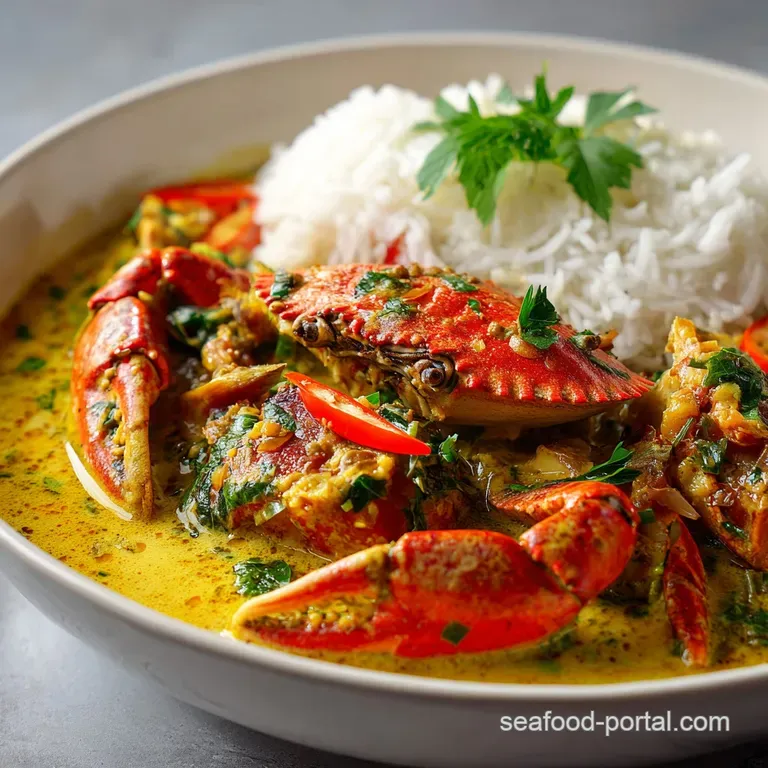
- Time: Active 20 minutes, Passive 25 minutes, Total 45 minutes
- Flavor/Texture Hook: Velvety, creamy sauce with tender squash and succulent, sweet crab meat.
- Perfect for: A cozy weekend family dinner or an impressive tropical themed gathering.
- How the Creamy Coconut Meets Savory Crustaceans
- Timing and Yield for the Perfect Dinner
- Troubleshooting Common Issues
- The Component Analysis for Your Coastal Meal
- The Fresh Elements You Will Need
- Tools to Handle Those Crabby Shells
- Step by Step Toward the Coastal Classic
- Solving Sogginess and Flavor Imbalance Issues
- Adapting the Recipe for Different Diets
- Debunking Kitchen Myths
- Keeping Your Leftovers Fresh and Flavorful
- Bringing the Tropical Experience to Your Table
- Very High in Sodium
- Crab and Coconut FAQs
- 📝 Recipe Card
How the Creamy Coconut Meets Savory Crustaceans
Have you ever stood over a pan, eyes closed, just letting the aroma of bruised ginger and smashed garlic hit you while they sizzle in hot oil? That’s where the magic starts. I remember the first time I tried making this; I was terrified of the coconut milk curdling into a grainy mess.
But then, as the 500g of cubed squash began to soften and bleed its golden hue into the white coconut milk, the kitchen transformed. It smelled like a coastal breeze mixed with home cooked comfort.
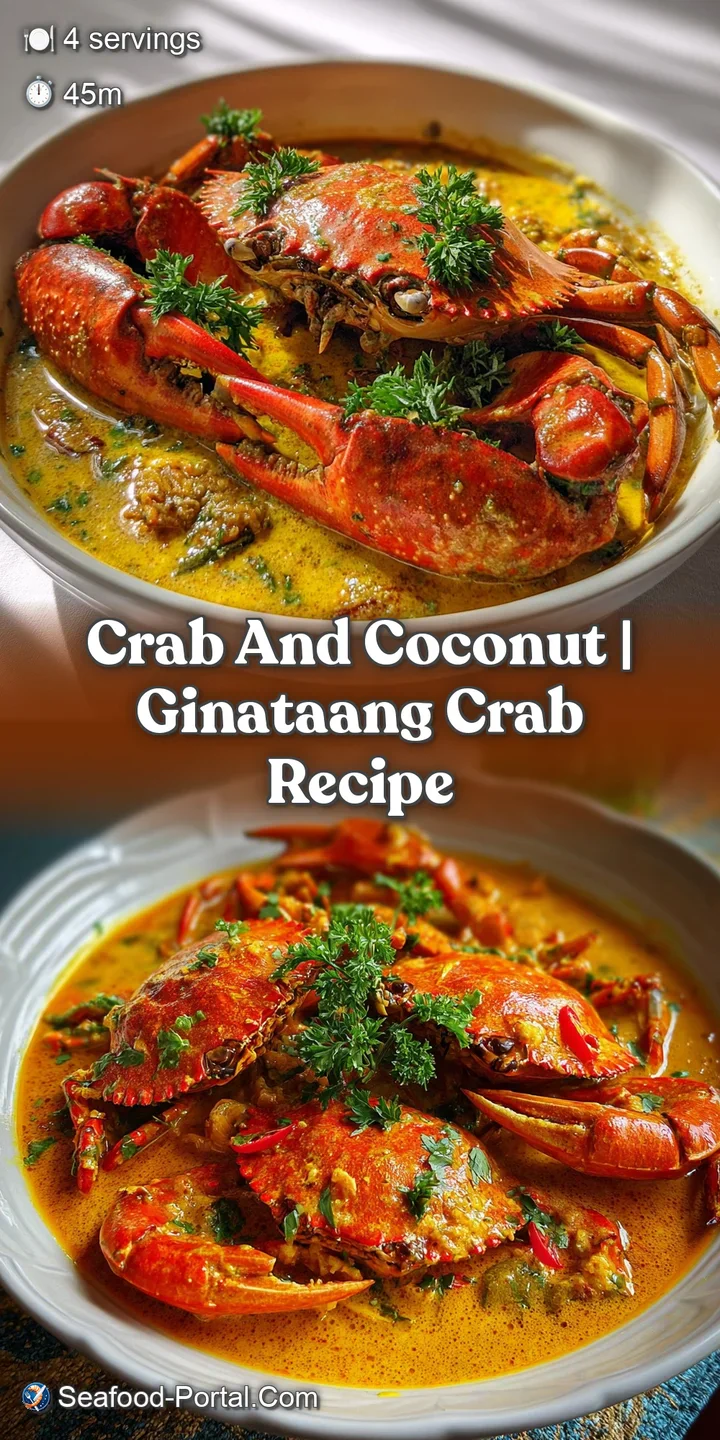
The real beauty here is the contrast. You have the hard, savory shells of the 1 kg of Blue Crabs clinking against the wooden spoon, while the sauce becomes this thick, luxurious blanket. It’s messy, it’s loud, and it’s completely unpretentious.
We’re not looking for a "perfect" plate; we’re looking for the kind of meal where you end up with sauce on your chin and a happy heart. Trust me, once you see that coconut cream start to thicken and cling to the crab legs, you’ll know exactly why this dish is a staple in so many homes.
We are diving into a flavor profile that hits every note: the salty funk of the fermented shrimp paste, the heat from the pierced Bird’s Eye chilies, and that underlying sweetness from the squash. It’s a solution to the "boring seafood" problem we all face.
Instead of just steaming the crab, we are braising it in a liquid gold that seeps into every crevice of the shell. You won't just eat the meat; you'll be dipping your rice into the sauce until the bowl is licked clean.
Timing and Yield for the Perfect Dinner
The Physics of the Velvety Emulsion: The starch molecules from the simmering squash act as a natural thickener, binding with the fats in the 400ml of coconut milk to prevent the sauce from feeling thin or watery.
This create a stable, creamy coating that clings to the crab shells rather than pooling at the bottom of the dish.
| Premium Ingredient | Budget Alternative | Flavor Impact | Savings |
|---|---|---|---|
| Fresh Blue Crabs (1 kg) | Frozen/Thawed Crab Sections | Slightly less sweet, meat is firmer | Save $15-20 |
| Fresh Kabocha Squash | Butternut Squash | Sweeter, softer texture that melts faster | Save $2-3 |
| Coconut Cream (200ml) | Extra Coconut Milk (Reduced) | Less thick, needs longer simmering | Save $1-2 |
The table above helps you decide how to approach this meal based on your current pantry. While fresh is always king for that "shatter" of the shell, frozen crab sections are a fantastic way to make this a weeknight reality without the heavy price tag.
Just ensure they are fully thawed and patted dry to avoid watering down our beautiful coconut base.
Troubleshooting Common Issues
| Issue | Solution |
|---|---|
| Why does the "First Press" coconut milk matter | Using the 400ml of full fat coconut milk first provides the volume needed to braise the vegetables, while the 200ml of coconut cream added at the end provides the "fat cap" that gives the dish its sig |
| How does ginger transform the seafood | The 50g of bruised ginger isn't just for flavor; the gingerol compounds work to neutralize the "fishy" volatile oils in the crab, leaving only the clean, sweet taste of the sea. |
| Why is the "Sauté and Sear" step non negotiable | Sautéing the aromatics and the fermented shrimp paste in 1 tbsp of oil before adding liquids triggers the Maillard reaction, creating a deep savory base that coconut milk alone cannot achieve. |
The Component Analysis for Your Coastal Meal
| Ingredient | Science Role | Pro Secret |
|---|---|---|
| Blue Crabs (1 kg) | Protein & Umami | Score the claws with a heavy knife so the coconut milk can penetrate the meat. |
| Coconut Milk (400ml) | Fat Based Solvent | Higher fat content carries the heat of the chilies more evenly across the palate. |
| Fermented Shrimp Paste (2 tbsp) | Flavor Catalyst | Sauté until it changes color to remove the raw, pungent edge and unlock nutty notes. |
The Fresh Elements You Will Need
To get this dish right, you need to be specific about your textures. We are looking for that velvety finish that only comes from using the right liquids.
- 1 kg (2.2 lbs) Blue Crabs or Mud Crabs: Cleaned and halved. Why this? The shells provide deep mineral flavor to the simmering sauce.
- 500g (1.1 lbs) Squash/Kabocha: Cubed into 2 inch chunks. Why this? Kabocha holds its shape better than other pumpkins during the simmer.
- 50g (1.8 oz) Fresh Ginger: Bruised and julienned.
- 4 cloves Garlic: Smashed to release oils.
- 1 large Red Onion: Sliced thinly for quick softening.
- 2 tbsp Fermented Shrimp Paste (Bagoong): Use the pink variety for authentic saltiness.
- 2 Bird’s Eye Chilies (Siling Labuyo): Pierced but kept whole to control the heat level.
- 400ml (13.5 fl oz) Full fat Coconut Milk: This is our primary braising liquid.
- 200ml (6.7 fl oz) Coconut Cream: Reserved for the final thickening stage.
- 1 tbsp Fish Sauce (Patis): For that final punch of salinity.
- 1 tbsp Vegetable Oil: A neutral oil with a high smoke point is best.
If you find yourself missing the specific crab variety, don't sweat it. You can use this same base with large prawns or even a firm white fish. For more inspiration on how to handle shellfish, check out my Crab Cake Remoulade recipe which uses similar flavor balancing techniques.
| Original Ingredient | Substitute | Why It Works |
|---|---|---|
| Blue Crabs (1 kg) | Tiger Prawns (1 kg) | Similar cook time. Note: Sauce will be slightly sweeter, less briny. |
| Fermented Shrimp Paste | Anchovy Paste | Provides the same umami backbone without the specific "bagoong" funk. |
| Kabocha Squash | Sweet Potatoes | Starchy and sweet, though they lack the floral notes of squash. |
Tools to Handle Those Crabby Shells
You don't need a professional kitchen, but a few specific items make the "Crab and Coconut" experience much smoother.
- Large Wok or Deep Skillet: You need room to toss the crabs without splashing coconut milk everywhere.
- Kitchen Shears: Essential for cleaning the crabs and snipping off the sharp tips of the legs.
- Heavy Cleaver: For halving the crabs and lightly cracking the claws so the sauce gets inside.
- Wooden Spoon: Sturdy enough to move the heavy shells around.
Chef's Tip: Freeze your ginger for 10 minutes before julienning. It firms up the fibers, making it incredibly easy to get those matchstick thin pieces that melt into the sauce.
step-by-step Toward the Coastal Classic
- Prep the crustaceans. Clean the 1 kg of crabs, removing the apron and gills, then halve them and crack the claws. Note: Cracking the claws ensures the meat is seasoned from the inside out.
- Sizzle the aromatics. Heat 1 tbsp vegetable oil in your wok over medium heat until it shimmers slightly.
- Release the oils. Add the 50g of bruised ginger, 4 cloves of smashed garlic, and the sliced red onion. Note: Bruising the ginger releases more juice than just slicing it.
- Toast the paste. Stir in the 2 tbsp of fermented shrimp paste and cook for 2 minutes until it becomes fragrant and turns a darker shade.
- Build the base. Pour in the 400ml of full fat coconut milk and add the 2 pierced Bird’s Eye chilies.
- Simmer the squash. Add the 500g of cubed squash. Cover and cook for 8-10 minutes until the squash is fork tender but not falling apart.
- Introduce the crab. Carefully slide the halved crabs into the bubbling liquid, ensuring they are mostly submerged.
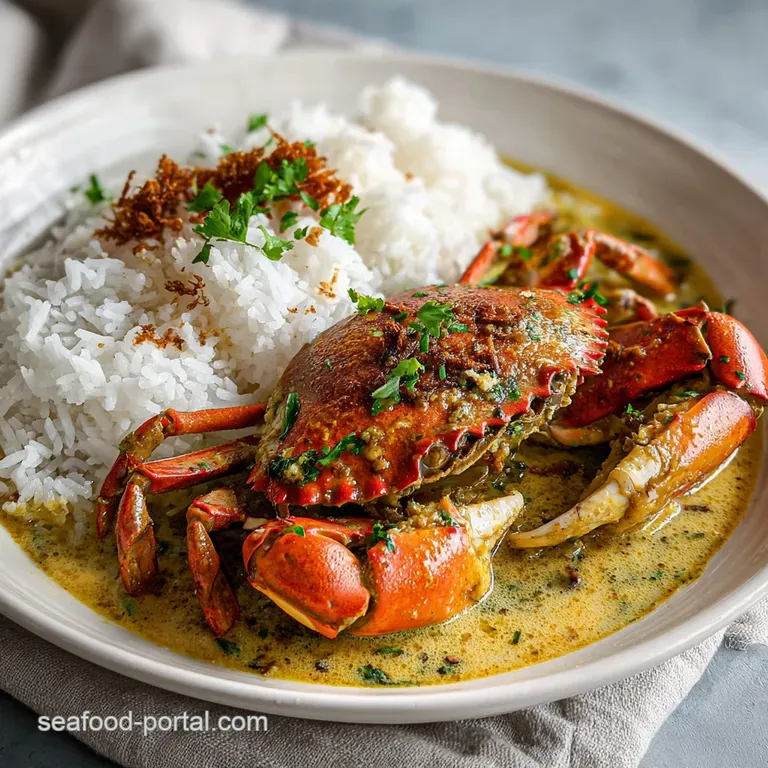
- Steam and soak. Cover the wok again and cook for 10 minutes until the crab shells turn a bright, vibrant orange.
- The silky finish. Pour in the 200ml of coconut cream and the 1 tbsp of fish sauce.
- Final reduction. Simmer uncovered for 3-5 minutes until the sauce thickens and coat the back of a spoon.
If you enjoy this style of buttery, coastal cooking, you might also love the intensity of my Boiling Crab Sauce recipe, which focuses on that same "messy hands" joy.
Solving Sogginess and Flavor Imbalance Issues
The biggest challenge with any Crab and Coconut dish is maintaining the integrity of the sauce. If you cook it too fast, the coconut milk can split, leaving you with a puddle of oil.
Why Your Sauce Separated
If your heat is too high, the proteins in the coconut milk denature and clump together, forcing the fat out. This results in a "broken" sauce that looks curdled. To fix this, always keep the liquid at a gentle simmer, never a rolling boil.
If it does split, try whisking in a tablespoon of warm water very quickly to re emulsify the fats.
Why the Squash is Mushy
Kabocha can go from perfect to puree in a matter of minutes. If your squash has dissolved into the sauce, it usually means it was cut too small or simmered too long before the crab was added. Next time, aim for 2 inch chunks; they need that substantial size to survive the dual cooking phases.
| Problem | Root Cause | Solution |
|---|---|---|
| Thin, watery sauce | Too much liquid from the crab | Simmer uncovered for the last 5 minutes to allow evaporation. |
| Bitter aftertaste | Burned shrimp paste | Sauté the paste on medium low heat; it should never smell "charred." |
| Bland flavor | Lack of acidity or salt | Add an extra teaspoon of fish sauce or a squeeze of lime at the very end. |
Common Mistakes Checklist
- ✓ Pat the cleaned crabs dry before adding to the pan to prevent excess water from thinning the sauce.
- ✓ Pierce the chilies instead of chopping them if you want the flavor without the intense "burn."
- ✓ Don't skip the ginger; it's the bridge between the heavy coconut fat and the delicate crab meat.
- ✓ Use full fat coconut products only; low-fat versions contain thickeners that can turn slimy when heated.
Adapting the Recipe for Different Diets
Scaling this recipe is fairly straightforward because it's a "one pot" deal. When scaling down for two people, use a smaller pan to ensure the liquid still covers the crabs. If you're scaling up for a crowd, work in batches to sauté the aromatics, then combine everything in a large stockpot for the final simmer.
- Crabs/Squash
- Double the amount exactly.
- Spices/Paste
- Use 1.5x the amount first, then taste. Spices can become overwhelming when doubled perfectly.
- Liquids
- Use 700ml of coconut milk and 300ml of cream. Large volumes evaporate slower, so you need slightly less total liquid.
| Method | Time | Texture | Best For |
|---|---|---|---|
| Stovetop | 25 mins | Thick, reduced sauce | Maximum control over the squash tenderness. |
| Oven (Dutch Oven) | 40 mins | Evenly cooked, "baked" flavor | Large batches where you don't want to stir. |
If you want X, do Y: If you want a spicier kick, chop the Bird's Eye chilies into rings instead of piercing them whole. If you want a sweeter profile, add a teaspoon of brown sugar to the coconut milk while it simmers.
If you want a cleaner finish, add a handful of spinach or bok choy in the last 2 minutes of cooking.
Debunking Kitchen Myths
One common myth is that you must use "freshly squeezed" coconut milk for this dish to be authentic. While fresh is lovely, high-quality canned coconut milk (look for brands with at least 17-18% fat) works beautifully and is much more consistent for home cooks.
Another myth is that crab must be boiled in plain water first. This actually leaches out the flavor! Cooking the crab directly in the coconut milk allows the meat to absorb the aromatics, creating a far superior result.
Keeping Your Leftovers Fresh and Flavorful
Storage: This dish keeps surprisingly well in the fridge for up to 2 days. The flavors actually deepen overnight as the ginger and chilies continue to infuse the sauce. Store it in an airtight glass container to prevent the seafood smell from taking over your refrigerator.
Freezing: I don't recommend freezing this dish once fully cooked. Coconut milk tends to change texture significantly when thawed, becoming grainy, and the squash will lose its structure completely. It's best enjoyed fresh!
Zero Waste Tip: If you find yourself with leftover sauce but no more crab, don't throw it away! That coconut nectar is basically a concentrated seafood stock. Reheat it and toss it with some linguine or pour it over a bowl of steamed mussels for a quick lunch the next day. You can even use the leftover squash and sauce as a base for a Classic Creamy Crab recipe by blending it and adding a little extra broth.
Bringing the Tropical Experience to Your Table
Serving Crab and Coconut is all about the "family style" presentation. Place the large wok right in the center of the table on a heat proof mat. Provide plenty of napkins and maybe even some finger bowls with warm water and lemon slices because things are about to get messy.
The contrast of the bright orange crab against the pale yellow sauce is a visual treat. I love serving this with a side of jasmine rice that has been cooked with just a pinch of salt. The rice acts like a sponge, soaking up every drop of that spicy, creamy liquid.
If you want to take it a step further, a simple side of quick pickled cucumbers or a crisp slaw provides a bright, acidic crunch that cuts through the richness of the coconut fat. It’s accessible, it’s flavorful, and it’s a recipe that will have everyone asking for seconds (and the recipe!).
Very High in Sodium
1285 mg mg of sodium per serving (56% of daily value)
The American Heart Association recommends limiting sodium intake to about 2,300mg per day for most adults.
Tips to Reduce Sodium in Your Crab and Squash Dish
-
Reduce or Eliminate Shrimp Paste-30%
Fermented shrimp paste (Bagoong) is a major source of sodium. Try using only 1 tbsp, or omitting it entirely. You may need to adjust other seasonings to taste.
-
Limit Fish Sauce-20%
Fish sauce (Patis) is also very high in sodium. Reduce the amount to 1/2 tbsp or replace it with a low-sodium soy sauce alternative, adding just a few drops at a time to control the saltiness.
-
Consider Crab Choice-10%
Different types of crabs can vary in sodium content. Blue crabs naturally contain some sodium. If possible, explore options with naturally lower sodium levels and rinse well before cooking.
-
Rinse Crab Thoroughly-5%
Rinsing the halved crabs thoroughly under running water can help remove some surface sodium. This is a simple step that can contribute to a small reduction.
-
Boost Flavor with Herbs & Spices
Instead of relying on salt for flavor, enhance the dish with fresh herbs and spices. Consider adding more ginger, garlic, chilies, or other aromatics to create a more complex and satisfying flavor profile.
Crab and Coconut FAQs
What happened to Amelia Earhart eaten by coconut crabs?
No, this is a common misconception. Amelia Earhart's disappearance remains a mystery and there is no evidence or scientific basis to suggest she was eaten by coconut crabs.
What kind of crab eats coconuts?
Coconut crabs are the primary crab species known for consuming coconuts. These large, terrestrial crustaceans are well adapted to cracking open and eating the fruit using their powerful claws.
What exactly is ginataang alimango?
Ginataang alimango is a Filipino dish featuring crab simmered in coconut milk. It typically includes vegetables like squash or taro leaves, seasoned with garlic, ginger, and sometimes shrimp paste for added depth.
How to cook a coconut crab?
Prepare the crab by cleaning it thoroughly, then crack its claws and halve its body. Sear aromatics like ginger and garlic, add coconut milk and vegetables, then simmer the crab until fully cooked and the sauce has thickened, similar to how we develop flavors in our Boiling Crab Sauce recipe.
Is it true that coconut crabs are dangerous?
No, while large and powerful, coconut crabs are not inherently dangerous to humans. They are generally not aggressive unless provoked or cornered, and their primary defense is their strong grip.
Can I substitute regular crabs for coconut crabs in a recipe?
Yes, you can substitute other types of crabs, like blue crabs or mud crabs, for coconut crabs in most recipes. The flavor and texture will differ slightly, but the overall essence of a crab and coconut dish can still be achieved, much like when we adapt ingredients in our Crab Cake Remoulade recipe.
What makes the sauce in a crab and coconut dish so rich?
The richness comes from the high fat content in the coconut milk and cream. These ingredients emulsify with the natural juices released by the crab and any added vegetables, creating a velvety, luscious sauce that clings to the seafood.
Crab And Coconut
Ingredients:
Instructions:
Nutrition Facts:
| Calories | 538 kcal |
|---|---|
| Protein | 20.1 g |
| Fat | 42.8 g |
| Carbs | 21.4 g |
| Fiber | 3.2 g |
| Sugar | 5.4 g |
| Sodium | 1285 mg |
