Classic Tuna Casserole: Mums Best Cheesy Noodle Supper
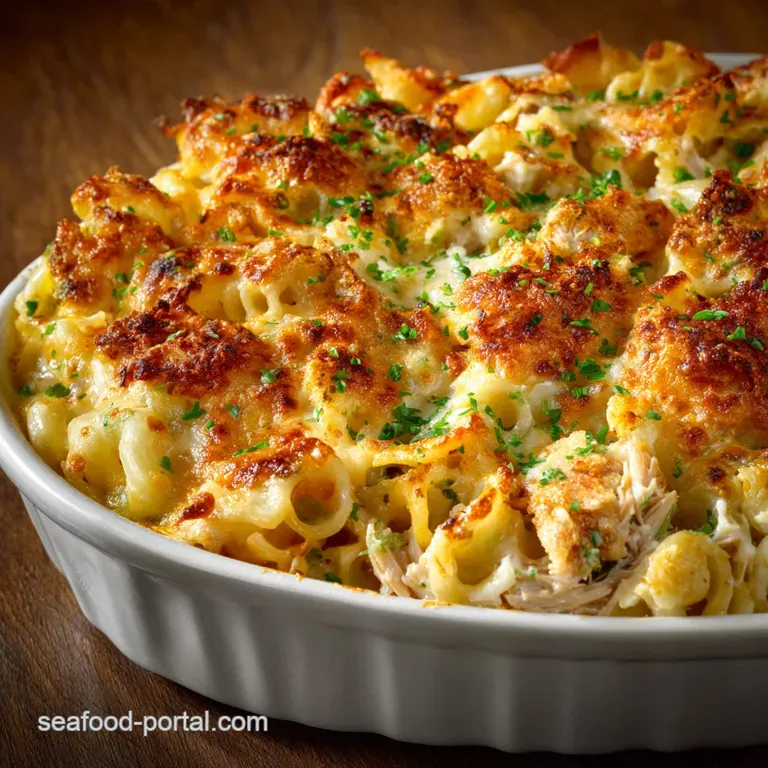
- Rediscovering the Classic Tuna Casserole: Why Mum’s Version is Superior
- The Science of Comfort: Achieving Perfect Creaminess and Crunch
- Essential Components for the Ultimate Classic Tuna Casserole
- Step-by-Step Method: Assembling Your Creamy Tuna Noodle Casserole
- Pro Chef’s Tips and Troubleshooting Common Casserole Flaws
- make-ahead, Storage, and Reheating Guide
- What to Serve With Classic Tuna Casserole: Perfect Side Pairings
- Recipe FAQs
- 📝 Recipe Card
Rediscovering the Classic Tuna Casserole: Why Mum’s Version is Superior
That bubbling, cheesy, onion infused aroma wafting from the oven? That’s the immediate, glorious sensory hook of a proper casserole. It promises warmth, it promises deep satisfaction, and it promises leftovers. You simply cannot beat the smell of this creamy bake, honestly.
This Classic Tuna Casserole recipe is truly a lifesaver when the budget is tight or when you've had one of those days. It relies almost entirely on pantry staples, comes together in under an hour, and feeds an entire crowd reliably. It's the ultimate economical comfort food, plain and simple.
But listen up, this is not the sad, grey, watery version you might remember from primary school dinner hall. We are ditching the flavourless tinned soup and building a silky, luxurious cheese sauce from scratch.
Trust me, spending ten extra minutes on the béchamel sauce makes all the difference in the world.
The Science of Comfort: Achieving Perfect Creaminess and Crunch
The Nostalgia Factor: Defining Modern Comfort Food
We all crave that food memory that deep, almost primal satisfaction of a dish we grew up eating. For many of us, that means a huge scoop of warm, cheesy tuna noodles. The problem with many nostalgic recipes, however, is that they rely on convenience products that sabotage the flavour.
We respect the history, but we upgrade the ingredients. Our goal here is 100% flavour while maintaining the texture that makes this dish so iconic.
Ditching the Can: The Secret to a Silky Homemade Cheese Sauce
The key to a superior casserole is control over the sauce viscosity. Canned cream soups often break down or are far too salty, leading to a thin, gritty result after baking. By creating a roux (butter and flour paste) and slowly building a béchamel, we achieve a stable, thick, and incredibly creamy sauce that holds up beautifully in the oven.
This allows us to control the seasoning precisely, adding depth with Dijon mustard and nutmeg, not just salt.
Casserole Prep Timeline: What to Expect
The beauty of this dish is its efficiency. You can boil the noodles and simultaneously make the béchamel sauce, saving heaps of time. We’re talking about maybe 20 minutes of active prep before the dish hits the oven.
The oven handles the rest, melding the flavours and giving us that perfect golden crust.
Tempering the Sauce: Preventing the Grainy Texture Problem
I once rushed the cheese addition, which resulted in a grainy, sad mess. To avoid this common mistake, ensure you remove the béchamel from the heat before stirring in the grated Cheddar. The residual heat is sufficient to melt the cheese slowly and smoothly, maintaining that enviable velvety texture.
This is non-negotiable for a perfect sauce.
Layering Seasoning: Extracting Maximum Flavour from Tinned Tuna
Tuna from a tin can be quite bland on its own, especially if using water packed varieties. We fix this by introducing flavour at every stage. We sauté the celery and onion first, creating an aromatic base. Then, we season the béchamel heavily.
Finally, we make sure to break up the tuna into large, flaky chunks, ensuring it doesn't just disappear into the sauce.
Mastering the Topping: Achieving a Golden, Crunchy Crust
A great casserole needs contrast. If the filling is soft and creamy, the top must be crunchy and assertive. We use Panko breadcrumbs because they are coarser and hold their structure better than regular crumbs, giving you maximum shatter factor.
Mixing them with melted butter and a little extra cheese ensures they turn deep gold, not just pale brown.
Essential Components for the Ultimate Classic Tuna Casserole
Oil-Packed vs. Water Packed: Choosing the Right Tuna for Flavour
I know, tuna debate time! If your budget allows, go for good quality tuna packed in oil, preferably olive oil. The oil adds moisture and richness, resulting in a deeper flavour profile that doesn't rely solely on the cheese. If you use water packed tuna, you absolutely must drain and press it thoroughly.
Seriously, if it’s mushy, your casserole will be watery.
Chef's Note: If you want an even bolder tuna punch, consider using tuna packed in olive oil and keeping just a tiny tablespoon of that oil to sauté your aromatics. It adds a lovely depth that water simply can't provide. For another simple tuna classic, try my recipe for Tuna Dip: The Classic British Pâté Ready in 10 Minutes Prep Time .
Selecting the Best Pasta Shape for Optimal Sauce Adhesion
Wide egg noodles are the classic choice for a reason. Their broad, flat surface area catches the creamy béchamel sauce perfectly. You want a shape that is sturdy enough not to fall apart during stirring or baking. Shells (Conchiglie) or Rotini are excellent alternatives if you can’t find egg noodles.
Maximizing Melt: Our Recommended Cheeses for the Creamy Sauce
Sharp Cheddar is the gold standard here; it provides the tanginess necessary to cut through the richness of the milk and butter. However, don't use only vintage or overly dry cheeses, as they tend to separate when melted.
Mixing Cheddar with Gruyère or Monterey Jack gives a super stretchy, smooth melt without compromising flavour.
Ingredient Swaps: Making This Recipe Work for Your Pantry
Sometimes you just don't have everything on hand, and that’s fine. Here are my most reliable substitutions.
| Ingredient to Substitute | Pantry Friendly Swap |
|---|---|
| Wide Egg Noodles | Penne or large Macaroni |
| Sharp Cheddar Cheese | Colby Jack or Gouda |
| Whole Milk | Evaporated milk (use 1 cup + 2 cups water) |
| Dijon Mustard | 1/2 tsp dried mustard powder |
step-by-step Method: Assembling Your Creamy Tuna Noodle Casserole
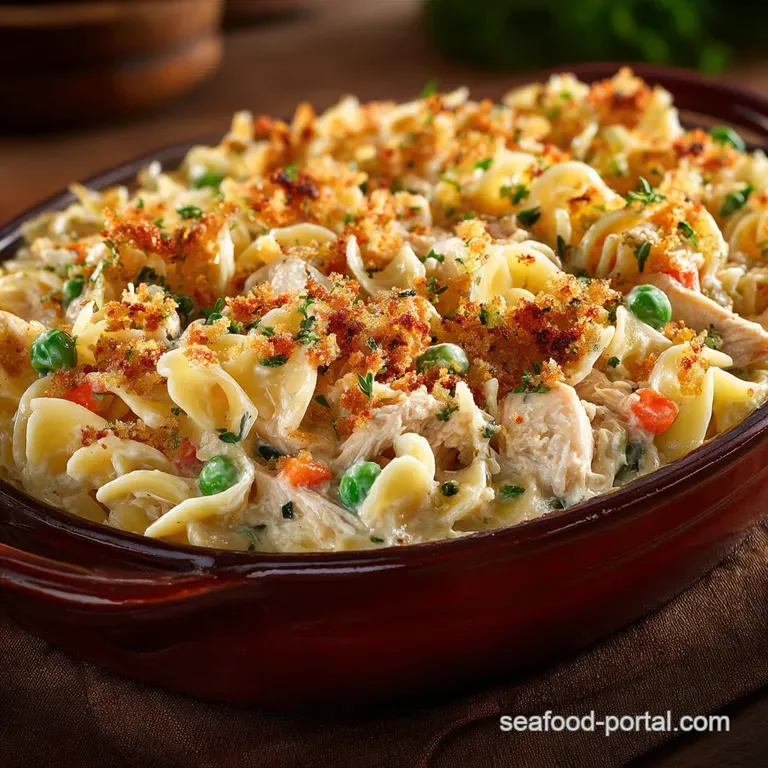
Preparing the Noodles and Roux Base
Start by preheating that oven to 200°C (400°F) and getting a big pot of water boiling. Cook your egg noodles one minute less than the package states we are aiming for extremely al dente. They will finish cooking in the oven and absorb that delicious sauce.
While the noodles cook, dice your onion and celery, then sauté them in butter until they are soft and fragrant. Scoop them out and set them aside.
Building the Cheesy Béchamel Sauce
Wipe the pan clean if necessary, then melt the remaining butter for the roux. Sprinkle in the flour and whisk it furiously for two minutes. This crucial step cooks out that raw flour taste. Now, slowly I mean slowly pour in the warmed milk while whisking constantly.
Once the sauce thickens (it should coat the back of a spoon!), remove it from the heat. Whisk in your paprika, nutmeg, and Dijon, then gently stir in the cheese until everything is smooth and velvety. Do not boil the sauce after the cheese is added!
Folding and Combining the Casserole Mix
In your largest bowl, gently combine the slightly undercooked noodles, the sautéed aromatics, the frozen peas, and the flaky, well drained tuna. Pour that beautiful cheese sauce all over everything. Fold it gently using a spatula. We don’t want to break up the noodles or turn the tuna into a paste.
You want every piece coated but still distinct.
Baking and Achieving the Perfect Golden Finish
Transfer the whole mixture to your prepared casserole dish. Mix the Panko, melted butter, and remaining cheese for the topping. Sprinkle it generously over the top of the tuna mixture. Bake for 25 to 30 minutes.
The edges should be bubbling dramatically, and the crust should be a deep, satisfying golden brown. Let it rest for 10 minutes once out of the oven. Resting allows the sauce to tighten up so it doesn’t spill everywhere when you serve it.
Pro Chef’s Tips and Troubleshooting Common Casserole Flaws
Avoiding a Dry Bake: Why Pre-Cooking Noodles is Key
One of the worst things in life is a dry casserole, right? If you use raw noodles, they will absorb too much of the precious sauce during baking, leaving you with a dense, solid block. Cooking them al dente ensures they absorb just enough to be tender without totally drinking up your creamy béchamel.
Adjusting Salinity: When Using Different Tuna Packs
Water packed tuna usually has a higher sodium content than oil-packed. Always taste your sauce before adding the tuna and pasta. If you’re using low-sodium tuna, you might need an extra pinch of salt in the béchamel.
If you’re using very salty ingredients (like some Parmesan or canned soups, if substituting), reduce the salt in the sauce by half.
What I Once Did (The Mistake)
I tried to save time once by tossing the frozen peas in straight from the freezer without blanching. The temperature shock immediately seized the sauce in those pockets, and the peas remained rubbery.
Always ensure the frozen peas are added right before baking so the heat from the oven gently cooks them through.
make-ahead, Storage, and Reheating Guide
Can I Assemble Tuna Casserole Ahead of Time?
Yes, absolutely! Tuna casserole is a fantastic make-ahead meal. Assemble the entire thing sauce, noodles, tuna, and peas in the baking dish, but do not add the crumb topping . Cover the dish tightly with foil and refrigerate for up to 24 hours.
When ready to bake, preheat the oven, add the topping, and allow an extra 10– 15 minutes of baking time since the dish is cold.
Freezing Baked vs. Unbaked Casserole
Both methods work, but freezing the unbaked casserole usually yields a slightly better result texture wise. Assemble fully (again, hold the topping), wrap well in plastic wrap and then foil, and freeze for up to 3 months. Thaw overnight in the fridge before baking as directed.
If freezing leftovers (baked), cut them into individual portions before wrapping; this makes reheating much easier.
How to Reheat Leftovers Without Losing Creaminess
The main enemy of reheated casserole is dryness. When reheating a whole dish, cover it loosely with foil and bake at 180°C (350°F) for about 15 minutes, or until warmed through.
For individual portions, a quick blast in the microwave works, but if you have time, place the portion in an oven safe dish, add a tiny splash of milk over the top, cover with foil, and bake until hot.
What to Serve With Classic Tuna Casserole: Perfect Side Pairings
The Best Crisp Salad Pairings (Cutting Through Richness)
Because the casserole is rich and wonderfully heavy, you need something acidic and bright to balance the palate. A crisp, simple salad is essential. Think Romaine lettuce tossed with a sharp lemon vinaigrette, perhaps with a handful of shaved red onion and some fresh parsley.
The tanginess cuts straight through the heavy cheese beautifully.
Simple Steamed Greens and Veggie Options
Keep it light and vibrant. Steamed green beans tossed with a bit of garlic and olive oil are perfect, or lightly blanched broccoli. You want a vegetable that offers a clean, green flavour and a little bit of snap for texture.
Asparagus spears, drizzled with a balsamic glaze after roasting, also make a fantastic addition.
Recipe FAQs
Why did my tuna casserole turn out dry?
Dryness often occurs if the sauce is too thick initially or if the casserole is baked for too long. Ensure your homemade béchamel sauce is slightly looser than usual before mixing, as the noodles will absorb moisture during the baking process.
If the topping is browning quickly, tent the casserole lightly with foil to trap moisture.
Can I make this casserole ahead of time?
Yes, this casserole is excellent for prepping ahead. Assemble the entire mixture, including the noodles and sauce, and place it in the baking dish, but do not add the crunchy topping. Cover it tightly and refrigerate for up to 24 hours.
Add the topping just before baking, adding 5 10 minutes to the total baking time since it starts cold.
What is the best way to store and reheat leftovers?
Store leftovers tightly covered in the refrigerator for up to 3 days. To reheat, microwave individual servings, or bake the whole dish, covered, at 325°F (160°C) until warmed through, about 20 minutes.
Adding a tablespoon of milk or broth to the portion before reheating helps restore moisture and prevents dryness.
Can I freeze tuna casserole?
Tuna casserole freezes very well, especially when frozen before baking. Assemble the dish completely, cover tightly with plastic wrap and foil, and freeze for up to three months. If freezing after baking, be aware that the crunchy topping may lose some of its texture and become soft upon thawing and reheating.
I don't have egg noodles. What is a good substitute?
You can easily substitute egg noodles with other short pasta shapes like penne, elbow macaroni, or rotini. The key is ensuring the pasta is cooked properly al dente before mixing it into the sauce, as it will continue to absorb moisture and soften further in the oven. Denser pasta may require a little extra sauce base.
How can I make the topping extra crispy and flavorful?
For a superior crunch, use Panko breadcrumbs mixed with melted butter and a finely grated hard cheese like Parmesan. Alternatively, for a salty, nostalgic flavor, substitute the breadcrumbs entirely with crushed Ritz crackers or high-quality potato chips.
Ensure the topping is spread evenly across the surface for consistent browning.
How can I adapt this recipe to be dairy-free?
To make this dairy-free, substitute the butter in the roux with vegan butter sticks and use high-quality, unsweetened plant based milk (like oat or soy) instead of cow's milk for the béchamel. Replace the cheese with a suitable vegan shredded cheese blend or nutritional yeast for a cheesy flavor profile.
All other ingredients remain the same.
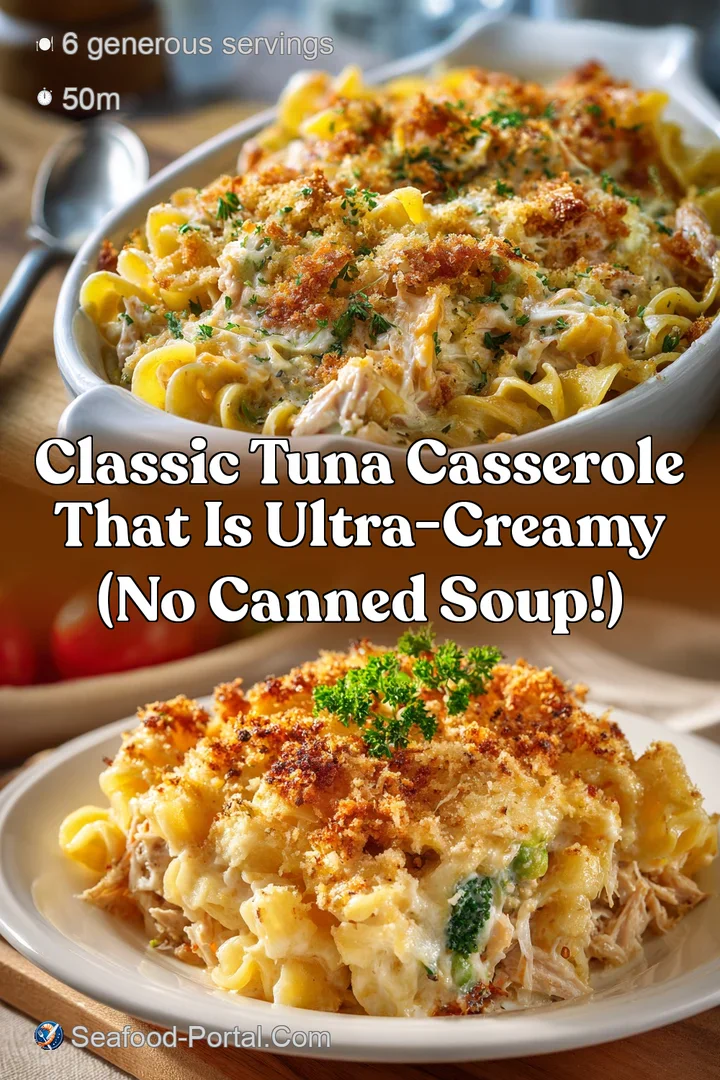
Classic Tuna Casserole Recipe Easy
Ingredients:
Instructions:
Nutrition Facts:
| Calories | 721 kcal |
|---|---|
| Protein | 41.0 g |
| Fat | 27.0 g |
| Carbs | 75.0 g |
