Southern Fried Oysters: Classic Buttermilk Soak
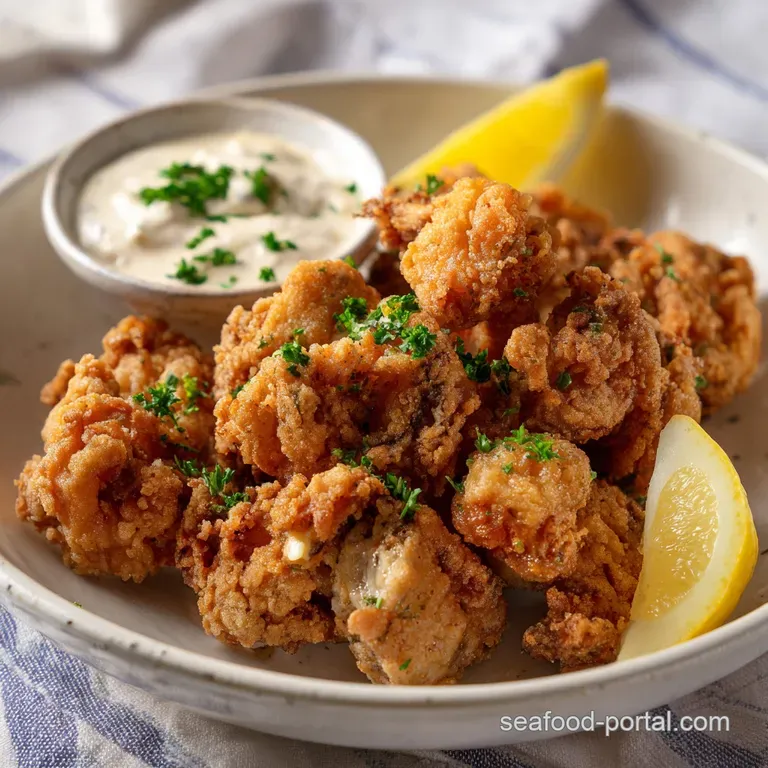
- Classic Southern Fried Oysters: The Ultimate Guide to the Perfect Crunch
- The Science of the Perfect Fried Oyster Texture
- Ingredients Checklist: Sourcing the Best Oysters and Coating Mix
- Mastering the Technique: How to Fry Oysters Like a Pro
- Expert Frying Hacks and Troubleshooting Common Errors
- Finishing Touches and Practical Guides for Fried Delicacies
- Recipe FAQs
- 📝 Recipe Card
Classic Southern Fried Oysters: The Ultimate Guide to the Perfect Crunch
That perfect crunch! When you bite into truly great Southern Fried Oysters , you hear the shatter before you taste the creamy brine inside. This isn't your average pub fried fish; this is pure coastal comfort food, baby.
Honestly, making brilliant seafood at home scares people, but this specific recipe is so fast. It’s a lifesaver when you need something impressive in under an hour, and it requires zero fancy equipment, just a big pot.
I’m going to walk you through exactly how I stopped serving greasy, floppy oysters and started nailing these incredible, crisp, golden nuggets every single time. Get ready to master classic Southern Fried Oysters . (SFO Count: 2)
The Science of the Perfect Fried Oyster Texture
If you think great deep frying is luck, let me stop you right there. It’s chemistry, and you can control it! Achieving that ideal texture creamy interior, deeply crunchy exterior requires a deliberate strategy in three parts: moisture control, the right dredging ratio, and oil temperature.
Trust me, I learned this the hard way after one too many batches of greasy, sad little fried morsels.
What Makes a 'Proper Cracker' Fried Oyster?
A "proper cracker" fried oyster means the coating holds its shape and provides a satisfying resistance when chewed, but the oyster itself remains succulent and warm, not tough or overcooked. The secret weapon here is two-fold: cornmeal and heat.
The cornmeal gives us that gritty, substantial crunch that defines authentic Southern Fried Oysters , unlike lighter flour only batters. The high heat seals the exterior instantly, creating a moisture barrier. (SFO Count: 3)
A Brief Dive into Coastal Southern Cuisine
Coastal Southern cuisine is all about making the most of fresh catches with simple, impactful techniques. This style of frying evolved because it’s quick, efficient, and lets the natural briny flavor of the oyster shine, providing just enough seasoning to enhance it.
When you make classic Southern Fried Oysters , you are tapping into a long tradition of fresh, simple cooking methods that respect the seafood itself. We aren't hiding the flavor; we are amplifying it with that gorgeous, crisp shell. (SFO Count: 4)
Tools and Equipment Checklist for Deep Frying
You absolutely need a deep fry thermometer. It’s non-negotiable if you want consistently perfect results and safe frying. A heavy bottomed pot, like a Dutch oven, is also crucial because it holds temperature better than thin metal pots, minimizing swings when you add the cold oysters.
And please, use a spider strainer and a wire cooling rack! Never, ever dump your fresh, hot Southern Fried Oysters onto a plate lined with paper towels; you’ll steam that beautiful crust away.
The Magic of the Buttermilk Soak (Moisture Retention)
The buttermilk step isn't just for flavor; it’s scientific genius. Buttermilk’s mild acidity tenderizes the delicate oyster tissue slightly and, more importantly, provides the perfect sticky surface for the dredge to adhere to. When you lift the oyster from the soak, that residual, slightly thickened buttermilk creates a thin, tacky base that ensures your dry coating doesn't just flake off the Southern Fried Oysters in the oil. This step is mandatory for great Southern fried seafood, just like when I make Fried Soft Shell Crab Recipe: Southern Style Crispy Delight . (SFO Count: 5)
Balancing Flour and Cornmeal for Maximum Crispness
Many recipes use only flour, leading to a lighter, sometimes less satisfying crust. Authentic Southern Fried Oysters rely on a mix, typically a 2:1 ratio of flour to fine yellow cornmeal. The cornmeal provides that fantastic, slightly gritty structure and deep golden color.
If you use too much cornmeal, the coating can become tough and heavy. Too much flour, and you lose that distinctive Southern crunch. Getting this blend right is how you transition from good to great. (SFO Count: 6)
Temperature Control: Avoiding Soggy Results
If your oil is too cold, the coating doesn't set immediately, and the oyster sits there soaking up the fat hello, greasy sadness. We are aiming for 375°F (190°C). When you drop the cold, wet-dredged oyster in, the high heat hits the coating, making it bubble and solidify instantly, while the quick cook time ensures the interior remains juicy.
Maintaining this high temperature is the single best way to ensure crispy, non-greasy Southern Fried Oysters . (SFO Count: 7)
Ingredients Checklist: Sourcing the Best Oysters and Coating Mix
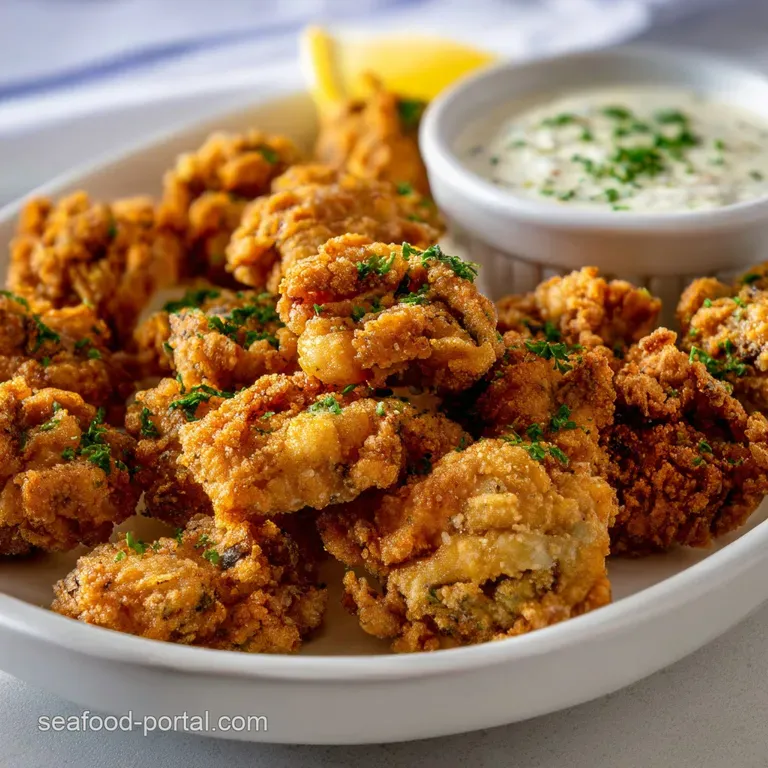
Selecting and Shucking Oysters: Tips for Freshness
Always buy the freshest shucked oysters you can find, and drain them well. If you are shucking them yourself bless your heart make sure to save that precious liquor for sauces or sipping! However, before you make your Southern Fried Oysters , you need to pat them dry.
Excess liquid, even the briny goodness, will thin out your buttermilk soak and prevent the dredge from sticking properly, making the finished product less crunchy.
Crafting the Essential Southern Seasoning Blend
The dredge needs to be heavily seasoned because the flavor must permeate a relatively thick coating layer. We rely on the holy trinity of Southern seafood seasoning: Kosher salt, black pepper, and Old Bay.
A touch of smoked paprika adds a gorgeous color and a subtle smoky undertone without overpowering the natural oyster flavor. This is key to making truly delicious Southern Fried Oysters .
Buttermilk Alternatives and dairy-free Options
Can’t do dairy? Don't despair! We have options so everyone can enjoy these deep fried oysters.
| Ingredient | The Southern Standard | The Substitution |
|---|---|---|
| Buttermilk | Full fat buttermilk is best for cling | Mix whole milk (or oat milk) with 1 Tbsp white vinegar per cup. Or, use beaten eggs/milk mix. |
| Cornmeal | Fine Yellow Cornmeal | White cornmeal or Panko breadcrumbs (less authentic, still crispy). |
| Frying Oil | Peanut or Canola | Grapeseed or Sunflower oil (must be high smoke point). |
If you use a thinner alternative like milk and vinegar, make sure your dredging pressure is even firmer when creating your next batch of homemade Southern Fried Oysters . (SFO Count: 8)
Preparation: Handling Briny Water and Patting Dry
I once made the mistake of just dumping the oysters from the container straight into the buttermilk big flop! The residual brine watered down the soak, and my coating was patchy.
You must gently rinse the oysters under cold water if they look particularly messy, then lay them on a thick layer of paper towels and blot until they barely feel damp. This prep step is critical for developing that robust coating on your future Southern Fried Oysters . (SFO Count: 9)
Mastering the Technique: How to Fry Oysters Like a Pro
Prep Stage: Rinsing, Soaking, and Dredging the Bivalves
Start your oil heating immediately after you put the oysters in the buttermilk soak this uses your downtime wisely. Set up a three stage dredging line in wide, shallow dishes. Buttermilk, then the dry mix, then a clean holding tray. Do not put the dredged oysters back into the buttermilk, obviously!
Also, make sure your dry dredge is mixed perfectly . Salt sinks, so you need to whisk it thoroughly to ensure every single one of your Southern Fried Oysters is seasoned properly. (SFO Count: 10)
Deep Frying Safely: Achieving the Golden Brown Crust
Safety first, always. Use a deep pot and never fill it more than halfway with oil. Once your oil hits 375°F, fry the oysters in small batches. Overcrowding drops the temperature too rapidly and results in steaming, sad oysters. Listen for the sound: you want a rapid, consistent sizzle, not a quiet simmer.
If it stops sizzling, your temperature is too low. Cook them quickly 2 to 3 minutes tops until they achieve a deep, shaggy golden crust. We are making restaurant quality Southern Fried Oysters here! (SFO Count: 11)
The Critical Resting Period After Frying
Immediately upon removal from the oil, your Southern Fried Oysters need to go onto the wire rack. I know I mentioned this before, but it bears repeating: this allows hot air to circulate and prevents the bottom crust from getting steamed by trapped heat. Do not skip this step!
While they are resting on the rack, hit them with a final pinch of flaky sea salt. That salt melts into the hot coating, driving the flavor home.
Expert Frying Hacks and Troubleshooting Common Errors
Prep Stage: Rinsing, Soaking, and Dredging the Bivalves
If you notice a lot of moisture pooling in your dredge bowl, you may have skipped a crucial step. Remember the pat-down! Also, don't let the oysters drip excessively from the buttermilk into the dredge.
A quick shake is enough to keep the coating mix dry and fluffy, which is exactly what we need for perfect adhesion before deep frying these delicious bivalves.
Preventing the Coating from Falling Off (The Double Dredge Method)
Sometimes even the buttermilk isn't enough, especially with particularly slippery oysters. If you struggle with the coating falling off when you lift the oyster, you need the "double dredge" method.
Instead of just one dredge, do this: (1) Dry dredge lightly, (2) Back into the buttermilk soak for 5 seconds, (3) Back into the dry dredge for a final, heavy coating. This extra layer guarantees a strong, crisp crust for your Southern Fried Oysters . (SFO Count: 12)
Why Is My Oil Smoking? Correcting Frying Temperatures
If your oil starts smoking, you are too hot way too hot! Drop the heat immediately. Smoking oil usually means you've passed the smoke point, often around 400°F, and the oil is breaking down and imparting a nasty, bitter flavor to everything you cook.
Keep that thermometer handy and adjust the heat constantly. You want a constant 375°F for the best, safest deep frying experience. Getting your temperature right is the difference between perfection and disappointment when making homemade Southern Fried Oysters . (SFO Count: 13)
Adjusting for Humidity: Keeping the Dredge Dry
If you live somewhere humid, your dredge mix will start clumping and absorbing moisture from the air and from the residual moisture in the kitchen. If this happens, only mix small batches of the dredge at a time, and keep the main mixture covered and cool.
If the coating mixture gets damp, you won’t get that light, shaggy texture needed for perfect Southern Fried Oysters . If you notice clumps, simply mix a fresh batch of the seasoned flour/cornmeal mix.
Chef's Note: If you want an even bigger crunch (maybe you’re making a Po’Boy that needs structure), you can swap some of the all-purpose flour for rice flour in the blend. It creates a beautifully brittle, shatter like crust that holds up really well. I’ve used a similar technique for making my Fried Fish: The Secret to Pub-Style Crispy Batter and the results are fantastic.
Finishing Touches and Practical Guides for Fried Delicacies
Best Dipping Sauces for Fried Oysters
While I will eat these plain (they are that good!), dipping sauces provide necessary acidity and richness. My top pick for Southern Fried Oysters is a spicy Remoulade that Cajun mayonnaise kick is unbeatable.
Tartar sauce is a classic companion, but you could also go slightly untraditional with a bright, zingy Thai inspired dipping sauce featuring lime and chili. For something simple, mix quality mayonnaise with lots of cracked black pepper and a dash of white wine vinegar. (SFO Count: 14)
What Wine and Beer Pair Best with the Briny Flavor?
You need something crisp and clean to cut through the richness of the deep fried coating. For beer, think crisp, dry lagers or pilsners. They cleanse the palate beautifully between bites of your Southern Fried Oysters . Avoid heavy IPAs; that bitterness competes with the delicate oyster flavor.
If you prefer wine, skip anything too oaky or sweet. A bone dry Sauvignon Blanc, a crisp Muscadet, or even a glass of sparkling Prosecco or Cava works wonders. The bubbles and acidity are your friends here. (SFO Count: 15)
Storing Leftovers and Reheating for Maximum Crispness
Southern Fried Oysters are absolutely best eaten immediately, but leftovers happen, right? Store them in an airtight container in the fridge for up to 3 days. Do not, under any circumstances, microwave them. That turns them into rubbery, tragic little things. To resurrect that glorious crunch, lay them on a wire rack over a baking sheet and bake at 350°F (175°C) for about 8– 10 minutes. Alternatively, they reheat beautifully in an air fryer, just like my crispy Air Fryer Fried Shrimp: Ultra Crispy Panko Recipe . (SFO Count: 16)
Can I Prep Fried Oysters Ahead of Time?
Sort of, but mostly no. You can get the prep done, which is half the battle! You can shuck and dry the oysters, mix the buttermilk soak, and definitely mix the dredge ahead of time. I recommend soaking the oysters for no longer than 2 hours before frying.
Crucially: Do not dredge the oysters until you are heating the oil. If they sit dredged for more than 15 minutes, the buttermilk will start hydrating the flour/cornmeal, turning your crisp coating into a sticky, soggy mess.
We want golden, crispy Southern Fried Oysters , not sticky blobs! (SFO Count: 17)
Making outstanding Southern Fried Oysters is a total victory in the kitchen. This specific recipe, with its simple but effective buttermilk and cornmeal coating, ensures every bite is a perfect balance of creamy interior and satisfying, shaggy crunch.
Seriously, once you master this technique, you will never order sad, soggy fried oysters at a restaurant again. Go make yourself some truly incredible Southern Fried Oysters tonight! (SFO Count: 19)

Recipe FAQs
Why did my fried oysters turn out soggy or greasy?
Sogginess is usually caused by frying oil that is too cool or overcrowding the pan, which drastically lowers the temperature. Ensure your oil maintains a steady 375°F (190°C) and fry the oysters in small, manageable batches.
Also, let excess buttermilk drip off the oysters before they hit the dredge, ensuring a tight, dry coating.
What is the purpose of the buttermilk soak?
The buttermilk soak is essential as it tenderizes the delicate oyster meat due to its mild acidity. More importantly, the thick, cloying nature of the buttermilk creates a perfect sticky surface for the dry flour and cornmeal dredge to adhere, guaranteeing a thick and crunchy crust.
This step prevents the dredge from immediately sliding off in the hot oil.
Can I bake or air-fry these oysters instead of deep frying?
While deep frying yields the best, authentic Southern crispness, you can use an air fryer by cooking them at 400°F (200°C) for 6 to 8 minutes, lightly spritzed with oil. Baking is generally not recommended as it tends to dry out the delicate interior before the crust can fully crisp up.
If you must bake, try 425°F (220°C) for 10-12 minutes.
How do I know exactly when the oysters are done frying?
Fried oysters cook very quickly, typically requiring only 90 seconds to 2 minutes per side, depending on the size. They are done when the crust is a rich, deep golden brown color and feels firm when gently tapped. Overcooking will make the oysters tough and chewy, so err on the side of caution and remove them promptly.
What type of oil is best for frying oysters?
For classic Southern frying, use oils with a high smoke point and neutral flavor, such as peanut oil, vegetable oil, or canola oil. Peanut oil is particularly favored for its high heat stability and its ability to lend a slight, pleasant richness to the crust.
Avoid using olive oil, as its low smoke point will burn quickly.
How long can I store leftover fried oysters, and can I freeze them?
Fried oysters are best eaten immediately, but leftovers can be stored in an airtight container in the refrigerator for up to 2 days. We strongly advise against freezing fried oysters, as the moisture released upon thawing will ruin the crunchy texture, resulting in a soggy mess.
Reheat leftovers quickly in an oven or air fryer.
Can I prepare the dredging mix ahead of time?
Yes, the dry dredging mixture of flour, cornmeal, and seasonings can be prepared and stored in an airtight container for several weeks. However, the oysters themselves should only be soaked in buttermilk for a maximum of 30 minutes before frying to maintain freshness.
Once dredged, oysters should be cooked immediately for the crispiest results.
Classic Southern Fried Oysters
Ingredients:
Instructions:
Nutrition Facts:
| Calories | 2148 kcal |
|---|---|
| Protein | 2.4 g |
| Fat | 216.2 g |
| Carbs | 7.0 g |
