Soul Food Gumbo: the Chefs Classic Chicken Smoked Sausage Recipe
- The Definitive Guide to Soul Food Gumbo: Tradition Meets Technique
- Achieving Depth: The Flavor Science of This Smoked Sausage Gumbo
- Ingredients Checklist: Building Your Authentic Soul Food Gumbo
- Method: How to Craft the Chef's Classic Smoked Sausage Gumbo
- Expert Gumbo Tips: Elevating Your Dish from Good to Great
- Make-Ahead, Storage, and Reheating Guidelines
- Traditional Serving Suggestions for Soul Food Gumbo
- Recipe FAQs
- 📝 Recipe Card
The Definitive Guide to Soul Food Gumbo: Tradition Meets Technique
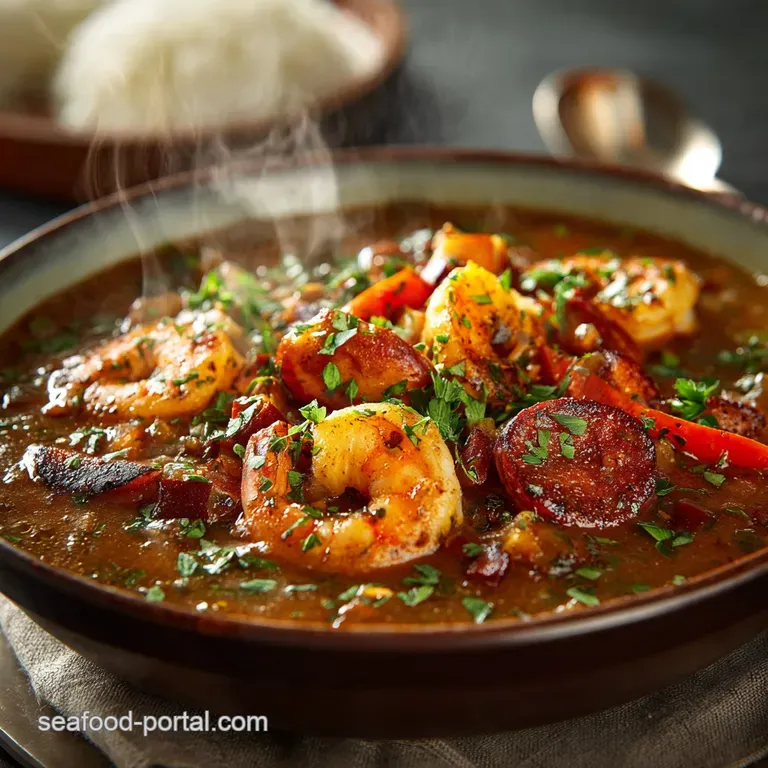
When that first ladle of Soul Food Gumbo hits the bowl, man, the aroma alone transports you. We’re talking about that deep, smoky scent of Andouille sausage mingling with the sweet, nutty, dark roux it’s pure culinary theater.
The texture should be velvet thick, clinging lovingly to the rice and promising savory warmth with every single spoonful.
Listen, I know Gumbo sounds intimidating, but once you nail the roux (the hard part, I promise), this becomes one of the easiest big-batch meals you can make. It’s incredibly forgiving, dirt cheap to scale up, and it tastes ten times better the next day. If you’re already making something like my Shrimp Okra and Sausage Ultimate Smoky Gumbo Style Stew , you know the technique is already halfway there!
This specific classic soul food gumbo recipe is anchored by savory chicken and spicy smoked sausage, focusing on the incredible depth of flavor that comes from patience, not complexity. Forget fussy steps; we are chasing that robust, rich, old school soul food gumbo feeling. Let's crack on.
Achieving Depth: The Flavor Science of This Smoked Sausage Gumbo
What Makes Soul Food Gumbo Distinct?
While all Gumbo originates in Louisiana, the Soul Food version often prioritizes a deeply colored, almost bitter sweet dark roux and relies more heavily on robust, smoked meats rather than delicate seafood. This isn't your light, restaurant style soup; this is kitchen table comfort.
We want that thick, spoon coating richness.
The Anatomy of a Perfect Gumbo (Roux, Trinity, Stock)
A great gumbo, particularly a rich roux gumbo recipe , relies on three elements working in perfect harmony. First, the Roux is the fundamental thickener and flavor base, giving it that signature earthy note.
Second, the Holy Trinity (onions, celery, pepper) provides the aromatic foundation, softening into a beautiful matrix. Finally, the slow addition of savory stock marries everything together, creating the ideal canvas for our chicken and sausage.
A Culinary Journey Through the Deep South
My grandmother always said cooking should take time. The essence of the Deep South style is developing flavor in layers . We don't just dump ingredients; we sear, we sweat, we toast, and we simmer. It’s a love letter to slow cooking.
Mastering the Mahogany Roux: The Foundation of Flavor
This is the non-negotiable step. A pale roux makes gravy; a mahogany roux makes gumbo. By cooking flour and fat low and slow for 20 to 30 minutes, you are toasting the starch, eliminating the raw flour taste, and creating complex, nutty flavor compounds.
This dark brown foundation is the defining characteristic of the best soul food gumbo recipe.
The Maillard Reaction and Developing the Sausage Base
Once the roux is done, we throw in the sausage. Why? We want the fat rendered out and the sausage rounds browned. The Maillard reaction that magical browning process adds another layer of savory depth (umami) to the pot before the liquid even touches it.
That rendered sausage fat also adds crucial smokiness.
The Magic of the Long Simmer: Flavor Integration
If you skip the long simmer, you just have thick stock with bits floating in it. We need at least an hour for the tannins from the bay leaves, the richness of the chicken, and the spice from the sausage to fully integrate.
The heat breaks down the chicken thighs into fork tender submission, making every single bite consistent and deeply satisfying.
Ingredients Checklist: Building Your Authentic Soul Food Gumbo
The Holy Trinity: Selecting Fresh Produce for the Best Base
Always use fresh vegetables here; frozen just won't give you the same bright, clean aromatic base. Onion, celery, and green bell pepper are essential they stop the roux from burning and start the flavor clock ticking. Don’t skip the garlic!
Choosing the Right Smoked Sausage and Chicken Cuts
You need a sausage with backbone for this soul food chicken and sausage gumbo . Andouille is the gold standard for its spiciness and deep smoke flavor. For the chicken, boneless, skinless thighs are the absolute winner.
They have enough fat and connective tissue to stay moist and tender through the long simmer; breast meat will dry out, trust me.
Stock vs. Water: Maximizing Savory Richness
Use low-sodium chicken stock, period. It provides immediate savory richness that water simply cannot match. If you only have high sodium stock, then substitute half the amount with water, or your final dish will be way too salty.
Essential Substitutions for Allergens and Preferences
| Ingredient | Viable Substitute | Quick Tip |
|---|---|---|
| Andouille Sausage | Spicy Chorizo or Kielbasa | Chorizo will give you more colour and spice. |
| Chicken Thighs | Duck Breast (skinned and cubed) | Cook time may vary; check for tenderness. |
| Vegetable Oil (for roux) | Lard or Rendered Smoked Bacon Fat | Lard makes a stunningly rich, deeply flavoured roux. |
| Cajun Seasoning | Creole Seasoning + 1/2 tsp Cayenne | Creole blends are typically milder and rely more on herbs. |
Method: How to Craft the Chef's Classic Smoked Sausage Gumbo
Step 1: The Patient Art of Dark Roux Preparation
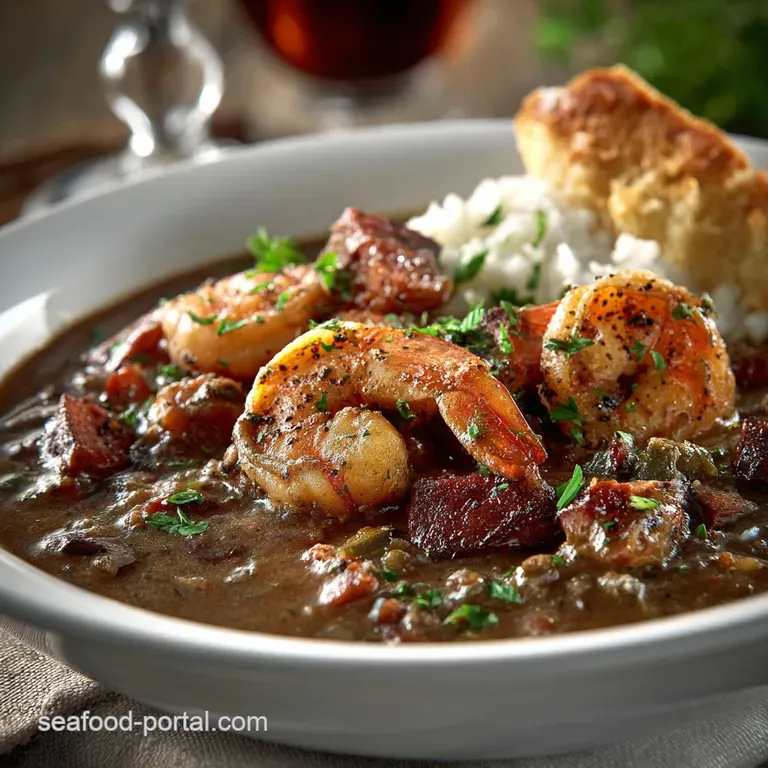
Get your oil nice and warm in your heavy bottomed pot Dutch ovens are perfect for even heat distribution. Whisk in the flour until it’s perfectly smooth and looks like liquid gold. Now the fun starts: reduce the heat to medium low, and stir, stir, stir.
You need to keep that whisk moving constantly for 20 to 30 minutes until the mixture turns a deep, beautiful mahogany colour, smelling rich and nutty like peanut butter. If you see any black flecks, start over!
Step 2: Sautéing the Trinity and Building the Aromatic Base
Once your rich roux gumbo recipe base is done, toss in the diced onions, celery, and green bell pepper immediately. The vegetables will sizzle wildly and start to soften, and critically, they lower the temperature of the roux, stopping it from cooking further and scorching.
Sauté them for about 7 minutes until they are glossy and tender. Add the garlic last, stirring for just 60 seconds until you can smell it strongly don't let it burn!
Step 3: Integrating the Chicken, Sausage, and Stock
Push the aromatics aside slightly and add the sliced sausage; let it brown and release its glorious oils for about 5 minutes. Now add the chicken cubes and cook until they have a nice, light sear. Sprinkle in your seasonings and Worcestershire, stirring everything together to wake up the spices.
Then, slowly ladle in the chicken stock and water, whisking vigorously as you go to fully incorporate the roux into the liquid without forming nasty lumps.
Step 4: Simmering and Seasoning for Maximum Depth
Drop in the bay leaves and bring the liquid up to a gentle simmer not a rolling boil, okay? Reduce the heat to low, cover the pot partially, and let that liquid work its magic for at least 60 minutes.
This is when the gumbo texture thickens beautifully and the chicken dissolves into tenderness. If you’re using okra, add it 15 minutes before the end, allowing it to become tender without getting too slimy.
Crucial Chef’s Note: Never salt your gumbo until the final 10 minutes of simmering. Stock, sausage, and Cajun seasoning all contain salt, and as the liquid reduces, the salt concentrates. Taste it first, then adjust. Trust me on this one.
Expert Gumbo Tips: Elevating Your Dish from Good to Great
Troubleshooting a Broken or Scorched Roux
Roux requires attention, and if you leave it for a second too long, it will scorch and taste bitter. If this happens, you have to discard it and start fresh; there’s zero saving a burnt roux.
If your roux seems thin or oily (it "broke"), try cooking it a little longer over low heat while stirring rapidly, which sometimes helps the flour and fat re-emulsify.
Seasoning in Layers: When to Salt Your Gumbo
My biggest newbie mistake was over salting at the beginning. You must layer your flavor. Season the raw chicken lightly, use a generous amount of Cajun spice after the meats are browned, and then wait. The final, essential seasoning adjustment happens only after the 60 minute simmer is complete.
Achieving the Perfect Gumbo Consistency
A perfect southern food gumbo should be thick enough to cling to a spoon but still liquid enough to be categorized as a soup/stew. If yours is too thin after simmering, you have two options: either simmer uncovered for 15 minutes to reduce, or stir in 1 tablespoon of Gumbo File powder after removing the pot from the heat.
The file powder is both a thickener and a distinct flavor enhancer.
make-ahead, Storage, and Reheating Guidelines
Safely Storing Leftover Gumbo in the Refrigerator
Gumbo is genuinely better on Day Two! Cool the stew quickly within an hour and transfer it to airtight containers. It will keep beautifully in the refrigerator for 3 to 4 days. As it cools, the texture will become even thicker and more unctuous.
Instructions for Freezing and Thawing Gumbo
Does it freeze well? You bet. Gumbo freezes like a dream, making this the ideal meal prep recipe. Ladle cooled gumbo into freezer safe containers, leaving about an inch of headspace for expansion. It will last in the freezer for up to 4 months. Thaw it overnight in the fridge before reheating.
Best Practices for Reheating Without Losing Texture
To reheat, always use low to medium low heat on the stovetop. Gumbo has a tendency to stick and scorch on the bottom if reheated too fast, ruining your beautiful dark roux base. Add a tiny splash of stock or water if it seems too thick after thawing, and stir occasionally until piping hot.
Traditional Serving Suggestions for Soul Food Gumbo
This old school soul food gumbo is hearty enough to be a standalone meal, but serving it correctly makes all the difference.
- Fluffy Rice: Always serve over freshly cooked long grain white rice. The rice soaks up that incredible, smoky gravy.
- Cornbread Connection: A slice of classic Southern skillet cornbread is essential for scooping up the last bits of broth. For something with a little more flair, pair it with my savory Cajun Cornish Hens UltraCrispy Skin Spicy Soul Dry Brine .
- Heat Control: Put a bottle of good Louisiana hot sauce (like Crystal or Tabasco) right on the table so everyone can customize their heat level.
Recipe FAQs
My gumbo seems too thin or watery. How can I fix the consistency?
The gumbo is likely too thin because the roux wasn't rich enough or you added too much liquid relative to the roux volume. To fix this, simmer the gumbo longer uncovered to allow for reduction, which concentrates the flavour and thickens the stew naturally.
Alternatively, you can use a small amount of file powder (sassafras) stirred in off the heat, which serves as a traditional thickening agent.
How dark should I cook the roux for this Soul Food Gumbo recipe?
For true Soul Food depth, aim for a deep mahogany colour, similar to dark milk chocolate, which usually takes 30 to 45 minutes over medium low heat. This dark colour provides the essential nutty, earthy foundation that characterizes authentic Gumbo.
Ensure you stir constantly to prevent scorching, as a burnt roux will taste bitter and must be discarded.
Can I substitute the smoked sausage with another type of meat or seafood?
Absolutely; feel free to swap the smoked sausage for tasso ham, duck, or tender chicken thighs. If substituting the primary smoked element, ensure you use a bit of smoked paprika in the broth to maintain that crucial deep, smoky flavour profile.
If you choose seafood like shrimp or crab, add it only during the last 10 minutes of simmering to prevent overcooking.
I don't have fresh or frozen okra. What is the best alternative thickener?
The best traditional alternative is file powder (ground sassafras leaves), which thickens the stew and adds a unique earthy undertone. This must be stirred in at the end, after removing the pot from the heat, never during cooking.
Alternatively, mash some cooked vegetables (like the onions or peppers) against the side of the pot to release starches.
How long can I store leftover gumbo, and can I freeze it?
Gumbo stores very well and can be kept refrigerated in an airtight container for up to 3 to 4 days. It also freezes excellently, especially without rice; store it for up to four months, leaving an inch of headspace in the container.
When reheating from frozen, thaw overnight in the refrigerator and bring it slowly to a simmer on the stovetop.
What are traditional accompaniments to serve with Gumbo besides rice?
A side of warm, buttery cornbread or crusty French bread is essential for soaking up the remaining rich gravy in the bowl. Many Southern cooks also serve a scoop of creamy potato salad alongside the gumbo, which offers a delightful contrast in temperature and texture when mixed into the stew.
Can this recipe be adapted to be vegetarian or vegan?
Yes, but the flavour profile requires careful attention; replace the stock with high-quality vegetable broth and the meat with smoked mushrooms, plant based sausage, or hearty beans.
Use robust cooking oil for the roux to replace the rendered fat, and be sure to increase the seasoning, especially smoked paprika, to replicate the depth lost from the smoked meats.
Classic Soul Food Gumbo Recipe
Ingredients:
Instructions:
Nutrition Facts:
| Calories | 1023 kcal |
|---|---|
| Protein | 39.9 g |
| Fat | 34.4 g |
| Carbs | 125.6 g |
