Shrimp Saganaki: the Ultimate Greek Prawns with Creamy Feta
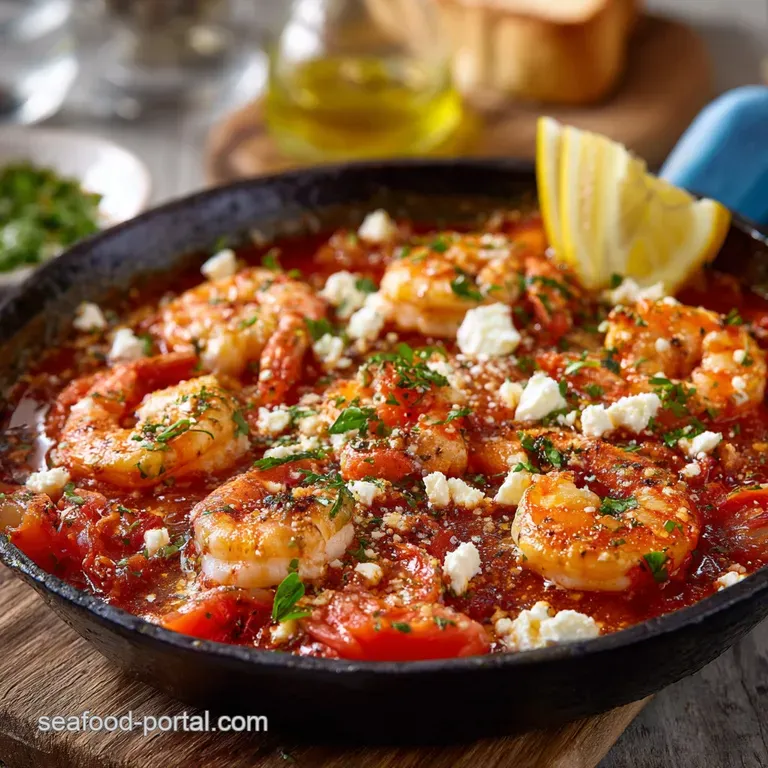
- Diving Into Greek Cuisine: What is Shrimp Saganaki?
- The Science Behind the Success: Why This Saganaki Tastes Authentic
- Essential Components for the Ultimate Greek Shrimp Saganaki
- Step-by-Step Method: Preparing and Baking Your Saganaki
- Troubleshooting Your Dish: Expert Tips for Perfect Shrimp Saganaki
- Extending Shelf Life: Storing and Reheating Leftovers
- Perfect Pairings: What to Serve Alongside this Greek Classic
- Recipe FAQs
- 📝 Recipe Card
Diving Into Greek Cuisine: What is Shrimp Saganaki?
The instant that skillet of baked prawns hits the table, you hear it the soft, enthusiastic sizzle of tomato and salty Feta. The aromas that lift off that dish are intoxicating: bright oregano, brine, and sweet garlic.
This incredible dish, Shrimp Saganaki, is peak Mediterranean cooking, demanding to be scraped up with crusty bread until the final drop of sauce is gone.
I know, weeknights are chaotic, and sophisticated seafood dinner recipes often feel like a pipe dream. But this isn't complicated cooking, trust me. This particular Greek Shrimp Saganaki recipe uses simple pantry staples and comes together in about 35 minutes flat, making it the perfect speed dial supper or an impressive appetizer for friends.
We aren't making some sad, watery tomato sauce here. We are building massive flavor, layering sweetness, acidity, and that glorious, unmistakable tang of real Feta. Forget everything you thought you knew about quick seafood; let's crack on and master this incredible classic.
The Science Behind the Success: Why This Saganaki Tastes Authentic
The Significance of the Saganaki Pan (And Its Modern Equivalents)
The name Saganaki literally refers to the small, two-handled frying pan traditionally used in Greek cooking. This isn't just about aesthetics; the shallow depth and heavy base of the pan ensure two things happen perfectly. First, the pan heats evenly on the stove to develop the sauce depth.
Second, that heavy material retains heat in the oven, giving you that rapid, aggressive broil that softens the cheese and cooks the prawns simultaneously without drying them out. If you don't have a specific saganaki pan, any 9 or 10 inch oven proof skillet like a cast iron pan works flawlessly.
The Three Core Flavors: Prawns, Tomato, and Feta
This dish hinges on the quality of its simple components. You need the sweetness and clean flavour of large shrimp, the bright acidity of the crushed tomatoes, and the creamy, punchy salinity of real Greek Feta. Skipping high-quality olive oil here would be a serious mistake.
Every element plays a crucial role in creating the final, balanced flavor profile.
Quick Prep, Maximum Mediterranean Flavor
One major reason this recipe works so well is that most of the heavy lifting is done before the pan hits the oven. We simmer the tomato sauce first, letting the aromatics truly meld. The shrimp only need a quick two to three minutes under high heat to finish cooking.
This prevents the shrimp from seizing up and becoming tough, guaranteeing tender, perfectly cooked seafood.
Achieving Maximum Flavor Depth in the Tomato Base
The secret to a rich, complex tomato base is twofold: deglazing and patience. When you sauté the onions and garlic, you develop caramelized fond (the brown bits) on the bottom of the pan. Adding a splash of Ouzo or dry white wine and scraping those bits up is non-negotiable for flavor depth.
Then, let the sauce simmer for at least five minutes; don't rush this stage.
The Critical Role of High Heat Searing for Prawn Texture
In authentic Shrimp Saganaki, the shrimp are often added raw right into the hot sauce just before baking. This is great for absorption but dangerous for texture. My hack? Pat your prawns completely dry before adding them.
This prevents water from leeching out, which would dilute your gorgeous sauce. The high heat of the oven or broiler then cooks them quickly and gently.
Balancing Acidity and Creaminess with Feta
Feta is the perfect counterpoint to the acidity of the tomatoes. The high salt content and tangy brine cut through the richness. We use a tiny bit of sugar in the sauce to ensure the tomatoes aren't too sharp, allowing the Feta to do its job as the star creamy component when it melts slightly under the broiler.
Essential Components for the Ultimate Greek Shrimp Saganaki
Choosing the Best Prawns (Fresh vs. Frozen Debate)
For this recipe, size matters. Use large (21/25 count) or jumbo (16/20 count) raw prawns, peeled and deveined. Frozen is totally fine that’s what I use 90% of the time, provided they are thawed properly (in the fridge overnight) and patted aggressively dry. Do not use pre-cooked shrimp; they will turn into rubber bullets in the oven. If you're looking for another quick seafood fix, my Dynamite Shrimp Recipe: Crispy, Spicy, Restaurant Style Results is another absolute winner that uses frozen prawns.
Why Authentic Barrel Aged Feta is Non-Negotiable
Seriously, skip the pre-crumbled Feta tub. It lacks the moisture and punch we need. Look for Greek Feta sold in a solid block, submerged in brine. That briny moisture is what allows the Feta to soften and become incredibly creamy without dissolving completely into the sauce when it hits the heat.
Fresh Herbs vs. Dried: Achieving the Greek Aroma Profile
Dried oregano is traditional and mandatory for the simmering sauce base; its flavor blooms beautifully when cooked down. However, fresh dill and parsley are key for the final garnish. Those fresh herbs provide a bright, clean finish that balances the rich, cooked tomato.
Essential Pantry Swaps for Tomato Varieties
We rely on crushed tomatoes for a thick, rustic sauce, but you have options. If you need to make a swap, here’s how to do it without losing quality.
| Ingredient Needed | Best Viable Substitute | Notes on Swap |
|---|---|---|
| Crushed Tomatoes (Canned) | Whole Peeled Tomatoes, blended/hand crushed | Use the juice; they tend to be sweeter. |
| Ouzo (Anise Liqueur) | Dry White Wine (e.g., Pinot Grigio) or Brandy | Ouzo adds anise depth; the wine adds acidity. |
| Feta Cheese | Halloumi or Aged Goat Cheese (firm) | Halloumi won't melt the same way, but it holds its amazing, squeaky texture. |
| Large Raw Shrimp | Scallops (Reduce cooking time significantly) | Scallops cook faster and shouldn't be baked for more than 3 minutes. |
step-by-step Method: Preparing and Baking Your Saganaki
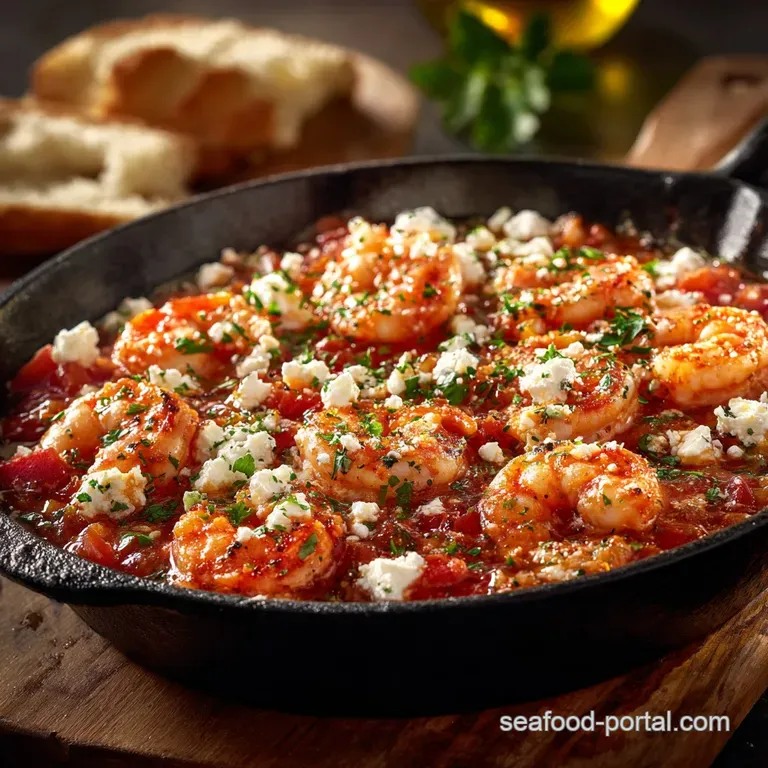
Building the Aromatic Base (Garlic and Onion Prep)
Heat your good olive oil in your oven safe skillet over medium heat. Add the finely diced onion and cook them gently until they are translucent and soft about five minutes. Now add the minced garlic, stirring constantly for just one minute until you smell that nutty aroma.
Do not let that garlic brown or it will taste bitter and ruin everything.
Deglazing and Simmering the Rich Tomato Sauce
Crank the heat slightly, then pour in the Ouzo. Stand back a little, please! Quickly scrape up all the browned bits stuck to the bottom of the pan with your wooden spoon. Once the alcohol has reduced by half and the mixture smells amazing, pour in the crushed tomatoes.
Add the dried oregano, a pinch of sugar to temper the acidity, and season aggressively with salt and pepper. Let this beautiful sauce simmer on low for 5 to 7 minutes to thicken.
Chef's Note: If you are omitting the Ouzo entirely, squeeze in about half a teaspoon of fresh lemon juice at this stage to mimic some of that bright acidity.
The Final Assembly: Layering Prawns and Feta
Once the sauce is thick and fragrant, gently nestle the raw, dry prawns directly into the sauce. Spread them out evenly; we don't want them piled on top of each other. Immediately scatter the large, crumbled chunks of Feta cheese right over the top of the sauce and the shrimp.
When to Know Your Saganaki is Perfectly Finished
Transfer the skillet carefully to the preheated oven or under the broiler. If you are broiling, keep a close watch it moves fast! You are looking for the shrimp to turn opaque and pink (meaning they are cooked through) and for the Feta to soften, turn creamy, and perhaps develop some lovely golden brown spots.
This usually takes just 3 to 5 minutes under a high broiler, or about 8 minutes in a 400°F oven.
Troubleshooting Your Dish: Expert Tips for Perfect Shrimp Saganaki
Preventing Rubber Prawns: The Key to Correct Cooking Time
The number one mistake I used to make was trying to cook the shrimp too much on the stovetop before baking. The shrimp should be mostly raw when they go into the oven! Since they are thin, they finish cooking very rapidly under the intense heat.
If you pre-cook them completely, they will definitely seize up and become tough during the baking phase. Stick to the 3 5 minute over high heat bake, no longer.
Ensuring the Feta Melts, Not Burns
If your Feta is burning before the shrimp are cooked, it means your pan is too close to the broiler element. Try positioning the oven rack one level lower. Also, ensure you are using Feta in brine it has higher moisture content than dry, pre-crumbled varieties, which helps it soften beautifully rather than just charring immediately.
Maximizing Spice: Using Greek Pepper Varieties (e.g., Boukovo)
Want a spicy Shrimp Saganaki? Instead of using standard crushed red pepper flakes, try finding Boukovo . It’s a traditional Greek dried pepper flake that offers a complex, deep heat rather than just a quick bite.
Add 1/2 teaspoon of your chosen chili flakes to the sauce base along with the oregano and dill. This works beautifully and provides a wonderful warmth that contrasts with the fresh parsley garnish.
Extending Shelf Life: Storing and Reheating Leftovers
Fridge Storage: Safety Guidelines for Seafood Leftovers
Shrimp Saganaki is best eaten immediately, straight out of the pan, but leftovers do exist! Store any remaining Greek Shrimp Saganaki in an airtight container in the refrigerator. Due to the seafood content, it is safe for 1 to 2 days, maximum. Don't push it past 48 hours.
Can You Freeze Shrimp Saganaki? (Quality and Texture Impact)
Honestly? I wouldn't recommend it. While the tomato sauce freezes fine, the cooked shrimp and Feta suffer terribly upon thawing. Cooked shrimp goes rubbery, and the creamy Feta separates and becomes grainy.
If you must freeze, freeze only the prepared tomato sauce (without the shrimp and cheese), and add those fresh components when you reheat the sauce later.
Best Method for Reheating While Retaining Texture
Forget the microwave that's a quick trip to rubber town for your prawns. To properly reheat, transfer the leftovers back into a small, oven safe dish. Add a tiny splash of water or wine to the sauce to prevent drying.
Cover the dish loosely with foil and bake at a low temperature (around 300°F or 150°C) until warmed through, about 10– 15 minutes. This gentle heat preserves the shrimp texture far better.
Perfect Pairings: What to Serve Alongside this Greek Classic
This Shrimp Saganaki is intensely flavorful and rich, so you need something simple to soak up the sauce and something crisp to cut through the richness. It’s perfect paired with my New Orleans Shrimp And Grits Recipe: Creamy Restaurant Quality for a decadent seafood spread!
The Bread is Mandatory
I cannot stress this enough: Crusty bread is not optional; it is essential. You need soft, tearable bread pita, baguette, or sourdough to drag through the remaining sauce. This soaking process, known as papadziki , is the whole point of the dish.
Simple Salad Contrast
Pair the heavy skillet dish with a very simple salad. Think crisp cucumber, thinly sliced red onion, and maybe some Kalamata olives, all tossed in a light dressing of lemon juice and a good quality Greek olive oil. That fresh crunch provides the perfect counterpoint to the baked, creamy Feta.
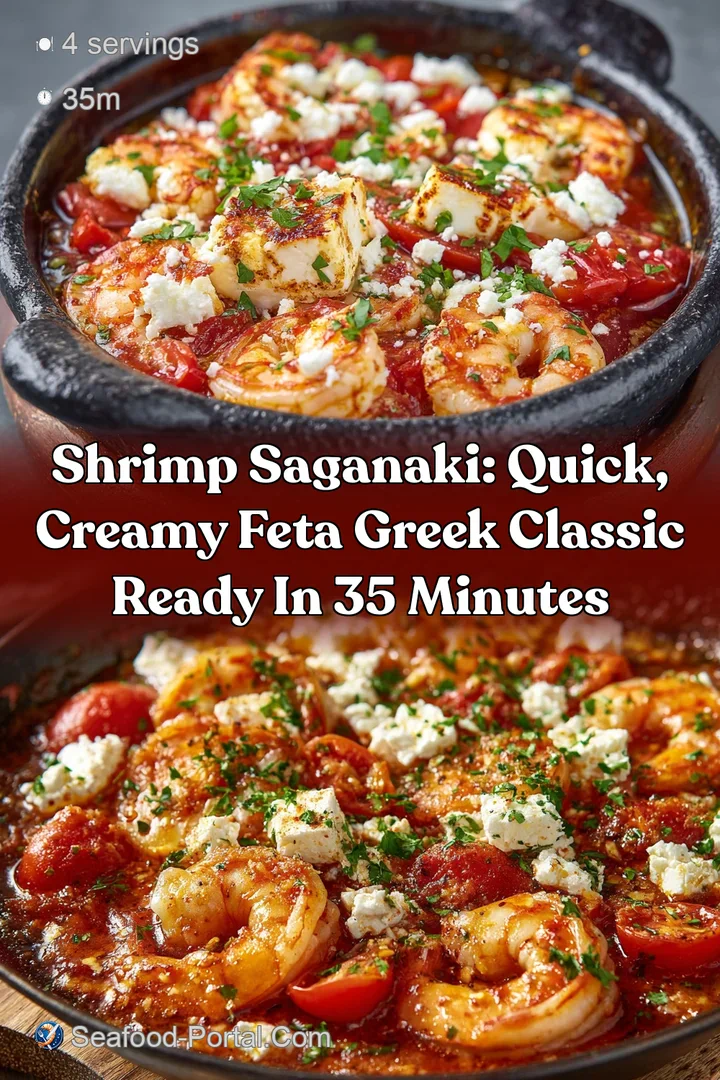
Recipe FAQs
Do I have to use fresh shrimp, or can I use frozen?
Frozen shrimp is perfectly fine for Saganaki, provided you thaw them completely beforehand, preferably in the refrigerator. Ensure you pat the shrimp very dry with paper towels; excess moisture will water down the rich tomato sauce during cooking.
My tomato sauce seems too watery. How can I thicken it?
A watery sauce usually means the tomatoes weren't simmered long enough before adding the shrimp or cheese. To fix this, remove the shrimp (to avoid overcooking) and continue simmering the sauce uncovered for 5-10 minutes until reduced and thickened to your liking.
Reintroduce the shrimp immediately before the final bake.
Can I substitute the Feta cheese in this recipe?
While Feta is traditional and essential for the distinct salty tang and creamy texture, you could substitute with halloumi or goat cheese, though the flavor profile will change. For a similar melt and saltiness, some cooks use a mixture of mozzarella and Parmesan, but this moves away from the authentic Greek flavor.
What herbs are traditionally used in authentic Shrimp Saganaki?
Oregano is the signature herb for Greek cuisine and is mandatory for authentic flavor, providing a warm, earthy base. Fresh parsley and dill are also frequently incorporated, often sprinkled on top just before serving for a bright, fresh finish.
If using dried herbs, remember to halve the measurement compared to fresh ones.
Can I prepare the Shrimp Saganaki ahead of time?
You can prepare the tomato base (sautéing the onion, garlic, and simmering the sauce) up to two days ahead and store it in the refrigerator. However, do not add the shrimp or Feta until just before you plan to bake and serve the dish.
The shrimp must be added right before the final bake to prevent them from becoming tough.
How do I ensure my shrimp doesn't become tough or rubbery?
The key to tender shrimp is minimal cooking time before the bake. Only sauté the shrimp briefly (1-2 minutes) until they just start to turn pink, and then immediately place the pan into the oven.
The shrimp will finish cooking during the 8-10 minute bake time, so remove the dish as soon as the Feta is bubbling and the shrimp are opaque.
Is it possible to freeze leftover Shrimp Saganaki?
Freezing leftovers is generally not recommended because both cooked shrimp and Feta cheese suffer significantly in texture upon thawing, often becoming rubbery or crumbly. If you must preserve it, store it tightly sealed in the refrigerator for up to two days, and reheat gently on the stovetop.
Classic Shrimp Saganaki With Feta
Ingredients:
Instructions:
Nutrition Facts:
| Calories | 309 kcal |
|---|---|
| Protein | 29.2 g |
| Fat | 14.4 g |
| Carbs | 10.5 g |
