Shrimp and Sausage Gumbo: a Classic Deep South Recipe with Smoked Andouille
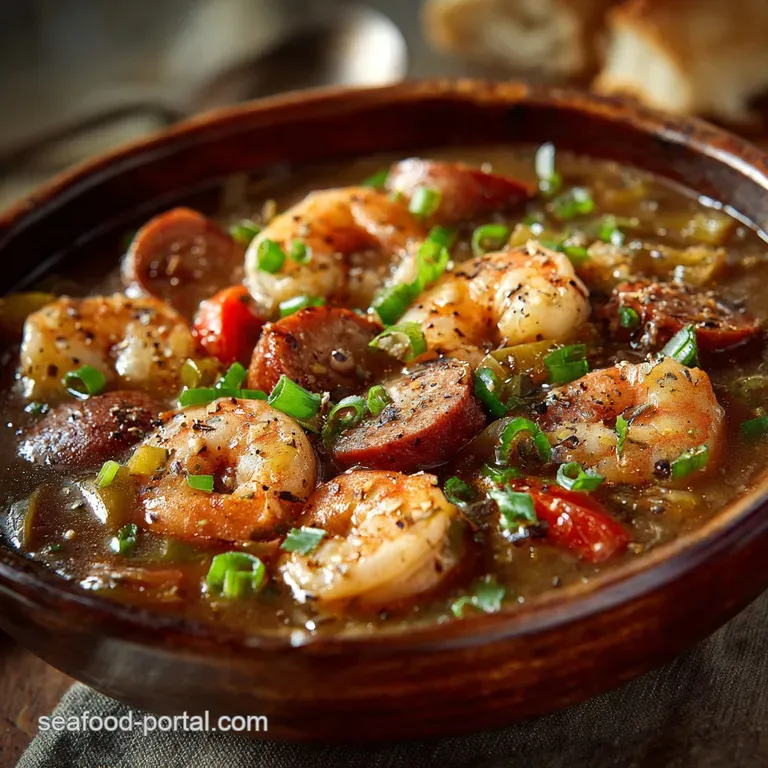
- The Deep South Comfort: An Introduction to Authentic Shrimp and Smoked Andouille Gumbo
- The Science of Flavor: Why This Classic Shrimp and Sausage Gumbo Recipe is Superior
- Essential Components: Ingredients for Classic Andouille and Shrimp Gumbo
- Step-by-Step: Mastering the Authentic Gumbo Cooking Process
- Troubleshooting Your Pot: Chef's Tips and Avoiding Common Gumbo Mistakes
- Preparation and Preservation: Storing and Freezing Shrimp and Sausage Gumbo
- Presentation and Pairings: How to Serve Authentic Louisiana Gumbo
- Recipe FAQs
- 📝 Recipe Card
The Deep South Comfort: An Introduction to Authentic Shrimp and Smoked Andouille Gumbo
Oh my goodness, friend, you absolutely have to smell this. When I pull out the Dutch oven for this classic Shrimp and Sausage Gumbo , the entire house transforms.
That deep, smoky aroma of the rendered Andouille sausage mingling with the nutty, dark roux is just pure magic; it literally smells like a culinary hug from Louisiana. This isn't one of those fast, thirty minute weeknight dinners, but I promise the time you spend stirring that roux is 100% worth the effort for the depth of flavor you achieve.
Listen, while Gumbo sounds intimidating, it is fundamentally a rustic stew built on patience and layering, not complexity. Once you conquer the roux which I’ll hold your hand through, don’t worry the rest is just chopping, simmering, and waiting for those incredible smoky, spicy flavors to marry.
Plus, it makes a massive batch, meaning instant leftovers for busy weeknights, and the cost per serving is surprisingly budget friendly for such a powerhouse dish.
I spent years getting this wrong, trying shortcuts that ended up tasting flat and watery, but I finally cracked the code on the deep, authentic flavor. If you are ready to put in a little elbow grease and transport your kitchen straight to the Delta, grab your knife, and let's get that pot warming.
This is the Classic Shrimp and Smoked Andouille Gumbo recipe you’ve been waiting for.
The Science of Flavor: Why This Classic Shrimp and Sausage Gumbo Recipe is Superior
Understanding the Soul of Gumbo: Roux, Holy Trinity, and Filé
Every great Gumbo recipe is built on three pillars, and if you respect them, you will win. The roux is the critical element, acting as both a thickener and the major flavour base, and we are going for dark, dark, dark.
Next, you have the "Holy Trinity" onion, celery, and bell pepper which provides the aromatic foundation, a non-negotiable step. Finally, you have the thickeners, which in this recipe are the okra and sometimes a pinch of Filé powder stirred in at the end.
The History of Gumbo: A Culinary Crossroads in Louisiana
Gumbo is more than just a stew; it’s a brilliant reflection of Louisiana’s incredible cultural melting pot. It draws influence from French stew bases, West African ingredients like okra, and Native American thickeners like Filé.
Think of every spoonful as a bite of history; it’s truly a delicious journey.
Why Andouille and Shrimp are the Perfect Gumbo Pairing
This pairing is an absolute classic for a reason. Smoked Andouille sausage is robust, spicy, and releases delicious rendered fat that infuses the broth during the long simmer. That smokiness provides a grounding base for the sweet, delicate flavor of the shrimp, which we add right at the very end.
The balance of spicy smoke and sweet seafood is just divine.
Achieving the Deepest Flavor: The Dark Roux Method
I need you to forget those pale, blonde rouxs used in French cooking; we are going for the good stuff here. We want a deep mahogany, almost the color of dark peanut butter. Why? Because the darker the roux, the more complex and nutty the flavor, but be warned: it loses some of its thickening power.
The flavor is worth the trade off , which is why we rely on okra for the final subtle thickening power.
Building the Broth Base: Shell Stock vs. store-bought
If you are aiming for true depth, please try to use a good seafood stock, especially one made from shrimp shells, or at least a high-quality chicken stock. Using water simply dilutes all the hard work we put into that roux. Don't skimp on the liquid.
The Timing Trick: Adding Seafood Without Overcooking
This is where many people mess up their Shrimp and Sausage Gumbo . You must wait until the gumbo is fully simmered, thick, and ready to serve before adding the shrimp. Shrimp need only 3 to 5 minutes to cook through.
Adding them too early means rubbery, sad little curls floating in your beautiful broth we don't want that!
Essential Components: Ingredients for Classic Andouille and Shrimp Gumbo
This is my breakdown of the key players and what to do if you can’t find exactly what I list. Flexibility is what home cooking is all about!
| Ingredient Category | Primary Choice | Viable Substitution |
|---|---|---|
| Roux Fat | Vegetable Oil | Lard or bacon grease (for ultimate flavor) |
| Sausage | Smoked Andouille Sausage | Highly seasoned smoked Kielbasa or Chorizo |
| Stock | Low-Sodium Chicken or Seafood Stock | Vegetable broth, but add a pinch more salt/seasoning |
| Thickener/Flavor | Sliced Frozen Okra | Filé Powder (add at the end) |
| Shrimp | Large (21/25 ct) raw shrimp, peeled/deveined | Medium shrimp (cook for less time) or firm white fish (added 10 mins before end) |
| Seasoning | Cajun/Creole Blend | Italian seasoning + smoked paprika + a huge pinch of cayenne |
The Holy Trinity (Onion, Celery, Bell Pepper): Chopping Specifications
The secret here is uniform size; we want everything finely chopped. This ensures they cook down evenly into the roux base, releasing their moisture and flavor quickly. Think small dice, small enough to almost melt into the soup during the long simmer.
Selecting Your Smoked Sausage: Why Andouille is Non-Negotiable
Okay, "non-negotiable" is strong, but seriously, Andouille is the gold standard. It’s a coarse grained, heavily seasoned pork sausage that is smoked twice, giving it that intensely smoky, spicy punch that defines the dish.
If you absolutely cannot find it, look for the darkest, smokiest cured sausage you can find.
Seafood Selection: Choosing the Best Shrimp for Gumbo
I always prefer large or jumbo shrimp (around 21/25 count) because they stay plump and succulent in the hot liquid. Make sure they are peeled and deveined before you start cooking. I usually leave the tails off for easier eating, but that’s totally your call. If you have extra time, you can use the shells to make a quick shrimp stock; it makes a huge difference! For a luxurious start to any meal, you should check out my recipe for Baked Jumbo Stuffed Shrimp with Crabmeat: Easy, Luxurious Starter .
Gumbo’s Essential Thickeners: Oil, Flour, and Filé Powder
The oil and flour create the initial roux, giving us that nutty flavour and body. Later on, we add okra, which naturally releases mucilage (a gentle thickener) when heated, giving the stew its characteristic texture.
If you decide to skip the okra, you can use Filé powder , but remember, this spice goes in after the heat is off, never during the boil, or it gets stringy.
step-by-step: Mastering the Authentic Gumbo Cooking Process
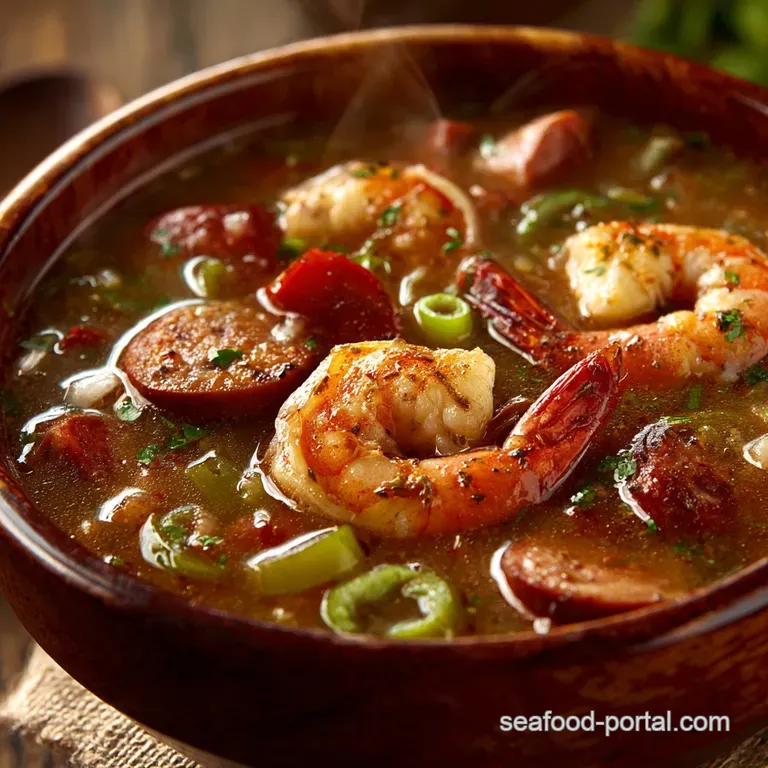
Phase 1: Creating the Nutty, Mahogany Roux
- Prep and Combine: Get every single ingredient prepped and sitting by the stove. Measure your oil and flour directly into your heavy bottomed Dutch oven. Turn the heat to medium low this is crucial.
- Stir Constantly: Whisk or stir the mixture gently but consistently. For the first 10 minutes, it will look like light pancake batter.
- Achieve Color: Keep stirring for 25 to 35 minutes until the roux achieves that beautiful milk chocolate or dark peanut butter colour, releasing a distinctive, nutty aroma. Do not walk away from the pot.
Chef's Note: If you see any black specks, your roux has burned and will taste bitter. You must throw it out and start over. It’s painful, but necessary.
- Stop the Cook: Immediately add the chopped onion, celery, and bell pepper (the Holy Trinity) to the dark roux. Stir vigorously for about 5 to 7 minutes until the vegetables soften and absorb the fat. This moisture blast stops the roux from darkening further.
Phase 2: Building Depth with the Trinity and Sausage
- Aromatics and Spice: Add the minced garlic, Cajun seasoning blend, thyme, and cayenne pepper, stirring for one minute until fragrant. Cooking the spices slightly "blooms" them, enhancing their flavor.
- Deglaze and Stock: Slowly pour in the stock, stirring all the while to ensure the roux dissolves fully into the liquid. Scrape up any browned bits on the bottom (that’s flavor!). Add the sliced Andouille sausage and bay leaves.
Phase 3: The Long Simmer and Flavor Marriage
- Simmer Time: Bring the pot up to a gentle boil, then immediately reduce the heat to maintain a low, slow simmer. Cook uncovered for 60 minutes. This simmer is vital for rendering the fat from the sausage and allowing the deep roux flavor to infuse the broth.
- Add Okra: Stir in the frozen okra. Simmer for another 15 minutes. This thickens the gumbo slightly and adds wonderful texture.
Phase 4: Finalizing the Gumbo with Shrimp and Seasoning
- The Shrimp Moment: Turn the heat up slightly and add the peeled shrimp. Stir gently. Cook for only 3 to 5 minutes, until the shrimp curl into a gentle ‘C’ shape and turn opaque pink.
- Final Adjustments: Remove the bay leaves. Taste the gumbo and adjust salt and pepper. You may want a dash of hot sauce right now! Turn off the heat and let it sit for 10 minutes before serving.
Troubleshooting Your Pot: Chef's Tips and Avoiding Common Gumbo Mistakes
Roux Rescue: How to Fix a Burnt Roux
There is no fixing a burnt roux. Once it has black bits or smells acrid, the bitterness permeates the flavor, and you must discard it. My mistake was always cooking it too hot. Use a slightly lower flame than you think you need, and remember that stirring is your only defense against burning.
Achieving the Right Consistency: Too Thick vs. Too Thin
If your gumbo is too thin after the full simmer, you might have rushed the roux, or used too little flour. A quick fix: Mix a tablespoon of cornstarch with a tablespoon of cold water, stir it into the simmering gumbo, and let it cook for 5 minutes.
If it’s too thick, simply stir in a half cup of warm stock until the desired consistency is reached.
Seasoning Layering: The Secret to Complex Depth of Flavor
Don’t just dump all the salt and pepper in at the start. You need to layer your seasoning. Add the bulk of the Creole blend with the trinity, a touch more salt after the long simmer, and then a final adjustment right before the shrimp go in.
This ensures a complex, multi dimensional flavor profile, not just a one-note salty one.
Preparation and Preservation: Storing and Freezing Shrimp and Sausage Gumbo
Best Practice for Refrigeration and Shelf Life
Gumbo is fantastic leftover! Once cooled, transfer the leftovers to an airtight container. It will happily keep in the refrigerator for 3 to 4 days. Sometimes the flavor is even better the next day after everything has settled.
The Freeze Test: Freezing Gumbo with Seafood
But does it freeze well? You bet. However, seafood can change texture when frozen and reheated, so here’s a tip: If you know you want to freeze half the batch, only add the shrimp to the portion you plan to eat immediately. Freeze the shrimp less gumbo base in portion sizes.
It will stay excellent for up to 4 months. When ready to eat, thaw the base, bring it to a simmer, and cook fresh shrimp right in the pot.
Reheating Gumbo Without Breaking the Sauce
Reheat frozen gumbo very slowly on the stovetop over low heat, stirring frequently. If it's refrigerated, reheat it gently, making sure it reaches a nice simmer. If you reheat it too quickly, the roux can sometimes "break," causing the fat to separate from the liquid.
Presentation and Pairings: How to Serve Authentic Louisiana Gumbo
This Shrimp and Sausage Gumbo is a powerhouse dish, but it requires the right supporting cast.
The traditional way is simple: ladle the thick, rich stew generously over a small mound of fluffy, white rice. The rice is essential for soaking up all that incredible sauce.
I absolutely love serving this with a side of warm, crusty cornbread for dipping; it’s perfect for scraping the bowl clean. Don't forget the hot sauce tray! Offering a selection of Louisiana hot sauces allows everyone to customize their heat. Finally, for dessert, because this is heavy, you might need something light and fun, like my recipe for Oreo Cookie Pudding Poke Cake: The Ultimate Cookies and Cream Dessert — the perfect sweet ending!
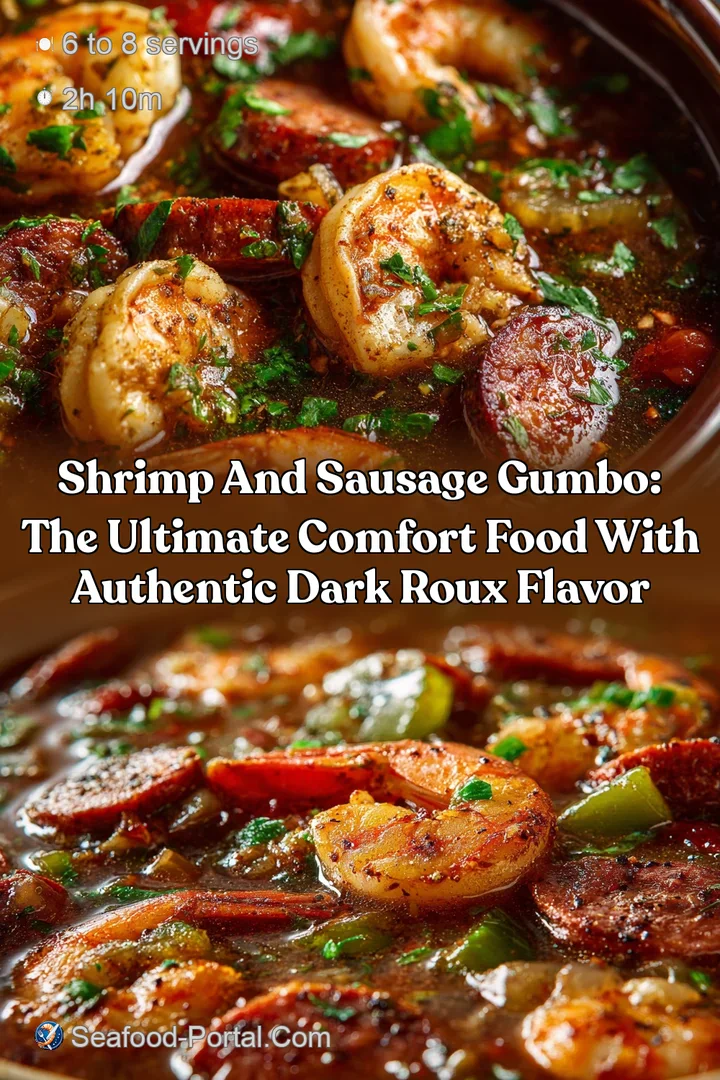
Recipe FAQs
Why did my roux burn, or how do I fix a bitter taste?
A bitter taste usually means the roux cooked too quickly or was not stirred constantly, causing scorching on the bottom of the pot. If you smell bitterness or see black specks, you must discard the roux and start over, as there is no way to salvage burnt flour.
Always use medium low heat and constant, patient stirring to achieve the required dark, nutty color without burning.
My Gumbo is too thin. How can I thicken the consistency?
The roux is the primary thickener, but if the gumbo is thin, it likely needs further reduction time. Simmering uncovered for an extra 20 30 minutes will naturally reduce the liquid and concentrate the deep flavor.
Avoid using cornstarch if possible, as a true gumbo relies on the complexity and body provided by the slow cooked roux.
Can I substitute the Andouille sausage for something else?
Absolutely. While Andouille is traditional for its authentic smoke and heat, you can substitute other strongly smoked pork sausages like Kielbasa or even a mild Spanish Chorizo. Ensure the sausage is smoked, not simply cured, to maintain the deep, savory undertones crucial to the gumbo base.
When should I add the shrimp to ensure it doesn't become rubbery?
Shrimp cooks very quickly, so they must be added right at the end of the cooking process after the gumbo has fully simmered. Stir the peeled shrimp into the hot gumbo and immediately remove the pot from the heat.
The residual heat will perfectly poach the shrimp within 5 7 minutes, ensuring they remain tender and plump.
How long does Gumbo last, and is it suitable for freezing?
Gumbo stores wonderfully and often tastes even better the next day; it will keep safely in an airtight container in the refrigerator for 3 to 4 days. Yes, Gumbo freezes exceptionally well for up to 3 months, but always freeze it without the accompanying rice.
Thaw it overnight in the refrigerator and reheat gently on the stovetop.
I need to dial back the heat. How do I make this Gumbo milder?
The primary heat sources are the Andouille sausage and the added cayenne pepper. To reduce the spice, use a milder smoked Polish sausage substitute and reduce the amount of cayenne pepper by half.
If the finished dish is still too spicy, serving it with a dollop of sour cream or adding a touch more acid, like lemon juice, can help balance the perception of heat.
What is the traditional garnish or accompaniment for Gumbo?
Gumbo is traditionally served over a generous mound of steamed long grain white rice, which is essential for absorbing the rich sauce. The essential garnish includes fresh sliced green onions and a sprinkle of chopped parsley for brightness and color.
Always offer a bottle of Louisiana style hot sauce, such as Tabasco or Crystal, on the side for customization.
Classic Shrimp And Sausage Gumbo Recipe
Ingredients:
Instructions:
Nutrition Facts:
| Calories | 368 kcal |
|---|---|
| Protein | 26.1 g |
| Fat | 12.4 g |
| Carbs | 31.4 g |
