Lobster Bisque Pasta: How to Make the Crown Jewel Tagliatelle at Home
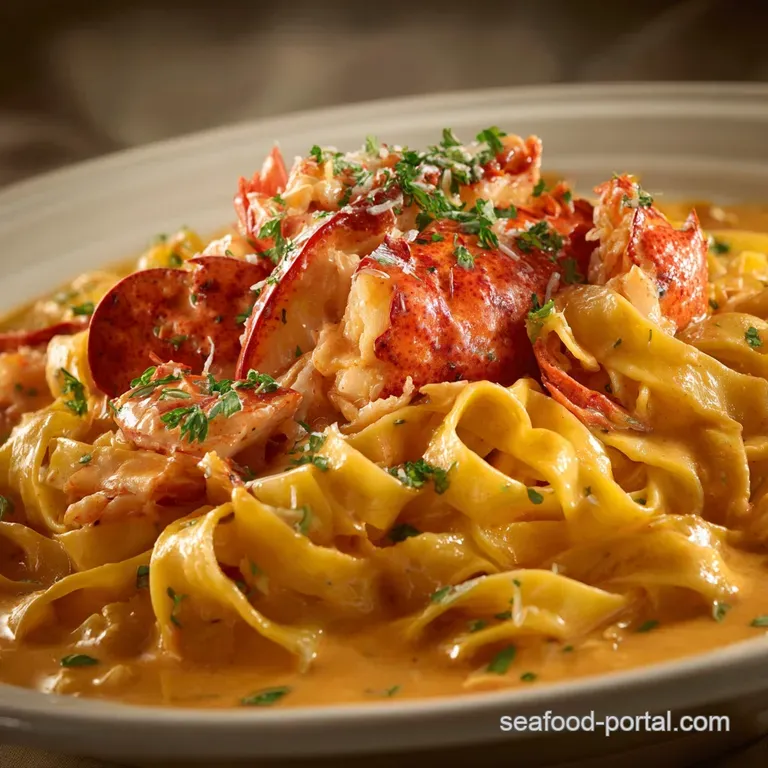
- The Crown Jewel: Classic Lobster Bisque Tagliatelle
- Elevating the Classic: What Defines True Lobster Bisque Pasta?
- The Science of Indulgence: Why This Texture is Unbeatable
- Essential Components for the Ultimate Bisque Base
- Ingredient Procurement and Necessary Substitutions
- Step-by-Step: Crafting the Silky Lobster Bisque Pasta Sauce
- Perfecting the Marriage: Combining Pasta and Sauce
- Expert Tips and Troubleshooting Common Bisque Mistakes
- Storage, Prep, and Making Lobster Bisque Pasta Ahead
- Presentation and Suggested Pairings
- Recipe FAQs
- 📝 Recipe Card
The Crown Jewel: Classic Lobster Bisque Tagliatelle
Can you smell that? It’s the deep, sweet aroma of roasted lobster shells mingling with caramelized vegetables and a hint of brandy, hanging heavy and luxurious in the air. This Lobster Bisque Pasta is the ultimate seafood indulgence, delivering a velvety, intensely savory coating for chewy strands of tagliatelle.
Honestly, the texture is like a velvet blanket being draped over your favorite comfort food.
People think classic bisque is incredibly fussy, demanding hours of French technique or only available at high end restaurants, but that’s not really true. This method is mostly passive simmering, and while it takes time, the active cooking is surprisingly simple, making it perfect for a weekend project or impressing guests.
Forget the thin, watery imitations or those viral Trader Joes Lobster Bisque Pasta recipes; we are building true, deep flavor from the ground up, and trust me, it’s worth the effort.
We are taking that glorious foundation the intensely rich, strained lobster stock and transforming it into a luxurious pasta sauce that clings perfectly to every single strand.
Get ready, because once you master this Lobster Bisque Pasta Recipe , you might never order it out again. Let’s crack on!
Elevating the Classic: What Defines True Lobster Bisque Pasta?
True lobster bisque pasta isn't about tossing some lobster meat into a jar of Alfredo sauce, absolutely not. It's defined by the depth of flavor drawn from the shells themselves. The sauce needs to be rich, smooth, and slightly sweet from the crustacean shells, balanced by the acidity of tomato paste and wine.
The brilliance of this dish lies in using the lobster shells to create an intense, powerful fumet (stock). This highly concentrated liquid is the backbone, and once thickened slightly with a smooth roux and enriched with heavy cream, it becomes something truly spectacular.
We aim for a sauce so glossy and velvety that it immediately elevates a simple plate of pasta into a dish fit for a King.
The Science of Indulgence: Why This Texture is Unbeatable
The Difference Between Bisque and Cream Sauce
The difference is pedigree, really. A simple cream sauce starts with cream and thickeners, relying on added flavorings. Bisque starts with the bones or shells, in this case which are roasted, sautéed, simmered, and then pressed for maximum extraction.
It's the process of extraction and heavy reduction that separates bisque from a simple cream sauce. The final texture should be velvety smooth because we strain out every last piece of solid matter before finishing it.
A Culinary History: From French Soup to Italian Inspired Pasta
Bisque is traditionally French, a thick, creamy soup often featuring crayfish, crab, or lobster. Converting it to a pasta dish is a perfect marriage of French technique and Italian sensibility. By reducing the stock down intensely, we concentrate the flavor so it acts as a coating, rather than a broth.
It’s a genius crossover that makes an unbelievably rich and satisfying meal.
Building Umami: The Role of Roasted Lobster Shells
This is the non-negotiable step: Roasting the shells first in butter. You need to toast those shells until they are bright red and incredibly fragrant, almost nutty. This caramelization creates Maillard reactions on the shell surface, which in turn builds deep, savory umami flavors that transfer beautifully into the final stock.
Achieving Velvety Smoothness Without Thickeners
While we do use a small roux for initial thickening and stability, the velvety smooth texture is actually the result of emulsified butter, cream, and the natural oils extracted from the lobster itself. If you strain the bisque base correctly and reduce it sufficiently, it develops a natural body.
Using the starchy pasta water at the end is the ultimate trick for ensuring the sauce perfectly clings to the Classic Lobster Bisque Tagliatelle .
The Essential Cognac Flambé for Depth of Flavor
That touch of Cognac or good brandy isn't just for showing off; it's absolutely crucial for flavor depth. Alcohol acts as a solvent, extracting deeper flavor compounds from the shells and aromatics that water alone cannot touch.
Deglazing the pot with Cognac before adding the wine and water scrapes up those tasty bits, creating intense complexity.
Chef’s Note: You absolutely must use a fine mesh sieve or cheesecloth to strain the bisque. Any stray shell fragment will ruin that beautiful velvety texture. Don't rush this part!
Essential Components for the Ultimate Bisque Base
The base relies on the holy trinity of aromatics the mirepoix sautéed slowly until sweet and translucent. We use yellow onion, carrot, and celery. The rich orange color doesn't just come from the shells, but also from heavily caramelizing the tomato paste.
Cooking the tomato paste for two minutes until it changes color is vital for activating those sweet, concentrated flavors.
The other essential components are good quality, full fat heavy cream for finishing and a robust dry white wine for deglazing. The final bisque should be intense, slightly sweet, savory, and perfectly balanced, ready to embrace the pasta. If you’re loving the idea of a dedicated, rich sauce, you might be interested in mastering a Lobster Butter Sauce: Restaurant Quality French Beurre de Homard sometime soon.
Ingredient Procurement and Necessary Substitutions
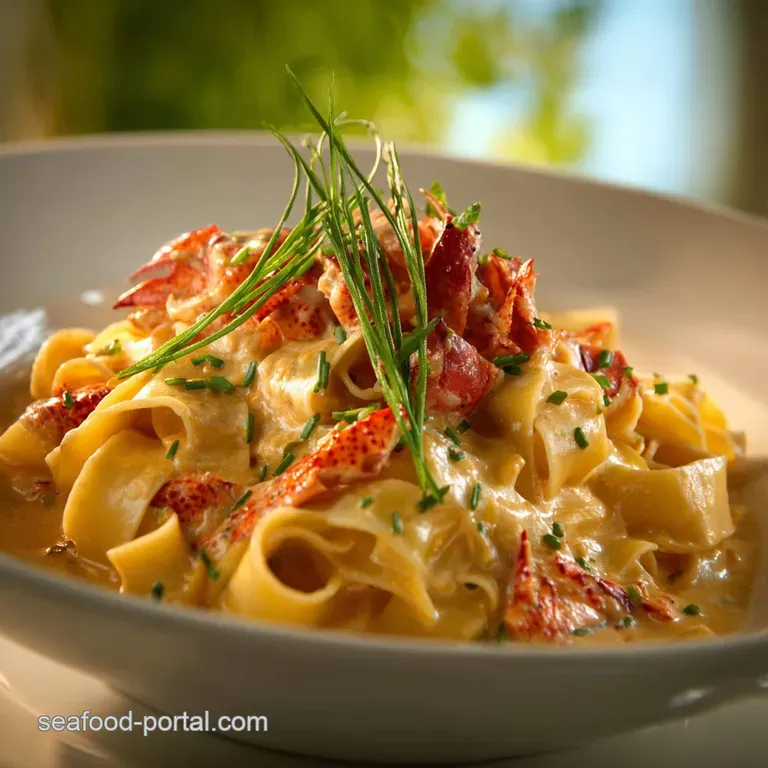
Selecting the Best Lobster: Live vs. Frozen Tails
If you can manage it, starting with a whole cooked lobster is best, as the body and claw shells provide maximum flavor for the stock. If that's too much of a faff, use frozen lobster tails; just be sure to keep the shells after steaming or boiling them, as we need those for the stock.
Never skip roasting the shells , no matter where they come from.
Mirepoix Mastery: Ratio and Prepping Aromatics
The traditional French ratio is 2 parts onion to 1 part carrot and 1 part celery, but I like a slightly higher ratio of carrot for sweetness. Chop everything roughly, since it will be strained and discarded anyway. Just make sure the pieces are similar in size so they cook evenly in the pot.
Dairy Deep Dive: Heavy Cream vs. Half and Half
For true richness and stability, you need heavy cream (double cream). It has the highest fat content, which prevents curdling and gives the sauce its unmistakable mouthfeel. If you want a slightly lighter dish, you can use half and half (single cream), but reduce the stock base a bit more aggressively since the final sauce will be thinner.
Pasta Pairing Guide: Why Tagliatelle Excels Here
Tagliatelle is my absolute favorite for this bisque, period. It’s wider than linguine and flat, offering maximum surface area for the thick, Lobster Bisque Pasta Sauce to cling to. Fettuccine is a close second, or if you prefer a large, scoopable shape, try Paccheri.
Replacing Cognac: Alcohol Free Options for Deglazing
If you are totally avoiding alcohol, use a small amount of concentrated unsweetened apple juice or even a tablespoon of vinegar (like sherry vinegar) with a little extra fish stock. It won't give the exact depth, but it provides the acid required to deglaze the pot effectively.
Alternatively, dry Sherry is a perfect stand-in for brandy.
Time Saving Shortcuts for Pre-Made Bisque Stock
If you are trying to make an Lobster Bisque Pasta Recipe Easy and fast, you can buy high-quality pre-made lobster bisque or even a concentrated fish stock base. If you go that route, use 3 cups of high-quality stock instead of making your own, but your flavor will be missing that gorgeous roasted complexity. If you're using just fish stock, you might prefer making something like my Lobster Chowder Soup: Creamy, Restaurant Quality Comfort Food instead, which relies less on the shell flavor.
| If You Don’t Have... | Use This Instead... | Notes |
|---|---|---|
| Lobster | Cooked prawns (shrimp) or crab meat | Use about 12 oz of meat. Skip the shell roasting step entirely and use fish stock. |
| Heavy Cream | Half and Half | The sauce will be slightly thinner and less stable; watch the heat carefully. |
| Cognac/Brandy | Dry Sherry or omission | If omitting, increase the white wine by 1/4 cup for deglazing. |
step-by-step: Crafting the Silky Lobster Bisque Pasta Sauce
Phase 1: Roasting Shells and Creating the Fumet
Roast the roughly crushed shells in butter over high heat until you smell that incredibly sweet, toasted lobster aroma. This takes about five to seven minutes. Remove the shells and set them aside. Then, soften your mirepoix in the same pot, soaking up all that residual lobster butter.
Add the garlic last, cooking for just one minute. Stir in the tomato paste and cook it down until it turns a deep, rusty color, about two minutes.
Return the shells. Pour in the Cognac and deglaze; stand back, because if you tilt the pot, it might flambé! Reduce the wine by half, scraping up all the sticky goodness from the bottom of the pot.
Phase 2: Simmering, Pureeing, and Straining the Base
Add the water (or fish stock), bay leaves, and thyme. Bring it quickly to a boil, then turn the heat way down. This needs a slow, gentle simmer for a good 60 to 75 minutes. You must skim off any impurities that float to the surface during this time.
When the liquid is reduced and deeply flavorful, the hard work is over. Ladle everything through a fine mesh sieve into a clean saucepan. Press down hard on those shells and vegetables to extract every single drop of flavor and oil. This step is non-negotiable for maximum flavor extraction.
Discard the solids they have given their all. Reduce this strained liquid further until you have about 2.5 cups of intense liquid.
Phase 3: Finishing the Sauce with Cream and Cognac
In a separate, small pan, melt the butter and whisk in the flour to create a quick roux. Cook this for just sixty seconds. Whisk the roux slowly into the reduced bisque base. Now, simmer this gently for about five minutes until it thickens slightly.
Remove from the direct heat and stir in the heavy cream, nutmeg, and cayenne pepper.
Keep this sauce warm but below a simmer. A gentle bubble is fine, but a rolling boil will risk separating your cream. Taste and adjust your seasoning it will need a good amount of salt and pepper now.
Perfecting the Marriage: Combining Pasta and Sauce
The Secret to Al Dente Tagliatelle
Cook the tagliatelle in intensely salted water, pulling it out one full minute before the package instructions suggest. You want it wonderfully al dente , because it will finish cooking in the hot bisque sauce.
Emulsification Technique: Tossing with Pasta Water
Drain the pasta but, seriously, save at least a full cup of that starchy cooking water. Toss the drained tagliatelle directly into the saucepan containing the warm bisque. Toss vigorously!
If the sauce is too tight or thick, whisk in a tablespoon of the reserved pasta water at a time until the sauce is glossy and beautifully coats the noodles. Finally, gently fold in the pre-cooked lobster meat. You only need to heat the lobster meat through for about two minutes max, preventing it from getting tough.
Expert Tips and Troubleshooting Common Bisque Mistakes
Preventing the Bisque from Curdling or Separating
This is where people often fail when trying the Lobster Bisque Pasta Tiktok trends. The cardinal rule is temperature control. Once you add the heavy cream, the sauce cannot boil rapidly. Keep it at a very gentle warmth.
Also, ensure your cream is not ice-cold when you add it to the hot roux/stock mixture; bringing the cream close to room temperature helps prevent shocking the sauce.
Adjusting Consistency: Too Thick vs. Too Thin
If the sauce is too thin, you need more reduction time. Remove the pasta and simmer the sauce base until it reaches your desired consistency. If it's too thick (before the cream is added), just whisk in a bit more water or fish stock.
Once the pasta is added, the reserved starchy pasta water is your best friend for thinning and ensuring glossiness.
Maximizing Flavor: Grinding the Shells for Deeper Extraction
I always crush the shells roughly before roasting them, but for truly maximum flavor, some chefs briefly pulse the roasted shells in a food processor before adding them to the simmering liquid. This exposes more surface area.
Be careful not to turn it into a fine powder , just rough pieces, otherwise you’ll have a nightmare straining.
Storage, Prep, and Making Lobster Bisque Pasta Ahead
Refrigerating Leftovers Safely
Leftover Lobster Bisque Pasta should be stored immediately in an airtight container. It will keep safely in the fridge for about 2 to 3 days. Since it contains seafood and cream, don't push that limit.
Freezing the Base vs. Freezing the Finished Dish
Do not freeze the finished pasta dish! The texture of the pasta will be awful, and the cream based sauce is likely to separate when thawed, becoming grainy. However, the strained bisque base (before the cream, roux, and lobster meat are added) freezes brilliantly for up to three months.
Thaw it overnight and then proceed with Phase 3 of the instructions when ready.
Reheating Instructions
Reheat leftovers gently in a saucepan over low heat. Use a tablespoon or two of water or milk to help restore the creamy texture as it warms up. Stir constantly and do not let it boil or the sauce will surely split. This gentle treatment will keep the pasta tender and the sauce smooth.
Presentation and Suggested Pairings
Garnish Ideas for a Restaurant Quality Finish
A beautiful garnish is essential for a restaurant quality plate. A generous sprinkle of freshly chopped parsley provides freshness and color. A final drizzle of high-quality extra virgin olive oil or even a tiny amount of warmed Lobster Butter Sauce: Restaurant Quality French Beurre de Homard adds sheen. A final grating of nutmeg can also intensify the warm, savory notes beautifully.
Serving Suggestions
Because the bisque pasta is so rich, you need something crisp and acidic to cut through it. A simple side salad of peppery arugula dressed lightly with lemon juice and olive oil is ideal. And of course, you absolutely need a crusty Italian baguette or slices of sourdough bread to wipe the bowl clean. If you are serving this for a special occasion and want to lean into the lobster theme, pair it with small, savory appetizers like my recipe for Warm and Buttery Lobster Rolls: Classic Maine Style Recipe .

Recipe FAQs
My bisque sauce is too thin and watery. How do I thicken it?
The best method is to gently simmer the sauce longer, allowing it to naturally reduce and concentrate both the thickness and the flavor. If you need a quicker solution, you can incorporate a small amount of beurre manié (equal parts softened butter and flour mixed together) or a cornstarch slurry stirred directly into the hot liquid.
Can I use shrimp or crab shells instead of lobster for the stock base?
Yes, you can substitute other crustacean shells, but the flavor profile will change slightly, typically becoming less rich than pure lobster. Ensure you use an equal weight of shells and roast them thoroughly to maximize flavor extraction before beginning the simmering process.
You may need to adjust the simmering time slightly as smaller shells require less cooking.
Is it possible to freeze leftover Lobster Bisque Pasta sauce?
While the initial lobster stock base freezes very well, freezing the final sauce which is heavily fortified with cream is not recommended. High fat dairy often separates and becomes grainy upon thawing, ruining the luxurious texture of the bisque.
If you must freeze, freeze the base before adding the heavy cream, and stir in fresh cream when reheating.
I don't have Cognac. What is a suitable substitute for the deglazing step?
A good quality brandy is the closest substitute as it offers similar depth and fruity complexity crucial for balancing the richness of the shells. Alternatively, a dry sherry or even a very dry white wine can be used, though these options may require slightly less reduction time during deglazing.
Remember, this step is essential for dissolving the flavorful fond from the pan.
How can I prepare the bisque sauce ahead of time?
You can certainly prepare the entire lobster stock and bisque base (up until the point of adding the cream) several days in advance. Cool the mixture completely and store it tightly sealed in the refrigerator.
When you are ready to serve, reheat the base gently, strain it, and then proceed with incorporating the heavy cream and butter.
My finished bisque has a slightly burnt taste. What went wrong?
This usually happens during the initial roasting of the shells or the sautéing of the mirepoix. Ensure your shells are roasted until browned, but not blackened, and that the mirepoix does not stick to the bottom of the pot before you add the liquids.
If the bottom of the pan scorches during simmering, the burnt flavor will infuse the entire stock, so gentle heat control is critical.
Why is Tagliatelle recommended over other pasta shapes like Spaghetti or Penne?
Tagliatelle is a wide, porous egg noodle that provides an optimal surface area to cling to the thick, velvety lobster bisque sauce. Its richness and sturdiness stand up well against the heavy cream sauce without being overwhelmed.
While you can use other shapes, the flat nature of tagliatelle or fettuccine best showcases the luxurious texture of the bisque.
Classic Lobster Bisque Pasta Recipe
Ingredients:
Instructions:
Nutrition Facts:
| Calories | 757 kcal |
|---|---|
| Protein | 69.0 g |
| Fat | 31.2 g |
| Carbs | 42.4 g |
