Shrimp Stir Fry: the Speedy Prawn Powerhouse with Ginger and Garlic
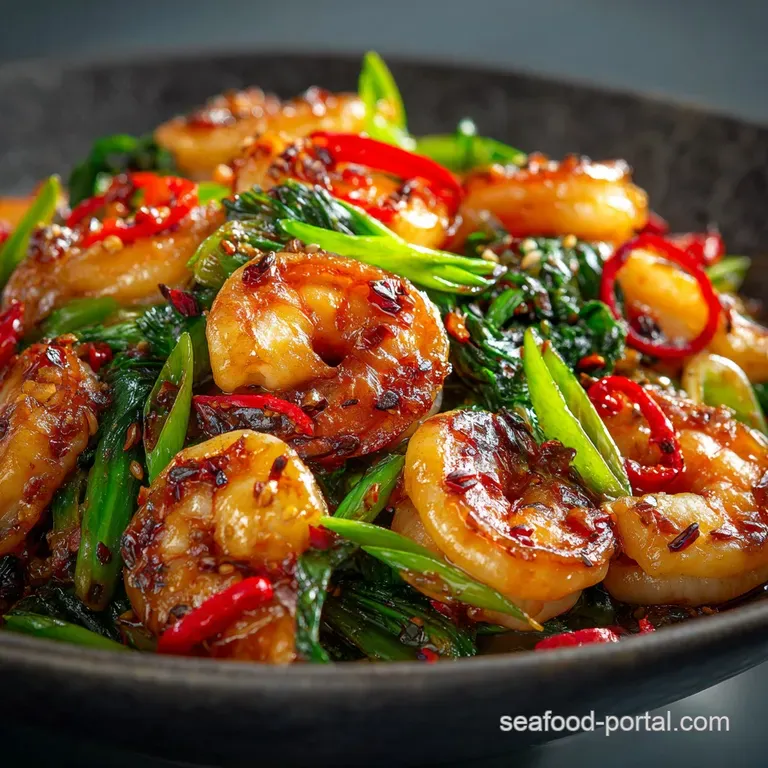
The Best Shrimp Stir Fry Recipe
When that sizzling ginger and garlic hit the screaming hot wok, the whole kitchen just transforms instantly. That aroma is the signal: dinner is about to be unbelievably good. This isn't your sad, takeout carton stir fry that looks beige and tastes vaguely salty, trust me.
I know weeknights are chaotic, totally insane sometimes, and waiting for delivery feels easier. But this Shrimp Stir Fry Recipe Easy is my absolute lifesaver because it takes maybe 10 minutes of actual cooking time.
It’s significantly cheaper, much healthier, and the flavour payoff is massive, delivering restaurant quality at home.
I’ve messed this up every way imaginable soggy veggies, rubbery shrimp. Now I’ve nailed the technique, and I’m sharing every trick. Grab your largest, heaviest pan, get your mise en place totally organized, and let’s make the best, quick shrimp recipes dinner you’ll ever have.
Why This Shrimp Stir Fry Works
The secret to achieving the coveted 'wok hei' (that smoky, incredible flavour) on a regular home stove is a combination of speed and high heat. We aren't just frying things slowly; we are aggressively searing them. This ensures your vegetables are bright, crisp, and never soggy.
We also use a basic cornflour marinade, a technique often called velveting, on the shrimp. That tiny layer of starch locks in moisture as the shrimp cook, preventing them from seizing up and turning tough. This simple step ensures you get plump, tender shrimp every single time.
The balanced sauce, built with both soy and oyster sauces, provides a deep umami base without being overly sweet.
Flavor Profile and Texture
This is a profoundly savory dish, anchored by the intense brightness of fresh ginger and garlic. You get a touch of sweetness from the honey to balance the saltiness of the soy and oyster sauce.
The Shrimp Stir Fry with Vegetables provides a fantastic textural contrast: the snap of the sugar snap peas against the tender, slightly crisp broccoli, all coated in that beautiful, glossy sauce. It’s warm, aromatic, and perfectly balanced.
Ingredients You Need for Shrimp Stir Fry
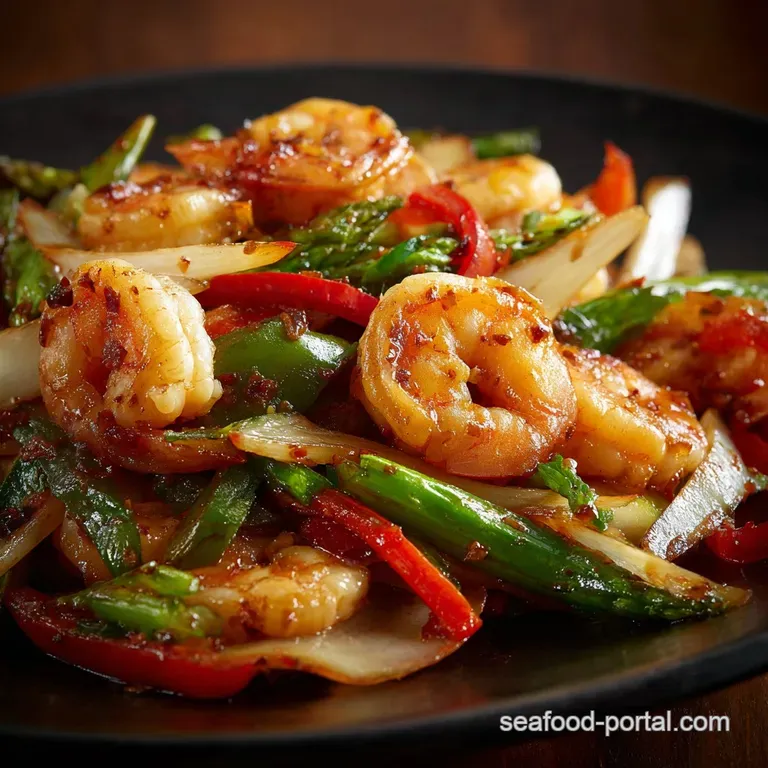
Don't skip the prep work! Stir frying demands speed, so having every single ingredient measured, chopped, and waiting in little bowls is non-negotiable.
Main Ingredients Notes
- Shrimp (500g): Size matters here; I prefer large, raw 21/25 count shrimp. Frozen is fine, but you must thaw them completely and pat them bone dry before marinating. Excess moisture kills the stir fry.
- Shaoxing Rice Wine: This is a cheap pantry staple that adds incredible depth and authenticity to the Chinese flavour profile. It’s worth buying a bottle.
- Oyster Sauce: This delivers that essential, sticky, complex umami flavour. You absolutely need it for a proper Shrimp Stir Fry Sauce Recipe .
- Cornflour (Corn Starch): We use this twice once to velvet the shrimp, and once to thicken the sauce. It provides a cleaner, glossier finish than plain flour.
- Vegetables: We are using quick cooking broccoli, red bell peppers, and sugar snap peas. These cook in minutes and provide great structure.
Easy Substitutions and Swaps
Sometimes you just don't have exactly what the recipe calls for, and that’s okay. Here are some real world swaps that actually work without ruining the dish.
| Ingredient to Substitute | Recommended Alternative | My Honest Opinion |
|---|---|---|
| Shaoxing Rice Wine | Dry Sherry or Mirin (sweet, so cut the honey slightly) | Dry Sherry is the closest flavour profile for this recipe. |
| Oyster Sauce | Hoisin Sauce (it's much sweeter) or Vegetarian Oyster Sauce | Hoisin works in a pinch, but stick to half the amount listed. |
| Chicken Stock | Vegetable Stock or just plain water | Stock gives a richer mouthfeel, but plain water will still allow the sauce to thicken properly. |
| Broccoli | Asparagus, trimmed green beans, or bok choy | Stick to dense, quick cooking green vegetables for the best results. |
Essential Equipment
You don't need a professional restaurant burner, but you do need a good pan.
Chef's Note: The best tool is a carbon steel wok if you have one, as it heats incredibly fast and holds that high temperature beautifully. If not, use the largest, heaviest 12 inch frying pan or skillet you own. Thin bottomed pans won't hold the heat, and you’ll end up steaming your veggies.
How to Make Shrimp Stir Fry step-by-step
Remember, this is about speed! Chop everything first. Set up your station. Then, and only then, turn on the heat.
Preparation Steps
- Velvet the Shrimp: Pat your shrimp totally dry. Toss them in a medium bowl with the rice wine, 1 tsp cornflour, salt, and pepper. Let this sit for 10 minutes while you prep the vegetables.
- Mix the Sauce Slurry: In a measuring jug or small bowl, whisk together the soy sauce, oyster sauce, honey, rice vinegar, chicken stock, 1 Tbsp cornflour, and sesame oil. This cornflour slurry will settle, so plan to whisk it again just before you pour it into the pan.
- The Chop: Slice the onion, bell pepper, and spring onions. Cut the broccoli into uniform, bite sized florets. Mince the ginger and garlic separately.
Cooking Process
- Heat the Wok: Place the wok over the highest heat setting your stove has. Add the neutral oil only when the pan is smoking hot seriously, let it smoke a little.
- Aromatics First: Add the minced garlic and ginger. Stir fry rapidly for exactly 30 seconds . This happens quickly, so watch carefully; you want fragrance, not burnt bitterness.
- Cook Hard Vegetables: Toss in the red onion slices and the broccoli florets. Stir fry for 2 minutes . If the wok looks dry, add a splash of water to steam the broccoli slightly and aid cooking.
- Add Soft Vegetables: Now add the bell pepper strips and the sugar snap peas. Stir fry for another 1 minute . They should be vibrant, bright, and still crunchy (al dente). Remove all vegetables from the wok and set them aside on a plate. This is key!
- Sear the Shrimp: Return the wok to high heat. Add another teaspoon of oil. Add the marinated shrimp in a single, non-overlapping layer. Cook the shrimp for 1– 2 minutes per side until they are opaque pink. Do not overcook! Remove the shrimp and add them to the plate with the vegetables.
- Glaze and Finish: Reduce the heat to medium low. Quickly re-whisk the sauce mixture and pour it directly into the empty wok. Stir constantly. The sauce will thicken into a beautiful, glossy glaze in about 30 seconds .
- Combine and Serve: Immediately return the cooked vegetables and shrimp to the wok. Toss gently to coat everything in that beautiful, thick Shrimp Stir Fry Sauce Recipe . Serve immediately, garnished with the sliced spring onions.
Expert Tips for Success
- Prep is 90% of the Job: If you are still chopping your red onion while the wok is screaming hot, you’ve already failed. Mise en place is mandatory for stir fry success.
- Heat Control: If you add the vegetables and the heat drops severely, let the pan recover before you start tossing. High heat is essential for preventing steam buildup.
- My Mistake: I once tried to use olive oil because I ran out of canola. Do not use olive oil! Its smoke point is too low, and it will burn and taste awful at the high temperatures required for a proper stir fry. Always use neutral oil like groundnut or canola.
Common Mistakes to Avoid
- Overcrowding the Pan: This is the biggest killer of great stir fry. If you dump four cups of vegetables into the wok at once, the temperature immediately drops, and everything starts boiling in its own moisture. This equals mush. Cook in smaller batches if your pan is too small.
- Overcooking the Shrimp: Shrimp cook unbelievably fast. As soon as they curl into a C-shape and turn opaque pink, they are done. Cooking them any longer guarantees a tough, rubbery texture.
- Using Cold Ingredients: If you store your chopped veggies in the fridge right up until cooking, tossing those cold ingredients into the wok will drop the temperature too fast. Let everything sit out at room temperature for about 15 minutes before cooking.
Storage, Freezing, and Reheating
You just made a stunning dish, so let’s make sure those leftovers are treated with respect.
How to Store Leftovers
Leftover Shrimp Stir Fry should be stored in an airtight container in the refrigerator. Because of the quick cooking seafood, it is best eaten within 2 to 3 days. The vegetables will soften slightly over time, but the flavour will still be excellent.
Freezing Instructions
But does it freeze well? Honestly, shrimp and crisp vegetables are not great candidates for freezing. The texture of the shrimp usually degrades, becoming a little chewy, and the broccoli turns to mush when thawed. I highly recommend eating this fresh.
If you must freeze it, freeze just the sauce and rice separately, and cook the shrimp and veggies fresh next time.
Best Reheating Methods
The best way to reheat stir fry is quickly on the stovetop. Heat a pan over medium high heat with a tiny splash of oil. Add the leftovers and stir fry just until heated through, about 2 minutes. Do not use the microwave unless you like rubbery seafood.
What to Serve With This Dish
This dish shines when paired with simple sides that soak up the extra sauce.
- Jasmine Rice: Classic, simple, and essential.
- Noodles: Toss this Shrimp Stir Fry with Noodles (like thin egg noodles or udon) for an even heartier meal.
- Crunchy Salad: A side of light, cold, vinegar based coleslaw or simple shredded lettuce provides great textural contrast.
- Other Ideas: If you're looking for another phenomenal weeknight seafood option, you should totally check out my recipe for Shrimp and Sausage Gumbo: The Authentic Deep South Classic Recipe , which is a slow burn favourite.

Recipe FAQs
Why did my shrimp turn out rubbery or tough?
Overcooking is the primary culprit when shrimp become rubbery. Stir fry shrimp for only 2 3 minutes total, until they just turn pink and opaque, and then remove them from the high heat immediately before adding the sauce back at the very end.
The extreme temperature of the wok continues to cook the shrimp even after they are plated, so speed is absolutely vital.
How can I prevent my stir fry sauce from turning watery?
A watery sauce usually results from overcrowding the pan, which drops the temperature and causes the ingredients to steam instead of sear. Ensure you cook the vegetables and shrimp in small batches if needed, and make sure to use a cornstarch slurry to properly pre-thicken the sauce.
Always add the slurry to cold water before mixing it into the hot stir fry right at the end.
Is it possible to achieve that smoky 'wok hei' flavor on a standard home hob?
While a home stove cannot match the intensity of a professional burner, you can simulate 'wok hei' by cooking small amounts of food at a time in a very thin walled pan. Ensure your pan or wok is screaming hot before adding the oil, and use high smoke point oils like peanut or canola.
Never overload the pan, as this instantly drops the temperature and ruins the searing process.
Can I use frozen shrimp, and how should I prepare them?
Yes, frozen shrimp are perfectly acceptable for stir fries, but preparation is key. They must be fully thawed, rinsed, and then meticulously patted bone dry using paper towels before being added to the pan. Any residual moisture will lower the wok temperature, preventing searing and resulting in a steamed, soggy dish.
What is the secret to getting the vegetables cooked perfectly tender-crisp?
The secret lies in the order of addition; harder, denser vegetables must go in first. Cook items like carrots, broccoli stems, and green beans for 2 3 minutes before adding softer, quicker cooking ingredients such as bell peppers, snap peas, and bok choy leaves.
Always slice vegetables into uniform sizes to ensure they finish cooking at the same time.
I followed the recipe, but my stir fry seems to lack punchy flavor. What did I miss?
Ensure your aromatics ginger and garlic were properly “bloomed” (sautéed until fragrant) in the hot oil before adding the main ingredients; this releases their essential oils.
If the flavor still feels flat, try adding a final drizzle of high-quality toasted sesame oil just after you turn off the heat. Also, taste the finished dish and adjust salt or soy sauce before serving.
How should I store leftover shrimp stir fry, and does it freeze well?
Leftovers should be cooled quickly and stored in an airtight container in the refrigerator for up to 3 days. While you technically can freeze stir fry, it is not recommended for quality, as the high water content of the vegetables leads to mushiness and the delicate shrimp texture degrades significantly upon thawing.
It is best enjoyed fresh or reheated gently the next day.
Classic Easy Shrimp Stir Fry
Ingredients:
Instructions:
Nutrition Facts:
| Calories | 359 kcal |
|---|---|
| Protein | 23.2 g |
| Fat | 3.4 g |
| Carbs | 58.8 g |
