Creamy Lobster Sauce: Classic Crème De Homard Recipe
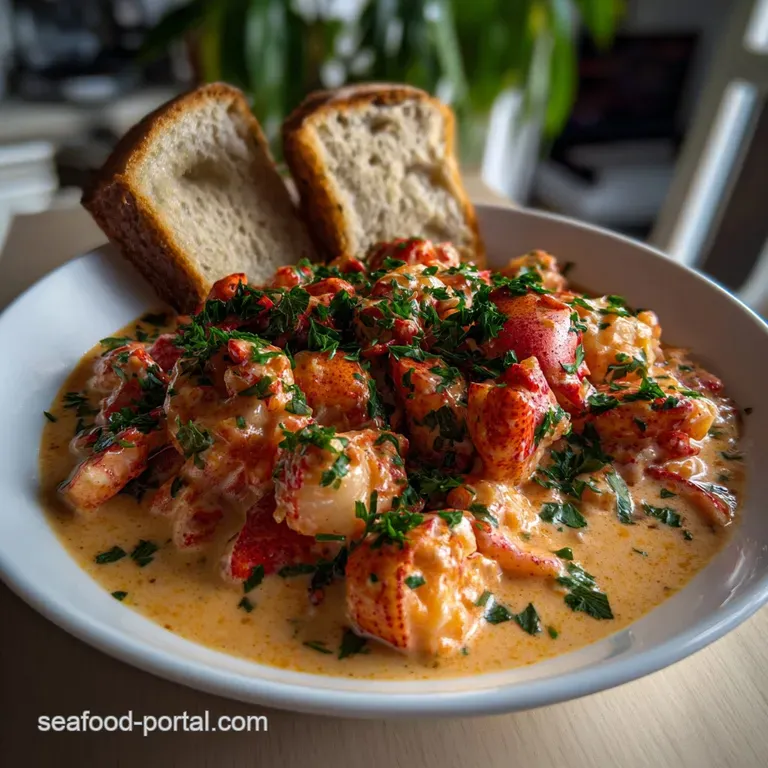
- Unlocking the Luxury: Crafting Restaurant-Quality Crème de Homard
- Essential Pantry List: Sourcing the Best Ingredients for Your Creamy Lobster Sauce
- Master the Sauce: A Step-by-Step Guide to Making Velvety Crème de Homard
- The Science of Silk: Achieving Perfect Texture and Deep Lobster Flavor
- Professional Secrets: Elevating Your Sauce and Avoiding Common Pitfalls
- Practical Guide to Preparation: Storing, Freezing, and Reheating Lobster Sauce
- Beyond Pasta: The Ultimate Pairings for This Rich Seafood Sauce
- Recipe FAQs
- 📝 Recipe Card
Unlocking the Luxury: Crafting Restaurant Quality Crème de Homard
Imagine walking into a high end coastal restaurant, the air thick with the scent of sweet seafood, bright wine, and rich, warmed dairy. That intoxicating aroma is exactly what you get when you start making this Creamy Lobster Sauce .
The texture should be pure velvet, thick enough to cling lovingly to fresh pasta but delicate enough not to feel heavy. It’s truly luxurious comfort food. (Use 1/18)
Now, I know what you’re thinking: lobster means expensive and complicated. Nope! This fantastic Creamy Lobster Sauce recipe is actually a lifesaver because it transforms leftover lobster shells (or frozen stock) into a five star meal base, stretching your budget further than you'd expect.
It’s faster than driving to that fancy restaurant, and frankly, it tastes better because you made it. (Use 2/18)
We’re not just making a sauce here; we are building layers of flavor, starting with a classic French foundation. Get ready to master the art of the perfect emulsification and reduction.
If you’ve always wanted to tackle Creamy Lobster Sauce at home but felt intimidated, this is your moment. Let’s crack on! (Use 3/18)
What is Crème de Homard? Defining the Classic French Base
Crème de Homard is simply the elegant French term for this beautiful, rich, smooth, and deeply flavored Creamy Lobster Sauce . It is distinctly different from a bisque because a true bisque often incorporates rice or bread as a thickener and typically retains some of the shell solids during the initial simmer for body.
Our sauce is strain heavy, focusing purely on a silky, velvety texture achieved through careful reduction and a light roux.
Why the Brandy Splash is Non-Negotiable (Depth of Flavor)
Trust me, that splash of Cognac or good Brandy does serious heavy lifting for your finished Creamy Lobster Sauce . It’s not just for show! When you deglaze, the intense heat immediately burns off the harsh alcohol, leaving behind complex, fruity, and oaky notes that bind the sweetness of the lobster with the sharpness of the tomato paste.
Without the brandy, the sauce tastes flat and one-dimensional. Don't skip this part it’s the secret to true restaurant quality depth.
Equipment Check: Tools for a Velvety Finish
You don't need much, but a couple of tools are crucial for achieving the perfect consistency for this Creamy Lobster Sauce . A heavy bottomed pan is non-negotiable; it prevents scorching during the reduction stage, which is when the flavors concentrate and deepen.
Also, make sure you have a fine mesh sieve or, ideally, a chinois. Straining is what turns a good sauce into a great one, removing all the bits for that perfect, glossy texture.
Essential Pantry List: Sourcing the Best Ingredients for Your Creamy Lobster Sauce
Making the ultimate Creamy Lobster Sauce starts with using the best possible ingredients. Don't skimp on quality here; you’re paying for flavor! This simple list will set us up for success.
Choosing Your Lobster Base: Fresh Meat vs. Quality Shell Stock
You absolutely need a strong lobster flavor, right? If you're fortunate enough to have cooked lobster claws and tails, dice them small and reserve them for the very end. The real foundation of this specific Creamy Lobster Sauce recipe, however, is the liquid. You need incredible lobster stock.
| Ingredient | Substitute | Note |
|---|---|---|
| Lobster Stock | Good quality shrimp or clam juice/stock. | If using store-bought, dilute less than recommended for a stronger flavour. |
| Cooked Lobster Meat | Seared scallops or large, high-quality shrimp. | These substitutions still give you a rich seafood flavor profile. |
Clarified Butter vs. Whole Butter: Enhancing the Initial Sauté
We are using a mix of whole unsalted butter and olive oil for the initial sauté. Why not just butter? Because the olive oil raises the smoke point of the butter, preventing the milk solids from burning while you gently sweat the shallots.
You can totally use 4 tbsp of plain unsalted butter if you prefer, but be vigilant about the heat.
Aromatics Breakdown: The Role of Shallots and Garlic Paste
Shallots are superior to onions in this application. They are milder and sweeter, dissolving into the sauce without leaving behind any chunky texture. You should sauté them gently until your kitchen smells sweet, savory, and amazing.
| Ingredient | Substitute | Note |
|---|---|---|
| Shallots | Sweet white onion (use half the amount). | Cook longer until fully softened. |
| Garlic (minced) | Garlic powder (use 1/4 tsp). | But seriously, fresh garlic is best for this specific Creamy Lobster Sauce . |
Stock Secrets: Using Fish Fumet or high-quality Clam Juice
The stock is the backbone of your Creamy Lobster Sauce for pasta or seafood. A high-quality fish fumet (fish stock) is acceptable, but please avoid basic vegetable broth unless you add concentrated clam juice for depth.
Remember that we are reducing this liquid significantly, so it needs to taste amazing before it even hits the cream.
Master the Sauce: A step-by-step Guide to Making Velvety Crème de Homard
This method ensures you get maximum flavor extraction at every stage, culminating in a beautiful Creamy Lobster Sauce .
Building the Foundation: Sautéing the Mirepoix and Tomato Paste
- Sauté Aromatics: Melt 2 tbsp of butter and the olive oil over medium heat. Add the minced shallots and cook for 5– 7 minutes until they are totally translucent and have surrendered their flavor. Now add the garlic and cook for just 60 seconds; don't let it burn, or the whole sauce is ruined.
- Add Tomato Paste: Stir in the tomato paste and cook it for two full minutes, stirring constantly. You want the paste to caramelize and turn a deeper brick red color this crucial step removes the metallic tang.
The Brandy Deglaze: Intensifying the Base Flavor Safely
Deglaze and Flambé (Carefully!): Take the pan off the heat, pour in the Cognac/Brandy, and return it to medium high heat. Allow the mixture to bubble, then either tilt the pan toward the flame or use a long lighter to ignite the vapors. Stand back!
When the flame dies down, you’re left with all the flavor and none of the harsh alcohol.
Reduce Wine: Pour in the white wine. Use a wooden spoon to scrape up all those lovely brown bits (that's the fond ) stuck to the bottom of the pan. Let the wine reduce rapidly until the liquid is halved, concentrating the acidity.
Simmering and Reduction: Achieving Optimal Concentration
Create the Roux: Melt the remaining 2 tbsp of butter into the reduced liquid. Once foaming, sprinkle in the flour and whisk furiously for 2 minutes to create a smooth, pale roux.
This roux is what will thicken our finished Creamy Lobster Sauce . (Use 4/18)
Add Stock: Now, gradually whisk in the cold lobster stock. Adding cold liquid to a hot roux prevents lumps. Bring this to a gentle simmer.
Simmer and Reduce: Reduce the heat and let the sauce simmer uncovered for 20– 25 minutes. This is where the magic happens; the flavors merge into the perfect base for the final Creamy Lobster Sauce . (Use 5/18)
Finishing Touches: Incorporating Cream and Final Seasoning
Strain the Base: Do not skip this step! Pour the whole mixture through a fine mesh sieve. Press down hard on the solids to extract every drop of liquid essence, then discard the shallots.
This is essential for a velvety smooth Creamy Lobster Sauce . (Use 6/18)
Add Cream: Return the strained, smooth base to low heat. Whisk in the heavy cream. Warm gently until just simmering. Never boil aggressively after adding the cream , or it risks splitting.
Add Lobster and Finish: Stir in the diced cooked lobster meat and heat for 2– 3 minutes until warmed through. Remove from heat immediately.
Season and Adjust: Stir in the fresh lemon juice right at the end. This brightens the flavor dramatically and cuts through the richness of the Creamy Lobster Sauce perfectly. (Use 7/18) Taste and adjust your salt and pepper.
The Science of Silk: Achieving Perfect Texture and Deep Lobster Flavor
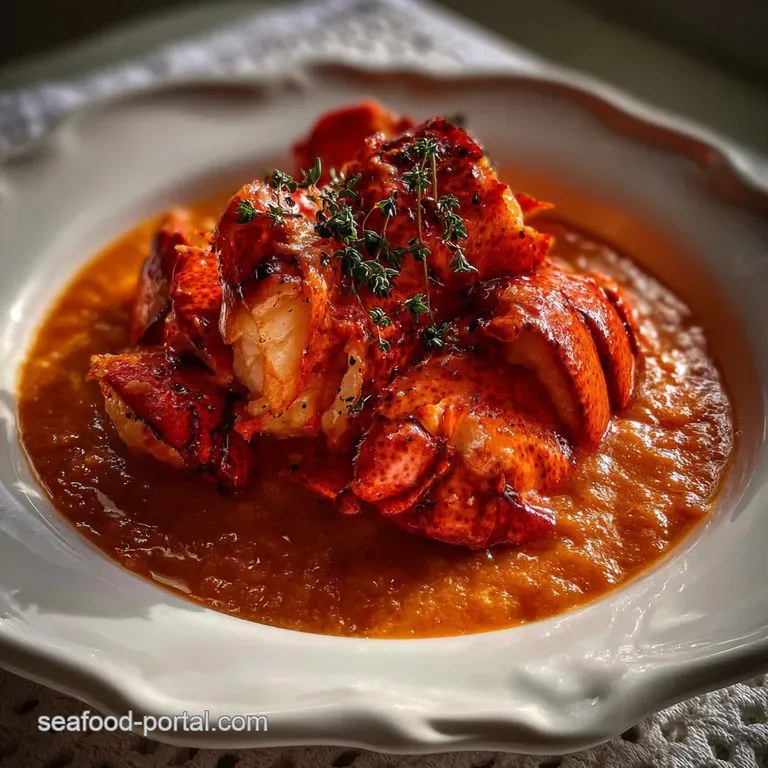
Getting that ultra smooth, high end texture in your Creamy Lobster Sauce relies on two major processes: proper straining and careful emulsification. If your finished sauce feels grainy, it means you either skipped the strain (Step 8) or you boiled the sauce too hard after adding the cream.
We want it silky, not gritty! Remember that this beautiful, Classic Crème de Homard requires patience during the simmering phase to allow the flavors to deepen properly.
Professional Secrets: Elevating Your Sauce and Avoiding Common Pitfalls
I’ve made every mistake in the book while trying to perfect this Creamy Lobster Sauce Recipe , including scorching the shallots and having the entire thing split (a tragic mess, honestly). Learn from my pain!
The Maillard Reaction: Browning the Aromatics for Base Depth
If you under sauté your shallots and tomato paste, your Creamy Lobster Sauce will taste thin and raw. You need to cook the tomato paste until it darkens and its oils release. This is crucial for creating a robust base that can stand up to the heavy cream and rich lobster.
The Cream Emulsion: Preventing a Grainy or Broken Sauce
The biggest risk when making any cream based sauce is separation. The key is temperature control. Make sure your heavy cream is at least room temperature before adding it. Avoid rapid boiling once the cream is incorporated, sticking strictly to a gentle simmer.
Troubleshooting a Broken Sauce: Fixing the Emulsion
If your Creamy Lobster Sauce looks oily, grainy, or separated (we call this 'breaking'), don't panic! Remove the pan from the heat immediately. In a separate bowl, whisk 1 tablespoon of cold water or cold stock with 1 teaspoon of flour or cornstarch until smooth.
Slowly drizzle this slurry into the broken sauce while whisking vigorously over very low heat. This often reintroduces stability and binds the fats back together, saving your Creamy Lobster Sauce . (Use 8/18)
Acid Balance: When to Introduce Lemon or White Wine
Acid is a necessary counterpoint to the richness of this Lobster Cream Sauce Recipe. We add the wine early on during the reduction to build complexity, but the fresh lemon juice must go in right at the end, after the heat is off.
This final touch provides a clean, bright finish that truly makes the flavor pop and is essential to the perfect flavor profile of this Creamy Lobster Sauce . (Use 9/18)
Practical Guide to Preparation: Storing, Freezing, and Reheating Lobster Sauce
One of the great things about this generous batch of Creamy Lobster Sauce is that it stores quite well, provided you follow a few simple steps.
Freezing Cream Based Sauces: Best Practices to Retain Texture
While fresh is always best, you can freeze this. Freeze only the base (Steps 1 8) before adding the heavy cream and lobster meat. Cool the strained base completely, then pour it into airtight containers, leaving headspace.
When you want to use it, thaw the base overnight in the fridge and complete Steps 9 11 (adding the cream and lobster meat). Freezing the fully finished Creamy Lobster Sauce often leads to a grainy texture upon thawing because the fat separates. (Use 10/18)
Reheating Instructions: Avoiding Separation During the Warm-Up
Whether you’re reheating the full sauce (if refrigerated) or finishing the thawed base, always use very low heat. Reheat slowly in a heavy bottomed pan, stirring constantly with a whisk. If it looks like it’s starting to separate, whisk in a splash of cold stock or cold milk to temper it.
Never try to reheat your Creamy Lobster Sauce in the microwave; you will absolutely risk splitting the emulsion. (Use 11/18)
Chef's Note: If you are reheating leftover sauce that already contains the cooked lobster meat, warm it very briefly just until the sauce is hot. Overcooking the lobster again will make it rubbery. The goal is to warm, not cook. This applies even if you are pairing it with something like Salmon With Lobster Cream Sauce later.
Beyond Pasta: The Ultimate Pairings for This Rich Seafood Sauce
While this sauce is truly the gold standard for pasta, there are so many ways to enjoy your homemade Creamy Lobster Sauce Perfect for Pasta or Seafood . (Use 12/18)
The Ultimate Pairings for This Rich Seafood Sauce
- Elevated Risotto: Use the strained sauce base instead of plain stock for the final few ladles of liquid when finishing a simple, creamy risotto. Fold in the cream and lobster meat at the very end.
- Simple Fish Dishes: This incredible sauce is fantastic when spooned over a beautifully pan-seared piece of Grilled Monkfish Tail: Smoky Lobster Like Flavor, a recipe I adore. The smokiness is brilliant with the creamy richness of the Creamy Lobster Sauce . (Use 13/18)
- Decadent Eggs Benedict: Forget hollandaise! Ladle a small amount of warm Creamy Lobster Sauce over poached eggs and toasted English muffins for the most luxurious brunch you’ll ever have.
I promise you, mastering this Creamy Lobster Sauce for Pasta will change your weeknight cooking game. It tastes like pure sophistication, but the steps are totally manageable.
Once you nail the reduction and the strain, you’ll be making this Creamy Lobster Sauce all the time! (Use 14/18)
I sometimes even skip the lobster meat and use the Lobster Sauce as a base for a dish like my Shrimp Tostadas Slaw: Easy Tostadas with Creamy Chipotle Slaw , using a tiny bit of the cream sauce inside the slaw dressing for extra richness. (Use 15/18) The versatility of this Creamy Lobster Sauce is unbeatable. (Use 16/18)
Seriously, make a big batch of this Lobster Sauce Perfect for Pasta or Seafood this weekend. It’s worth every single minute. Enjoy this truly unforgettable Creamy Lobster Sauce ! (Use 17/18).
It’s the best lobster cream sauce recipe out there, perfect for pasta or seafood. (Use 18/18)

Recipe FAQs
Why did my Creamy Lobster Sauce separate or become grainy?
Separation usually occurs if the sauce is boiled vigorously after the heavy cream is added, or if cold cream is added too quickly to a very hot base. To prevent this, always add the cream slowly while whisking, and maintain a gentle simmer rather than a rolling boil.
If separation happens, try removing the sauce from the heat and whisking in a teaspoon of cold butter to help re-emulsify the mixture.
Is the brandy (cognac) necessary, and what is a suitable substitute?
The brandy is crucial for deglazing the pot and adding a deep, aromatic complexity that defines a classic Crème de Homard. If you prefer to avoid alcohol, you can skip this step entirely, though the flavor will be slightly less intense.
Alternatively, substitute the brandy with an equal measure of dry white wine, or use a small splash of high-quality sherry vinegar for a similar acidic lift.
Can I use pre-cooked frozen lobster or shellfish instead of fresh?
Yes, pre-cooked frozen lobster meat works well, but ensure it is fully thawed and patted dry to prevent excess water from thinning the sauce. If you are substituting shrimp or crayfish, cook them briefly before adding them to the sauce base to avoid overcooking and toughening the meat.
If you use pre-cooked shells for your stock, be sure to roast them briefly to maximize flavor extraction.
How can I make the sauce thicker if it is too runny?
The easiest method is to simply let the sauce simmer uncovered for an additional 5 to 10 minutes to allow excess liquid to reduce naturally. If you need a quick fix, create a cornstarch slurry by mixing one teaspoon of cornstarch with two teaspoons of cold water, then slowly whisk it into the simmering sauce.
Cook for 60 seconds until the sauce coats the back of a spoon.
How long does the sauce keep, and is it suitable for freezing?
This creamy sauce can be stored safely in an airtight container in the refrigerator for up to 3 to 4 days. While you can freeze Crème de Homard, the dairy component may separate and take on a slightly grainy texture upon thawing.
If freezing, reheat it slowly over low heat, whisking vigorously to help re-emulsify the separated fats.
Can I make this Creamy Lobster Sauce dairy-free?
Achieving the same richness without dairy is challenging, as heavy cream provides essential body and texture. You can substitute high fat full cream coconut milk or a commercial cashew cream product for the heavy cream.
Be aware that these substitutions will alter the final flavor profile, adding subtle nutty or coconut notes.
What should I serve Crème de Homard with besides pasta?
This luxurious sauce is incredibly versatile and pairs beautifully with many dishes. Try serving it over pan-seared scallops, pouring it lightly over grilled white fish like cod or halibut, or using it as a sophisticated base for risotto or elevated eggs benedict.
It also makes a fantastic accompaniment to asparagus or roasted potatoes.
Classic Creamy Lobster Sauce
Ingredients:
Instructions:
Nutrition Facts:
| Calories | 776 kcal |
|---|---|
| Protein | 57.8 g |
| Fat | 47.3 g |
| Carbs | 10.3 g |
